Montgomery, Alabama – The Equal Justice Initiative (EJI) has proudly announced the grand opening of Montgomery Square, a transformative new historical site dedicated to the pivotal decade from 1955 to 1965, a period that irrevocably reshaped the landscape of civil rights in America and inspired movements for justice worldwide. This innovative outdoor exhibition stands as a testament to the extraordinary courage and unwavering determination of Black residents in Montgomery who dared to challenge racial injustice, ultimately igniting a national movement that profoundly impacted the cultural, legal, social, and economic fabric of the United States.
Montgomery Square is the latest addition to EJI’s acclaimed network of Legacy Sites, which includes the Legacy Museum: From Enslavement to Mass Incarceration, the National Memorial for Peace and Justice, and the Freedom Monument Sculpture Park. Like its predecessors, Montgomery Square is meticulously designed to harness the profound "power of place," inviting visitors to engage directly with the historical significance of its location. Situated adjacent to the Elevation Convening Center and Hotel, at the summit of Montgomery Street, the site holds immense historical resonance. This very street was the final, triumphant stretch of the historic Selma to Montgomery March on March 25, 1965, where tens of thousands walked united for voting rights, their footsteps echoing the arduous journey towards freedom and equality.
The Montgomery Decade: A Crucible of Change
The period from 1955 to 1965 in Montgomery, Alabama, represents a condensed yet explosive era of activism that served as a crucible for the modern Civil Rights Movement. It began with the simmering discontent under the oppressive Jim Crow system, a pervasive network of state and local statutes that enforced racial segregation and disenfranchisement across the Southern and some Midwestern and Western states. These laws, upheld by the 1896 Supreme Court decision in Plessy v. Ferguson which sanctioned "separate but equal" facilities, created a rigid and humiliating social order designed to maintain white supremacy. In Montgomery, this manifested daily in segregated public transportation, schools, housing, public facilities, and even seemingly trivial spaces, such as chess tables, where laws explicitly forbade Black and white people from playing together. Black residents faced constant humiliation, economic exploitation, and the ever-present threat of violence for defying the racial hierarchy.
It was against this backdrop of systemic injustice that the Montgomery Bus Boycott was launched in December 1955, following Rosa Parks’ courageous refusal to give up her seat to a white passenger. However, Parks was not the first; Claudette Colvin, a 15-year-old, had done so nine months earlier. Her case, alongside others, laid the groundwork for the legal challenge. The boycott, organized by the Montgomery Improvement Association (MIA) led by a young Rev. Dr. Martin Luther King Jr., and strategically planned by grassroots organizers like Jo Ann Robinson of the Women’s Political Council and veteran civil rights activist E.D. Nixon, lasted for 381 days. It was an unprecedented display of collective nonviolent resistance, where thousands of Black citizens walked, carpooled, or found alternative transportation, crippling the city’s public transit system. This sustained act of defiance ultimately led to the Supreme Court’s ruling in Browder v. Gayle in November 1956, which declared segregated buses unconstitutional, marking a monumental victory that reverberated nationally.
Nearly a decade later, Montgomery once again became the focal point of the nation’s struggle for justice with the Selma to Montgomery Voting Rights Marches in March 1965. These marches, aimed at securing federal protection for Black citizens’ right to vote, escalated after the brutal "Bloody Sunday" attack on peaceful demonstrators by state troopers and local law enforcement at the Edmund Pettus Bridge in Selma. The graphic images of violence shocked the nation and galvanized public opinion, leading to President Lyndon B. Johnson’s decisive intervention and the eventual passage of the landmark Voting Rights Act of 1965. This legislation dismantled discriminatory voting practices, such as literacy tests and poll taxes, and significantly increased Black voter registration and political participation.
A Journey Through History: Exhibits and Experiences
Visiting Montgomery Square offers a uniquely immersive experience, allowing individuals to literally walk in the footsteps of the women, men, and children whose unwavering bravery and determination, often in the face of violent opposition, ultimately paved the way for the passage of the Voting Rights Act. "We are extremely excited to open this site, which explores how Montgomery created a new chapter for democracy and justice in America," stated EJI Director Bryan Stevenson. "The movement birthed by Montgomery’s residents in 1955, culminating in a triumphant march in 1965, changed the cultural, legal, social, and economic landscape of this nation."
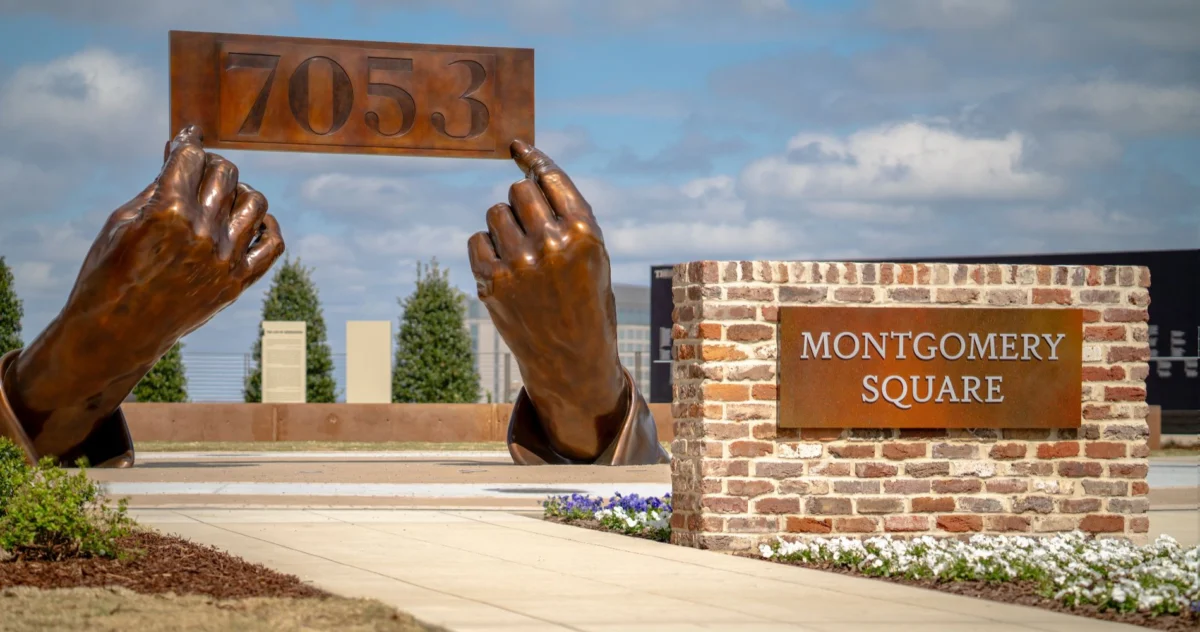
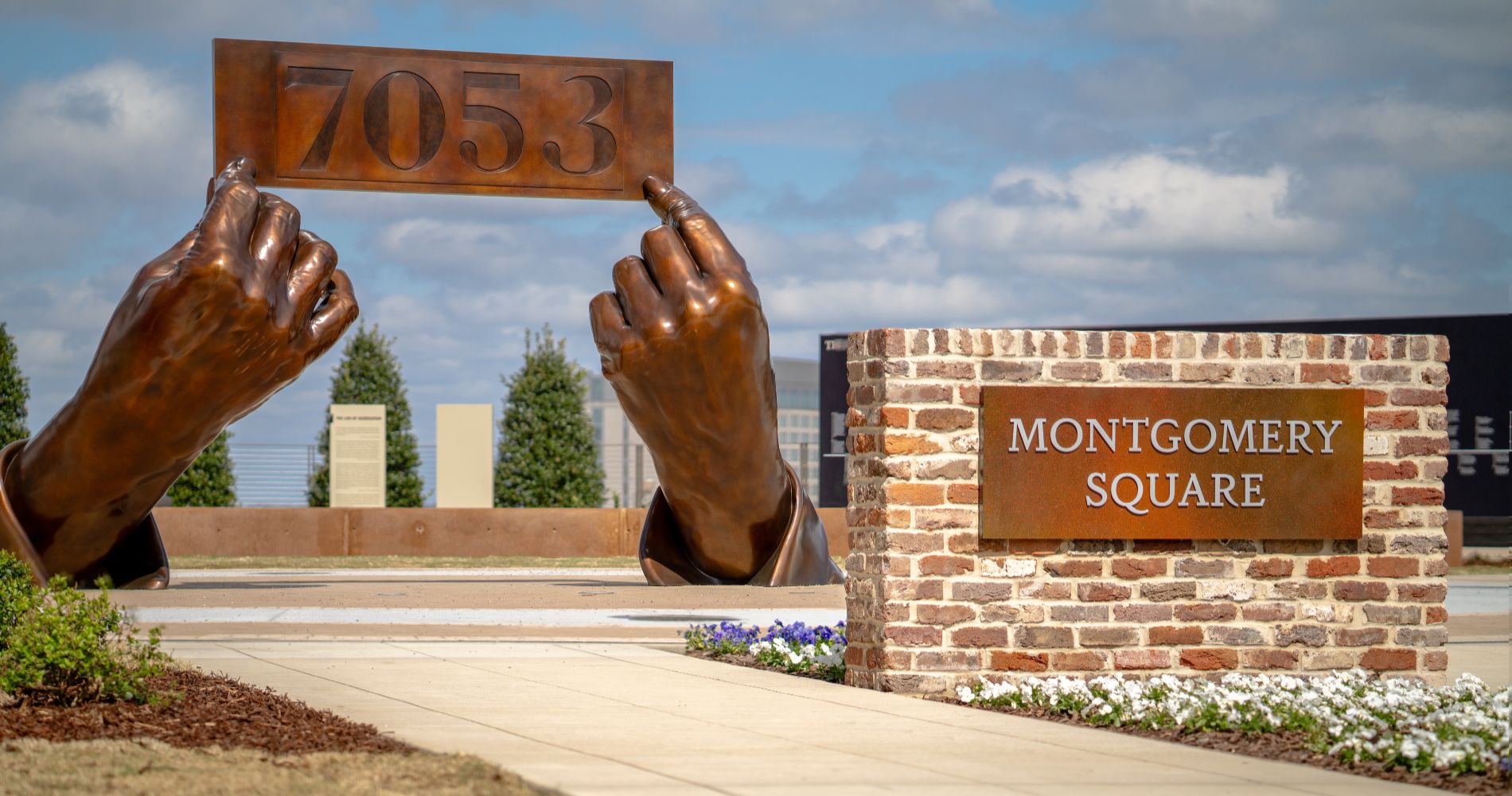
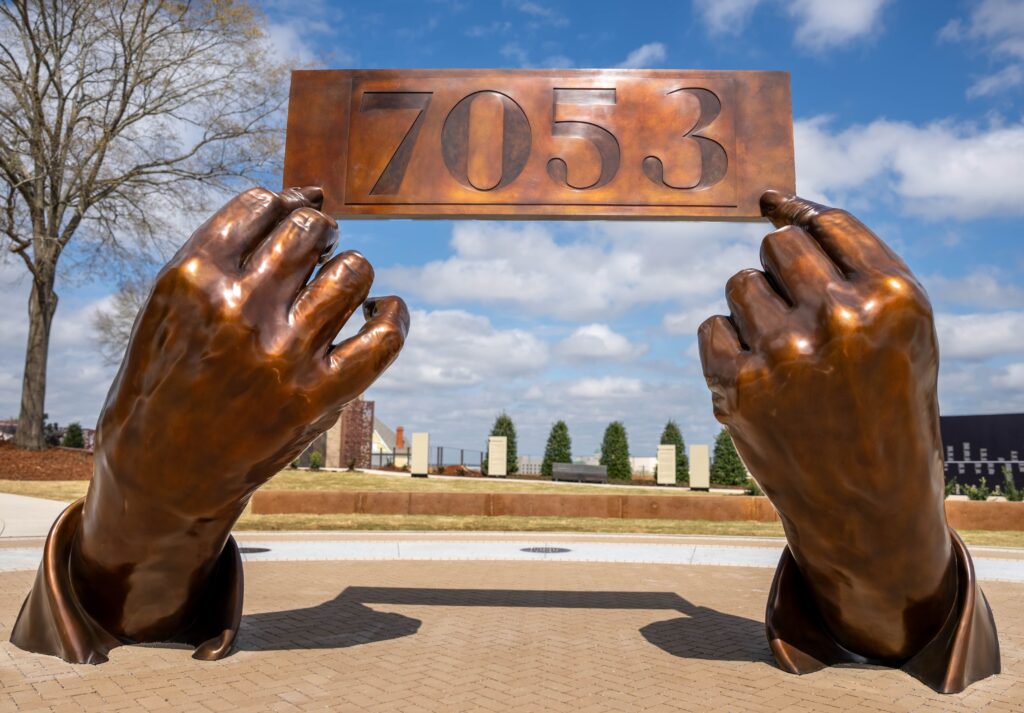
The mostly outdoor site is an intricately curated narrative, brought to life through a compelling combination of art, photography, and personal testimonies. Acclaimed artists Hank Willis Thomas and Basil Watson contribute powerful sculptures that encapsulate the spirit of the era. Hank Willis Thomas’s work celebrates an arrest number as a badge of honor, transforming a symbol of oppression into one of resilience and pride. Basil Watson’s sculpture, meanwhile, vividly depicts proud participants in the Montgomery Bus Boycott, capturing the quiet dignity and collective strength that sustained the year-long protest. Period photography further illustrates the deeply researched narrative, providing authentic visual context to Montgomery’s pivotal role in ushering in a new era of greater democracy and opportunity in America.

Central to the experience is Heroes Hall, an indoor space where visitors can listen to and learn from the very individuals who led and fueled this remarkable movement. The hall screens new documentary films featuring the direct voices and stories of civil rights icons such as Claudette Colvin, Rosa Parks, E.D. Nixon, Jo Ann Robinson, Fred D. Gray, John Lewis, Jo Ann Bland, Sheyann Webb Christburg, Amelia Boynton Robinson, and Lynda Blackmon Lowery. These powerful narratives are complemented by interviews and speeches from the Rev. Dr. Martin Luther King Jr., providing a comprehensive and intimate understanding of the movement’s intellectual and emotional core.
The Legacy of Segregation: Confronting Hard Truths
Montgomery Square does not shy away from confronting the harsh realities of the past. A massive timeline meticulously details this momentous decade, commencing with a stark portrayal of the widespread and constant humiliation and threats of violence that Black residents endured daily on segregated city buses for decades leading up to the Montgomery Bus Boycott. This crucial context helps visitors grasp the sheer audacity and desperation that fueled the boycott.
Pillars throughout the site display actual segregation laws, starkly illustrating how Montgomery, like many Southern cities, engineered one of the most rigid and extensive systems of racial segregation in the world. These legal documents lay bare the absurdity and cruelty of a system that dictated every aspect of life, from public transportation to the most intimate social interactions. Visitors can read, for instance, the laws that even barred Black and white people from playing checkers together, underscoring the dehumanizing extent of racial control.
Crucially, the site also unflinchingly documents the relentless and often violent opposition from tens of thousands of white residents who organized to uphold racial segregation in Montgomery. Visitors can read the words of faith leaders, elected officials, journalists, and prominent members of the Montgomery establishment who publicly vowed to "forever stand like a rock against social equality, intermarriage, and mixing of the races in the schools." This section provides essential insight into the powerful forces that civil rights activists confronted, highlighting the deep-seated prejudices and institutional backing that sustained segregation.

At the heart of Montgomery Square stands a giant oak tree, a silent, living witness to the unfolding history. This majestic tree bore witness as thousands of Black people walked the city’s streets to end segregation in 1955 and as tens of thousands risked their lives to end Black disenfranchisement in 1965. It symbolizes the endurance of struggle and the resilience of a community striving for justice, standing firm through decades of change.
EJI’s Vision: Education, Remembrance, and Reconciliation
The physical design and narrative of Montgomery Square are deeply informed by hundreds of hours of rigorous research conducted by the Equal Justice Initiative. This extensive scholarship is compiled in EJI’s new report, "The Montgomery Decade That Changed the World: 1955 to 1965," and further elucidated on the dedicated Montgomery Square website. These resources aim to highlight the often-overlooked historical context and celebrate the unsung heroes of this transformative decade in Montgomery, many of whom remain insufficiently recognized in mainstream historical narratives.
Bryan Stevenson emphasized the imperative for this history to be widely understood: "This history needs to be studied and understood by every American. We are proud to make learning about this critical decade more accessible to everyone at Montgomery Square." The site and its accompanying resources are designed to be invaluable tools for educators, students, historians, local residents, and visitors, offering deeper insight into Montgomery’s historic role in championing human rights and launching a worldwide movement towards racial justice. By making this complex history accessible and engaging, EJI hopes to foster a more informed citizenry capable of understanding the roots of contemporary issues of inequality and justice.
Broader Implications: National and Global Resonance
The opening of Montgomery Square carries significant national and global implications. Nationally, it reinforces the critical importance of confronting uncomfortable historical truths to foster genuine reconciliation and progress. By providing a deeply researched and emotionally resonant account of the Civil Rights Movement’s origins in Montgomery, the site contributes to a more complete and accurate national narrative, challenging sanitized versions of history and emphasizing the role of grassroots activism and sacrifice. This educational mission is particularly vital in an era where critical race theory and comprehensive historical education face increasing challenges.
Globally, the Montgomery movement served as a powerful exemplar for nonviolent resistance and liberation struggles against oppression. The tactics, courage, and ultimate legislative victories achieved in Montgomery and across the American South inspired anti-apartheid activists in South Africa, independence movements in colonial nations, and human rights advocates worldwide. Montgomery Square, therefore, not only memorializes a local struggle but also illuminates its far-reaching international impact, reminding visitors of the interconnectedness of human rights movements.
For the city of Montgomery itself, the Square represents another step in acknowledging its complex past and embracing its role as a beacon of the Civil Rights Movement. Local officials and community leaders, while recognizing the painful history, often express pride in the city’s transformation and its commitment to historical truth-telling. Such sites contribute significantly to cultural tourism, drawing visitors who seek to understand American history, providing economic benefits, and fostering a sense of shared responsibility for the future.
Visiting Montgomery Square: Planning Your Experience
Montgomery Square is now open to the public from 9 am until 6 pm, Wednesday through Monday. In line with EJI’s commitment to accessibility, admission is free, and no ticket is required, ensuring that this vital historical education is available to everyone.
The Equal Justice Initiative extends an invitation to all to visit Montgomery and experience the profound power of confronting injustice in this sacred place. Fueled by the deep knowledge gained across all the Legacy Sites, visitors are encouraged to reflect on the past, understand its echoes in the present, and consider their role in the ongoing pursuit of justice and equality. The Square is not merely a museum; it is a call to witness, to learn, and to be inspired by the enduring human spirit in the face of adversity.