Core Thematic Analysis of Oneiric Narratives
In recent documentation of communal dream experiences, two distinct narratives have emerged that illustrate the varying functions of the subconscious mind. The first involves a phenomenon frequently identified by psychologists as the "competency dream" or "imposter syndrome nightmare." In this scenario, a narrator recounts a vivid dream of returning to a childhood hometown to teach high school in a state of total unpreparedness. This narrative structure is common among high-achieving individuals experiencing professional exhaustion. The dream features elements of institutional chaos—unauthorized classroom decorations, non-standard paint colors, and a lack of instructional materials—which serve as metaphors for a perceived loss of control in one’s waking life.
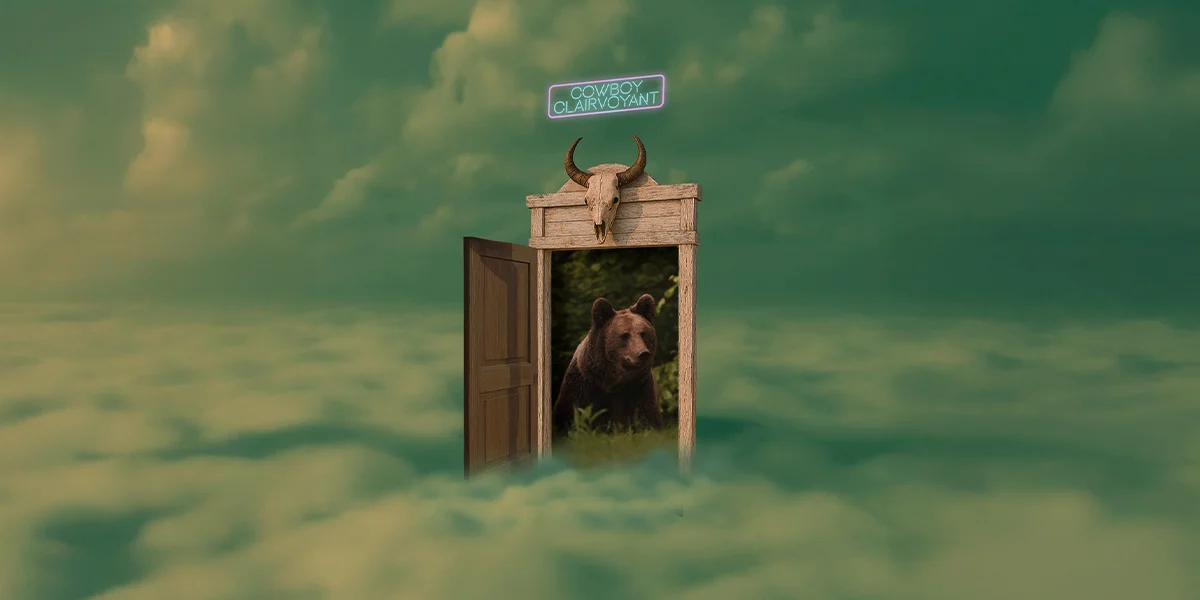
The second narrative, a case study submitted by a reader identified as Susie, involves a social gathering at a beach campsite. This dream utilizes a "reconciliation motif," where disparate elements of the dreamer’s past—specifically former romantic partners—are brought into a harmonious, albeit slightly stressful, alignment. The central figure of this dream is a large brown bear, characterized by a "matriarchal vibe." Unlike traditional nightmares involving predators, this interaction is defined by mutual respect and affection. Professional analysts suggest that such dreams represent the integration of the "shadow self" or the arrival of a protective psychological archetype, providing the dreamer with a sense of security and validation.
Historical Context and the Psychology of Burnout
The prevalence of high-stress dreams in contemporary discourse can be linked to the global rise in psychological burnout. According to the World Health Organization (WHO), burnout is an occupational phenomenon resulting from chronic workplace stress that has not been successfully managed. It is characterized by feelings of energy depletion, increased mental distance from one’s job, and reduced professional efficacy. These waking stressors often manifest in the REM (Rapid Eye Movement) cycle as "stress dreams," which serve as a biological mechanism for emotional regulation.
Historically, dream interpretation has transitioned from the mystical to the clinical. Sigmund Freud’s The Interpretation of Dreams (1899) posited that dreams are the "royal road to the unconscious," primarily serving as wish fulfillment. Carl Jung later expanded this by introducing the "collective unconscious," suggesting that certain symbols—like the bear or the snake—are universal archetypes shared across humanity. The "Cowboy Clairvoyant" series represents a contemporary synthesis of these theories, blending Jungian archetypes with specific cultural identities to provide a more personalized form of psychological processing.
Chronology of Dream Media and Cultural Integration
The development of specialized dream-interpretation media follows a clear timeline of digital evolution and shifting social priorities:
- Early 2000s: The rise of online dream dictionaries offered static, generic definitions for symbols, often lacking cultural or personal context.
- 2010–2015: The "Wellness Boom" integrated spiritual practices like tarot and astrology into mainstream lifestyle media, moving beyond traditional religious frameworks.
- 2020–Present: The global pandemic catalyzed a surge in "pandemic dreaming," characterized by more vivid and bizarre dreams as the collective population processed unprecedented isolation and health anxieties.
- Current Period: Platforms like Autostraddle have fostered niche communities where dream interpretation is used specifically to navigate marginalized identities, such as the "Queer Dream Interpretation" segment of the Fourkiller series.
This chronology reflects a shift from passive consumption of dream meanings to active, community-led interpretation that prioritizes individual narrative over rigid symbolism.
Comparative Data on Animal Symbolism in Oneirology
The use of animal symbols in dreams remains one of the most studied aspects of the human subconscious. Data collected from various psychological surveys suggest that specific animals are frequently associated with certain emotional states. The following table summarizes the journalistic and psychological analysis of common animal symbols as presented in contemporary interpretation guides:
| Animal Symbol | Traditional Interpretation | Psychological Correlation |
|---|---|---|
| Snake | Transformation or Threat | Processing betrayal or personal growth/shedding of the past. |
| Spider | Creativity or Entrapment | Feelings of being "caught" in a social web or a complex project. |
| Fish | Subconscious Wisdom | Exploration of the "shadow self" and deep-seated emotions. |
| Dog | Loyalty and Health | Assessment of social support systems and personal fidelity. |
| Alligator | Primordial Fear | Confronting ancient traumas or survival instincts. |
| Bear | Protection and Matriarchy | Navigating maternal influences, personal power, and energy levels. |
In the case of the "Susie" dream, the bear’s presence is interpreted not as a threat, but as an ancestral guardian. This aligns with indigenous perspectives on animal spirits, where the bear often represents a healer or a protector of the family line.
Institutional and Community Responses
The response to this specialized form of content has been significant within the LGBTQ+ and indigenous communities. Scholars in the field of Indigenous Studies note that reclaiming dream interpretation is a form of "sovereignty of the mind," allowing individuals to distance themselves from Western clinical models that often pathologize spiritual experiences.
Community feedback indicates that these interpretation series provide a "secondary support system" for individuals who may not have access to traditional therapy or who seek a more culturally resonant form of guidance. By framing the "teaching nightmare" as a common byproduct of burnout, the series provides a normalizing effect, reducing the shame and isolation often associated with anxiety-driven dreams.
Broader Implications for Mental Health and Spiritual Practice
The integration of dream interpretation into mainstream digital journalism signals a broader shift in how society views the intersection of mental health and spirituality. As professional burnout reaches record highs, the "exit door" mentioned in the Fourkiller series—the act of metaphorical or literal resets—becomes a vital tool for self-preservation.
From a sociological perspective, the "Cowboy Clairvoyant" series highlights the importance of "ancestral confirmation." For many individuals, especially those in marginalized groups, the dream world offers a space to connect with a lineage that may have been obscured by historical trauma or social displacement. The bear in Susie’s dream serves as a "familial confirmation," suggesting that her current lifestyle and community are validated by those who came before her.
Furthermore, the practice of "journaling prompts" associated with dream symbols encourages a proactive approach to mental health. Rather than viewing dreams as random neurological firing, this methodology invites individuals to "process the paranoia" or "suck the poison out" of their metaphorical wounds. This proactive engagement with the subconscious is increasingly recognized by the psychiatric community as a valuable adjunct to cognitive-behavioral techniques.
In conclusion, the "Cowboy Clairvoyant" and similar initiatives represent a sophisticated evolution of oneiric study. By combining journalistic inquiry with psychological depth and cultural specificity, these platforms offer a robust framework for navigating the complexities of the modern human condition. As individuals continue to face the pressures of a rapidly changing world, the symbols found in the "Beyond" provide a necessary bridge to internal stability and communal belonging. Through the careful interpretation of bears, snakes, and chaotic classrooms, the modern dreamer finds not only a reflection of their anxieties but also a map toward their eventual resolution.