From April 20 to May 1, 2026, the United Nations Headquarters in New York will host the 25th session of the United Nations Permanent Forum on Indigenous Issues (UNPFII). This pivotal annual gathering, the third-largest meeting at the UN Headquarters, is set to convene over 2,000 delegates, including Indigenous Peoples’ representatives, Member State officials, United Nations agency representatives, and other key stakeholders. The forum serves as a critical platform for dialogue, discussion, and the advancement of Indigenous issues on a global scale, offering an unparalleled opportunity for comprehensive media coverage of the challenges and triumphs faced by Indigenous communities worldwide.
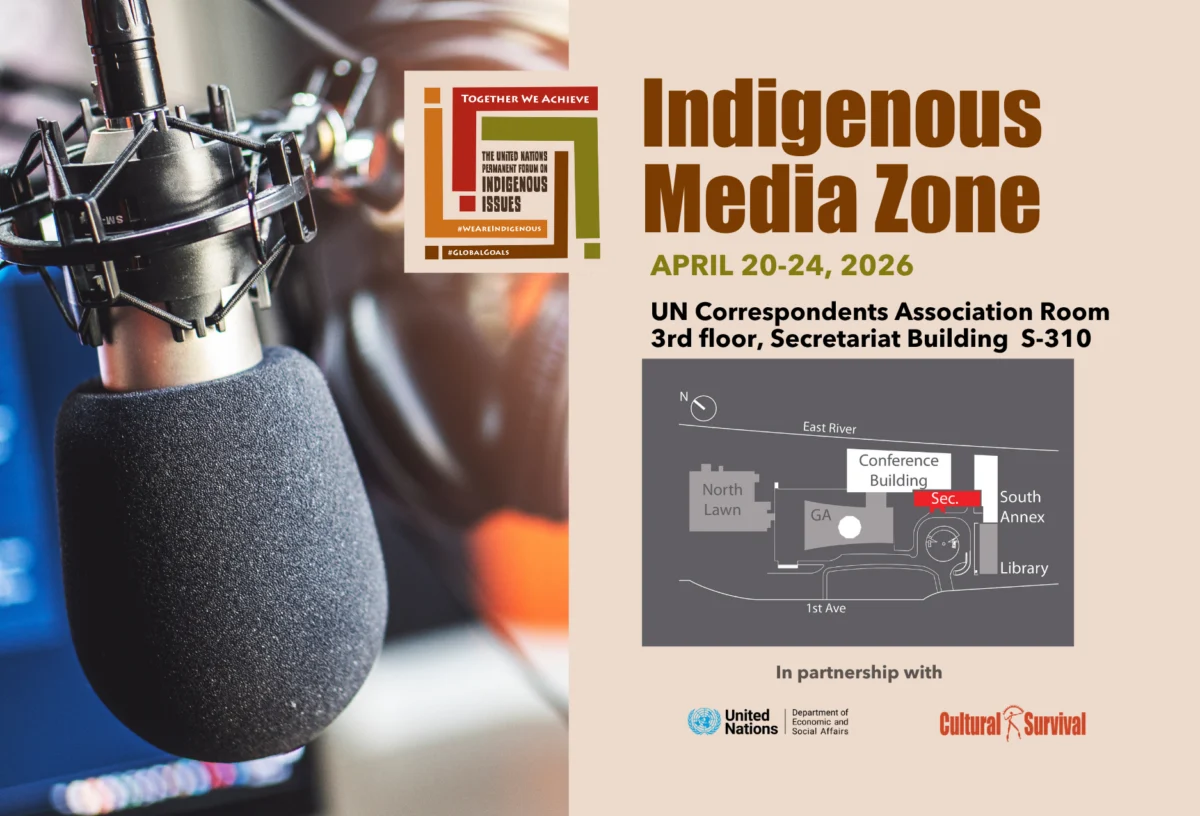
In anticipation of this significant event, the Secretariat of the Permanent Forum (SPFII) and the Department of Global Communications (DGC), in strategic partnership with Cultural Survival, are organizing an Indigenous Media Zone (IMZ). This dedicated space will operate during the first week of the UNPFII, from April 20 to April 24, 2026. The IMZ is designed to empower Indigenous media outlets, journalists, and platforms, enabling them to report on the session through their unique worldviews, perspectives, and languages. Furthermore, it will facilitate the organization of media events centered around the overarching theme of the 25th session: "Ensuring Indigenous Peoples’ health, including in the context of conflict." While prioritizing Indigenous voices, the IMZ will also extend a warm invitation to non-Indigenous media to engage with and report from this crucial space.
The initiative to establish an Indigenous Media Zone underscores a growing recognition of the vital role Indigenous media plays in amplifying community narratives and fostering a more nuanced understanding of Indigenous realities. Historically, Indigenous media has been instrumental in documenting cultural practices, advocating for rights, and challenging misrepresentations often perpetuated by mainstream media. The UNPFII, with its mandate to address issues concerning the economic and social development, culture, environment, education, health, and human rights of Indigenous peoples, provides an ideal context for such a dedicated media initiative.
A Dedicated Space for Indigenous Voices
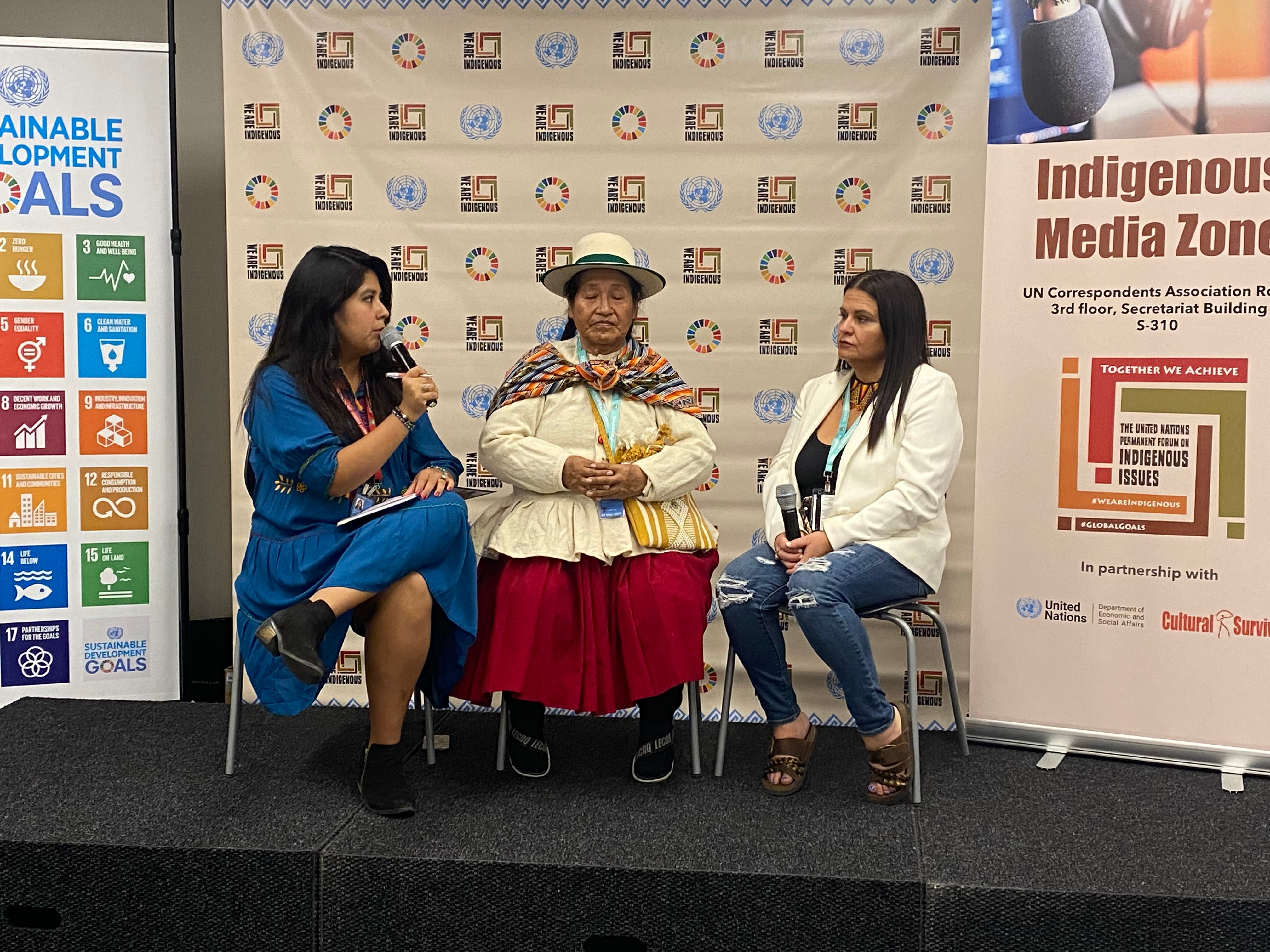
The Indigenous Media Zone will be strategically located in the UN Correspondents Association Room (3rd floor, Secretariat building, S-310). It will be accessible from Monday to Friday, April 20-24, 2026, operating daily from 9:00 am to 6:00 pm Eastern Standard Time (EST). On the opening day, Monday, April 20, the IMZ will commence operations slightly later, from 2:00 pm to 6:00 pm EST. This temporal arrangement ensures that media representatives have ample time to engage with the proceedings of the UNPFII and leverage the resources provided by the IMZ.
The establishment of the IMZ is also particularly timely in light of the ongoing International Decade of Indigenous Languages (2022-2032). A key objective of the Media Zone will be to actively encourage the participation of Indigenous media practitioners working in a diverse array of Indigenous languages from various global regions. This focus aims to promote linguistic diversity in media coverage and ensure that the narratives surrounding Indigenous issues are accessible in the languages that best represent the communities themselves.
Empowering Indigenous Narratives
Rosy Sul González, a Maya Kaqchikel and the Indigenous Rights Radio Program Manager at Cultural Survival, who will be a host at the IMZ, emphasized the transformative power of Indigenous community media. "Indigenous community media use their power to bring and amplify the voices of communities to make visible their struggles, demands, achievements, and challenges," González stated. "The Media Zone at the United Nations Permanent Forum helps Indigenous community media and communities use this power." Her sentiment is echoed by Shaldon Ferris, a Khoisan and Cultural Survival’s Indigenous Rights Radio Coordinator, who will also serve as a host. Ferris commented, "In a world where mainstream reporting easily misconstrues Indigenous worldviews, the IMZ offers a space where our stories are told, by the people, for the people." These statements highlight the critical need for spaces that allow Indigenous Peoples to control their own narratives and ensure accurate, respectful, and culturally sensitive reporting.
The UNPFII itself has a rich history, established by the Economic and Social Council (ECOSOC) in 2000 through Resolution 2000/22. Its mandate is to provide expert advice and recommendations on Indigenous peoples’ issues to the UN system, as well as to governments. The Forum is also a crucial mechanism for Indigenous peoples to express their views on matters affecting their lives and livelihoods. Over the past two decades, the UNPFII has addressed a wide spectrum of critical issues, including land rights, self-determination, cultural preservation, environmental protection, and the impact of development projects on Indigenous communities.
Focus on Health and Conflict
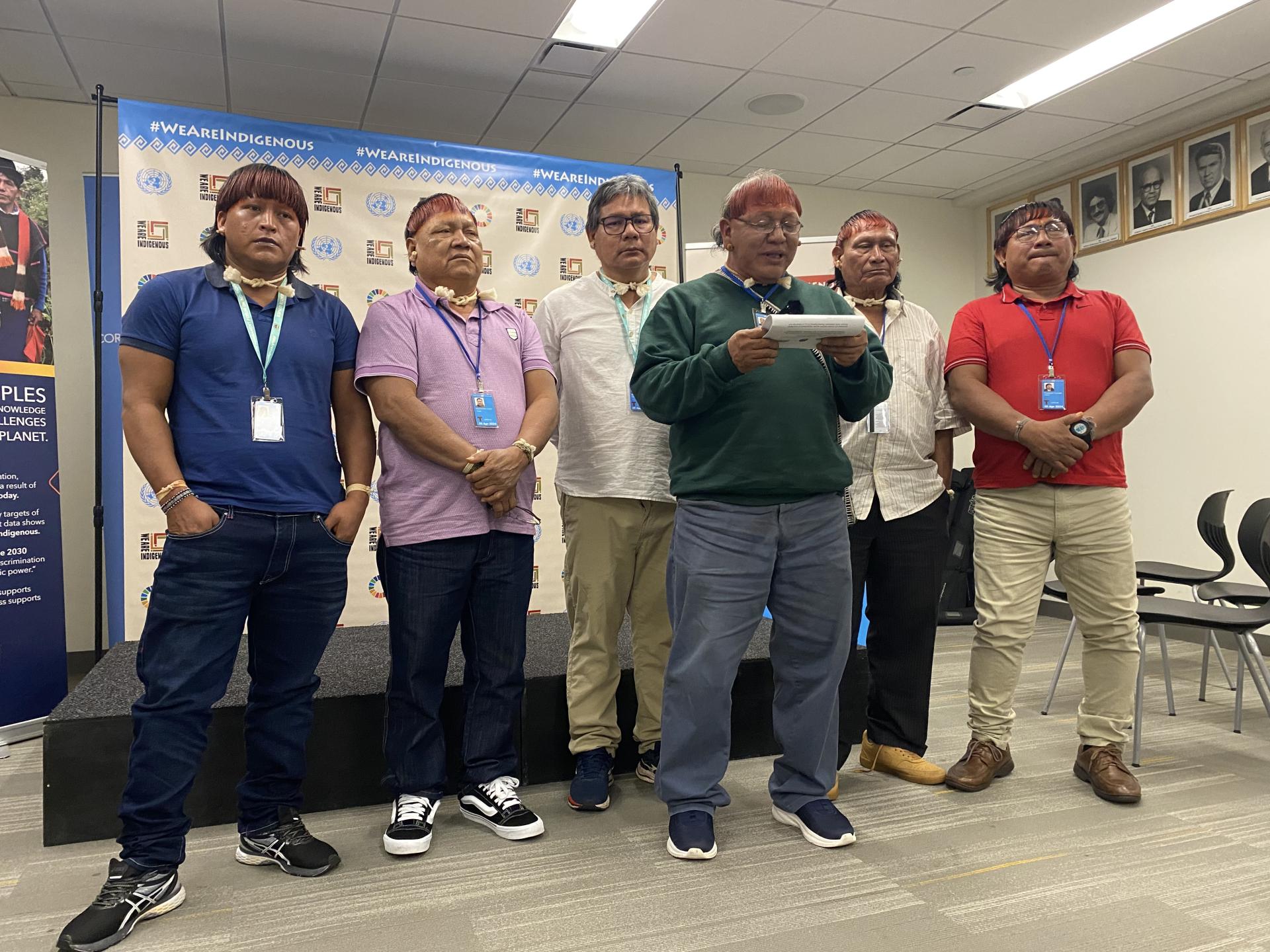
The chosen theme for the 25th session, "Ensuring Indigenous Peoples’ health, including in the context of conflict," is of profound importance. Indigenous communities around the world often face disproportionately high rates of health disparities, exacerbated by factors such as historical trauma, socioeconomic marginalization, limited access to culturally appropriate healthcare services, and environmental degradation. The inclusion of "in the context of conflict" further broadens the scope, acknowledging how armed conflicts, political instability, and humanitarian crises can have devastating impacts on the physical and mental well-being of Indigenous populations. These conflicts can lead to displacement, loss of traditional lands and livelihoods, increased vulnerability to violence and disease, and the disruption of cultural practices essential for community health and resilience.
Data from various UN agencies and research institutions consistently highlight these disparities. For instance, reports by the World Health Organization (WHO) have indicated that Indigenous populations often experience higher mortality rates from preventable diseases and lower life expectancies compared to their non-Indigenous counterparts. The impact of climate change, which disproportionately affects Indigenous territories, also contributes to health challenges through altered food security, increased exposure to natural disasters, and the spread of vector-borne diseases. The inclusion of conflict underscores the interconnectedness of peace, security, and health for Indigenous peoples.
Resources and Opportunities within the Indigenous Media Zone
The Indigenous Media Zone is envisioned as a comprehensive resource hub for journalists and media professionals. It will provide a dedicated working space equipped with essential amenities such as reliable WiFi access, enabling seamless communication and content dissemination. Crucially, the IMZ will offer a live stream of all official events taking place within the United Nations during the 25th Session of the Permanent Forum. This ensures that media representatives, regardless of their physical location within the UN premises, can stay abreast of the discussions, presentations, and debates.
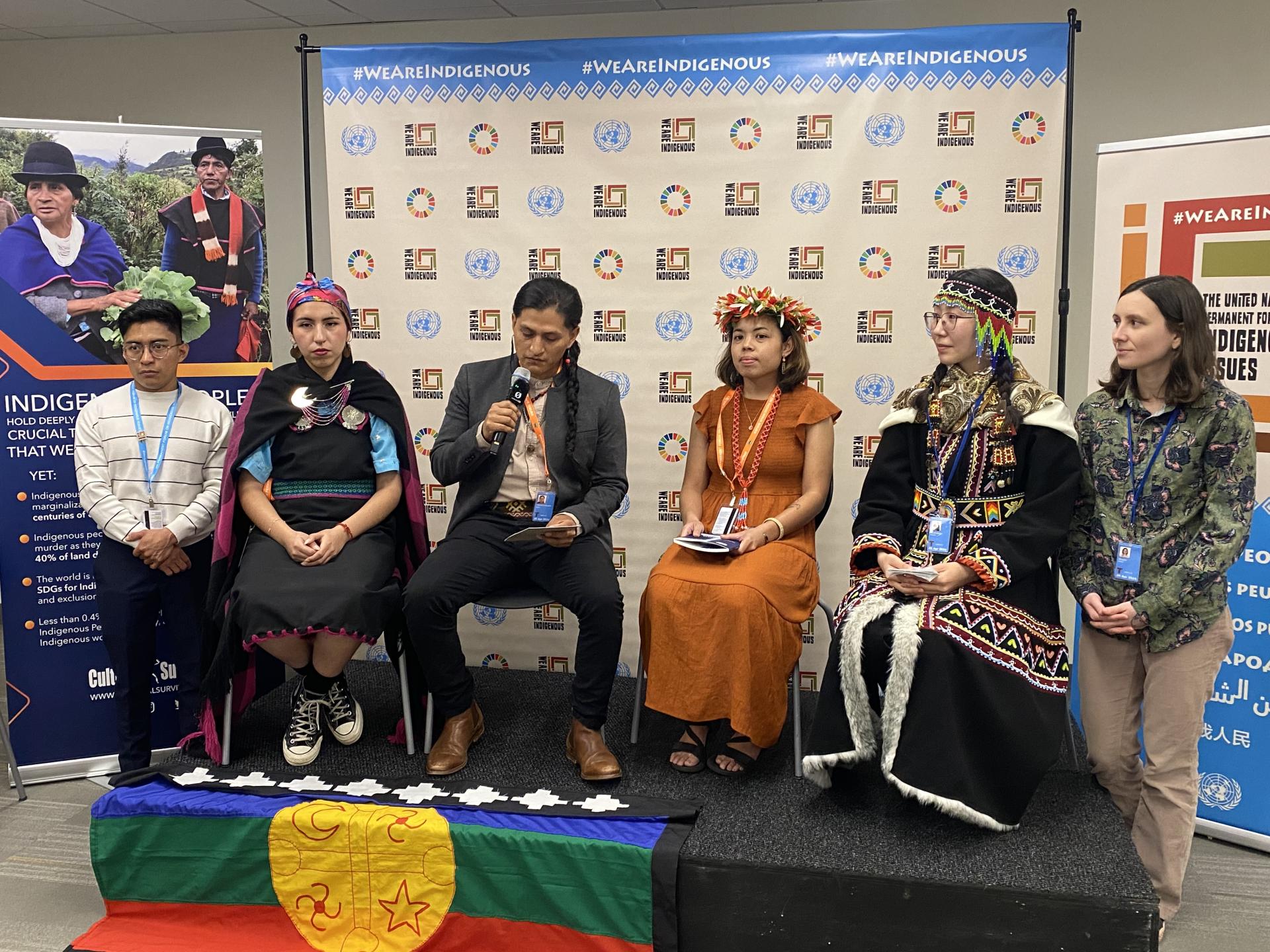
Beyond providing a functional workspace, the IMZ is designed to foster collaboration and dialogue between Indigenous media and non-Indigenous media. This interaction is vital for building bridges of understanding and ensuring that the complexities of Indigenous issues are conveyed accurately and with sensitivity.
The preliminary program for the Indigenous Media Zone is available for review, offering a glimpse into the planned activities and sessions. While specific details of the program are subject to finalization, the initiative aims to facilitate a range of media-related events, including interviews, panel discussions, and presentations by Indigenous leaders, activists, and experts.
Call for Participation and Engagement
Media professionals intending to cover the UNPFII and wishing to utilize the Indigenous Media Zone for interviews, panel discussions, or other media events are encouraged to reach out. To coordinate these activities and ensure optimal utilization of the space, interested parties are requested to contact Agnes at [email protected]. This proactive approach will help in scheduling and organizing media engagements effectively, maximizing the impact of the IMZ.
The establishment of the Indigenous Media Zone at the UNPFII represents a significant step forward in ensuring that the voices and perspectives of Indigenous Peoples are not only heard but are also accurately and powerfully communicated to a global audience. By providing a dedicated space, resources, and a platform for collaboration, the IMZ aims to enhance the quality and reach of media coverage on Indigenous issues, fostering greater understanding, promoting advocacy, and contributing to the realization of the rights and well-being of Indigenous communities worldwide. The 25th session of the UNPFII, with its crucial theme and the accompanying Indigenous Media Zone, promises to be a landmark event in the ongoing global dialogue on Indigenous peoples’ rights and challenges.