The Ministry of Education and Culture (MEC) of Mozambique has officially entered into a strategic partnership with World Education, an initiative of JSI, to launch the Empowering Educators program, a comprehensive intervention designed to overhaul the landscape of teacher professional development in the nation’s northern regions. Funded by IrishAid and launched in early 2026, this initiative represents a pivotal step in operationalizing the Mozambican government’s National Strategy for Continuous Teacher Training. By focusing on on-the-ground implementation and sustainable pedagogical support, the program aims to address long-standing systemic gaps that have historically hindered learning outcomes in primary education.
The program arrives at a critical juncture for Mozambique’s education sector. While the country has made significant strides in increasing school enrollment over the past two decades, the quality of instruction and the retention of students—particularly girls—remain significant challenges. The Empowering Educators program is specifically designed to bridge the gap between national policy and classroom reality, starting with a concentrated effort in Niassa Province.
Strategic Objectives and Targeted Impact
The Empowering Educators program is built upon a multi-faceted framework intended to improve primary education learning outcomes through three primary pillars: strengthening foundational learning, promoting gender-responsive school management, and ensuring the protection and retention of female students. In its initial phase, the project is set to reach 600 teachers and 100 school directors across four targeted districts in Niassa. Of the teachers participating in the first cohort, over 200 are women, reflecting a deliberate effort to empower female educators as leaders and role models within their communities.
Niassa Province, located in the northernmost part of Mozambique, was selected for the program due to its unique geographical and socio-economic challenges. As one of the most sparsely populated and remote regions in the country, Niassa has frequently struggled with teacher absenteeism and a lack of access to modern pedagogical resources. By focusing on this region, the MEC and World Education aim to create a scalable model that can eventually be adapted for other underserved provinces.
The project’s expected outcomes are not merely academic. While improving literacy and numeracy rates is a core goal, the program also emphasizes the creation of a safe and inclusive learning environment. This involves training school directors in gender-responsive management techniques, which are essential for addressing the specific barriers that prevent girls from completing their primary education, such as early marriage, household responsibilities, and lack of adequate sanitation facilities in schools.
Addressing the Challenges of Continuous Professional Development
Historically, teacher training in Mozambique has often relied on centralized, "one-off" workshops that fail to translate into long-term changes in classroom behavior. The Empowering Educators program seeks to dismantle this ineffective cycle by prioritizing Continuous Teacher Professional Development (CPD). This approach recognizes that teaching is a craft that requires ongoing refinement, feedback, and support.
Ligia Lundo, World Education’s Provincial Manager, noted that the sustainability of the strategy is rooted in the "multiplier" principle. Rather than relying solely on outside experts, the program empowers trainee teachers to act as catalysts for change within their own schools. This model prioritizes on-the-job training, where Deputy School Heads are trained to provide consistent, peer-to-peer coaching. By utilizing support tools already available within the national system, the program ensures that professional growth becomes a permanent fixture of the school culture rather than a temporary project-based activity.
This shift toward peer coaching and classroom-based support addresses a major logistical hurdle in Mozambique: the difficulty of transporting teachers from remote districts to urban centers for training. By bringing the training to the school, the program minimizes disruption to the academic calendar and allows for immediate application of new techniques in a real-world setting.
Chronology of Collaboration and Development
The launch of the Empowering Educators program in 2026 is the culmination of a long-standing relationship between the Government of Mozambique and World Education. This partnership dates back to 2011, marking fifteen years of collaborative efforts to strengthen the nation’s educational infrastructure. Over the past decade and a half, World Education has partnered with the MEC to deliver a variety of large- and small-scale programs that have collectively trained tens of thousands of teachers and supported more than 2 million learners nationwide.
The timeline of this collaboration highlights a steady evolution from emergency response and basic infrastructure support to sophisticated systems-strengthening initiatives. In the early 2010s, efforts were focused on increasing access to schools. By the early 2020s, the focus shifted toward the quality of instruction and the development of bilingual education programs. The 2026 Empowering Educators program represents the latest iteration of this evolution, focusing on the professionalization of the teaching workforce and the institutionalization of gender equity.
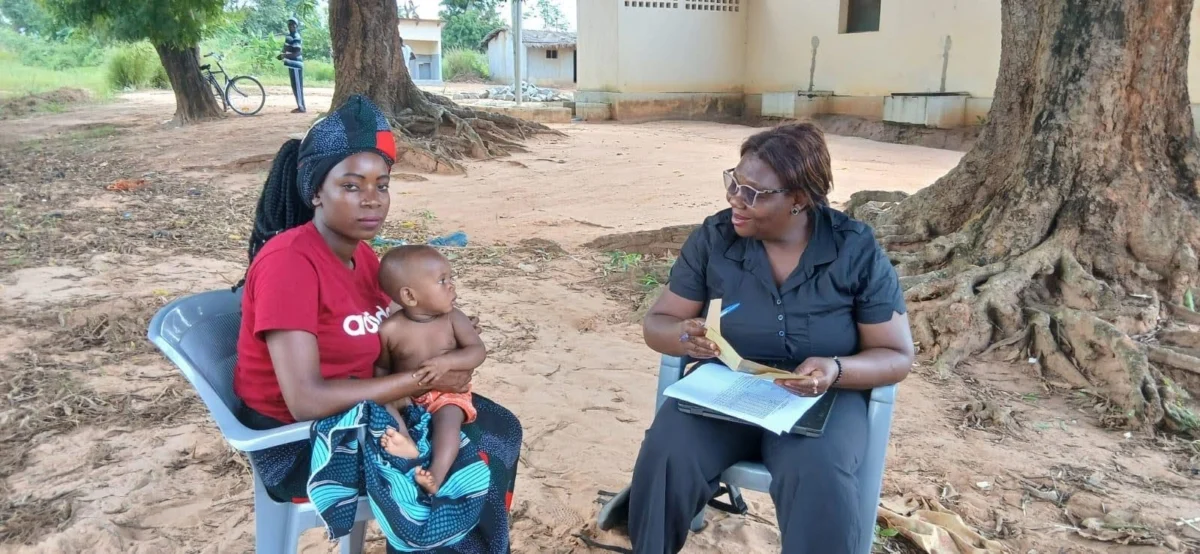
The project began its rollout with comprehensive baseline evidence gathering. This data-driven approach ensures that the intervention is tailored to the specific needs of the four target districts—Mavago, Mecula, and two others in the Niassa region. By understanding the current competency levels of teachers and the specific administrative hurdles faced by school directors, the program can deploy resources more effectively and measure progress with greater precision.
Official Responses and Regional Support
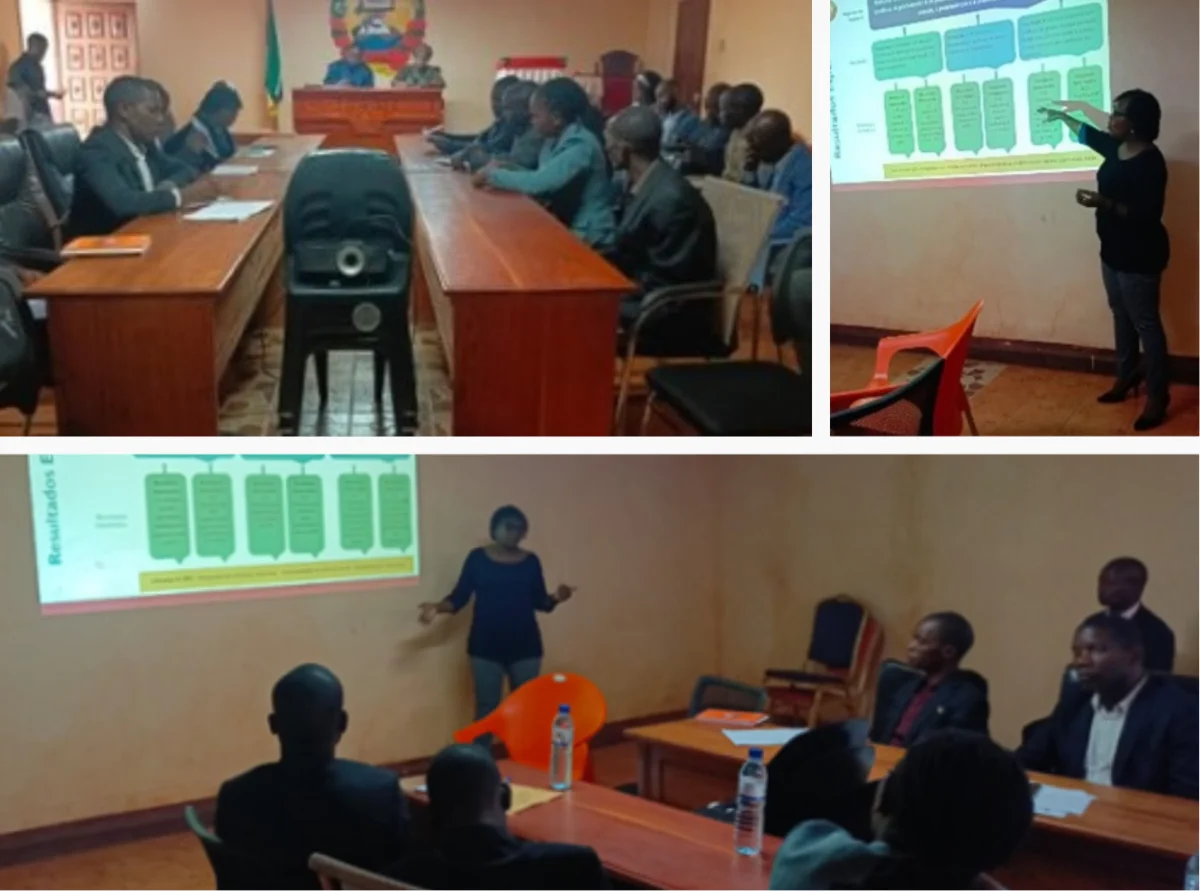
The launch events in the Mavago and Mecula districts were attended by high-ranking local officials and representatives from the international donor community. During the kick-off event in Mavago, the district administrator delivered a speech reinforcing her commitment to the initiative, emphasizing that education is the bedrock of regional development. Local leaders have praised the program’s focus on "multipliers," noting that it builds local capacity rather than creating a dependency on external consultants.
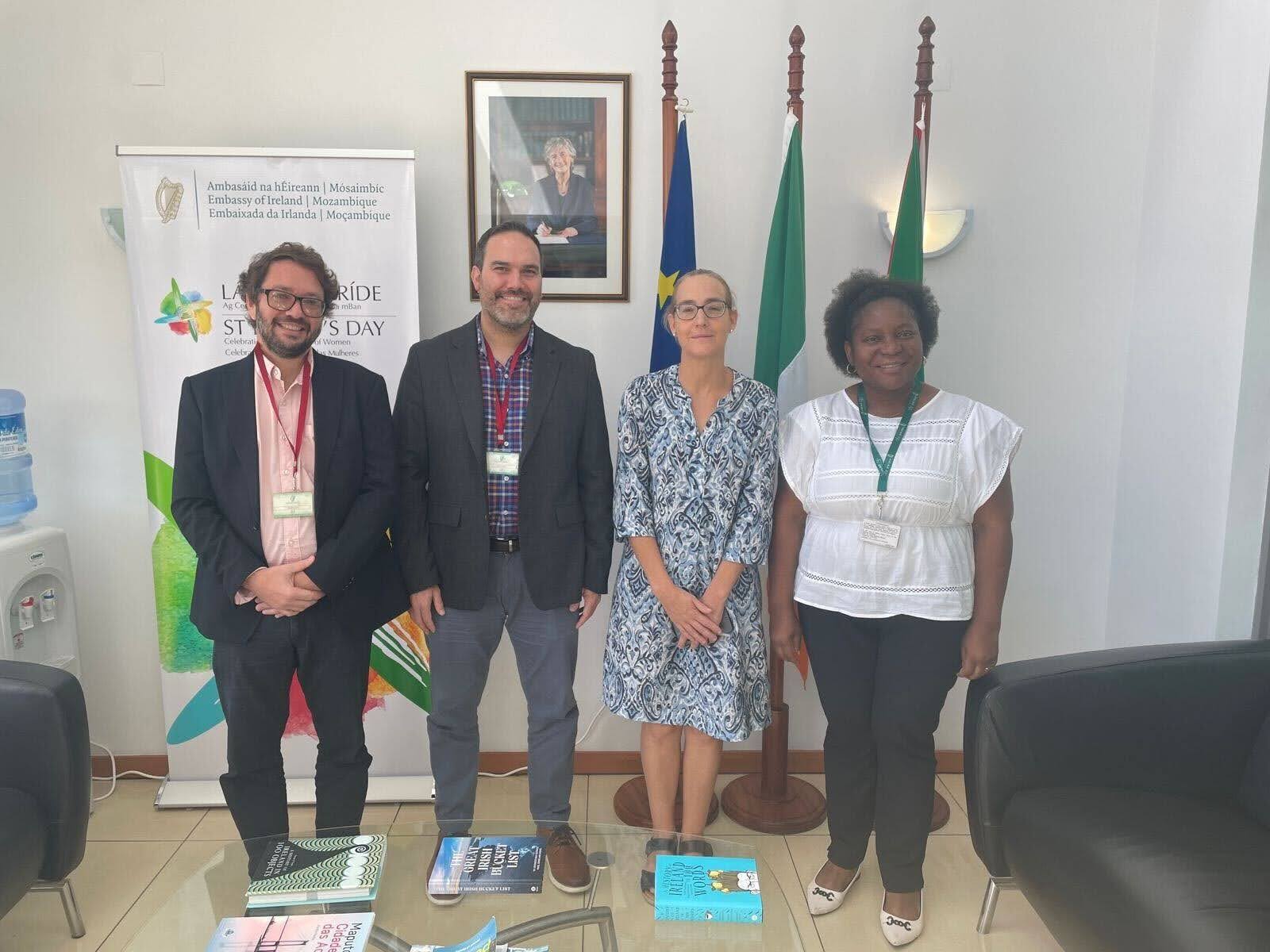
The Embassy of Ireland in Maputo has been a vocal supporter of the initiative. IrishAid team leads, including Aileen O’Donovan, Deputy Head of Mission and Cooperation, and Lídia Meque, Program Manager, have worked closely with World Education’s leadership, including Adam Turney and David Noyes, to ensure the program aligns with both Mozambican national priorities and Ireland’s international development goals. Ireland has a long history of supporting education and gender equality in sub-Saharan Africa, and the Empowering Educators program is seen as a flagship project in their portfolio for Mozambique.
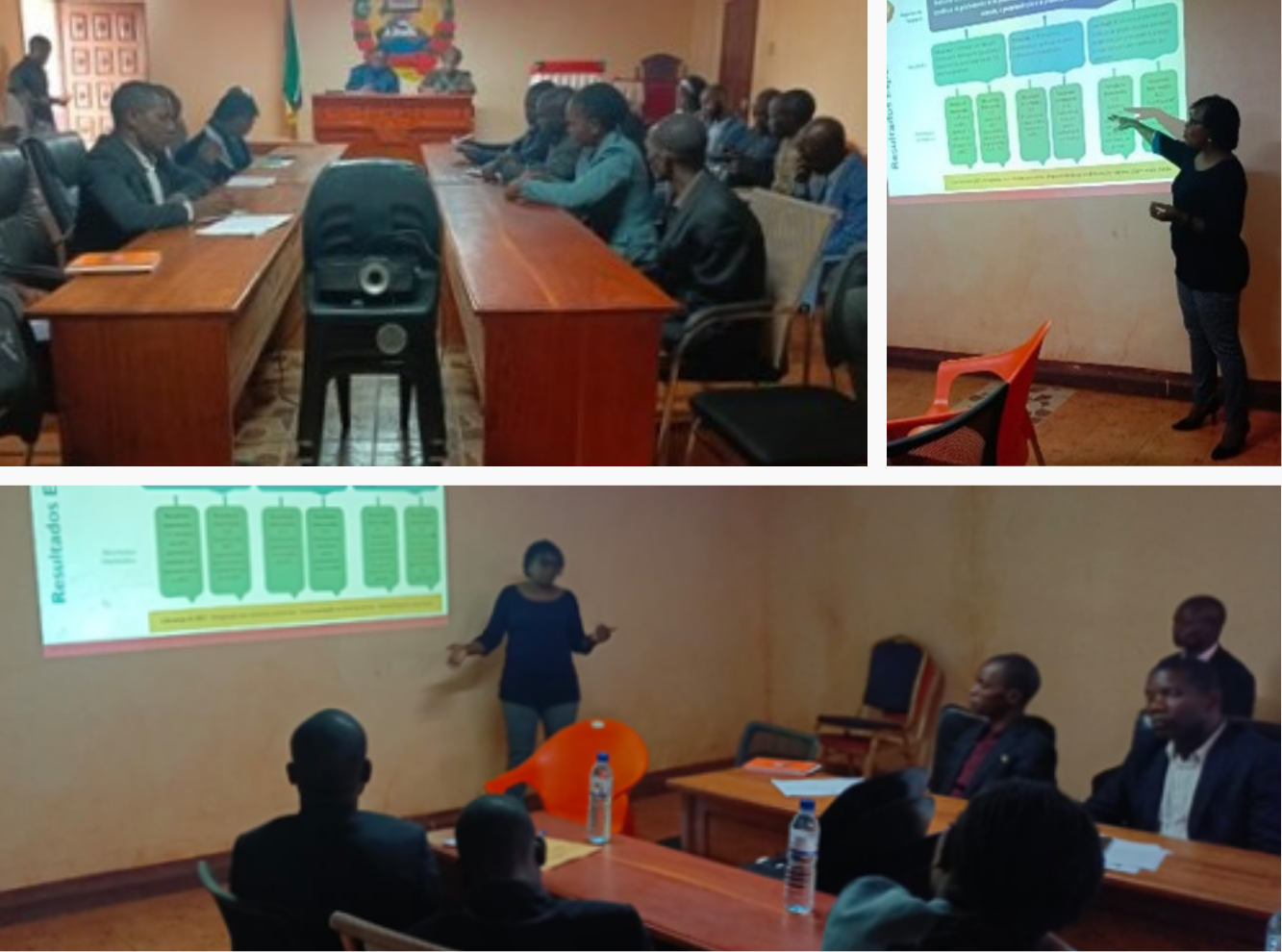
The involvement of IrishAid provides not only the necessary financial resources but also a wealth of international expertise in gender-responsive programming. This collaboration ensures that the Empowering Educators program is informed by global best practices while remaining deeply rooted in the local Mozambican context.
Broader Implications for the Mozambican Education System
The implications of the Empowering Educators program extend far beyond the borders of Niassa Province. If successful, the project will provide a blueprint for the MEC to operationalize its National Strategy for Continuous Teacher Training across all eleven provinces of Mozambique. The focus on strengthening management at the school level is particularly significant, as school directors play a crucial role in creating the "social, academic, and learning environment" necessary for student success.
Furthermore, the program’s emphasis on gender-responsive school management addresses a critical gap in the national education strategy. By training directors and teachers to recognize and mitigate the unique challenges faced by girls, the program contributes to the broader goal of achieving gender parity in education. This is expected to have long-term socio-economic benefits, as educated women are more likely to participate in the formal workforce, have healthier families, and contribute to the economic stability of their communities.
The use of baseline evidence and rigorous monitoring and evaluation (M&E) will also enhance the MEC’s data management capabilities. By tracking the progress of the 600 teachers and 100 directors, the ministry will gain valuable insights into which pedagogical interventions are most effective in the Mozambican context. This evidence-based approach is essential for the sustainable scaling of government-led interventions.
Future Outlook and Sustainability
As the Empowering Educators program moves forward, the focus will remain on ensuring that the improvements made in the classroom are sustainable. This requires a cultural shift within the education system—one where teachers view themselves as lifelong learners and where school leadership prioritizes pedagogical support over administrative tasks.
World Education and JSI have designed the program to be integrated into existing government structures from the outset. By using the MEC’s own support tools and focusing on Deputy School Heads as the primary coaches, the program avoids creating parallel systems that often collapse once donor funding ends. Instead, it strengthens the existing framework, making it more resilient and effective.
The success of the program in Niassa will likely determine the future trajectory of teacher training in Mozambique. As the 2026 academic year progresses, the education community will be watching closely to see how the "multiplier" effect takes hold. With the combined expertise of the Ministry of Education and Culture, World Education, and IrishAid, the Empowering Educators program stands as a beacon of hope for a more equitable and effective primary education system in Mozambique. Through its commitment to teacher professionalization and gender equity, the initiative is not just training educators; it is laying the foundation for the next generation of Mozambican leaders.