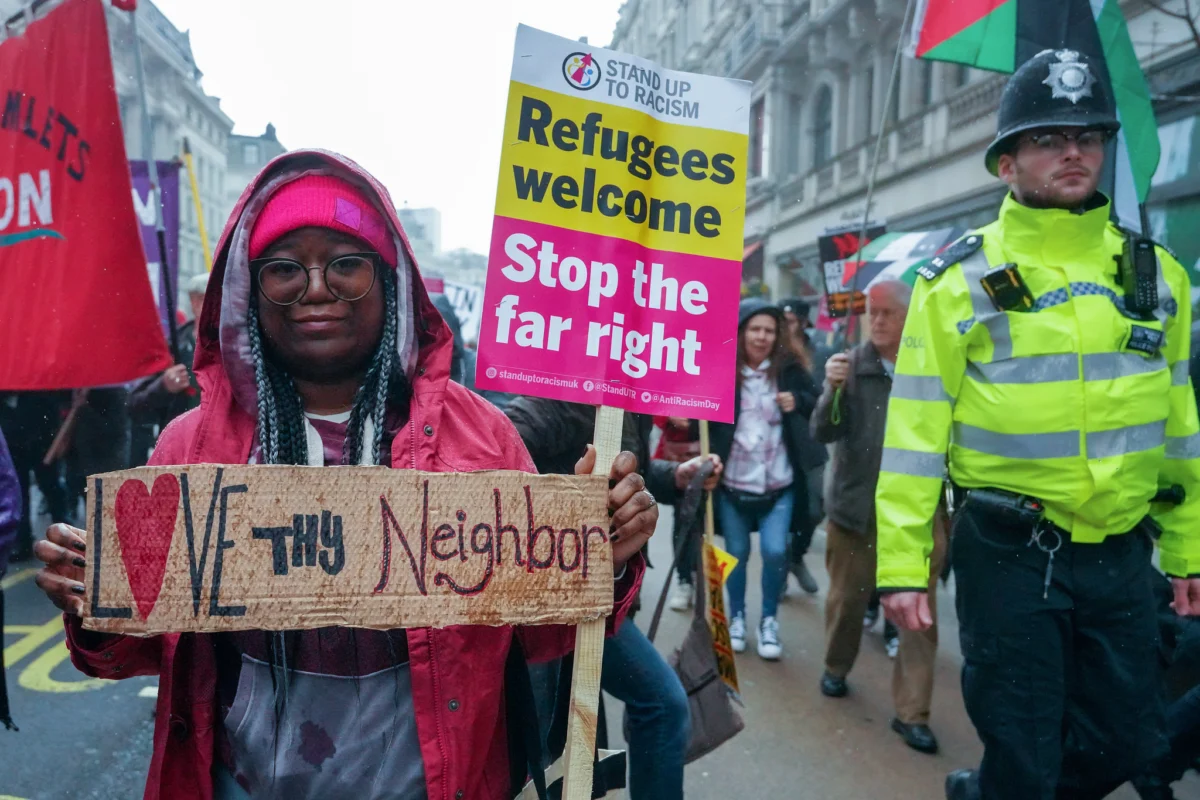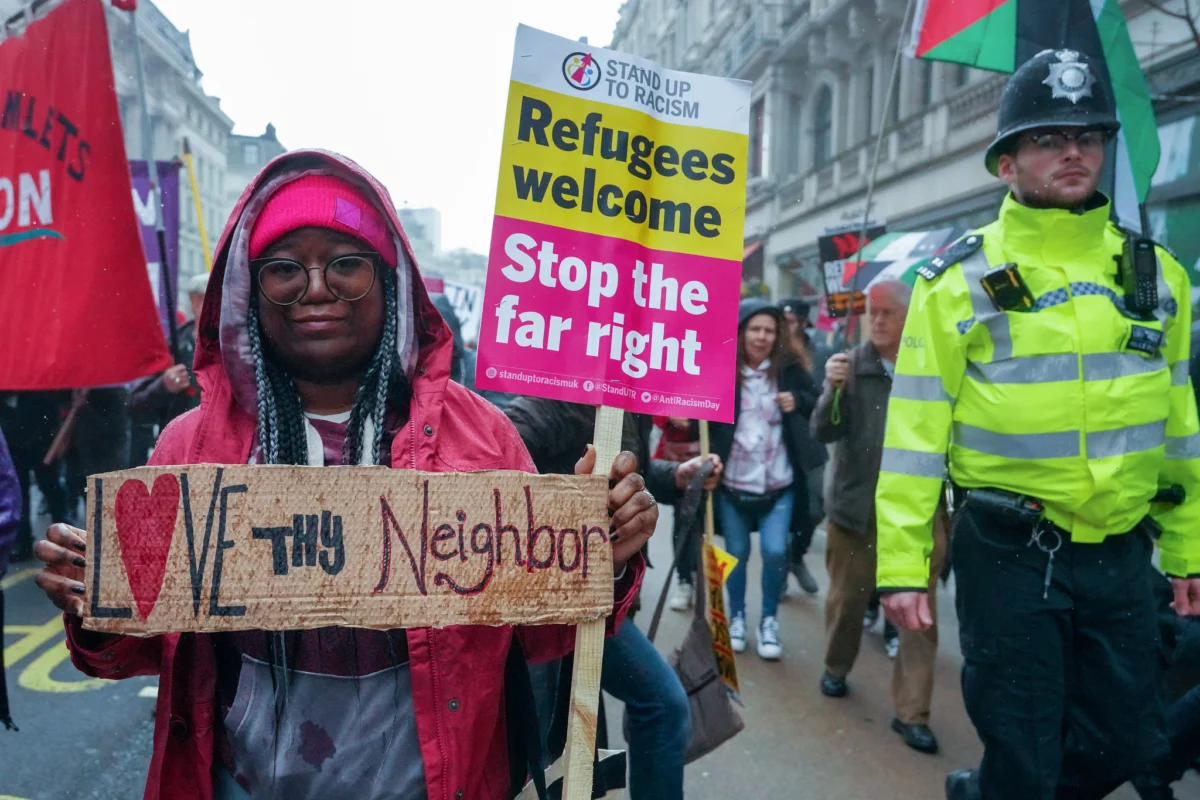
The framework of civil liberties in the United Kingdom, long considered a cornerstone of modern democracy, is currently facing a period of unprecedented scrutiny and potential transformation as political shifts and legislative proposals threaten to alter the landscape of the Equality Act 2010 and the Human Rights Act 1998. While these statutes were designed to provide a robust shield against discrimination and state overreach, recent years have seen a growing movement among various political factions to dilute, replace, or entirely rescind these protections. This movement is driven by a complex interplay of ideological shifts, media narratives regarding "special treatment," and a broader debate over the sovereignty of British courts versus international legal benchmarks, such as those established by the European Court of Human Rights (ECHR).
The protection of fundamental rights is not a static guarantee but a dynamic process dependent on the stability of the law. As civil liberties groups and advocacy organizations like The Equality Trust have noted, laws can be weakened through direct repeal, the removal of key duties, or the failure to commence specific sections that would otherwise expand the scope of social justice. The current discourse suggests a precarious future for the legal mechanisms that prevent harassment, ensure fair treatment in the workplace, and hold the state accountable for its actions toward its citizens.
The Evolution of Rights Legislation: A Chronological Overview
To understand the current threats to UK rights legislation, it is essential to examine the historical context in which these laws were forged. The UK’s commitment to human rights was solidified in the aftermath of World War II, a period defined by the collective vow of "never again" in response to the atrocities committed by authoritarian regimes.
1950–1953: The UK played a pivotal role in drafting the European Convention on Human Rights (ECHR). British jurists were instrumental in defining the rights to life, freedom from torture, and the right to a fair trial. The UK was one of the first nations to ratify the convention in 1951, which entered into force in 1953.
1998: The Human Rights Act was passed, effectively "bringing rights home" by allowing UK citizens to argue ECHR rights in domestic courts rather than having to take cases to the European Court of Human Rights in Strasbourg. This increased accessibility to justice for ordinary citizens.
2010: The Equality Act was enacted, consolidating over 116 separate pieces of legislation into a single act. It provided a legal framework to protect the rights of individuals and advance equality of opportunity for all. It introduced nine "protected characteristics": age, disability, gender reassignment, marriage and civil partnership, pregnancy and maternity, race, religion or belief, sex, and sexual orientation.
2022–2023: The Conservative government proposed the Bill of Rights Bill, intended to replace the Human Rights Act. Critics argued it would make it harder for individuals to challenge the state and would decouple UK law from ECHR precedents. Though the bill was eventually shelved, the intent to reform the system remained a central pillar of government rhetoric.
2024–2026: Political manifestos have increasingly targeted these acts. Reform UK has campaigned on a platform to scrap the Equality Act entirely, while the Labour Party has suggested reviews of how ECHR rulings are applied within the UK legal system, signaling a potential shift in the interpretation of international obligations.
Understanding the Core Protections
The Human Rights Act 1998 serves as a check on the power of the state. It guarantees that public bodies—including the police, hospitals, and local councils—must act in a way that is compatible with the rights of the individual. These include the right to life, the prohibition of torture and inhumane treatment, the right to liberty and security, and the right to a private and family life. Without these protections, individuals would have limited recourse against state negligence or abuse of power. Notable successes of the Act include its role in the Hillsborough disaster inquests and the protection of elderly residents in care homes.
The Equality Act 2010, conversely, focuses on the interactions between individuals, employers, and service providers. It prohibits discrimination in hiring, housing, education, and the provision of services. Before the 2010 Act and its predecessors, it was legally permissible in many contexts to refuse service based on race or to dismiss an employee for becoming pregnant. The Act also includes a Public Sector Equality Duty (PSED), which requires public authorities to consider how their policies or decisions affect people who are protected under the Act.
The "Dormant" Clause: The Socio-Economic Duty
One of the most significant yet underutilized aspects of the Equality Act 2010 is Section 1, known as the Socio-Economic Duty. This clause requires public bodies to consider how their decisions can reduce the inequalities of outcome which result from socio-economic disadvantage. Essentially, it is a tool designed to address class-based inequality and the wealth gap.
While the governments of Scotland and Wales have formally commenced this duty, it remains dormant in Westminster. This means that while local authorities in Glasgow or Cardiff are legally bound to consider the impact of their budgets on the poorest members of society, authorities in London or Manchester are not held to the same standard under federal mandate. Organizations such as The Equality Trust have been campaigning for the full commencement of this duty across the UK, arguing that it is the "missing link" in creating a truly equitable society.
Media Narratives and the Distortion of Rights
A significant factor in the push to rollback rights legislation is the role of the media. Analysis of UK media ownership reveals a high degree of concentration, with approximately 90% of the national newspaper market controlled by just three companies. This concentration of power has enabled a decades-long campaign against human rights protections, often utilizing "clickbait" headlines and sensationalized reporting to frame these laws as "loopholes" for criminals or "special treatment" for minorities.
Common tropes in this narrative include the suggestion that human rights laws prevent the deportation of dangerous individuals or that equality laws create "political correctness gone mad" in the workplace. By framing rights as a zero-sum game—where the protection of one group comes at the expense of another—these narratives foster division. In reality, the legal protections afforded by the Equality Act and the Human Rights Act are universal. They protect the religious person from being fired for their faith just as they protect the atheist; they protect the elderly person in a care home just as they protect the young activist.
Data and Statistical Context
The necessity of these protections is underscored by current data regarding discrimination and inequality in the UK. According to recent reports:
- Employment Tribunals: There has been a steady rise in claims related to disability and race discrimination. In the 2022/23 period, disability discrimination claims saw a significant increase, highlighting the continued barriers faced by disabled workers in the post-pandemic economy.
- The Wealth Gap: The UK remains one of the most unequal countries in the developed world. The top 10% of households hold 43% of all wealth, while the bottom 50% hold only 9%. This economic disparity exacerbates the impact of discrimination, as those with fewer resources are less able to seek legal redress.
- Public Opinion: Despite political rhetoric, public support for human rights remains relatively high. Surveys indicate that over 70% of the public believe that human rights are a "good thing" for society, although understanding of the specific mechanics of the Human Rights Act remains low, often due to the aforementioned media distortion.
- Legal Aid Cuts: The ability to enforce rights has been hampered by significant cuts to legal aid over the last decade. Without the financial means to bring a case to court, the protections offered by the Equality Act and Human Rights Act become "paper rights" that are inaccessible to the most vulnerable.
Political Reactions and Civil Society Advocacy
The political landscape remains fractured on the issue of rights reform. The Conservative Party has historically emphasized the need for a "British Bill of Rights" that prioritizes the UK Supreme Court over Strasbourg. Advocates of this approach argue it restores parliamentary sovereignty. However, critics, including the Law Society and various NGOs, argue that this would create a "two-tier" system of rights and diminish the UK’s standing on the international stage.
Reform UK has taken a more radical stance, pledging to scrap the Equality Act 2010 entirely. Their argument centers on the belief that the Act creates unnecessary bureaucracy and promotes "woke" ideology. This position has been met with alarm by civil rights groups, who warn that scrapping the Act would return the UK to an era where discrimination was legally unchecked.
The Labour Party’s position has been characterized by a degree of caution. While they have committed to protecting the Human Rights Act, there have been internal discussions regarding the "modernization" of certain aspects of the law to ensure it meets contemporary challenges. The Equality Trust and other advocacy groups are currently pressuring the party to commit to the commencement of the socio-economic duty as a priority should they hold power.
Vanessa Boon, Senior Policy and Advocacy Leader at The Equality Trust, emphasizes the danger of complacency. "Our rights are not guaranteed. They are protected by laws—and laws can be weakened if politicians rollback our rights," Boon states. The Trust’s work focuses on research-led policy to strengthen these safeguards, particularly in the face of "wealthy interests already backing legal and political campaigns to chip away at protections."
Broader Impact and Future Implications
The potential erosion of the Equality Act and the Human Rights Act carries profound implications for the future of British society. If these laws are weakened, the burden will fall most heavily on marginalized communities, including the disabled, ethnic minorities, and those living in poverty.
Furthermore, the legal stability of the UK is at stake. Businesses often rely on the clear framework provided by the Equality Act to manage their workforces and mitigate risk. A repeal or significant dilution of these laws could lead to a "patchwork" of regulations that increases litigation and creates uncertainty in the labor market.
From an international perspective, a move away from the ECHR or a substantial weakening of domestic human rights protections would distance the UK from its allies in the Council of Europe and could impact trade agreements that include "essential elements" clauses regarding human rights and the rule of law.
As the debate continues, the focus of civil society remains on education and enforcement. Advocates argue that the solution to the current volatility is not the removal of rights, but the strengthening of them—ensuring that the law evolves to meet new challenges such as digital privacy, AI-driven discrimination, and the widening socio-economic divide. The "never again" spirit that birthed these protections remains a vital compass for a society navigating the complexities of the 21st century.