The intersection of celebrity culture and LGBTQ+ identity has undergone a significant transformation in the digital age, shifting from traditional gatekept media to direct-to-consumer social platforms that allow for more authentic, self-curated narratives. Recent social media activity from prominent figures such as Melissa King, Janelle Monáe, Megan Rapinoe, and TS Madison highlights a sophisticated blending of personal branding, commercial endorsements, and community building. This evolution reflects a broader trend in the media landscape where queer celebrities leverage their digital footprints to bypass conventional industry barriers, fostering a unique form of visibility that is both highly personal and commercially viable.
The Professionalization of Culinary Influence: The Case of Melissa King
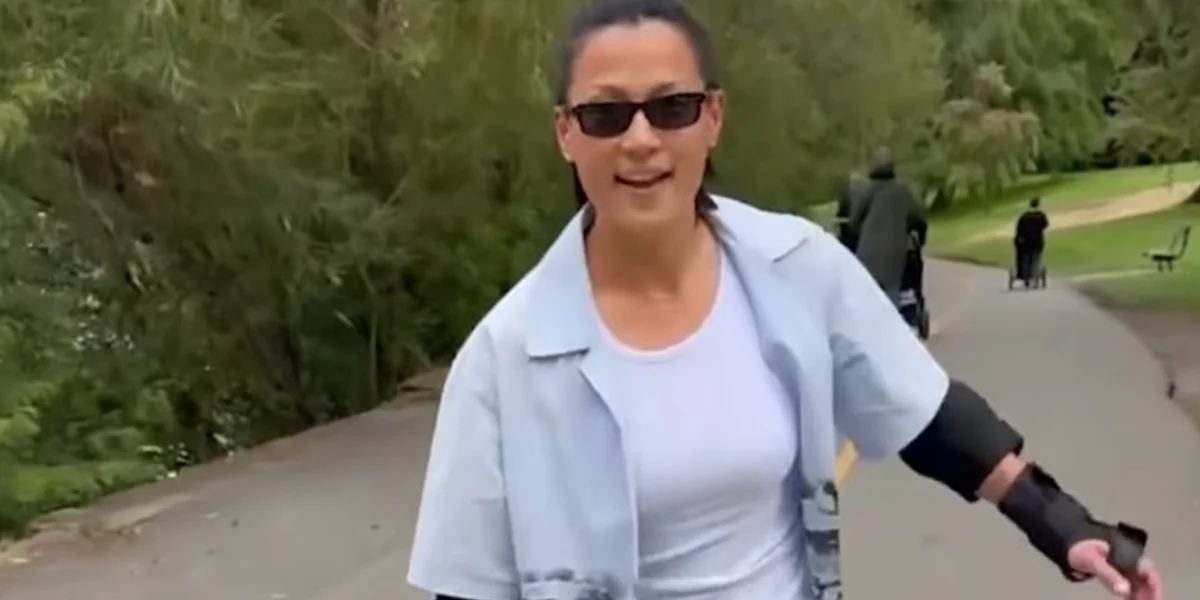
Melissa King, widely known as Chef Mel, represents a pivotal shift in the culinary world, where queer identity and professional excellence are increasingly showcased as complementary rather than separate entities. King’s recent digital presence, which often balances high-production culinary content with candid personal aesthetic choices, serves as a case study in the "lifestyle brand" evolution. Since winning Top Chef: All-Stars and serving as a judge on subsequent seasons, King has utilized social media to maintain a constant connection with a demographic that values both technical skill and authentic queer representation.
The culinary industry has historically been dominated by heteronormative standards, but the rise of figures like King has disrupted this hierarchy. Her engagement with her audience—often characterized by a mix of professional expertise and a distinctive personal style—contributes to a broader normalization of queer women in high-stakes professional environments. This digital strategy is not merely about food; it is about the visibility of the queer Asian-American experience in spaces where such voices were previously marginalized.
High-Fashion Endorsements and the Commercialization of Queer Aesthetics
The inclusion of high-profile models and queer icons in luxury brand campaigns remains a significant metric for measuring societal acceptance and market value. Recent activity surrounding Stella Maxwell and luxury skincare brands like La Mer illustrates the ongoing integration of queer figures into the elite tiers of global marketing. When a celebrity like Maxwell participates in a Stella ad campaign, it evokes a historical timeline of fashion’s relationship with the LGBTQ+ community—a relationship that has moved from subcultural inspiration to mainstream market dominance.
Market data suggests that the "Pink Pound" or "Rainbow Economy" is a formidable force, with the global LGBTQ+ community’s collective spending power estimated at approximately $3.9 trillion. Brands like La Mer and Stella McCartney are increasingly aware that visibility is no longer a niche requirement but a mainstream necessity. However, the transition of queer celebrities into "spon-con" (sponsored content) creators also brings challenges regarding the balance between authenticity and commercial interests. The professional analysis of these partnerships indicates that audiences are more likely to engage with endorsements when they feel integrated into the celebrity’s established digital persona rather than appearing as a disconnected advertisement.
Advocacy and Resilience in Professional Athletics
Megan Rapinoe’s digital presence continues to be a focal point for discussions on bravery and resilience within the sporting world. Rapinoe, who has become a symbol of both athletic excellence and political activism, uses her platform to navigate the complexities of public life as an out queer athlete. Her recent posts, often described by observers as displays of "bravery," reflect the ongoing struggle for equity in women’s sports and the protection of LGBTQ+ rights.
The chronology of Rapinoe’s career—from her early days in the NWSL to her pivotal role in the U.S. Women’s National Team’s fight for equal pay—shows a consistent use of media to advance social causes. For Rapinoe, social media is a tool for direct advocacy, allowing her to frame her narrative without the filters of traditional sports journalism, which has at times been critical of her outspoken nature. The implications of this are profound, as it provides a blueprint for younger athletes to embrace their identities while pursuing professional careers.
The Cultural Impact of Black Queer Icons: Janelle Monáe and Missy Elliott
The digital interactions of icons like Janelle Monáe and Missy Elliott serve as vital touchstones for the intersectional queer community. Monáe’s recent advocacy for "dance breaks" and joy as a form of resistance aligns with her broader artistic evolution, particularly seen in her latest musical eras which celebrate non-binary identity and Black queer pleasure. Monáe’s shift from the more guarded "android" persona of her early career to a more transparent, celebratory digital presence reflects a growing trend of "radical joy" in queer media.
Simultaneously, the reverence shown to Missy Elliott by the queer community underscores the rapper’s long-standing status as a queer-coded or queer-adjacent icon who has influenced fashion, music, and performance art for decades. Elliott’s inclusion in the Rock & Roll Hall of Fame and her continued relevance in digital spaces highlight the enduring legacy of artists who push the boundaries of gender and genre. The reaction to their digital presence is often one of deep emotional resonance, as they provide a sense of historical continuity for a community that has often seen its history erased.
New Media Frontiers: Podcasting and Digital Broadcasting
The rise of TS Madison in the digital broadcasting space represents the frontier of queer media. Madison’s podcast and digital show have become essential platforms for "iconic pairings," bringing together diverse voices from across the entertainment spectrum. As a Black transgender woman who built her empire through independent digital platforms before transitioning to mainstream television and film, Madison’s trajectory is a testament to the power of self-made digital visibility.
The success of her media ventures provides critical data on the viability of queer-centric content. Her ability to secure high-profile guests and maintain a loyal, highly engaged audience demonstrates that there is a significant market for content that centers the transgender experience without catering to the "cisgender gaze." This shift is indicative of a broader move toward decentralized media, where creators of color and queer creators can own their intellectual property and control their distribution.
Chronology of Queer Digital Visibility
- The Early 2000s: LGBTQ+ visibility was largely confined to specific "coming out" episodes on television or niche print publications. Digital presence was limited to early forums and blogs.
- 2010-2015: The "Social Media Boom" allowed celebrities to begin coming out on platforms like Twitter and Instagram, bypassing traditional magazine exclusives. This era saw the rise of the first generation of "out" digital influencers.
- 2016-2020: A shift toward intersectionality. Figures like Janelle Monáe and Megan Rapinoe began using their platforms not just for visibility, but for specific political and social advocacy.
- 2021-Present: The normalization of the "Queer Lifestyle Brand." High-fashion sponsorships, multi-million dollar podcast deals (TS Madison), and mainstream culinary success (Melissa King) indicate that queer identity is now a central pillar of the global influencer economy.
Broader Implications and Societal Impact
The professionalization of queer celebrity social media has significant implications for both the media industry and the general public. Firstly, it provides a more nuanced representation of LGBTQ+ lives, moving beyond the "struggle narratives" that dominated 20th-century media. By showcasing friendships, career milestones, and daily routines, these celebrities contribute to a "normalization" process that can reduce stigma and foster empathy.
Secondly, the economic power of these figures is forcing a shift in corporate behavior. Brands can no longer engage in "rainbow washing" during Pride Month without facing scrutiny from the very influencers they seek to hire. The demand for authentic, year-round representation is now a standard requirement for many queer celebrities when signing endorsement deals.
Finally, the digital space serves as a crucial archive for queer history. In an era where LGBTQ+ rights are frequently debated in political spheres, the documented lives and successes of figures like Missy Elliott, TS Madison, and Megan Rapinoe provide a permanent record of resilience and achievement. As these celebrities continue to "grip it and rip it" in the digital realm, they are not just posting content; they are constructing a new cultural architecture for future generations.