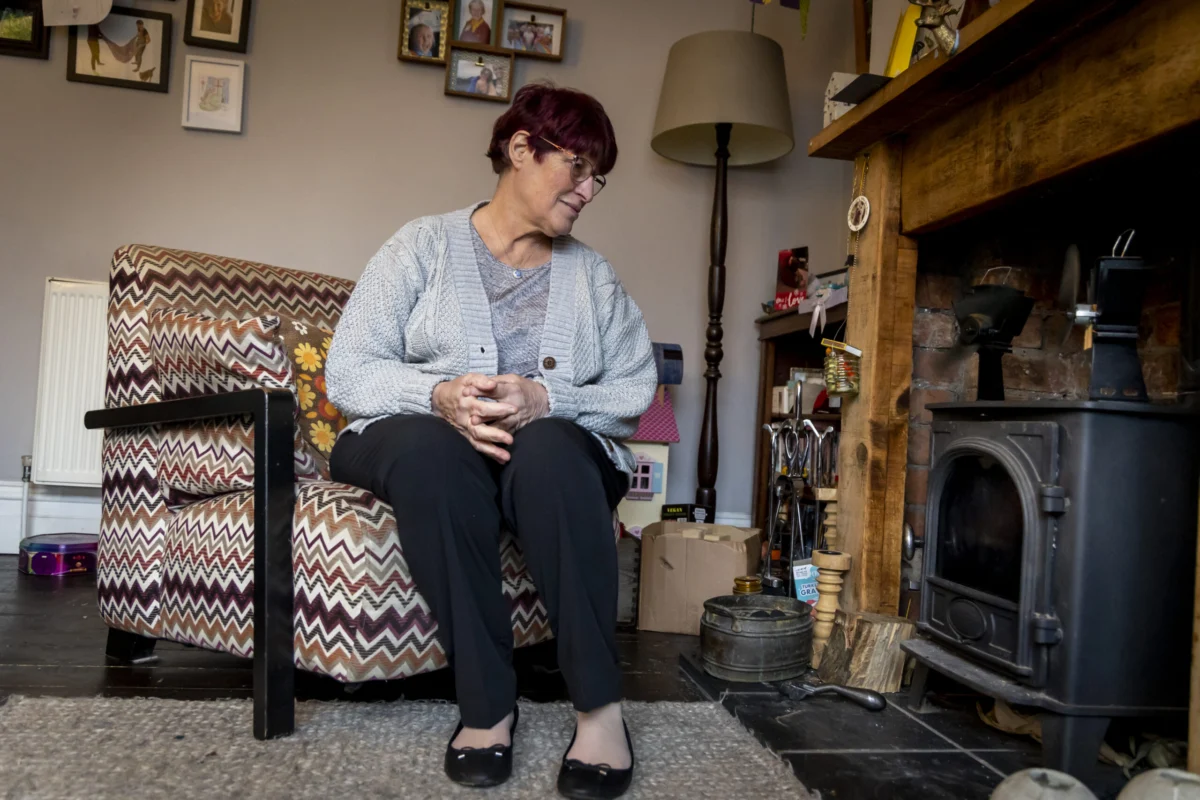
The advocacy organization Age Action has issued a stark warning to Ireland’s political leadership, asserting that the nation is ill-prepared for a significant demographic transition that will see the population of older persons grow by hundreds of thousands over the next two decades. Dr. Nat O’Connor, Senior Policy Adviser at Age Action, highlighted that while Ireland currently has over 1.1 million people aged 60 or older, the political system has yet to produce a comprehensive, all-of-government plan to address the evolving needs of this group. With a general election on the horizon, the organization is calling for immediate commitments from all political parties to prioritize aging as a central pillar of national policy.
According to data released by the organization, the period between 2025 and 2029—the projected lifetime of the next government—will see an additional 135,000 people enter the 60-plus age bracket. Of this number, approximately 47,000 will be aged 80 or older. This immediate surge represents only the beginning of a long-term trend. By 2044, Age Action projects there will be 757,000 more people aged 60 and older than there are today, including a quarter of a million more people aged 80 and older. Dr. O’Connor emphasized that the current lack of urgency in political manifestos fails to account for the years required to build essential infrastructure, such as hospitals, and to recruit the healthcare professionals necessary to sustain an aging society.
The Call for a Commissioner for Ageing and Older Persons
Central to Age Action’s list of demands is the establishment of a Commissioner for Ageing and Older Persons. This proposed office would be an independent body, equipped with a legal framework and a dedicated budget, designed to ensure that older people are treated with dignity and fairness. The proposal draws direct inspiration from successful models already operational in Northern Ireland and Wales.
Currently, Ireland lacks a centralized state office or body specifically responsible for the welfare and strategic planning of the aging population. Proponents of the Commissioner role argue that such an office would fill a critical gap in the state’s administrative structure, providing a voice for older persons who frequently report feeling marginalized or ignored in the political process. The Commissioner would serve as a watchdog and a strategic advisor, ensuring that every department of government considers the "aging lens" when drafting legislation or allocating resources.
Economic Security and Pension Reform
The financial stability of older persons has emerged as a primary concern, particularly in the wake of the recent cost-of-living crisis. Age Action reports that inflation has significantly eroded the spending power of the State Pension, leaving many older individuals living near or below the poverty line. Unlike younger cohorts who may have the opportunity to increase their earnings through career progression or additional hours, those in retirement are often on a fixed income with limited means of adjustment.
To address this, Age Action is advocating for the benchmarking and indexing of the State Pension. The proposal suggests passing a law to ensure the pension rate remains at a minimum of 34% of total average earnings. By indexing the pension to wages, the government would provide older citizens with the certainty that their income will keep pace with the broader economy. This approach, which is already standard practice in several other European nations, is viewed as a necessary step to maintain the State Pension as a reliable bedrock of income in later life.
Ending Mandatory Retirement and Ageism in the Workforce
A significant legislative hurdle identified by advocates is the prevalence of mandatory retirement clauses in employment contracts. Age Action is calling for the abolition of these practices, which typically force individuals to leave their positions at age 65 regardless of their health, capability, or desire to continue working.
The organization argues that mandatory retirement is a form of legally permitted age discrimination. By removing these barriers, Ireland would allow citizens the option to remain in or re-enter the workforce, supporting those who wish to stay active and financially independent. This shift is seen as essential for both individual rights and the national economy, as it retains experienced talent within the labor market during a period of shifting demographics.
Healthcare Infrastructure and the Care Strategy
The demand for a robust, universal healthcare system remains a cornerstone of Age Action’s platform. The organization is calling for a system that is fully accessible, tax-funded, and free at the point of use. This aligns with broader calls for the full implementation of Sláintecare, Ireland’s planned ten-year program to transform health and social care services.
In addition to general healthcare, Age Action highlights the need for a specialized care strategy based on human rights. This strategy would aim to improve and harmonize care options, moving away from a fragmented system and toward one that offers consistent support across the country. A key component of this is the concept of "aging in place," which prioritizes policies that allow individuals to remain in their own homes and communities for as long as possible. This requires the enforcement of universal design principles for all new residential builds and increased protections for older persons in the rental sector.
Digital Inclusion and Climate Justice
As public and private services increasingly migrate to "digital only" platforms, a significant portion of the older population faces the risk of exclusion. Age Action is campaigning for a prohibition on digital-only services, insisting that traditional alternatives, such as telephone and in-person desk services, must be adequately resourced. While the organization supports funding for digital skills training, it maintains that access to publicly funded services should be a right that does not depend on technological literacy or internet access.
Furthermore, the organization has introduced the concept of climate justice for older persons. They are calling for an "Energy Guarantee for Older Persons" payment, specifically targeting those living in poorly insulated homes or on lower incomes. This measure is intended to protect vulnerable citizens from the impacts of rising energy costs and the physical risks associated with cold housing, ensuring that the transition to a greener economy does not leave older people behind.
Chronology of the Demographic Transition
The demographic shift facing Ireland is not a sudden event but a gradual progression that has been documented in various census reports and actuarial reviews over the last decade.
- 2024 (Current State): Ireland’s population over 60 exceeds 1.1 million. The state pension remains subject to annual budget negotiations rather than a fixed indexing formula.
- 2025–2029 (The Next Government): An estimated 135,000 additional people will reach the age of 60. This period is critical for laying the legislative groundwork for the Commissioner for Ageing and pension reform.
- 2030–2040 (The Acceleration Phase): As the "baby boomer" generation reaches older age, the demand for home care, specialized medical services, and accessible housing is expected to peak.
- 2044 (The Long-term Horizon): The population over 60 is projected to be 757,000 larger than current levels. By this stage, the success or failure of today’s planning will be evident in the quality of life of nearly 2 million citizens.
Political Context and Manifesto Analysis
In preparation for the upcoming general election, Age Action conducted a review of the manifestos of six major political parties. The review found that while most parties acknowledge the aging population, there is a distinct lack of "all-of-government" strategic planning. Many manifestos offer piecemeal solutions—such as small increases to the pension or localized healthcare initiatives—rather than the comprehensive overhaul suggested by Age Action.
The organization’s "ten asks" serve as a benchmark for voters to evaluate party commitments. These asks include the appointment of a Commissioner, the indexing of pensions, the abolition of mandatory retirement, a national aging strategy, universal healthcare, energy guarantees, digital inclusion, a rights-based care strategy, support for aging in place, and the introduction of a UN Convention on the Rights of Older Persons.
Broader Impact and Implications
The implications of Ireland’s aging demographic extend far beyond social welfare. Economically, a failure to plan for this transition could lead to increased pressure on the national budget due to rising healthcare costs and a shrinking ratio of workers to retirees. However, if managed correctly, the "silver economy" presents opportunities for growth in sectors such as specialized housing, medical technology, and lifelong education.
Socially, the establishment of a Commissioner and the adoption of a UN Convention on the Rights of Older Persons would signal a shift in how Irish society values its elders. By moving from a model of "dependency" to one of "rights and participation," the state can ensure that the demographic transition is viewed not as a burden, but as a testament to the success of modern medicine and improved living standards.
As the election campaign intensifies, Age Action continues to urge all political candidates to move beyond rhetoric. The organization maintains that the "simple solution" of benchmarking and indexing pensions, combined with structural changes like the Commissioner’s office, would provide the certainty and dignity that Ireland’s older generation deserves. With the 2044 projections looming, the decisions made by the next government will likely determine the social fabric of the nation for the mid-21st century.