The convergence of social media engagement, high-profile music festivals, and the shifting landscape of queer visibility has created a unique cultural moment in the spring of 2024, characterized by a blend of traditional celebrity branding and authentic digital storytelling. As the entertainment industry transitions into the late spring season, several key figures within the LGBTQ+ community have utilized digital platforms to redefine their public personas, moving away from curated perfection toward a more relatable, often irreverent, form of engagement. This shift is particularly evident in the recent activities of performers such as Megan Stalter, Kristen Stewart, and PinkPantheress, whose presence at major cultural touchpoints like Coachella and various independent creative projects illustrates the modern intersection of niche internet fame and mainstream cultural influence.
The Cultural Significance of the 2024 Spring Festival Season
The month of April serves as a pivotal period for the entertainment industry, marked by the Coachella Valley Music and Arts Festival and the transition into "Taurus season," a period often associated in popular culture with themes of luxury, stability, and aesthetic focus. For queer celebrities, this period represents a strategic opportunity to engage with fans through visual media and behind-the-scenes content.
Coachella 2024, held over two weekends in Indio, California, saw a significant representation of LGBTQ+ artists and attendees. The festival has increasingly become a laboratory for celebrity branding, where the "festival look" is as much a part of the professional output as the performances themselves. Industry analysts note that social media impressions during these two weeks can account for a substantial percentage of an artist’s annual digital reach. Megan Stalter, a comedian and actress known for her role in the HBO series Hacks, emerged as a central figure during this period, leveraging her signature brand of absurdist humor to navigate the often-earnest world of high-fashion festival attendance.
Megan Stalter and the Rise of Alt-Comedy in Mainstream Spaces
The career trajectory of Megan Stalter provides a case study in how alternative comedy performers are being integrated into broader entertainment and fashion spheres. Stalter’s presence at high-profile events and her interactions with figures like Sadie Sandler—the daughter of Adam Sandler and a rising talent in her own right—highlight a democratization of "charisma" in the digital age.
While traditional celebrity structures often relied on a sense of untouchable glamour, Stalter’s appeal is rooted in a performative "unhinged" persona that resonates with Gen Z and Millennial demographics. Her involvement in projects with contemporary musicians like PinkPantheress demonstrates a cross-pollination of talent. PinkPantheress, a British singer-songwriter who rose to fame via TikTok, represents the new guard of pop stardom that prioritizes atmospheric, sample-heavy production and a distinct, often internet-centric aesthetic. The collaboration between such figures suggests a strategic alignment intended to capture the attention of digital-native audiences who value authenticity and self-deprecation over traditional polished marketing.
Independent Creative Collaborations: The 4/20 Digital Short Film
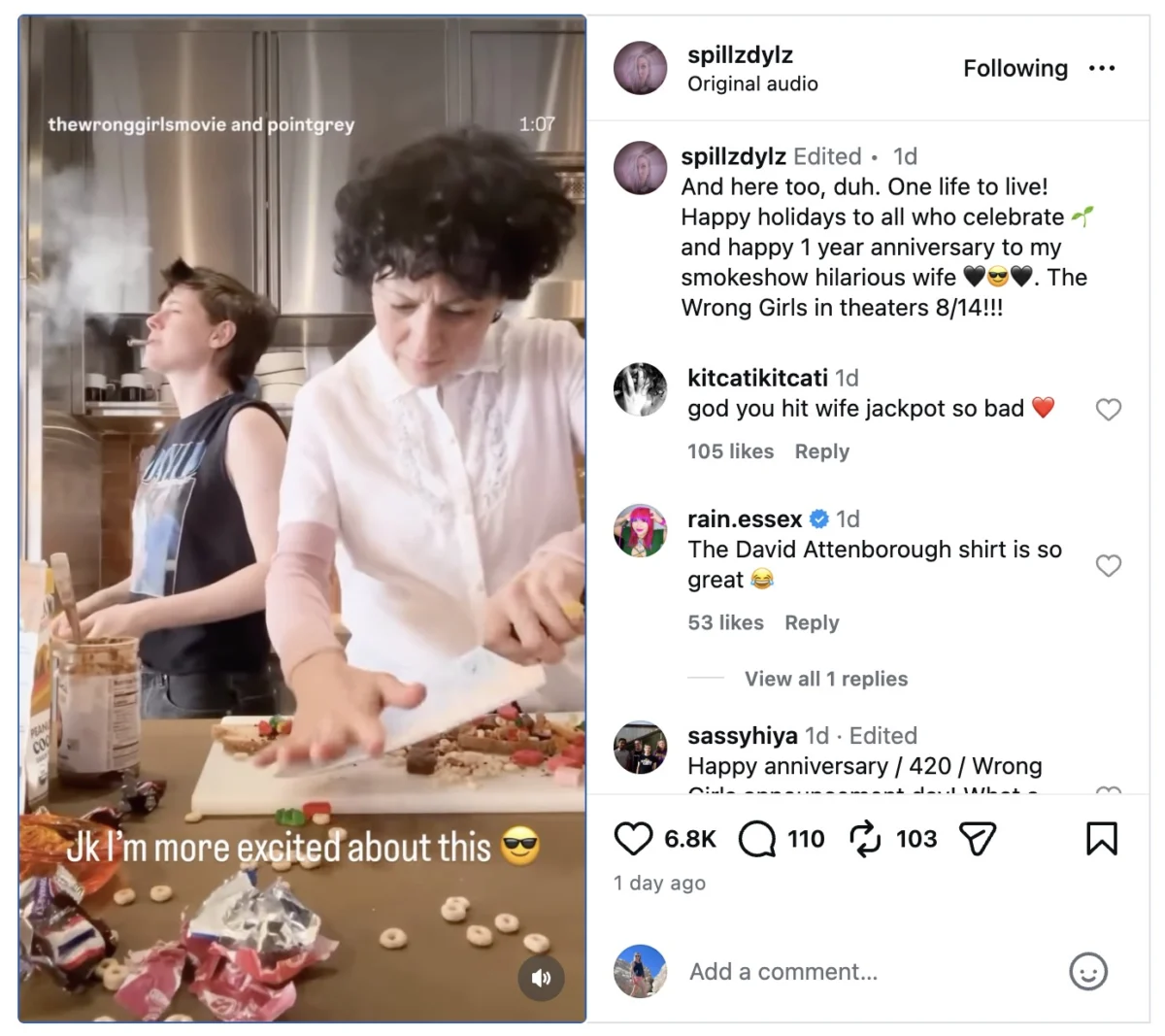
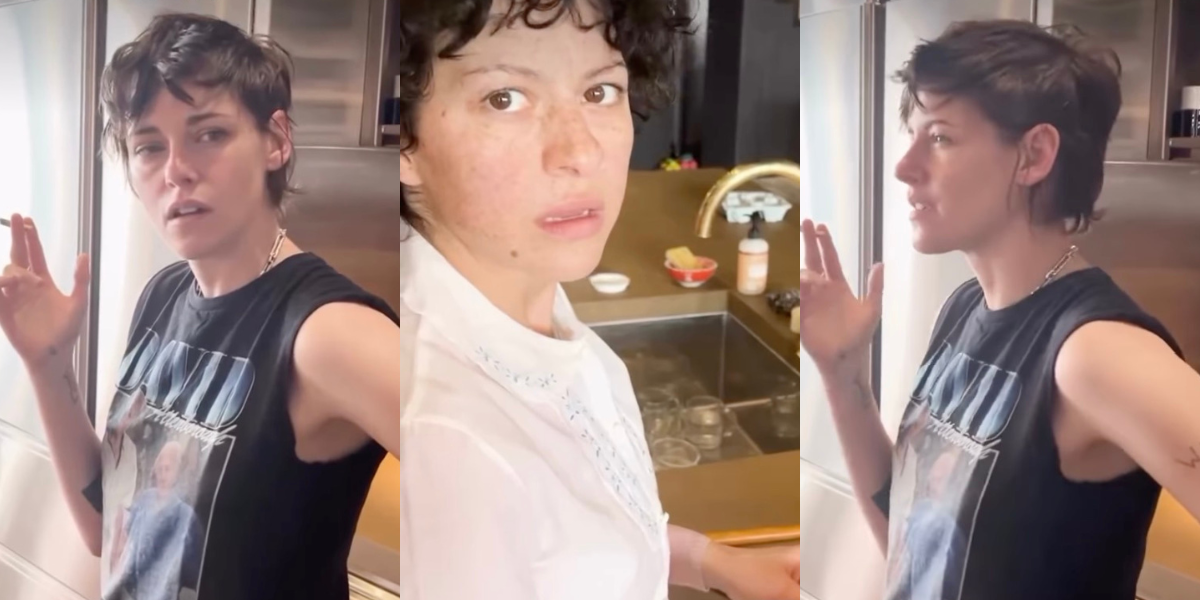
On April 20, a date traditionally associated with cannabis culture, actors Kristen Stewart and Alia Shawkat released a short film project via social media platforms. Stewart, an Academy Award nominee, and Shawkat, known for her work in Arrested Development and Search Party, have both become prominent icons within the queer community. Their collaboration marks a growing trend where established actors bypass traditional distribution networks to release experimental or low-stakes creative content directly to their followers.
This move is reflective of a broader shift in Hollywood. As the industry grapples with the changing economics of streaming and theatrical releases, many performers are seeking creative autonomy through short-form digital content. The Stewart-Shawkat project, while informal in its presentation, serves as a significant marker of queer creative synergy. It reinforces the idea that for modern celebrities, maintaining a "cool factor" involves participating in niche cultural moments that feel organic rather than corporate-sponsored.
The Nostalgia Cycle and the Power of Millennial Icons
The 2024 spring season has also been characterized by a resurgence of interest in mid-2000s pop culture icons, a phenomenon often referred to as the "nostalgia cycle." The mention of Jesse McCartney and his 2004 hit "Beautiful Soul" within queer digital spaces highlights how former teen idols are being reclaimed and celebrated by adult audiences.
This trend is not merely sentimental; it has measurable economic impacts. According to data from music streaming platforms, legacy hits from the early 2000s often see significant spikes in listenership when they are featured in viral social media content or referenced by current influencers. This "nostalgia bait" serves to bridge the gap between different age demographics, allowing younger fans to discover older catalogs while providing a sense of comfort and familiarity to older millennials.
Similarly, the ongoing cultural presence of figures like Lisa Rinna and Jenna Lyons illustrates the enduring power of the "lifestyle icon." Lyons, the former creative director of J.Crew and a current star of The Real Housewives of New York City, has successfully transitioned from a corporate fashion executive to a queer media personality. Her influence extends beyond television, affecting trends in interior design, personal styling, and professional branding for queer women.
Chronology of Key Events: April 2024
To understand the current landscape, it is necessary to examine the timeline of cultural events that shaped the digital discourse throughout the month:
- April 12–14: Coachella Weekend One commences. Celebrities and influencers flood Instagram and TikTok with curated "outfits of the day" (OOTDs), setting the tone for spring fashion trends.
- April 19–21: Coachella Weekend Two takes place. This weekend is often noted for more relaxed performances and a higher concentration of industry insiders.
- April 20: The unofficial "4/20" holiday sees a surge in alternative content, including the Stewart-Shawkat short film.
- April 21: The official start of "Taurus Season" in the zodiac calendar, triggering a wave of astrology-based marketing and social media posts.
- Late April: Comedians and actors begin the promotional cycle for late-spring television premieres, including the third season of Hacks, further elevating the profiles of performers like Megan Stalter.
Supporting Data: The Impact of Queer Visibility
The visibility of queer celebrities during this period is backed by shifting consumer data. A 2023 report by GLAAD noted that LGBTQ+ inclusion in media is at an all-time high, though the "quality and depth" of that representation remains a point of discussion. In the digital realm, queer influencers and celebrities often see higher engagement rates (likes, comments, and shares) compared to their heteronormative counterparts, largely due to the highly mobilized and loyal nature of the LGBTQ+ fan base.
Furthermore, the "pink pound" (the purchasing power of the LGBTQ+ community) continues to be a major driver for brands during the spring and summer months. Companies that align themselves with figures like Stalter or Lyons during the pre-Pride season (April and May) often see a more favorable brand sentiment than those that only engage in "rainbow washing" during the month of June.
Broader Implications for the Entertainment Industry
The shift toward the "unfiltered" celebrity persona—as seen in the "No Filter" style of reporting and the social media habits of the stars themselves—has several long-term implications for the entertainment industry:
- The Decline of the "Gatekeeper": When actors like Kristen Stewart can release a film directly to Instagram, the power of traditional studios and publicists is bypassed. This allows for a more direct and authentic connection with the audience.
- The Professionalization of "Relatability": Being "relatable" or "messy" is no longer a liability for a celebrity; it is a marketable asset. Comedians who can navigate high-fashion spaces while making fun of the absurdity of those spaces are increasingly in demand for brand partnerships.
- The Integration of Niche and Mainstream: The distinction between an "internet celebrity" and a "movie star" is continuing to blur. Success in one realm is now almost entirely dependent on maintaining a presence in the other.
- Aesthetic Diversity: The prominence of queer women in fashion and comedy is challenging traditional beauty standards. The "thoughtful lounging" and "absurdist looks" championed by figures like Stalter offer an alternative to the highly polished, filtered aesthetic that dominated the previous decade.
In conclusion, the spring of 2024 represents a maturation of queer celebrity culture. It is a period defined not just by presence, but by a sophisticated understanding of how to use digital platforms to project personality, foster community, and influence broader cultural trends. As the industry moves toward the summer months, the groundwork laid during this "Taurus season" of festivals and digital experimentation will likely dictate the next wave of entertainment and fashion innovations.