Disability advocates are expressing alarm and strong disapproval following recent statements by top federal health officials that suggest Medicaid’s home and community-based services (HCBS) program is being exploited to pay family members for care that should be provided gratuitously. U.S. Secretary of Health and Human Services Robert F. Kennedy Jr. and Centers for Medicare and Medicaid Services (CMS) Administrator Mehmet Oz have publicly voiced concerns about potential fraud within Medicaid waiver programs, specifically targeting situations where family members receive payment for providing care to individuals with disabilities and aging relatives.
These remarks, delivered in recent testimonies and public statements, have ignited a firestorm among organizations representing individuals with disabilities and their caregivers. Advocates argue that these comments not only mischaracterize the vital role of HCBS but also risk devaluing the complex and essential work performed by caregivers, many of whom are family members. The timing of these statements is particularly sensitive, coinciding with ongoing discussions about potential cuts to Medicaid funding and increasing scrutiny of federal benefit programs.
Officials Highlight Fraud Concerns in Medicaid Waivers
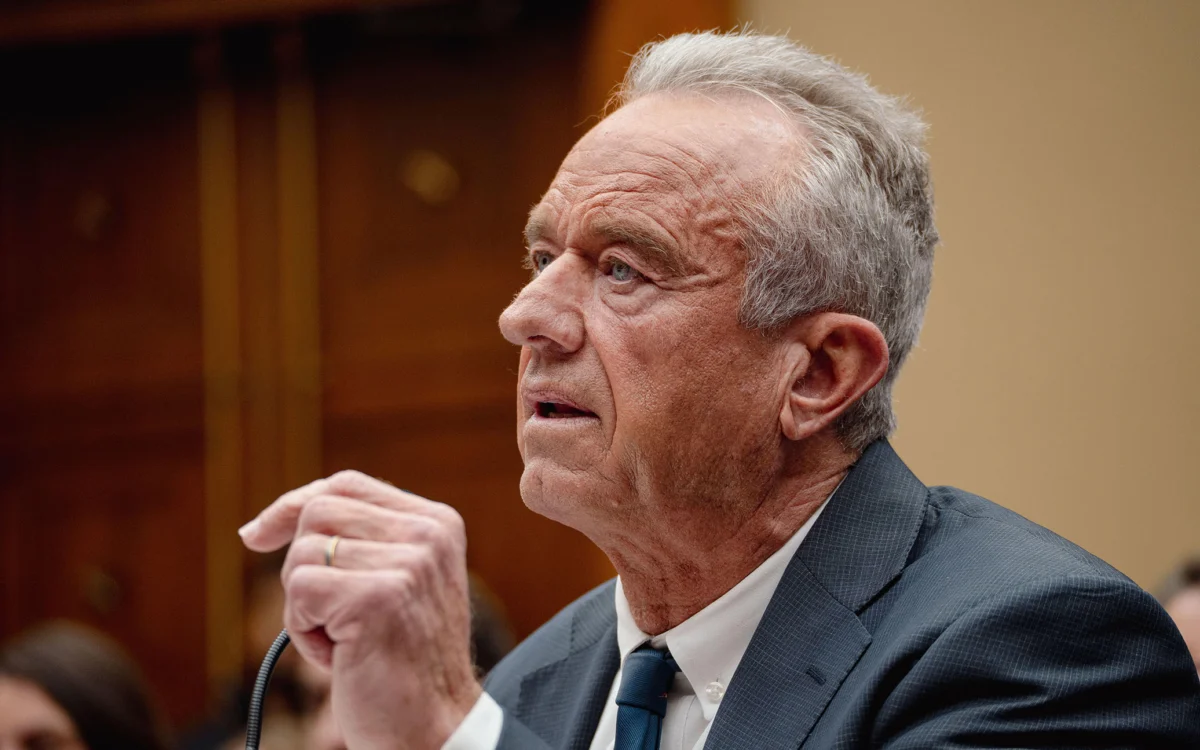
Secretary Kennedy, during a recent appearance before lawmakers on Capitol Hill, articulated his concerns regarding the administration of Medicaid waiver programs. He stated, "The waivers allow people, family members who are taking care of an elderly parent to get paid for balancing the checkbook, for picking up the groceries, for driving somebody to a doctor’s appointment." He further elaborated, "These are family members who are getting paid to do things that they used to do as family members for free. This is rife with fraud because we have no way at CMS to determine whether they actually perform that duty or not. We don’t know whether you drove your grandmother to a doctor’s office."
These sentiments were echoed by CMS Administrator Mehmet Oz. In a recent social media video, Oz described personal care services as assisting "Medicaid patients do something that our families would normally do for us, like carrying groceries." The implication in both statements is that a portion of HCBS funding is being inappropriately diverted to family members for tasks that fall within the natural scope of familial responsibility, rather than for the specialized and often intensive care that many individuals with disabilities require.
Advocates Push Back Against "Undervaluation" of Caregiving
The statements from these high-ranking federal officials have been met with swift and forceful opposition from disability advocacy groups. Barbara Merrill, CEO of the American Network of Community Options and Resources (ANCOR), an organization representing disability service providers nationwide, characterized the comments as "deeply concerning."
"The undervaluing of HCBS demeans the very real, complex and difficult work that caregivers – whether paid or unpaid – provide," Merrill stated. She specifically took issue with the underlying implication that "family members should remain out of the workforce to care for a loved one or relative." This perspective, she argued, fails to acknowledge the significant financial and personal sacrifices many families already make to ensure their loved ones receive necessary support.
Katy Neas, CEO of The Arc of the United States, echoed Merrill’s concerns, emphasizing that the remarks from Kennedy and Oz misrepresent the purpose of HCBS and overlook the realities faced by individuals with disabilities and their families. "We can all agree that protecting the integrity of the programs that provide these supports is important," Neas said. "But making broad and unsupported claims that HCBS, particularly services delivered by family caregivers, are ‘rife with fraud’ puts adults and children with disabilities, and their families, at risk of losing the help they need to live in the community. For many families, a family member is not just often a preferred caregiver. They are the only reliable option."
Context of Increased Scrutiny on Federal Benefits
These comments from federal health officials emerge within a broader context of intensified scrutiny on federal benefit programs. In the preceding month, President Donald Trump established a task force aimed at "combatting widespread fraud, waste, and abuse in federal benefit programs." Concurrently, CMS has initiated healthcare fraud investigations across multiple states. Administrator Oz has also announced new expectations for all states as part of these anti-fraud efforts, signaling a heightened focus on program integrity.
This intensified focus on fraud also coincides with significant legislative developments that could profoundly impact the landscape of disability services. Lawmakers in several states are reportedly considering scaling back home and community-based services. This consideration is occurring in anticipation of the fiscal ramifications of the "One Big Beautiful Bill Act," a piece of legislation championed by Republicans and passed by Congress the previous summer. This act is projected to reduce federal Medicaid spending by nearly $1 trillion, creating budgetary pressures that could lead to cuts in essential services.
The Nuances of Home and Community-Based Services
Home and community-based services (HCBS) are a critical component of the Medicaid program, offering an alternative to institutional care for individuals with disabilities and aging adults. These services aim to enable individuals to live independently and participate fully in their communities. They encompass a wide range of supports, including personal care, respite care, assistive technology, and home modifications, as well as non-medical services like transportation, meal preparation, and household chores.
For many individuals with significant disabilities, the support provided by HCBS is not merely supplementary but foundational to their ability to function and thrive outside of an institutional setting. The availability of paid caregivers, including family members, is often the only means by which these individuals can receive consistent, personalized care tailored to their specific needs and preferences.
The Role of Family Caregivers
Family caregivers play an indispensable role in the long-term care system, often providing extensive support without compensation. When family members are compensated through Medicaid waivers, it acknowledges the economic and personal burden of their caregiving responsibilities. This compensation can enable them to dedicate more time to caregiving, offset lost income from reduced work hours, and access necessary training or support to provide high-quality care.
The argument that family members should provide such care "for free" often overlooks several critical factors:
- Economic Viability: Many family members are primary or sole breadwinners. The demands of intensive caregiving can necessitate reducing work hours or leaving the workforce entirely, leading to significant financial strain. Compensation through Medicaid waivers can mitigate some of this economic hardship.
- Specialized Skills: While some tasks might seem routine, providing care for individuals with complex medical needs or significant functional limitations often requires specialized skills, training, and immense physical and emotional resilience.
- Caregiver Burnout: The relentless nature of caregiving, particularly for individuals with severe disabilities, can lead to profound physical and emotional exhaustion, known as caregiver burnout. Paid respite care, often provided by family members themselves, can offer crucial relief.
- Individual Choice and Dignity: For individuals with disabilities, having a trusted family member as a caregiver can be a source of comfort and security. However, it is also important to ensure that care decisions are made with the individual’s autonomy and preferences in mind.
Addressing Fraud While Protecting Essential Services
While the federal government has a legitimate interest in safeguarding taxpayer dollars and ensuring the integrity of its programs, disability advocates argue that broad accusations of fraud can have detrimental consequences. The risk of losing essential services due to an overemphasis on potential fraud is a significant concern.
"The focus on fraud, while important, should not overshadow the critical need for these services," stated a representative from a national disability rights organization who preferred to remain anonymous to avoid potential repercussions. "Many individuals with disabilities rely on these programs for their very safety and well-being. Any policy changes or increased oversight must be implemented with a clear understanding of the impact on those who depend on them."
Data from the U.S. Department of Health and Human Services consistently highlights the significant unmet need for long-term services and supports. In 2022, over 7.5 million individuals received long-term services and supports through Medicaid, underscoring the program’s central role in supporting vulnerable populations. The rise in the aging population and the increasing prevalence of chronic conditions further amplify the demand for these services.
The debate over family caregiver payments within Medicaid waivers highlights a fundamental tension between ensuring fiscal responsibility and upholding the rights and needs of individuals with disabilities. Advocates stress that rather than questioning the legitimacy of family caregiving, the focus should be on ensuring robust oversight mechanisms that prevent actual fraud without dismantling the support structures that enable individuals to live with dignity and independence in their communities.
Implications for the Future of Disability Support
The statements from Secretary Kennedy and Administrator Oz, coupled with the ongoing efforts to combat fraud and potential Medicaid cuts, raise significant questions about the future of home and community-based services. If the narrative around family caregiving continues to be framed primarily through a lens of potential abuse, it could lead to:
- Stricter Eligibility Criteria: Making it more difficult for families to access payments for caregiving.
- Reduced Service Availability: States, facing budget constraints and pressure to tighten oversight, might reduce the scope or availability of HCBS.
- Increased Institutionalization: If community-based options become less accessible or affordable, individuals with disabilities may be forced into institutional settings, contrary to the goals of HCBS.
- Greater Strain on Unpaid Caregivers: Families who are already providing extensive unpaid care might face increased pressure and financial hardship if formal support systems are diminished.
Advocacy groups are urging federal officials to engage in a more nuanced dialogue that acknowledges the complexities of caregiving and the essential contributions of family members. They advocate for strengthened oversight and accountability measures that target genuine fraud without jeopardizing the livelihoods and independence of individuals with disabilities and their dedicated caregivers. The ongoing discussions surrounding HCBS underscore the critical need for sustained investment and policy frameworks that support, rather than undermine, the well-being of some of the nation’s most vulnerable citizens.