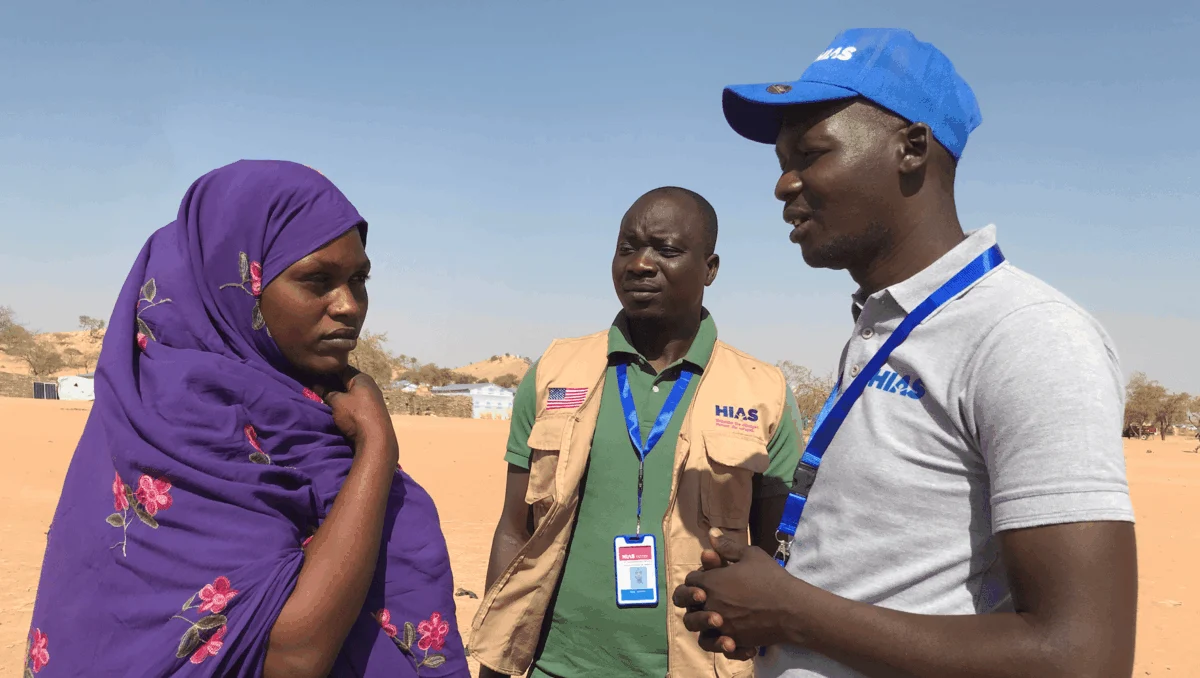
The escalating civil war in Sudan, which erupted in April 2023, has precipitated the world’s largest and most urgent humanitarian crisis, with nearly one million Sudanese individuals seeking refuge in neighboring Chad. This influx has strained Chad’s already limited resources, exacerbating an existing complex humanitarian landscape marked by decades of displacement and compounding the challenges faced by refugees and host communities alike. The situation is further complicated by significant reductions in international humanitarian aid, pushing vulnerable populations to the brink of survival. HIAS, an organization with over two decades of presence in Chad, continues its vital work to provide essential services to refugees, internally displaced persons (IDPs), and local communities amidst this escalating emergency.
The Escalating Refugee Crisis in Chad
Chad, a nation grappling with its own internal challenges, including widespread food insecurity and the lingering effects of climate change, now finds itself at the epicenter of a rapidly growing refugee crisis. The sheer volume of new arrivals from Sudan has overwhelmed the capacity of existing refugee camps and humanitarian services. The current wave of displacement from Sudan surpasses the combined numbers of Sudanese refugees who arrived in Chad over the previous two decades, highlighting the unprecedented scale and urgency of the current emergency.
This surge in refugee numbers is occurring against a backdrop of severe cuts to humanitarian funding. In early 2025, significant reductions in U.S. humanitarian aid, which historically constitutes a substantial portion of global aid to Chad, saw funding plummet from approximately $338 million in 2024 to $112 million in 2025 – a stark decrease of nearly 67 percent. These drastic cuts have had immediate and devastating consequences, leading to reduced food assistance, diminished healthcare services, and critical gaps in protection programs, particularly for survivors of sexual and gender-based violence.
Origins of Displacement and the Shifting Refugee Landscape
Chad has long been a country of asylum, hosting significant populations of refugees and internally displaced persons. The primary origins of these displaced individuals include Sudan, the Central African Republic (CAR), Nigeria, and Cameroon. These populations have arrived in Chad at different times since 2001, fleeing a complex mix of violence, political instability, persecution, and the escalating impacts of climate change.
However, the current humanitarian crisis is overwhelmingly dominated by the influx of Sudanese refugees. The conflict between the Sudanese government and the Rapid Support Forces (RSF) has displaced over 14 million people within Sudan, with a significant proportion seeking safety across its borders. Since mid-April 2023, more than 900,000 individuals have crossed into Chad, fleeing not only the widespread fighting but also renewed ethnic violence, particularly in the Darfur region. This influx places an immense burden on Chad, a country where over 40 percent of its own population already requires humanitarian assistance.
Chronology of the Sudan Crisis and its Impact on Chad:
- April 2023: The civil war erupts in Sudan between the Sudanese Armed Forces and the Rapid Support Forces (RSF).
- Mid-April 2023 onwards: Sudanese civilians begin fleeing the violence, with a significant number crossing into neighboring Chad.
- May 2023: Reports emerge of overwhelmed reception capacities and growing humanitarian needs along Chad’s eastern border.
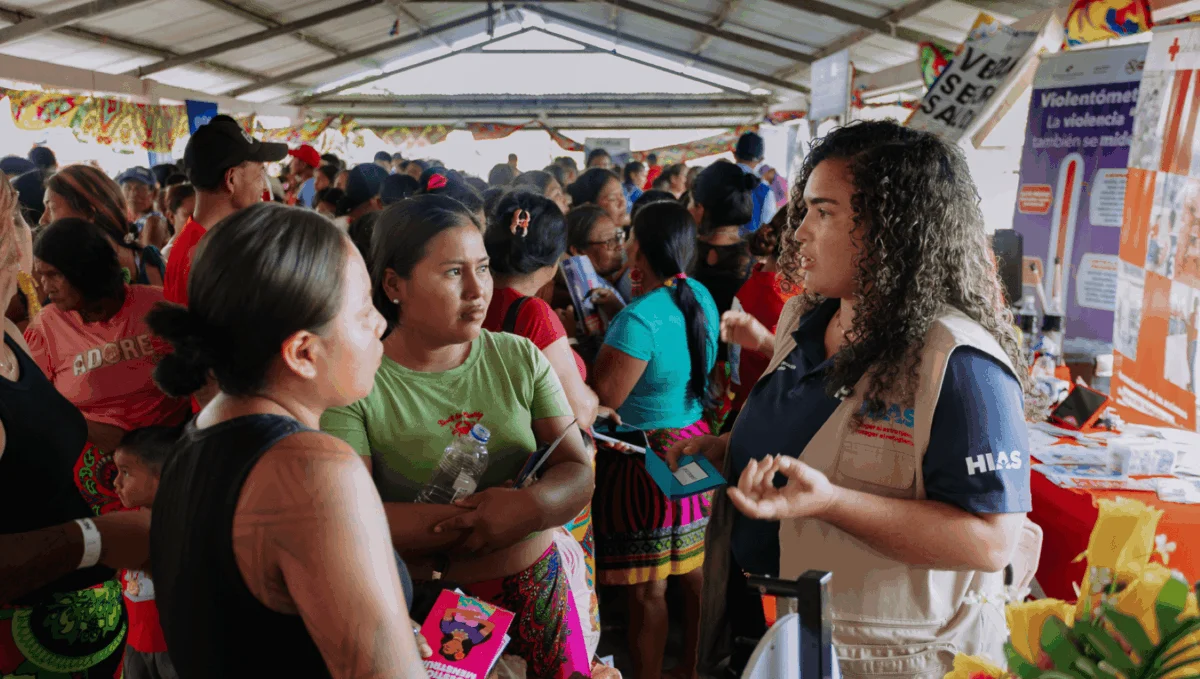
- June 2024: HIAS staff are documented assisting Sudanese refugees in the Aboutengué camp, illustrating ongoing efforts on the ground.
- Early 2025: The U.S. government announces significant cuts to global humanitarian aid, severely impacting funding for Chad.
- 2024-2025: Chad experiences recurring droughts and floods, exacerbating food insecurity and further straining resources. The government declares a food emergency for the third consecutive year in 2024.
- March 26, 2026 (Publication Date): This report highlights the sustained and worsening humanitarian crisis in Chad, emphasizing the dual pressures of continued refugee arrivals and diminished aid.
Multifaceted Challenges Faced by Displaced Populations
Refugees and displaced individuals in Chad confront a dire array of challenges. Access to adequate food and shelter remains a primary concern, with insufficient resources to meet the basic needs of the burgeoning population. Opportunities for sustainable livelihoods are scarce, forcing many into precarious situations. Women and girls are particularly vulnerable, facing heightened risks of violence, including sexual assault, both during their journeys and within the confines of refugee camps.
Beyond immediate survival needs, access to essential services such as healthcare, clean water, and education is severely limited for both refugees and their host communities. This lack of basic infrastructure leaves these populations highly susceptible to exploitation and dependent on fluctuating humanitarian aid. The recurring impact of extreme weather events, including droughts and floods, further devastates communities, eroding livelihoods and driving widespread food insecurity. In 2024, Chad was compelled to declare a food emergency for the third consecutive year, underscoring the persistent nature of this crisis. Despite these immense pressures, Chad has maintained an open-door policy for refugees for over two decades, demonstrating remarkable generosity in the face of its own limitations.
The Devastating Impact of Humanitarian Aid Cuts
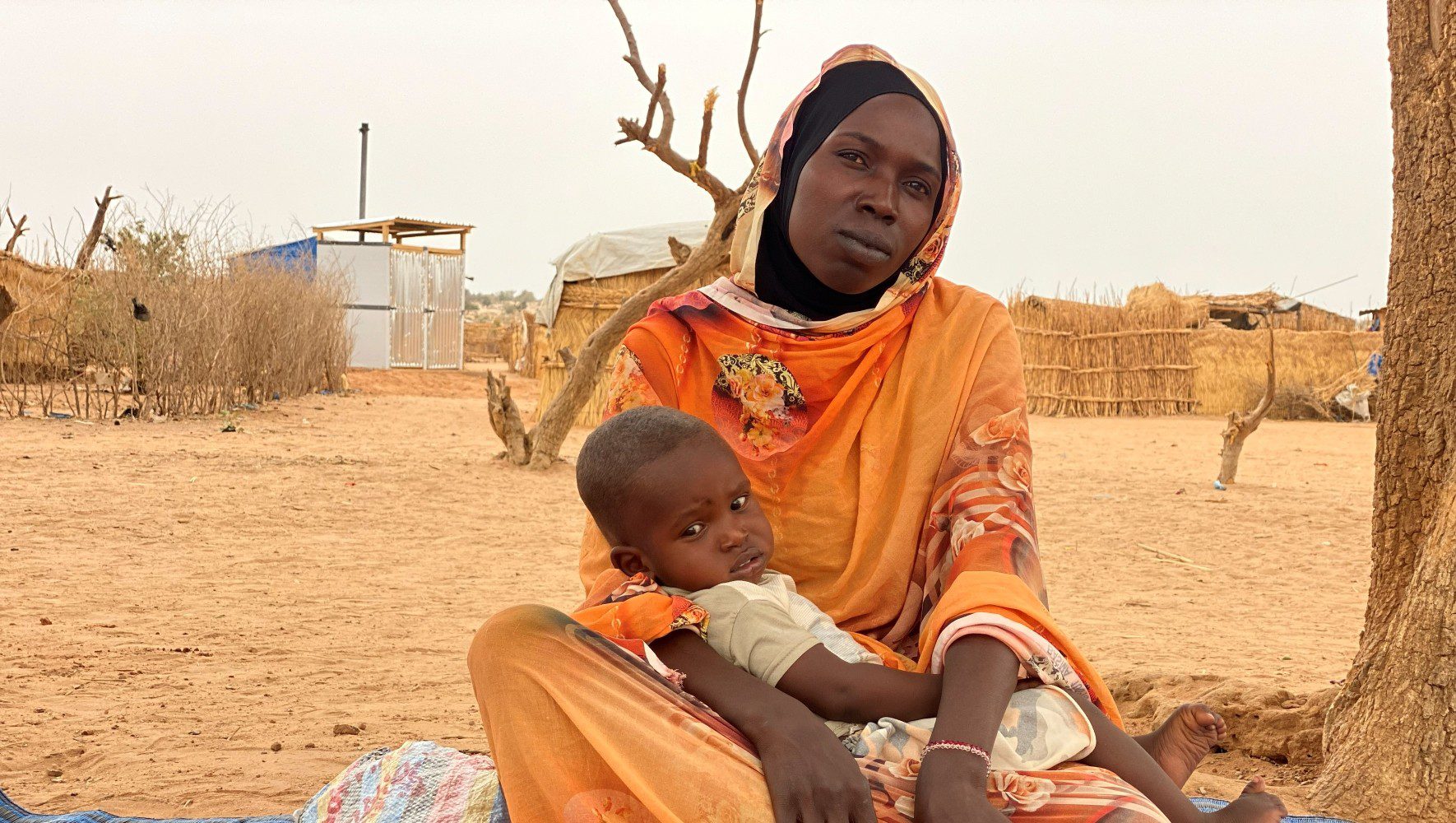
The reduction in humanitarian aid has had a profound and devastating impact on the lives of refugees and displaced people in Chad. The sharp decline in funding has directly translated into reduced food rations, leading to increased malnutrition rates. Healthcare services have been scaled back, leaving many without access to necessary medical treatment. Protection programs, crucial for safeguarding vulnerable individuals, particularly survivors of sexual violence, have been severely curtailed, leaving many without the support they desperately need.
The consequences of these cuts are far-reaching. They have eroded refugees’ ability to earn a living and access mental health services essential for recovering from the trauma of war and displacement. Reports indicate a rise in sexual and domestic violence against women and girls due to the lack of adequate support and security. Children, often the most vulnerable, bear the brunt of these cuts, facing limited access to food, water, and educational opportunities. Furthermore, many refugees find themselves stranded at the border, lacking the financial means to reach safer shelter within the established camps.
HIAS’s Enduring Commitment to Refugees in Chad
Despite the overwhelming challenges and the difficult operating environment, HIAS Chad remains steadfast in its mission. With over two decades of experience working with refugees and displaced populations in the country, HIAS is dedicated to strengthening community-based protection networks and fostering peaceful coexistence between refugees and their host communities.
HIAS Chad actively collaborates with the Chadian government and other humanitarian organizations to welcome and support refugees. The organization provides critical protection services and addresses basic needs during emergencies. Daily, HIAS staff are on the ground delivering life-saving assistance. Their work encompasses providing essential mental health support to help individuals cope with trauma, offering economic assistance to foster self-reliance, and implementing programs aimed at ending violence against women and girls. Additionally, HIAS distributes food and non-food items, crucial for immediate survival, and implements economic projects designed to help refugees establish sustainable sources of income and rebuild their lives.
Broader Implications and Future Outlook
The situation in Chad serves as a stark reminder of the interconnectedness of global crises. The conflict in Sudan has created a ripple effect, placing an immense strain on neighboring countries and highlighting the critical need for sustained international humanitarian support. The cuts in aid, particularly from major donor nations, have demonstrably worsened the plight of vulnerable populations, underscoring the ethical and practical implications of reduced funding.
The long-term implications for Chad and the region are significant. Continued displacement without adequate support could lead to increased social tensions, further strain on public services, and potentially exacerbate existing vulnerabilities. The resilience of both refugees and host communities in Chad is remarkable, but their capacity to endure is not limitless.
The international community faces a critical juncture. Addressing this complex humanitarian crisis requires a multifaceted approach, including sustained diplomatic efforts to resolve the conflict in Sudan, increased and predictable humanitarian funding, and long-term strategies for refugee integration and economic empowerment. Organizations like HIAS are on the front lines, but their efforts are severely hampered by the current funding landscape. A renewed commitment to humanitarian principles and a substantial increase in aid are imperative to avert further suffering and provide a semblance of hope for millions displaced by conflict.
HIAS’s continued presence and dedication in Chad exemplify the vital role of humanitarian organizations in providing life-saving assistance and advocating for the rights of refugees. However, their work, and the lives of those they serve, depend on the global community’s willingness to prioritize humanitarian needs and provide the necessary resources to address this escalating crisis. The people of Chad, both refugees and its own citizens, are bearing the brunt of a crisis that demands a more robust and compassionate international response.