May 29, 2026 | By Lindsay Kagalis, Social Media Manager
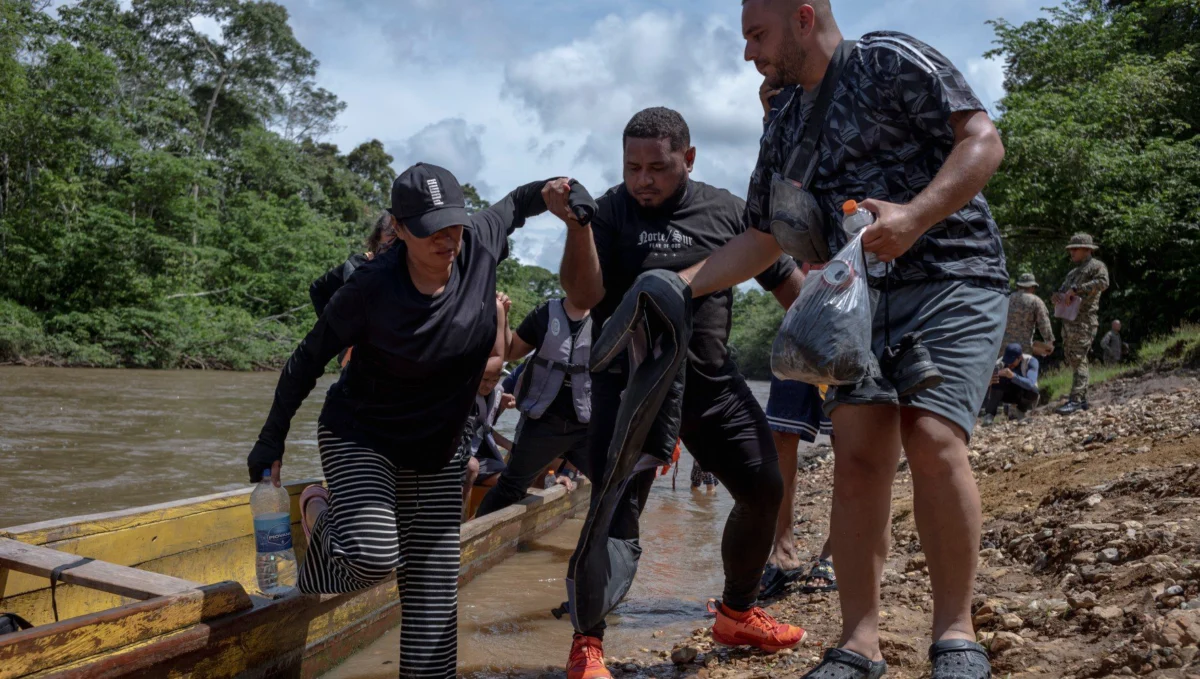
The perilous journey through the Darien Gap, long a symbol of desperate attempts to reach safety and opportunity in the United States, has taken a harrowing new turn. Thousands of individuals fleeing violence, persecution, and instability are now finding themselves forced into a devastating "reverse migration," retracing their arduous steps southward due to a confluence of shifting U.S. immigration policies and increasingly restrictive border measures. This dramatic reversal, impacting over 14,000 people between February and August of 2025 alone, underscores a critical humanitarian crisis unfolding along one of the world’s most dangerous migration routes.
The initial impetus for crossing the Darien Gap, a dense, untamed jungle separating Colombia and Panama, has historically been the hope of asylum and a better life in the United States. However, the implementation of stricter U.S. policies, including the closure of the U.S.-Mexico border to asylum seekers and the drastic reduction of legal pathways, has rendered this dream increasingly unattainable. This has not only halted northbound progress for many but has actively pushed them back into perilous circumstances, often with fewer resources and even greater vulnerability. This is not a voluntary redirection but a consequence of U.S. policy that has created an almost insurmountable barrier to seeking asylum or legal entry.
The dangers inherent in the Darien Gap are well-documented: rampant violence, extortion by criminal organizations, forced labor, and severe medical emergencies. The journey itself is physically brutal, characterized by treacherous terrain, lack of clean water, and exposure to the elements. Now, with the added pressure of reverse migration, these risks are amplified. Migrants are not only facing the original threats but also the depletion of their meager resources and the psychological toll of failed attempts to reach safety.
The Unseen Crisis: Solo Male Travelers on the Move
Amidst the broader narrative of migration through the region, a significant and often overlooked demographic is the cohort of solo male travelers. These individuals constitute roughly half of those traversing the Americas, and their journeys are frequently marked by profound isolation and extraordinary risks. Unlike families or women with children who may receive specific forms of attention or aid, solo men often navigate the complex and dangerous routes with limited support systems. Their stories, like those of Salem and Nerli, highlight the enduring human spirit in the face of immense adversity, driven by the unwavering hope of providing a better future for their loved ones.
Salem’s Journey: A Fight for Family Amidst Policy Shifts
Salem’s odyssey has spanned nearly six years, a testament to his resilience and determination. After reaching Mexico in late 2025 and finding himself unable to proceed due to the tightened border controls, he made the difficult decision to turn back, heading south once more towards his home country. His travels have largely been solitary, a path he has forged with self-reliance. "Ever since I left, I’ve never asked anyone for help; I’ve always done what I could to make it on my own," he shared, reflecting on his independent journey.
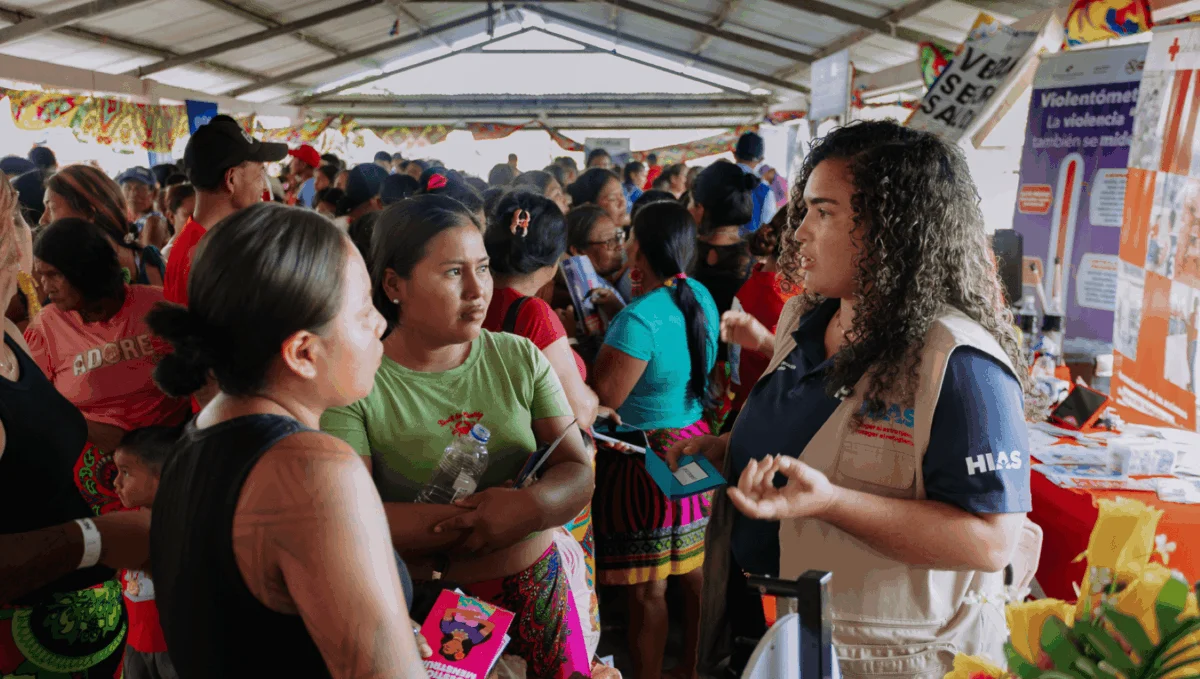
A pivotal moment in Salem’s long migration was meeting his now-wife. Together, they continued their journey south towards Colombia, where they had relatives who could offer support as they prepared for the impending arrival of their child. However, upon reaching Panama, Salem’s wife experienced concerning pregnancy-related pain, necessitating immediate medical attention. The couple found themselves in Miramar, where they were connected with HIAS Panama, an organization actively providing assistance to migrants in distress.
The HIAS Panama team swiftly mobilized, coordinating an ambulance for Salem’s wife and providing essential supplies, including hygiene kits and baby items. They also ensured Salem had a safe space to rest while his wife received the critical medical care she needed. This intervention by HIAS Panama occurred against a backdrop of significant U.S. policy impacts. In early 2025, substantial cuts to humanitarian assistance by the U.S. government created vast voids in support for vulnerable displaced populations. These reductions have had a cascading effect, undermining programs that once offered vital food, water, medical care, education, and other essential services to those on the move.
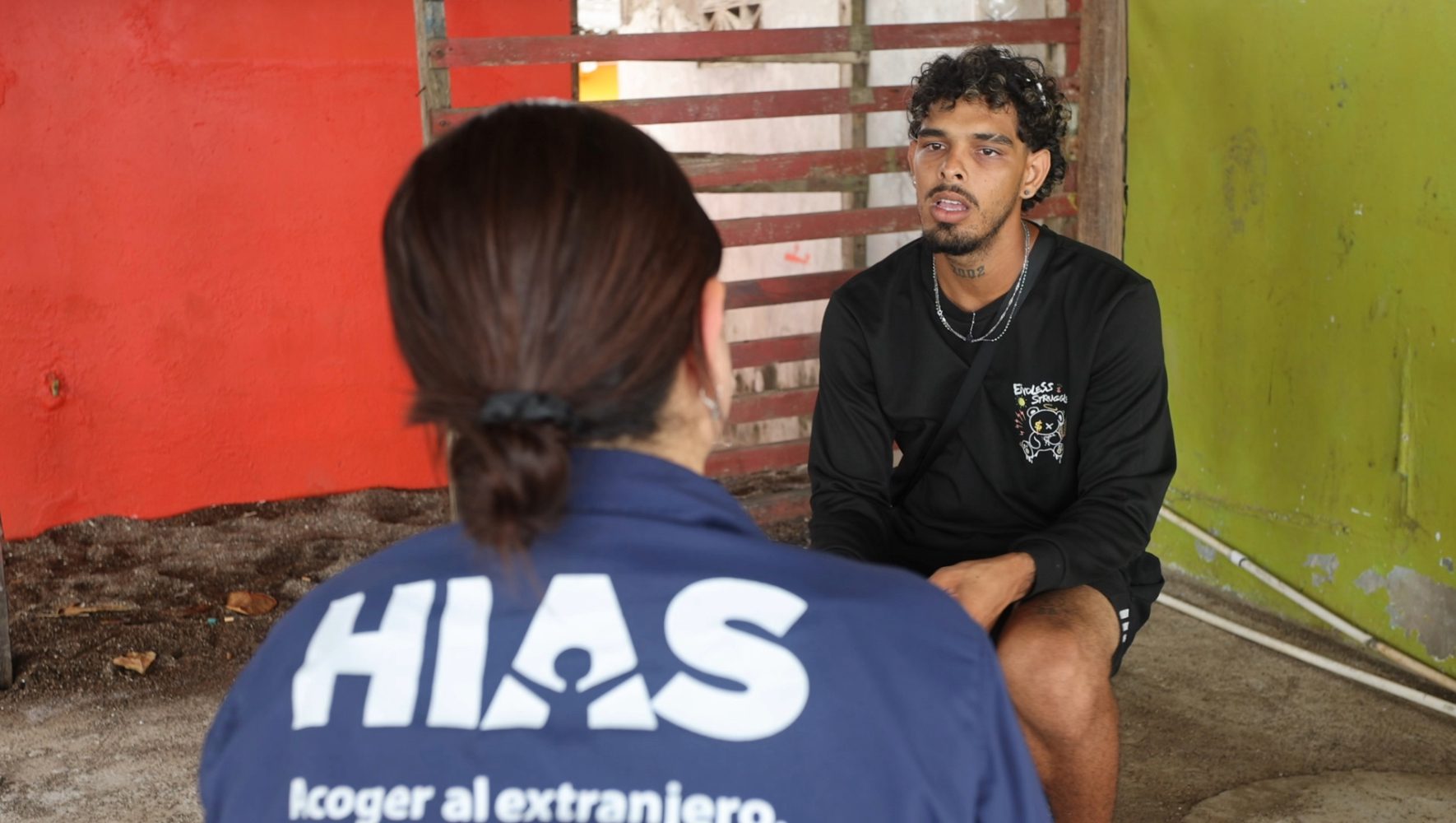
Despite these challenging operational circumstances, the dedicated team at HIAS Panama has remained steadfast in its commitment to aiding individuals traversing the treacherous Darien Gap. Their presence in key transit areas allows them to offer a range of critical services, including protection, mental health support, emergency aid, and resource referrals. "Each person has a story – and often, it’s good to have that human connection in order to provide service in the best way possible," remarked Yazcari Murillo, HIAS Panama’s Protection Officer, underscoring the profound importance of empathy and personalized support in their work with the migrant community in Miramar.
Nerli’s Decade of Displacement and Contribution
Nerli’s story is one of prolonged displacement, a decade spent navigating the complex landscape of migration in search of a brighter future for his young son, whom he left behind as a toddler. His current journey south found him among a small group of eight solo male travelers, traveling alongside several families. Upon their arrival in Panama, limited aid and safe transportation options meant that Nerli and his fellow solo travelers voluntarily ceded their places to the families, allowing them to proceed first.
For over five months, Nerli has been in Miramar, dedicating his time as a volunteer at a local migrant shelter known as Casa Rosada, or the "Pink House." In exchange for his labor – maintaining the cleanliness and organization of the shelter – he receives free accommodation. However, for Nerli, his commitment extends far beyond a transactional exchange. "I’m sort of contributing my own little grain of sand to the migrant community here in Miramar," he stated, expressing his desire to contribute meaningfully to the welfare of others enduring similar hardships.
The Broader Implications of Shifting Migration Patterns
The phenomenon of reverse migration through the Darien Gap is a stark indicator of the far-reaching consequences of U.S. immigration policy shifts. The closure of traditional asylum pathways has not eliminated migration but has redirected it, creating new humanitarian challenges and exacerbating existing ones. The increased pressure on countries along southbound routes, such as Panama and Colombia, necessitates a coordinated regional response and sustained international humanitarian aid.
The data from February to August 2025, indicating over 14,000 individuals forced to turn back, represents a significant humanitarian strain. This trend suggests that the number of individuals in need of assistance in transit countries will continue to rise. Organizations like HIAS, operating with vital support from foundations such as the Hilton Foundation, are on the front lines, providing essential services. Their work in Panama, particularly in areas like Miramar, is crucial for mitigating the immediate suffering of vulnerable populations caught in this complex web of policy and displacement.
A Humanitarian Crossroads: Safety, Stability, and Dignity
For individuals like Salem and Nerli, the concept of a singular destination has evolved. As migration patterns shift and opportunities for northbound passage dwindle, their journeys have become a continuous quest for safety, stability, and dignity, even if it means moving in a direction opposite to their initial hopes. The impossible choices they face highlight the human cost of restrictive policies.
The work of HIAS Panama, exemplified by their interventions in critical moments for Salem and his family and their support for individuals like Nerli, underscores the vital role of humanitarian organizations in addressing the immediate needs of displaced persons. Their efforts are a beacon of hope in a region grappling with a multifaceted crisis, demonstrating that even amidst policy-driven challenges, human compassion and dedicated assistance can make a profound difference in the lives of those seeking refuge. The ongoing presence of HIAS staff in key locations across Panama remains a critical lifeline for those navigating increasingly uncertain and dangerous migratory routes.
The future of migration in the Americas remains uncertain, but the current reality of reverse migration through the Darien Gap serves as a critical reminder of the interconnectedness of global policies and their profound human impact. The stories emerging from this humanitarian crossroads demand continued attention, resources, and a commitment to upholding the dignity and rights of all individuals seeking safety and a better future.