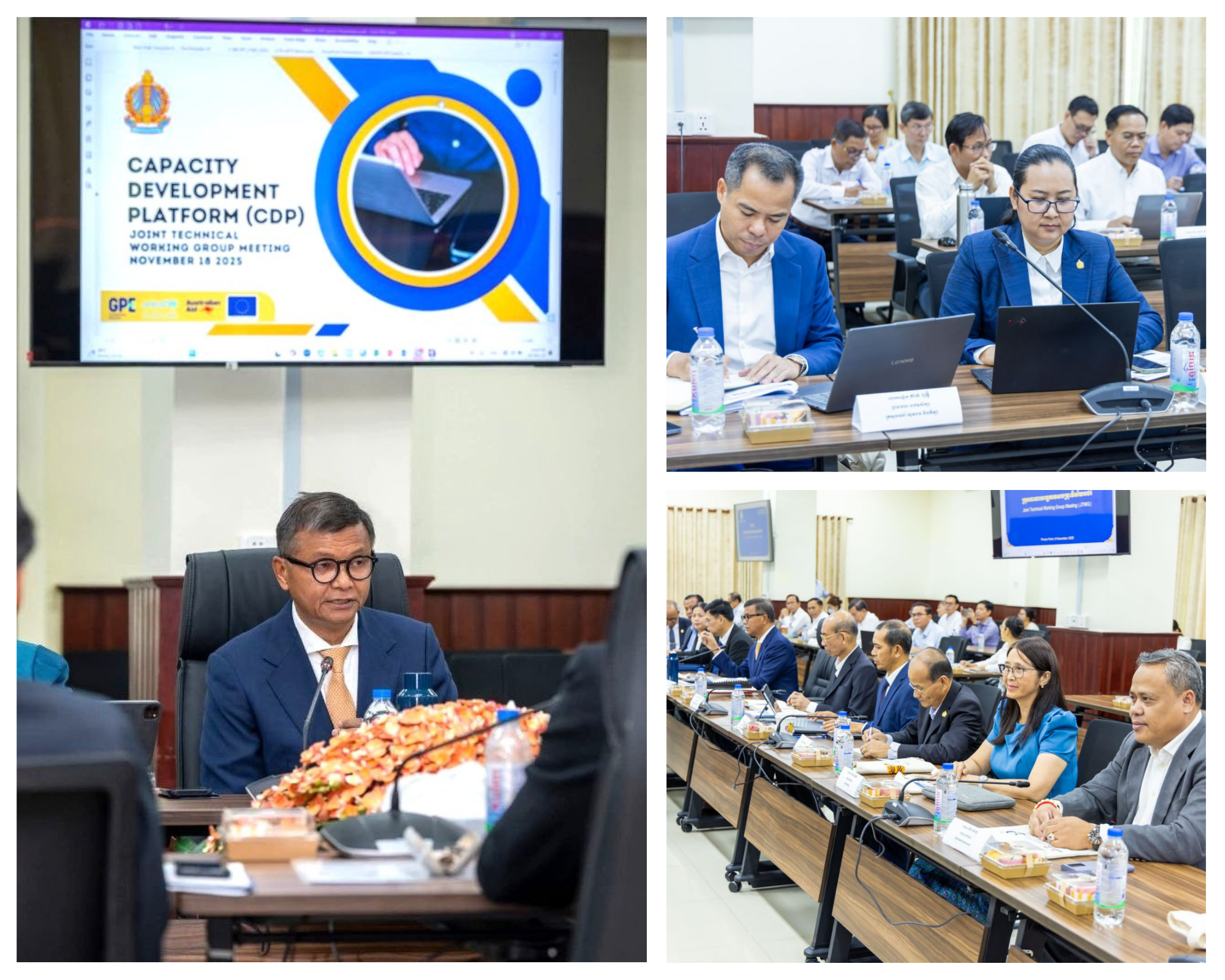
In a landmark move for Southeast Asian education, Cambodia’s Ministry of Education, Youth, and Sport (MoEYS), in a strategic partnership with UNICEF and World Education, officially launched the Capacity Development Platform (CDP) in November 2025. This sophisticated digital ecosystem represents the culmination of years of collaborative planning and technical engineering, designed to serve as the primary vehicle for teacher professional development across the Kingdom. Funded by a coalition of international partners, including the Global Partnership for Education (GPE), the European Union (EU), and the Australian Department of Foreign Affairs and Trade (DFAT), the CDP is positioned to bridge the urban-rural divide by providing high-quality, accredited training to educators regardless of their geographic location.
The launch of the CDP is not merely a technological update but a systemic overhaul of how the Cambodian state manages its human capital within the education sector. By centralizing professional development, the platform allows teachers to earn recognized credits, upgrade their official qualifications, and engage in both online and blended learning environments. This initiative marks a critical milestone in Cambodia’s broader Digital Economy and Society Policy Framework 2021–2035, which seeks to transform the nation into a digitally literate and technologically capable workforce.
A Strategic Response to the Evolution of Global Education
The genesis of the Capacity Development Platform can be traced back to the urgent need for resilient educational infrastructure highlighted during the global pandemic. However, the CDP goes far beyond emergency remote teaching tools. It was co-designed by World Education, an initiative of JSI, with a specific focus on long-term sustainability and institutional integration. Unlike previous pilot projects that often operated in silos, the CDP was built from the ground up to be an integral part of the MoEYS administrative architecture.
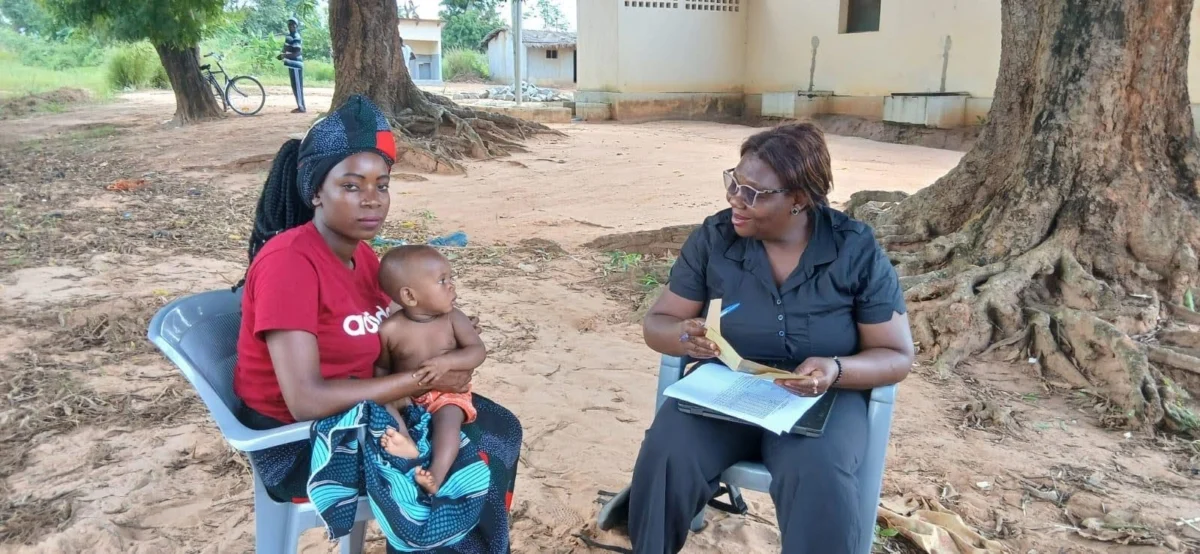
World Education’s approach to the platform’s development was rooted in human-centered design. Recognizing that technology is only effective if it is accessible to its intended users, the developers conducted extensive field research into the realities of the Cambodian classroom. This included addressing the challenges of intermittent internet connectivity in provinces such as Ratanakiri and Mondulkiri, the prevalence of smartphone-first digital access among the populace, and the varying levels of digital literacy among veteran educators.
To ensure adoption, the CDP was optimized for low-bandwidth environments, ensuring that teachers with limited data plans or weak signals could still access video modules and downloadable resources. The interface was designed to be intuitive, mimicking the user experience of popular social media and messaging apps already familiar to the Cambodian public, thereby reducing the "fear factor" associated with new professional software.
Chronology of Development and Implementation
The rollout of the Capacity Development Platform followed a rigorous multi-year timeline designed to ensure that the Ministry could eventually manage the system independently.
- Phase I: Needs Assessment and Conceptualization (2023–2024): Stakeholders from MoEYS, UNICEF, and World Education identified the core competencies required for the modern Cambodian teacher. This phase involved mapping out how digital credits would align with the national career progression framework.
- Phase II: Technical Co-Design and Pilot Testing (Early 2025): The platform was built with a focus on interoperability with existing government databases. Small-scale testing was conducted in select districts to refine the user interface and content delivery mechanisms.
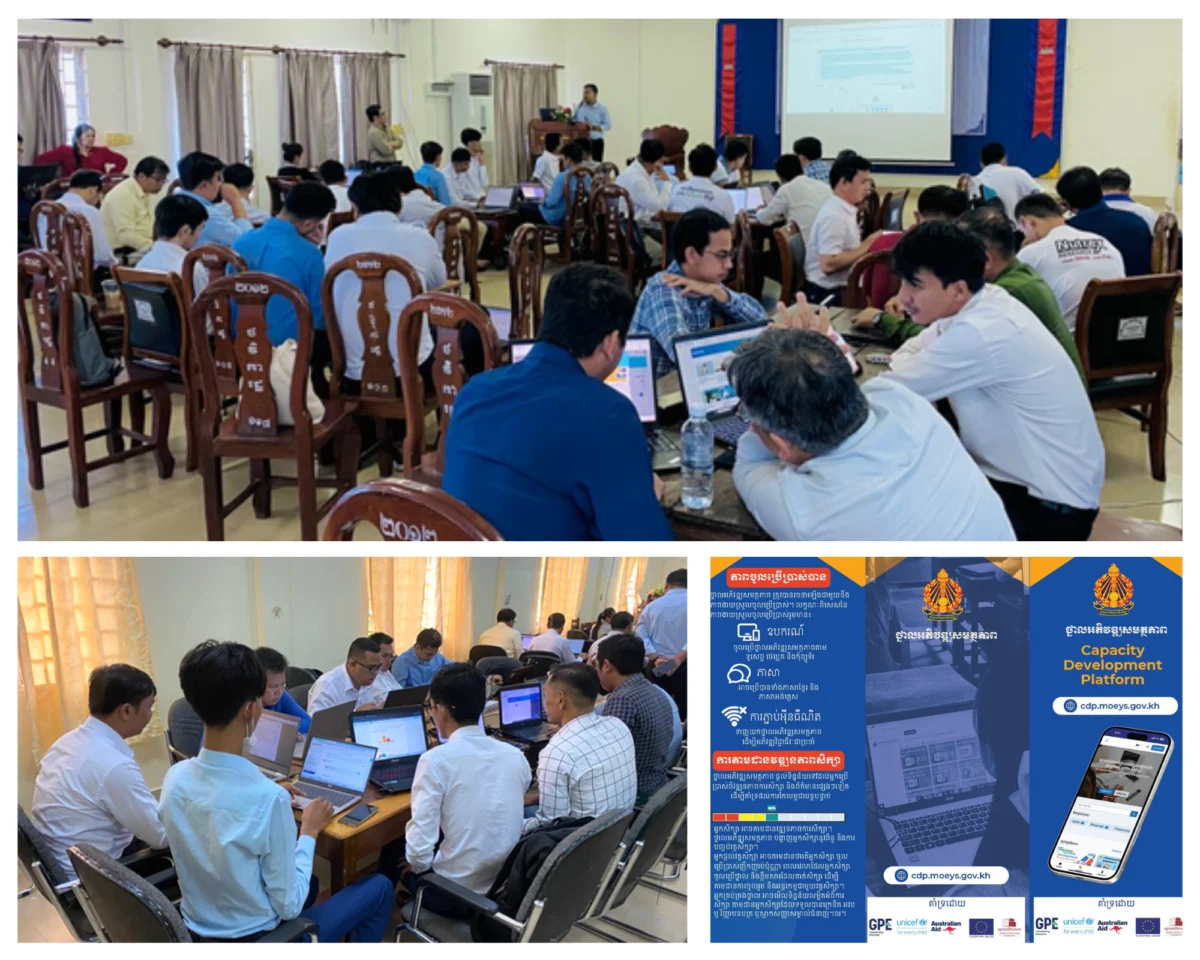
- Phase III: Capacity Building and Governance (May 2025): Significant workshops were held on May 5-6 and May 19-20, 2025. During these sessions, MoEYS staff and key educators were trained not only on how to use the platform but also on how to manage its back-end governance. This included training on data security, user support, and content moderation.
- Phase IV: Official National Launch (November 2025): The platform was officially opened to the national teaching force, supported by a high-level endorsement from the Deputy Prime Minister.
- Phase V: Transition and Scaling (Late 2025 – Ongoing): World Education transitioned full ownership to the Department of Digital Transformation within MoEYS. Current efforts are focused on the development of new modules, including mandatory standards for in-service teacher qualification upgrading.
Data-Driven Impact and Initial Adoption Metrics
Since its inception, the adoption rate of the CDP has exceeded initial projections, signaling a high demand for professional growth among Cambodian educators. Within the first few months of full operation, the platform recorded more than 44,000 registered users. Of these, over 23,000 educators have actively enrolled in accredited courses, demonstrating a conversion rate of nearly 50% from registration to active learning.
The course catalog is strategically aligned with the Ministry’s priority areas. Two of the most popular tracks include:
- Early Grade Reading (EGR): Focused on foundational literacy, this course equips teachers with phonetic and pedagogical tools to improve reading outcomes in the first three years of primary school.
- Information and Communication Technology (ICT) for Teaching and Learning: This module introduces teachers to digital tools and Artificial Intelligence (AI) for lesson planning and classroom management.
The integration of AI into the curriculum is particularly noteworthy. As the global educational landscape shifts toward AI-assisted learning, Cambodia is ensuring its teachers are not left behind. By learning to use AI for administrative tasks and lesson preparation, teachers are able to dedicate more time to direct student interaction and individualized support.
Official Responses and Institutional Support
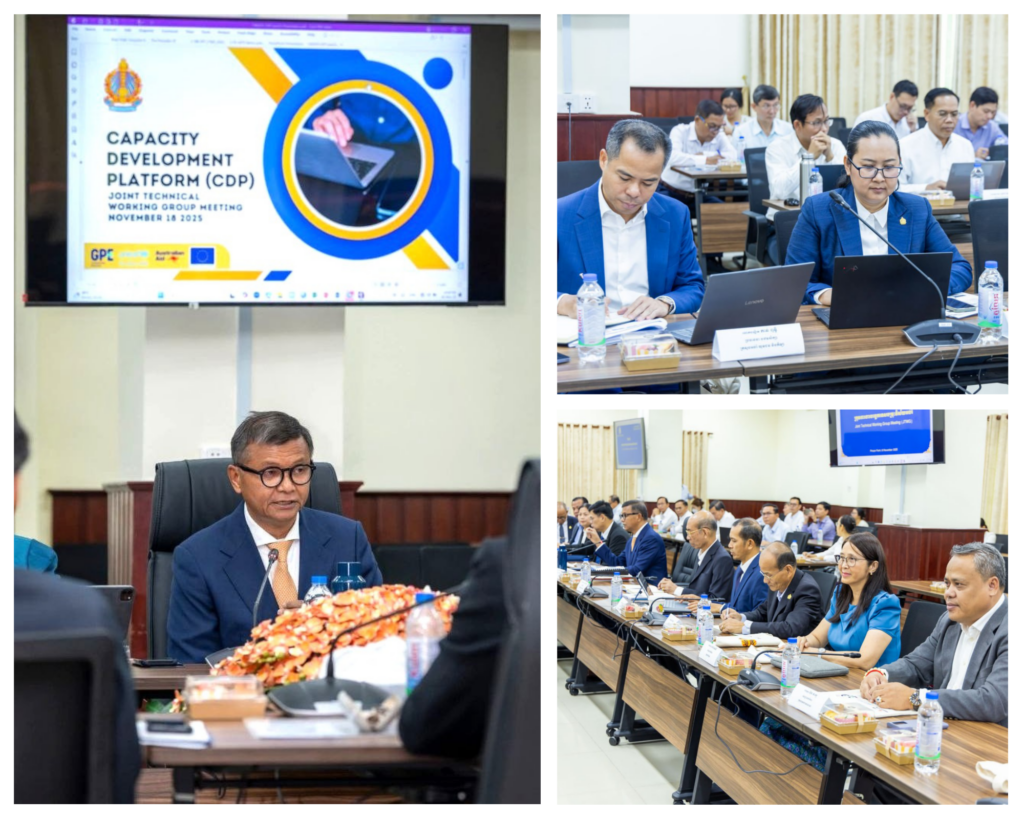
The launch was attended by high-ranking officials and international dignitaries, reflecting the project’s importance to Cambodia’s national development strategy. H.E. Dr. Hang Chuon Naron, Deputy Prime Minister and Minister of MoEYS, emphasized that the CDP is a "transformative step" in the nation’s journey toward quality education. He noted that by digitizing training, the government is empowering educators with the "tools, knowledge, and support they need to inspire learning and improve outcomes."
From the perspective of international donors, the CDP represents a model for development aid. By pooling resources from the GPE, EU, and Australia, the project achieved a scale that would have been difficult for a single donor to sustain. Representatives from these organizations have highlighted that the CDP aligns with the United Nations Sustainable Development Goal 4 (Quality Education) by ensuring that all learners are taught by qualified and digitally competent teachers.
Educators on the ground have also voiced their approval. Mrs. Proeut Sanh, a primary school teacher from the Kralanh District in Siem Reap Province, noted that the ICT courses have fundamentally changed her classroom dynamic. "The course strengthened my knowledge and practical skills in using digital tools and AI for lesson planning, making my students more active and participatory," she stated. This feedback underscores the platform’s ability to translate high-level digital policy into tangible classroom improvements.
Broader Implications and Future Outlook
The success of the Capacity Development Platform has significant implications for the future of Cambodia’s education sector and its economic trajectory. First, by linking digital training to the national career progression system, the MoEYS has created a meritocratic path for teacher advancement. This is expected to improve teacher retention rates, particularly in rural areas where professional isolation was previously a major deterrent.
Second, the platform provides the Ministry with real-time data on the teaching force’s skill sets. For the first time, policymakers can see which provinces are excelling in ICT literacy and which areas require additional support. This data-driven approach allows for more efficient allocation of resources and targeted interventions.
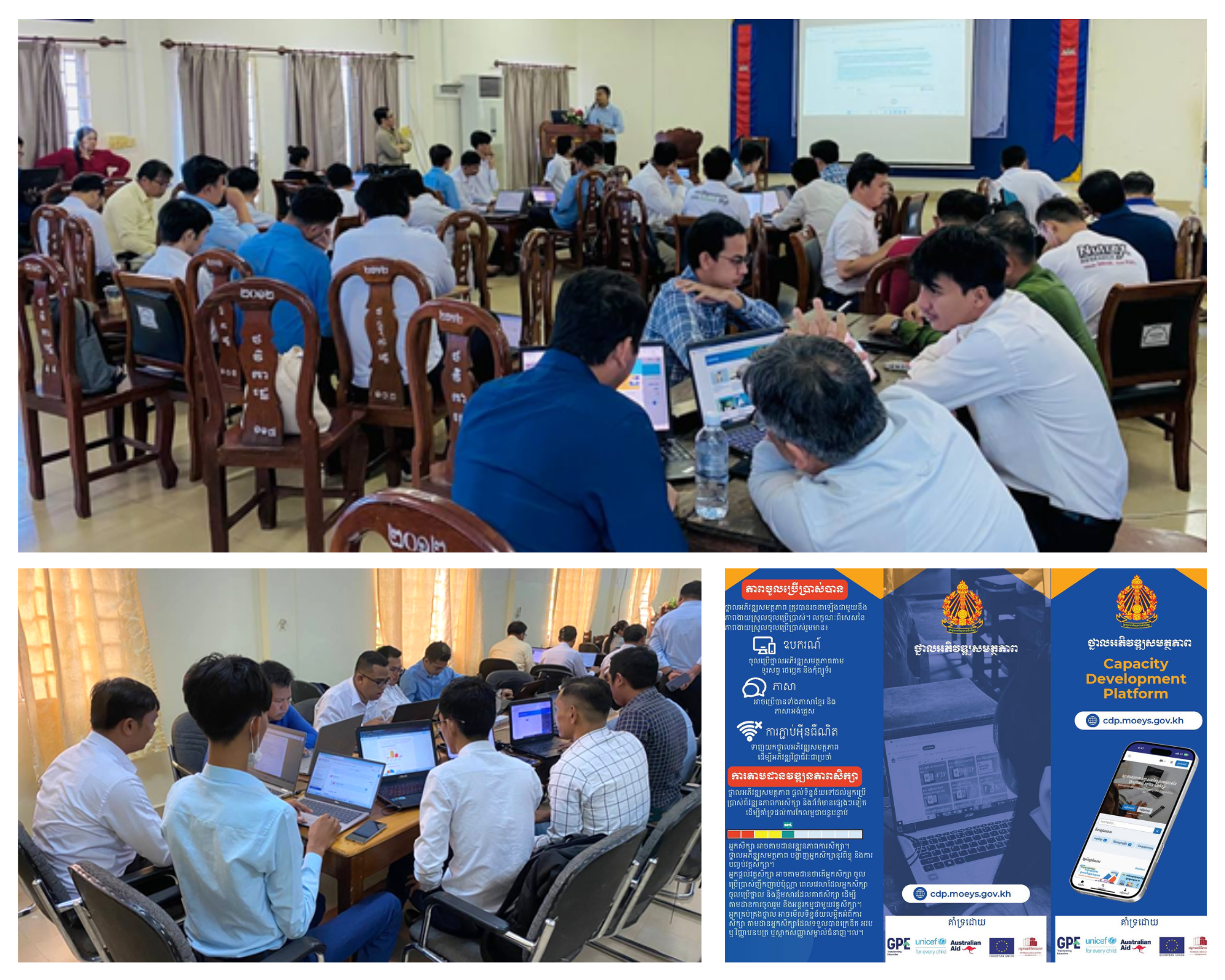
Looking forward, World Education and MoEYS are continuing to expand the platform’s content. The next phase of development includes a "blended learning" model for mandatory qualification upgrading. This approach recognizes that while digital platforms are powerful, they are most effective when combined with in-person mentorship and peer-to-peer collaboration.
As Cambodia continues to integrate into the ASEAN digital economy, the CDP serves as a blueprint for other developing nations. It demonstrates that with the right combination of international funding, technical expertise, and government commitment, it is possible to modernize a national education system in a way that is both inclusive and sustainable. The journey of the CDP from a co-designed concept to a national standard marks the beginning of a new era for Cambodian education—one where every teacher, regardless of their location, has the opportunity to become a leader in the digital age.