Professor Kate Pickett, a renowned epidemiologist at the University of York and co-founder of The Equality Trust, has spent decades documenting the corrosive effects of income inequality on the fabric of modern civilizations. In The Good Society, she argues that the multifaceted crises currently facing the United Kingdom—ranging from stagnating life expectancy and a crumbling social care infrastructure to the widening educational attainment gap and the accelerating climate emergency—are not isolated incidents but are rather the predictable symptoms of a deeply unequal economic structure. The book serves as both a diagnostic tool and a manifesto, asserting that the transition to a "Good Society" is a tangible political objective supported by rigorous empirical data.
The Intellectual Framework of The Good Society
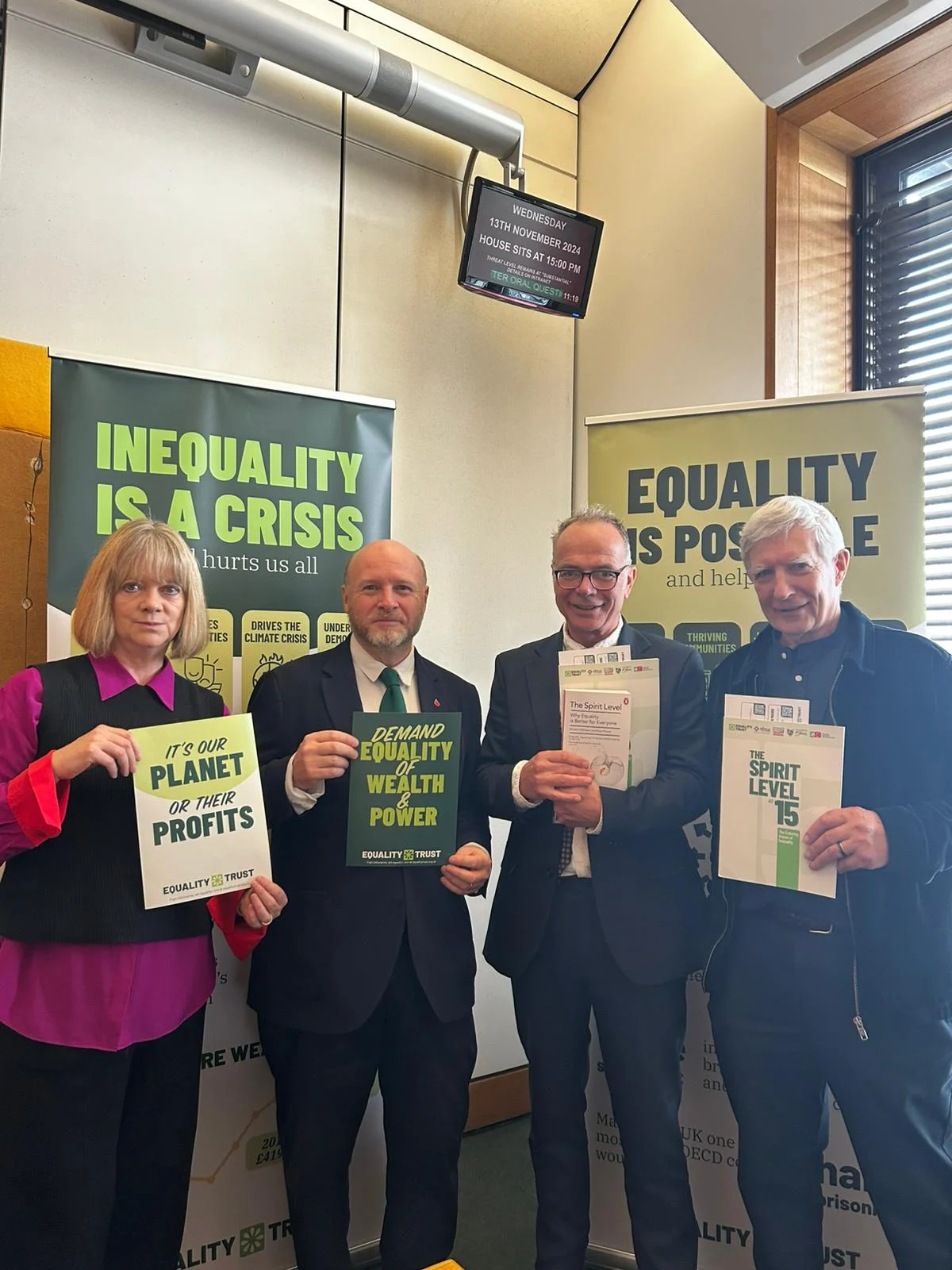
The central thesis of Professor Pickett’s work is built upon the foundational research she previously established in The Spirit Level (2009) and The Inner Level (2018), co-authored with Richard Wilkinson. While those earlier works focused on the statistical correlation between inequality and social dysfunction, The Good Society shifts the focus toward a proactive vision of reconstruction. Pickett posits that inequality acts as a "social pollutant" that undermines public health, reduces social mobility, and erodes the trust necessary for a functioning democracy.
The book highlights a critical paradox: while the United Kingdom remains one of the wealthiest nations globally, its outcomes in areas such as mental health, infant mortality, and literacy often lag behind more egalitarian peers in the OECD. Pickett argues that these discrepancies are not the result of a lack of resources but of a misallocation of political priority. By prioritizing the reduction of the wealth gap, Pickett suggests that the state can trigger a virtuous cycle of improvement across all sectors of public life.
A Gathering of Reformist Minds
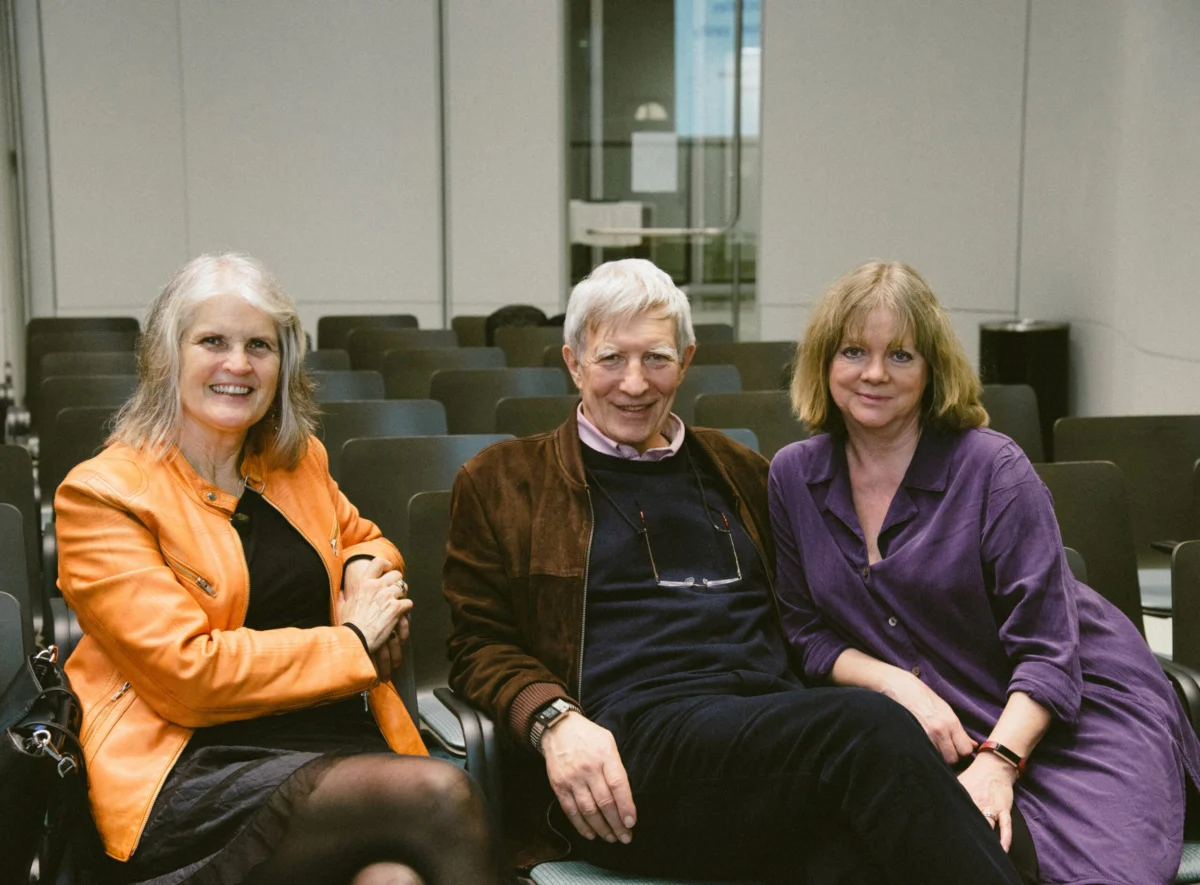
The launch event, set to take place online at 6:00 PM on February 4, 2026, features a panel designed to bridge the gap between academic research and political action. Each speaker represents a different facet of the challenges Pickett outlines in her book:
- George Monbiot: As a leading environmental journalist and author, Monbiot provides the ecological context for Pickett’s arguments. He has long advocated for "private sufficiency and public luxury," a concept that aligns with Pickett’s vision of a society where communal resources are prioritized over individual accumulation. Monbiot is expected to discuss how extreme inequality drives the overconsumption that fuels the climate crisis.
- Caroline Lucas: The former leader of the Green Party and a long-standing Member of Parliament, Lucas brings a legislative perspective to the discussion. Her work on the Green New Deal and her advocacy for a wellbeing-based economy mirror the policy recommendations found in The Good Society. Lucas’s participation signals the book’s relevance to the current parliamentary debate regarding the future of the British welfare state.
- Baroness Ruth Lister of Burtersett: A Professor Emerita of Social Policy and a member of the House of Lords, Baroness Lister is a preeminent authority on poverty and citizenship. Her involvement highlights the book’s focus on the human rights implications of inequality. Lister has frequently argued that poverty is not merely a lack of money but a denial of the ability to participate fully in society, a theme that Pickett explores in depth.
Chronology of Research and Social Context
The release of The Good Society follows a decade and a half of intensifying social pressure within the UK. The chronology of Pickett’s influence can be traced from the global financial crisis of 2008 to the present day:
- 2009: Publication of The Spirit Level, which revolutionized the global understanding of how income inequality affects health and social problems.
- 2011-2015: The implementation of austerity measures in the UK, which Pickett and her colleagues argued would exacerbate the very social issues their research identified.
- 2018: Release of The Inner Level, exploring the psychological impact of social hierarchy and how it fuels anxiety and narcissism.
- 2020-2022: The COVID-19 pandemic, which served as a "stress test" for the theories of The Spirit Level, revealing that more unequal societies suffered higher mortality rates and greater social disruption.
- 2023-2025: A period of sustained economic volatility and the "cost-of-living crisis," which saw the UK’s Gini coefficient remain stubbornly high compared to its Northern European neighbors.
Against this backdrop, The Good Society arrives as a timely intervention, offering a roadmap for recovery that moves beyond the traditional metrics of GDP growth to prioritize the holistic wellbeing of the population.
Supporting Data: The Cost of Disparity
To reinforce the book’s arguments, recent data from The Equality Trust and the Office for National Statistics (ONS) provide a sobering look at the current state of British society. As of late 2025, the gap in healthy life expectancy between the most and least affluent areas of the UK has widened to nearly 20 years. Furthermore, research indicates that the UK’s top 1% of earners hold more wealth than the bottom 70% of the population combined.
Pickett uses such data to demonstrate that the costs of inequality are not just social but fiscal. The "inequality tax"—the additional cost to the NHS, the criminal justice system, and the education system resulting from high levels of social stratification—is estimated to cost the UK economy billions of pounds annually. The Good Society argues that by investing in "upstream" solutions—such as universal childcare, progressive taxation, and green public infrastructure—the government can significantly reduce "downstream" costs.
Official Responses and Anticipated Impact
While the book launch is primarily an academic and advocacy event, it has already drawn interest from policy think tanks and opposition figures. Early reviews from the academic community suggest that Pickett has successfully synthesized complex sociological data into a readable and actionable format.
Sources close to the Labour and Green parties have indicated that the concepts in The Good Society are likely to inform upcoming policy platforms. "Professor Pickett’s work provides the empirical backbone for the policies we need to build a resilient 21st-century state," noted a spokesperson for a leading social policy think tank. "She proves that fairness is not just a moral imperative but an economic necessity."
Conversely, some critics from more conservative economic circles have questioned the feasibility of the radical shifts in taxation and public spending that the book advocates. However, Pickett’s reliance on peer-reviewed evidence and successful international models—particularly from Scandinavia—provides a robust defense against accusations of utopianism.
A Vision for Future Generations
The emotional core of Pickett’s work is perhaps best summarized in her own words, where she describes a society that prioritizes prevention over cure and imagination over stagnation. She envisions an education system that "equips children with skills for life and leaves no one behind," and a criminal justice system that focuses on "rehabilitating those who commit crimes so that they can contribute to society."
This vision is particularly pertinent to the "wellbeing of future generations," a concept that is gaining legal and political traction across the UK, following the lead of the Wellbeing of Future Generations (Wales) Act. Pickett argues that a society that fails to address inequality is effectively borrowing from the future, leaving a legacy of social debt and environmental degradation for the next generation to resolve.
Conclusion and Implications
The launch of The Good Society on February 4, 2026, is set to be more than a mere literary event; it is a call to action for a nation at a crossroads. By aligning the interests of health professionals, environmentalists, and social policy experts, Professor Kate Pickett has created a unified front against the systemic inequality that she identifies as the root of modern malaise.
As the digital launch approaches, the registration numbers suggest a high level of public engagement, reflecting a growing appetite for systemic change. Whether the "political choice" to build the Good Society will be made by the current or future administrations remains to be seen, but Pickett’s latest work ensures that the evidence for such a choice is now undeniable. The collaboration with figures like Monbiot, Lucas, and Lister ensures that the book’s message will resonate far beyond the halls of academia, reaching into the heart of the national conversation on what kind of country the United Kingdom aspires to be.