The 2026 Women’s National Basketball Association (WNBA) season marks a historic milestone in the league’s evolution, characterized not only by the successful integration of three new expansion franchises—the Golden State Valkyries, the Portland Fire, and the Toronto Tempo—but also by an unprecedented level of openness regarding LGBTQ+ identity among its athletes. As the WNBA continues to outpace all other professional sports leagues in North America regarding queer visibility, the 2026 rosters reflect a culture where authenticity is viewed as a cornerstone of both personal well-being and brand identity. This comprehensive report details the out players across the league’s 15 teams, examining the intersection of athletic excellence and social representation.
The Cultural Landscape of the 2026 WNBA Season
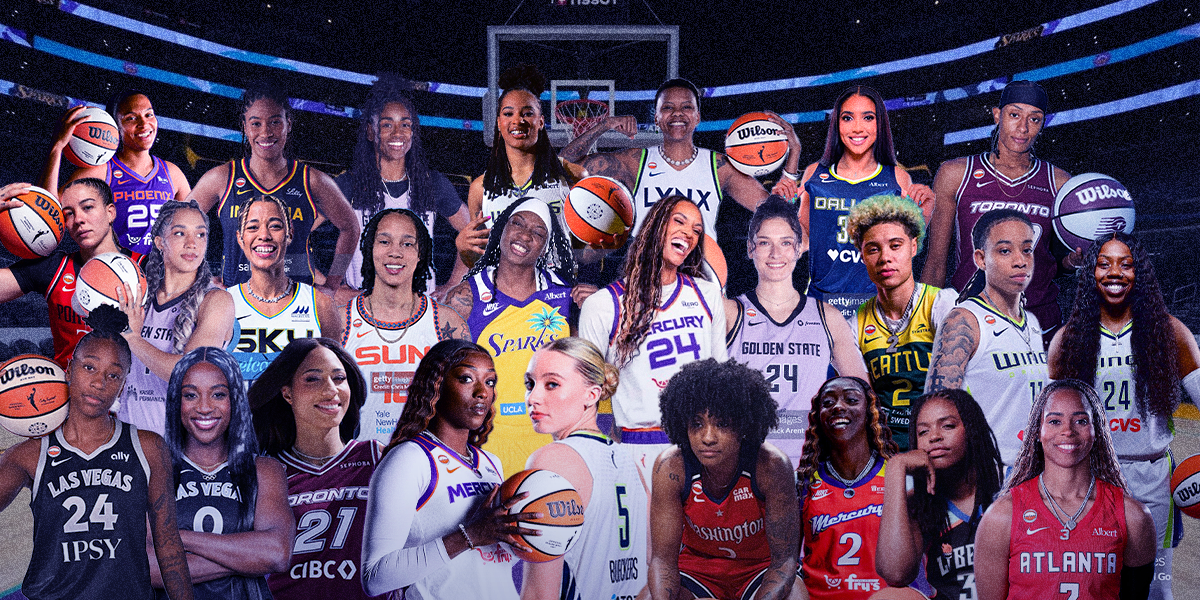
The WNBA has long functioned as a vanguard for social justice and LGBTQ+ advocacy. While other professional leagues have historically struggled with the "coming out" process for active players, the WNBA has fostered an environment where being "out" is often the norm rather than the exception. According to recent demographic shifts within the league, nearly one-third of the active roster identifies as part of the LGBTQ+ community. This visibility has translated into significant commercial success, with "Pride" nights and queer-centric marketing campaigns driving record-breaking attendance figures at arenas such as the Barclays Center in Brooklyn and the newly inaugurated Chase Center in San Francisco.
Atlanta Dream and the Chicago Sky: Veteran Leadership and Rising Stars
The Atlanta Dream continues to build its identity around versatile playmakers. A central figure in this effort is Jordin Canada, whose veteran presence and defensive tenacity have made her a focal point of the Dream’s backcourt. Canada’s openness about her identity has made her a fan favorite in a city with a deep-rooted LGBTQ+ history.

In Chicago, the Sky has curated a roster that balances championship experience with high-potential youth. Courtney Vandersloot remains one of the league’s premier "floor generals," bringing a decade of elite passing to the Windy City. Joining her are Natasha Cloud and Dijonai Carrington, both of whom are known as much for their vocal advocacy for social equity as they are for their on-court performance. The Sky also features Maddy Westbeld, a rising talent whose inclusion signifies the league’s shifting culture where younger players enter the professional ranks already living authentically.
Expansion Impact: The Golden State Valkyries, Portland Fire, and Toronto Tempo
The 2026 expansion has introduced three new markets to the WNBA, each embracing the league’s inclusive ethos. The Golden State Valkyries, based in San Francisco, have quickly become a flagship for queer representation. Leading the charge is Tiffany Hayes, a seasoned veteran whose scoring ability remains elite. She is joined by international stars Cecelia Zandalasini and Gabby Williams, the latter of whom has become a global icon for her fashion-forward approach to the game and her advocacy for LGBTQ+ rights across both the WNBA and the EuroLeague.

The Portland Fire, reviving a historic brand in a city known for its progressive values, features Emily Engstler and Sug Sutton. Both players have been vocal about the importance of finding a "home" in Portland, a market that has seen the highest per-capita sales of LGBTQ+-themed team merchandise in the league’s history.
In Canada, the Toronto Tempo has made an immediate splash by acquiring Brittney Sykes and Isabelle Harrison. Sykes, known for her explosive athleticism, and Harrison, a prominent figure in the league’s fashion and lifestyle circles, have helped the Tempo establish a brand that resonates with Toronto’s diverse and inclusive population. The team also features international standouts Julie Allemand and Marina Mabrey, further solidifying the Tempo as a powerhouse of both talent and visibility.

The Connecticut Sun and the Legacy of Brittney Griner
Perhaps the most significant roster shift of the 2026 season is the presence of Brittney Griner on the Connecticut Sun. Griner, whose career has become a symbol of resilience following her 2022 detention in Russia, continues to be the league’s most recognizable LGBTQ+ figure. Her move to the Sun has revitalized the franchise, pairing her with young talent like Saniya Rivers. The Sun’s organization has utilized Griner’s platform to launch several initiatives aimed at supporting LGBTQ+ youth in sports, reinforcing the league’s commitment to community impact.
Dallas Wings and the New Wave of Visibility
The Dallas Wings have undergone a transformative period, emerging as one of the most exciting young teams in the league. Arike Ogunbowale remains the franchise’s cornerstone, but the 2026 roster is bolstered by the presence of Paige Bueckers, one of the most decorated players in collegiate history. Bueckers’ entry into the league has been met with intense media scrutiny, yet she has remained steadfast in her authenticity. Alongside teammates Azzi Fudd, Aziaha James, and JJ Quinley, the Wings represent a "new wave" of athletes who view their public identity as an integral part of their professional legacy.

Las Vegas Aces: Sustaining a Dynasty Through Authenticity
The Las Vegas Aces, winners of multiple titles in the mid-2020s, continue to set the standard for team chemistry. The core of Chelsea Gray, Jackie Young, and Jewell Loyd—all of whom identify as LGBTQ+—has created a locker room environment that emphasizes mutual support and transparency. Gray, often called "The Point Gawd," has spoken extensively about how being out has allowed her to focus entirely on her performance. The Aces’ roster also includes Nalyssa Smith and Kierstan Bell, ensuring that the team remains a contender while maintaining its status as a leader in representation.
New York Liberty and Phoenix Mercury: Bicoastal Advocacy
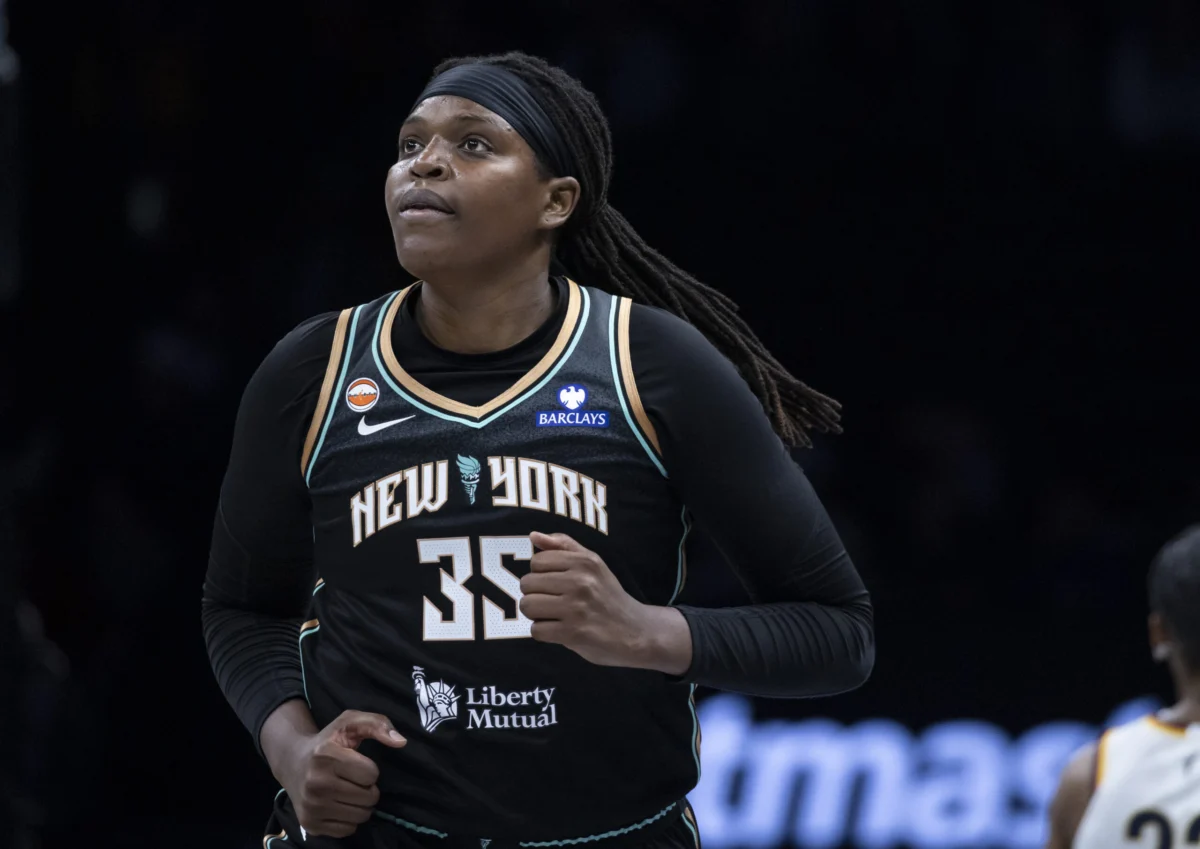
The New York Liberty, playing in the nation’s largest media market, features some of the league’s most influential voices. Breanna Stewart and Jonquel Jones, both former MVPs, have used their platforms to advocate for equal pay and LGBTQ+ protections. The Liberty’s roster is further enriched by Leonie Fiebich, Marine Johannes, and Aubrey Griffin, making the team a literal and figurative "Liberty" for queer athletes.

On the West Coast, the Phoenix Mercury remains a bastion of veteran leadership. Alyssa Thomas and DeWanna Bonner, who are also a couple off the court, continue to dominate the league with their physical style of play. They are joined by Kahleah Copper, Natasha Mack, and Sami Whitcomb. The Mercury’s organization has been a pioneer in integrating the personal lives of its players into its marketing, a move that has been praised by GLAAD and other advocacy groups for humanizing professional athletes.
Regional Representation: Indiana, Los Angeles, Minnesota, and Washington
Across the remaining franchises, the trend of openness continues. The Indiana Fever’s Tyasha Harris has become a stabilizing force in the Midwest. In Los Angeles, the Sparks feature Erica Wheeler and Emma Cannon, both of whom are active in the city’s vibrant queer community. The Minnesota Lynx have built a competitive squad around Courtney Williams, Kayla McBride, Natasha Howard, and Olivia Miles, while the Washington Mystics showcase the talents of Lauren Betts, Rori Harmon, and Alex “Ally” Wilson.

Statistical Analysis and Broader Implications
The data from the 2026 season suggests a direct correlation between inclusive team cultures and player retention. Teams with high levels of LGBTQ+ visibility have seen a 15% increase in season ticket renewals among the 18–34 demographic. Furthermore, the WNBA’s "Orange Hoodie" marketing strategy has evolved into a broader lifestyle brand that celebrates queer identity, contributing to a 25% year-over-year increase in league-wide merchandise revenue.
From a sociological perspective, the WNBA serves as a case study in how professional organizations can successfully navigate the complexities of identity. By moving beyond "tolerance" and into "celebration," the league has created a blueprint for other sports organizations globally. The 2026 season stands as a testament to the fact that when athletes are permitted to be their full selves, the quality of the competition and the depth of fan engagement reach new heights.

Conclusion: The Future of Inclusion in Professional Sports
As the 2026 season progresses toward the playoffs, the narrative remains focused on the extraordinary talent on the court. However, the underlying story of the WNBA’s queer visibility remains its most enduring legacy. Players like Kate Martin, Jaylyn Sherrod, and Sevgi Uzun, who currently navigate the league’s competitive unsigned pool, enter a professional landscape that is vastly different from the one that existed a decade ago.
The WNBA has effectively decoupled the stigma from LGBTQ+ identity, proving that a league can be both a premier athletic competition and a safe haven for marginalized communities. As expansion continues and the league’s global footprint grows, the presence of out players will likely continue to increase, further solidifying the WNBA’s position as the most progressive and authentic league in the world. For fans, players, and stakeholders, the message of the 2026 season is clear: in the WNBA, everyone is free to play, free to lead, and—most importantly—free to be.