The global observance of Earth Day serves as a vital reminder of our collective responsibility towards environmental stewardship, climate conservation, and the promotion of sustainable practices. It is a call to deeply engage with the natural world, fostering an appreciation for the intricate tapestry of local flora and fauna. However, a truly profound understanding and honor of Earth Day are inextricably linked to the ancestral wisdom, enduring efforts, and profound sacrifices of Indigenous Peoples, who have long acted as the primary custodians of Earth’s precious green spaces. In the eastern reaches of Nepal, the Yakthung, also known as the Limbu People, exemplify this profound connection to the land, currently engaged in a critical struggle to safeguard Mukumlung, one of their most revered sacred sites.
The Limbu, whose name translates to "bow carrier," possess a rich and vibrant cultural heritage that continues to thrive. Recognized as one of Nepal’s 59 Indigenous groups, they maintain their distinct language, Yakthungpan. Historically, their ancestral territory, once known as Pallo Kirat and now comprising Limbuwan, encompassed ten autonomous states. Today, Limbu communities are predominantly found in the districts of Sankhuwasabha, Taplejung, Terhathum, Panchthar, Dhankuta, and Ilam. Their spiritual foundation lies within the Kirat religion, a faith that embraces animism and a deep veneration for nature. The Mundhum, their sacred text, chronicles their cosmologies, historical narratives, intricate rituals, and celebratory festivals, underscoring a worldview deeply interwoven with the land. This profound spiritual connection manifests in unique musical and dance traditions, such as the Kelang (drum dance) and Yemalang (a female shaman’s dance), which are intrinsically linked to ceremonial cycles.
Historically, the Limbu people’s livelihoods were deeply rooted in agriculture, complemented by skilled practices in farming, hunting, woodworking, bamboo crafting, weaving, and gardening. For centuries, they adhered to a communal land tenure system known as Kipat. However, the Land Reform Act of 1964 significantly disrupted this traditional system, leading to the loss of access to ancestral lands for many Limbu communities.
Genesis of the Mukumlung Conflict
The contemporary struggle for Mukumlung gained momentum in 1997 when the Government of Nepal established the Pathibhara Area Development Board through the Pathivara Area Development Act. The stated objective of this board was to foster social, economic, religious, and cultural development at Mukumlung, a site of immense spiritual significance for the Limbu people in Taplejung district. Mukumlung serves as a crucial ceremonial ground where the Limbu conduct acts of veneration and undertake pilgrimages, reinforcing their cultural and spiritual identity.
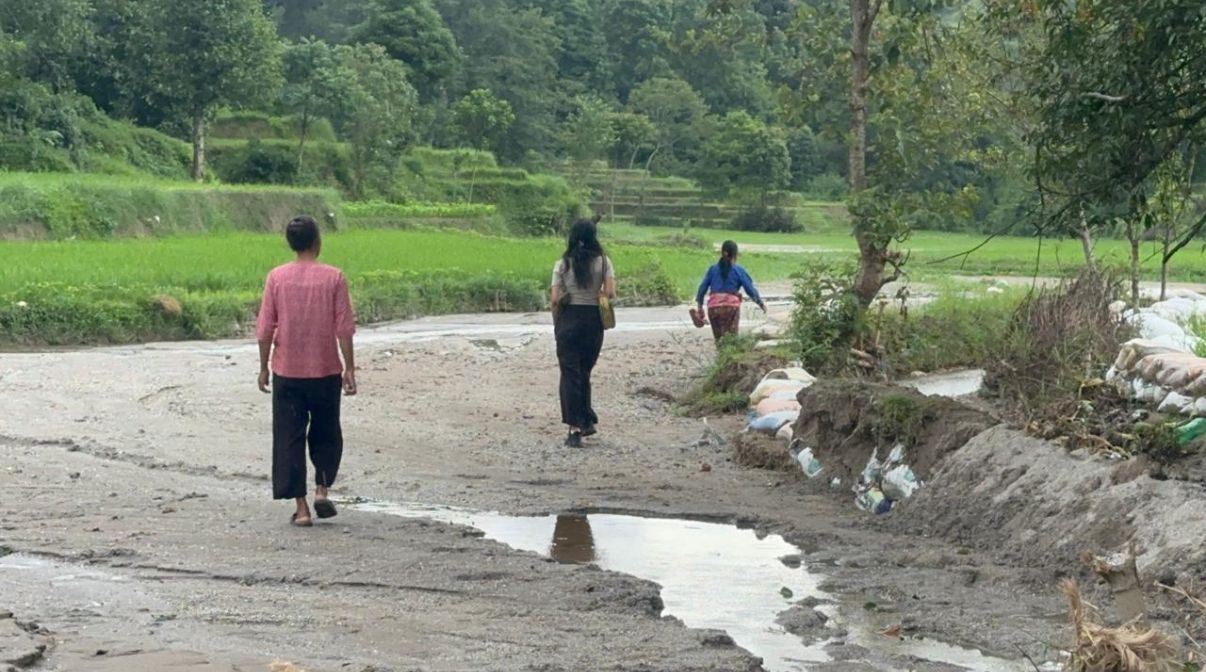
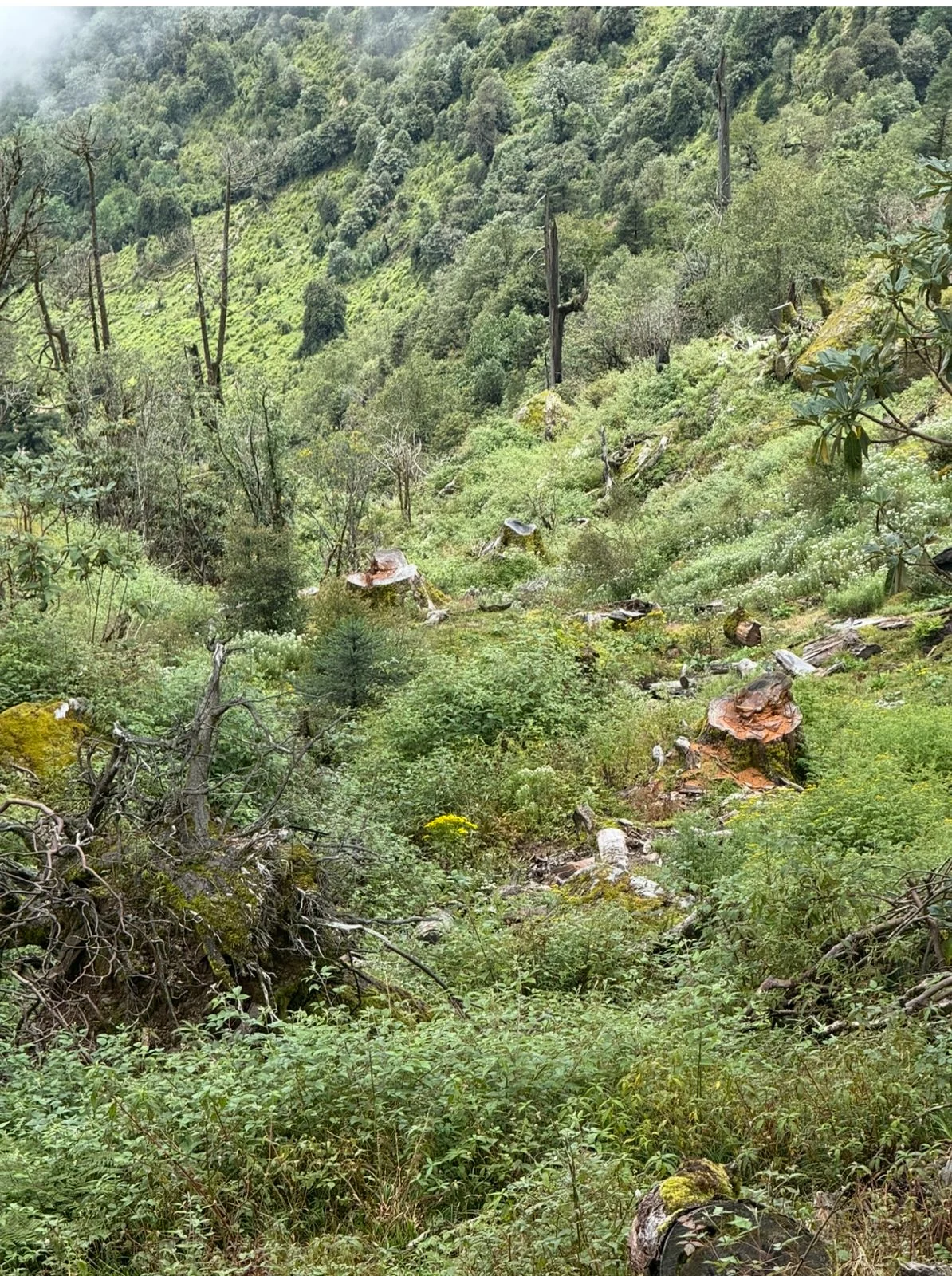
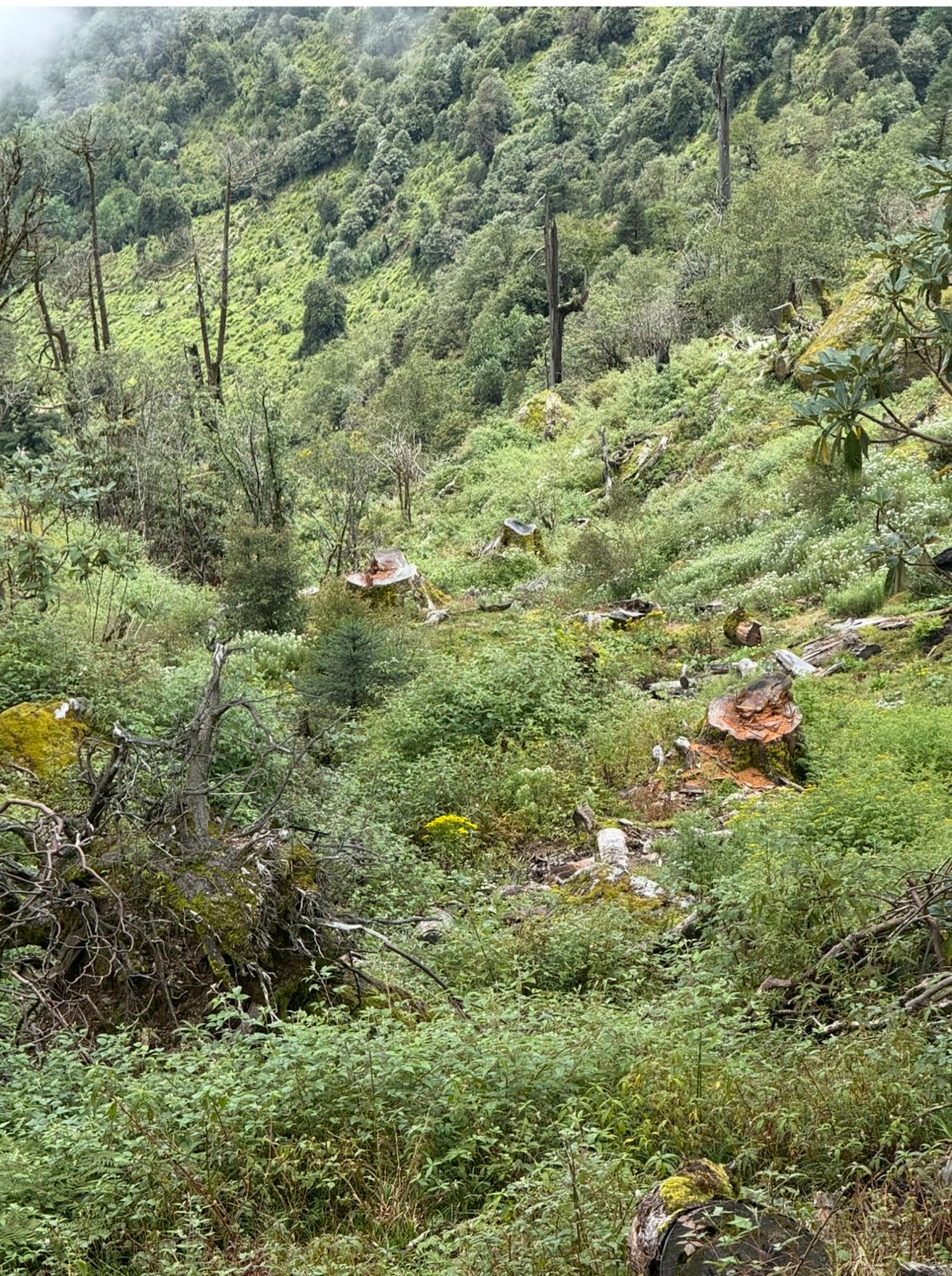
The situation escalated dramatically on April 25, 2018, when the Phungling Municipality passed a resolution authorizing Pathivara Devi Darshan Cable Car Pvt. Ltd. to construct a cable car and ropeway system. This project was slated to occupy approximately five hectares of land within Mukumlung. In the ensuing months, municipal actions were formally reported, and surveys were conducted, often under police enforcement and accompanied by instances of violence. Critically, these decisions were made without any consultation with the Limbu community, nor was their Free, Prior, and Informed Consent (FPIC) obtained. Government authorities subsequently provided false documentation, claiming consent had been granted when it had not. By December 2018, the company had secured a 30-year lease, paving the way for the clearing of over 10,000 trees.
The IME Group, a prominent conglomerate with diverse interests in Nepal’s banking, energy, and infrastructure sectors, entered into agreements that effectively restricted the Limbu people’s access to their ancestral lands and sacred territories. This imposed restriction not only threatened the continuity of their ancestral rituals but also endangered the intergenerational transfer of knowledge and cultural practices that form the bedrock of Limbu identity.
Environmental and Cultural Ramifications
As custodians of local biodiversity, which includes Nepal’s national flower, the rhododendron, and a multitude of other indigenous species, the Limbu play an indispensable role in environmental stewardship. The proposed cable car project and the associated deforestation pose a significant threat to endangered species such as the red panda and the snow leopard, whose habitats are now at risk. The Limbu hold a deep-seated belief that the construction activities and widespread deforestation will diminish the spiritual potency of Mukumlung, thereby further fracturing the vital spiritual connection between the land and its people.
The development of the cable car project places the surrounding ecosystem under considerable threat. While an Initial Environmental Examination (IEE) was conducted, it demonstrably failed to adequately assess or mitigate the adverse environmental impacts. Despite these governmental actions, which have systematically disregarded their rights and voices, the Limbu people have responded with remarkable resilience and determination to restore harmony to their ancestral lands.
Senchhen Hangma Limbu: A New Generation of Advocacy
At the forefront of this movement is Senchhen Hangma Limbu, an undergraduate law student at Tribhuvan University in Nepal. Her academic pursuits and advocacy efforts are centered on land and territorial rights, and she dedicates herself to documenting human rights violations for various NGOs and regional bodies in Asia. As a proud member of the Limbu community, Senchhen has committed herself to amplifying the Mukumlung Protection Movement’s cause against the Ropeway Corporation.
Through the Indigenous Youth Fellowship program offered by Cultural Survival, an organization dedicated to empowering young Indigenous leaders, Senchhen received invaluable training, mentorship, and support. This fellowship enabled her to develop a crucial project titled "Disseminating Information on Land Encroachment and Human Rights Violations Affecting Limbu Indigenous Peoples in Mukumlung (Phungling Municipality, Taplejung District, Nepal)."
Prior to this fellowship, Senchhen had already established collaborative ties with organizations such as the Lawyers’ Association for Human Rights of Nepalese Indigenous Peoples (LAHURNIP), the Asia Indigenous Peoples Pact, and the National Human Rights Commission. Her research within her community revealed a significant disparity: the extensive documentation of human rights violations was not matched by widespread public awareness.
Documenting and Disseminating the Truth
The primary objective of Senchhen’s project was to initiate a comprehensive awareness campaign regarding the ongoing encroachment within Limbu territory. In an environment where local authorities have been accused of falsifying reports and employing coercive tactics, she underscored the urgent necessity of equipping her community with credible and verifiable evidence. A cornerstone of her work involved leveraging digital platforms to disseminate this critical information, thereby fostering collective resistance and strengthening advocacy efforts.
Senchhen’s methodology began with extensive consultations with mentors, community Elders, and Indigenous leaders to refine documentation methods, identify key research questions, and plan fieldwork logistics. She conducted a thorough literature review, encompassing academic research, national and international legal frameworks, relevant journal articles, and jurisprudence. Subsequently, she gathered data through audiovisual documentation and direct testimonies from community members impacted by the conflict. Indigenous knowledge systems were integrated through methodologies such as talking circles, ensuring that local perspectives were central to the research process.
With explicit consent obtained, testimonies were meticulously recorded and shared through digital platforms to commence outreach initiatives. The subsequent phase involved a collaborative process of analyzing, interpreting, and validating the collected data in partnership with community members. The findings were then disseminated through a variety of multimedia content, including interviews and digital storytelling, forming the foundational basis for a broader advocacy campaign. This meticulously gathered documentation now serves as a crucial resource for potential legal actions, formal reporting, and ongoing community organizing efforts.
Overcoming Obstacles and Achieving Milestones
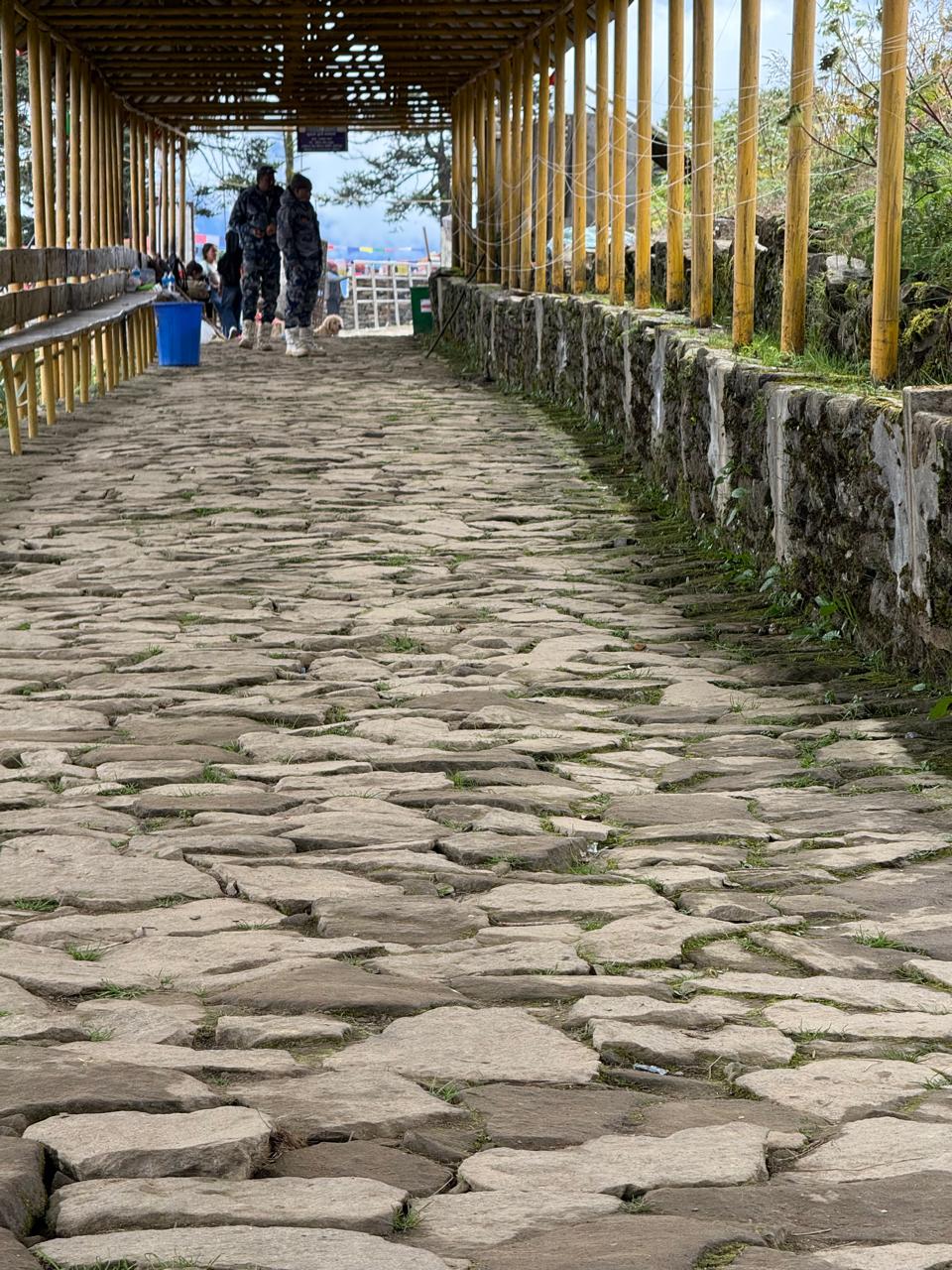
The undertaking of this vital work was fraught with challenges. Senchhen bore witness to acts of violence perpetrated against her community. The complexities of the terrain, coupled with monsoon weather patterns, landslides, and difficult access to affected areas, significantly complicated fieldwork. Furthermore, instances of intimidation and internal divisions within communities presented additional obstacles. Despite these formidable challenges, Senchhen and the Limbu community demonstrated unwavering persistence.
A significant outcome of these concerted efforts materialized on August 26, 2025, when LAHURNIP formally lodged a complaint with the Compliance Advisor Ombudsman. The complaint specifically addressed the International Finance Corporation’s (IFC) involvement in IME’s cable car project. The core assertion of the complaint is that the project was imposed upon the Limbu people without their Free, Prior, and Informed Consent, constituting a direct violation of their fundamental rights as Indigenous Peoples. LAHURNIP also highlighted the egregious lack of comprehensive risk assessment, which has placed the environment, cultural heritage, and social fabric in jeopardy, while simultaneously disrupting biodiversity and encroaching upon sacred sites. Furthermore, the complaint detailed the failure to disclose critical information to the Limbu community, thereby impeding any meaningful dialogue or informed decision-making. As of April 3, 2026, the Ombudsman’s office is currently in the appraisal stage, meticulously verifying whether the established procedures adhered to all regulatory requirements.
A Sustained Fight for Identity and Land
For Senchhen, this formal complaint represents a significant milestone, yet it is only the nascent stage of a much larger, ongoing struggle. While her initial fellowship project has concluded, the broader fight for the preservation of Mukumlung continues. She is now actively engaged in developing a second phase of her initiative, which includes the creation of a dedicated website. This platform will serve as a centralized repository for processing, verifying, and publishing ongoing documentation, ensuring transparency and accessibility. Through this demanding journey, Senchhen has not only solidified her relationships within her community but has also forged crucial networks essential for sustained long-term advocacy.
The Limbu people have faced criticism and opposition regarding their stance against the cable car development project. However, they consistently maintain that their movement is not rooted in anti-national sentiment. Their struggle is fundamentally a profound defense of life itself – an unwavering commitment to ensuring the survival of their land, their unique culture, their time-honored traditions, and their ancestral language, which they have diligently sustained and passed down through generations. Their fight for Mukumlung is a testament to the enduring spirit of Indigenous Peoples worldwide, who continue to stand as vital guardians of both cultural heritage and the natural world.