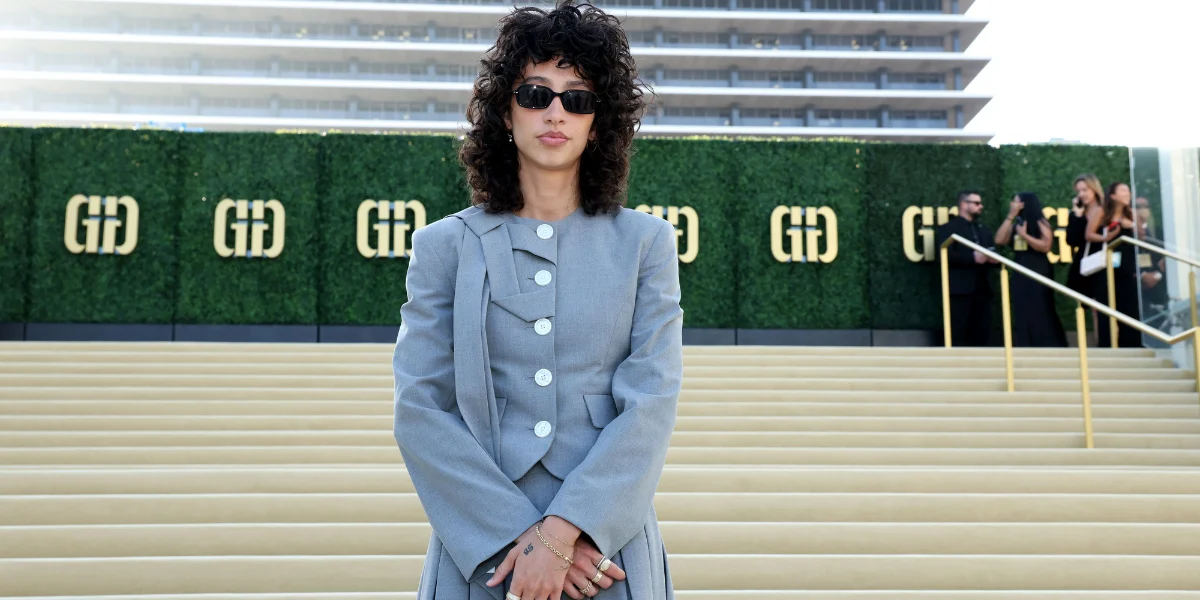
The landscape of digital media has fundamentally altered the relationship between public figures and their audiences, particularly within the LGBTQ+ community. In recent weeks, a series of social media engagements from high-profile queer celebrities has highlighted a shift toward radical authenticity, blending professional milestones with intimate glimpses into personal lives. From Tessa Thompson’s expanding role as a producer to Queen Latifah’s institutional recognition as a commencement speaker, these interactions signify a broader trend where visibility is no longer a peripheral aspect of a career but a central pillar of brand identity and community building.
The Evolution of Digital Visibility and Professional Expansion
The modern queer celebrity utilizes platforms like Instagram not merely for self-promotion, but as a curated archive of representation. This phenomenon is exemplified by figures such as Tessa Thompson and Cynthia Erivo, both of whom have leveraged their platforms to document their transitions from performers to industry power players. Thompson, known for her roles in the Marvel Cinematic Universe and Creed franchise, has increasingly focused on her production company, Viva Maude. Her recent social media activity confirms her involvement in producing high-concept narratives that prioritize marginalized voices. This shift reflects a broader industry trend where actors are seeking greater creative control to ensure authentic representation behind the scenes.
Similarly, Cynthia Erivo’s digital presence has become a focal point for fans following her journey toward potential EGOT (Emmy, Grammy, Oscar, Tony) status. As the release of the film adaptation of Wicked approaches, Erivo’s engagement with her audience serves as a testament to the cultural weight of the project. Her ability to blend high-fashion "looks" with vocal performances shared directly with followers creates a sense of accessibility that was historically unavailable to stars of her caliber.
Chronology of Recent Cultural Milestones
The past several days have seen a concentrated burst of activity from queer icons, marking several key events in the 2024 cultural calendar:
- Institutional Recognition (Mid-May 2024): Queen Latifah’s appearance as a commencement speaker at a major university underscored the intersection of celebrity and civic inspiration. Her address focused on the importance of authenticity and resilience, themes that resonate deeply with the LGBTQ+ demographic.
- The Rise of the "Queer Auteur" (Late May 2024): Hannah Einbinder, breakout star of the critically acclaimed series Hacks, has seen a surge in digital engagement following the premiere of the show’s third season. Her public persona, which often balances deadpan humor with high-fashion editorial content, has positioned her as a leading voice for Gen Z and millennial queer audiences.
- The Domesticity of Icons: Observations of figures like Melanie Lynskey and Gillian Anderson highlight a shift toward celebrating the mundane and the maternal. Lynskey’s candidness regarding the challenges of motherhood and the realities of the entertainment industry has fostered a unique "parasocial" bond with fans, often referred to in community spaces as a "close personal friendship."
- Production and Post-Production Insights: Tessa Thompson’s confirmation of her producing credits on upcoming projects provides a rare look into the labor-intensive "post-prank" or post-production phases of filmmaking, demystifying the Hollywood machine for her followers.
Supporting Data: The Impact of LGBTQ+ Visibility
The significance of these social media interactions is backed by data suggesting that LGBTQ+ visibility in media has a direct correlation with societal acceptance and economic influence. According to the 2023-2024 GLAAD "Where We Are on TV" report, representation of LGBTQ+ characters on streaming platforms has seen a steady increase, though it remains vulnerable to production shifts.
- Consumer Influence: Research indicates that 70% of LGBTQ+ consumers are more likely to purchase from brands that feature queer people in their advertisements or are endorsed by queer celebrities.
- Digital Engagement Rates: LGBTQ+ celebrities often see higher engagement-to-follower ratios compared to their heteronormative counterparts, largely due to the "community-first" nature of their fanbases.
- Social Media Safety: The 2023 GLAAD Social Media Safety Index (SMSI) noted that while platforms like Instagram provide vital spaces for queer expression, they also require celebrities to navigate complex moderation environments, making the "filtered vs. no filter" nature of their posts a political statement in itself.
Official Responses and Industry Implications
While official statements from talent agencies regarding social media strategy are rarely public, the actions of these celebrities speak to a coordinated effort to bypass traditional gatekeepers. By sharing "leaks" of their own fashion choices or behind-the-scenes footage of production meetings, figures like Gillian Anderson and Towa Bird are effectively controlling their own narratives.
Industry analysts suggest that this level of direct-to-consumer interaction reduces the reliance on traditional press junkets. When a celebrity like Gillian Anderson debuts a new aesthetic choice—such as the recent interest in her curly-haired "look"—it generates more organic engagement and news cycle traction than a standard interview. This "look-driven" economy is particularly potent in queer spaces, where fashion has historically served as a coded language of identity.
The reaction from the community has been overwhelmingly positive, with fans citing the "inspiring" nature of seeing queer women in positions of power and domestic stability. The "Mom" archetype, frequently applied to figures like Lynskey, represents a reclamation of domesticity that was often denied to queer women in previous decades.
Broader Impact and Social Implications
The broader impact of these digital interactions extends beyond mere entertainment. For many LGBTQ+ individuals, particularly those in geographically isolated or conservative areas, the social media feeds of celebrities like Queen Latifah or Hannah Einbinder serve as a lifeline to a broader community.
1. The Normalization of Queer Success
The transition of queer celebrities into roles of institutional authority—such as commencement speakers or executive producers—normalizes the idea of queer success. When Queen Latifah speaks at a graduation, she is not just a celebrity; she is a representative of the possibility of a long-term, respected career that survives and thrives outside the closet.
2. The Intersection of Fashion and Identity
The focus on "looks" and aesthetic choices, as seen in the coverage of Gillian Anderson and Hannah Einbinder, is not superficial. For the queer community, fashion is often a tool of subversion and self-actualization. Highlighting these choices serves to validate the diverse ways in which queer identity can be expressed, moving away from monolithic stereotypes.
3. Mentorship and the Next Generation
The "post-prank" insights shared by younger stars like Towa Bird provide a form of informal mentorship. By showing the "paperwork" and the mundane aspects of a creative career, these figures are providing a blueprint for the next generation of queer artists. It demystifies the path to success, making it appear attainable rather than accidental.
Conclusion and Future Outlook
As 2024 progresses, the trend of "No Filter" engagement is expected to intensify. The upcoming award seasons and major film releases will likely see these celebrities further integrating their personal convictions with their professional output. The data remains clear: the audience for authentic, queer-led content is expanding, and the celebrities who lean into this transparency are reaping the benefits in both cultural capital and career longevity.
The digital footprints of these icons are more than just a collection of photos; they are a real-time chronicle of a community in transition. From the "bad acoustics" of a restaurant shared by a famous mother to the high-stakes production offices of a Hollywood mogul, the spectrum of queer life is being documented with unprecedented detail. This transparency not only serves the current generation of fans but also builds a permanent archive of queer excellence for the future. The move away from the "prank" and toward the "paperwork" of life signifies a maturing media landscape where being queer is no longer the headline, but the foundation upon which a multifaceted life and career are built.