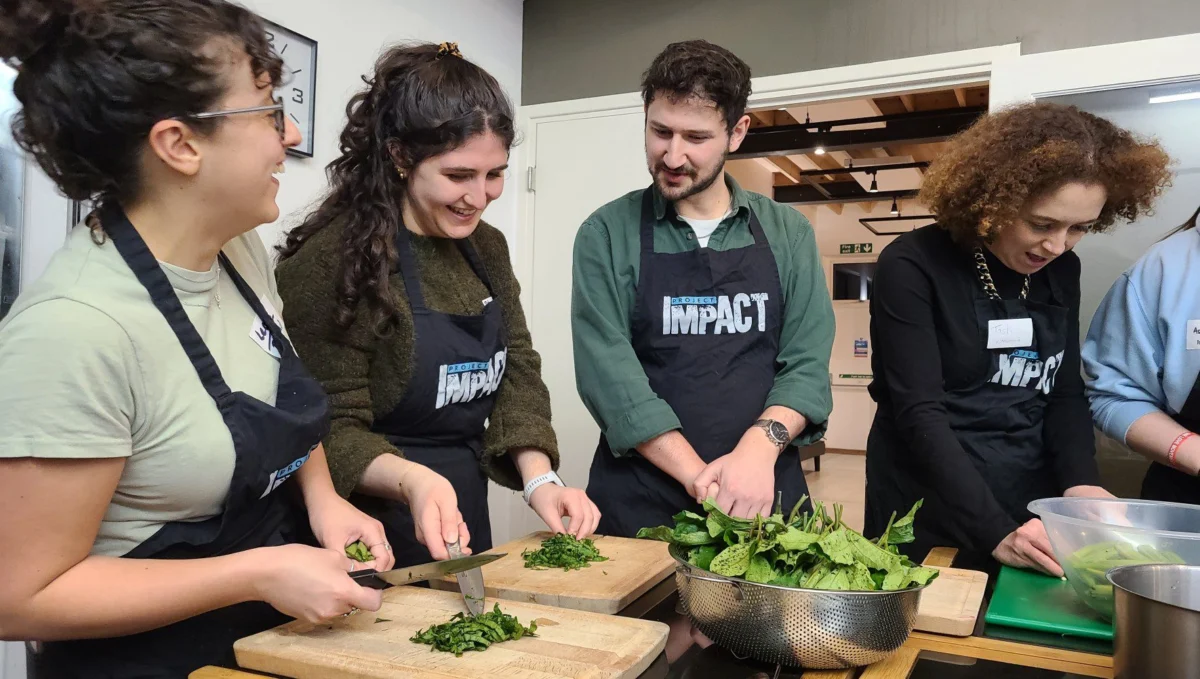
As Jewish communities worldwide prepare to observe Passover, a time steeped in the narrative of liberation from bondage, HIAS, the Jewish community’s global refugee resettlement agency, is issuing a poignant reminder of the holiday’s enduring relevance to the plight of refugees and displaced persons today. Rabbi-in-Residence Sarah Bassin articulates a profound connection between the ancient Passover story and the contemporary challenges faced by those forced to flee their homes, emphasizing that the familiar Seder question, "Why is this night different from all other nights?" serves as a potent call to action. This year, as in generations past, the difference lies not in a passive observation but in a conscious choice to remember, to empathize, and to act in solidarity with those seeking safety and dignity.
The Passover Seder, a ritual meal commemorating the Exodus from Egypt, is structured around the telling of a story, punctuated by symbolic foods and rituals designed to immerse participants in the experience of ancient Israelites. The Haggadah, the text guiding the Seder, explicitly outlines four symbolic acts that define this unique night. Bitter herbs, or maror, evoke the bitterness of oppression. Matzah, unleavened bread, represents the haste of their departure, baked without time for the dough to rise, mirroring the urgency of flight. The dipping of greens in salt water symbolizes the tears shed by those enslaved. Finally, reclining while eating signifies the comfort and safety achieved upon reaching freedom. Bassin notes that these are not mere abstract symbols but rather "the architecture of displacement itself – fear, flight, grief, and the aching hope for sanctuary."
The persistent question, "Why is this night different from all other nights?" is designed to provoke thought and engagement, extending beyond mere intellectual curiosity to stir the heart. The answer, Bassin asserts, lies in a profound recognition of shared human experience. Throughout history, Jewish people have themselves known the profound vulnerability of being uprooted and becoming strangers in unfamiliar lands. This collective memory, when coupled with the compassion of those who offered refuge, transformed despair into liberation. It is this blend of internal resilience and external intervention that forms the bedrock of the Passover narrative and, by extension, the imperative to assist current-day refugees.
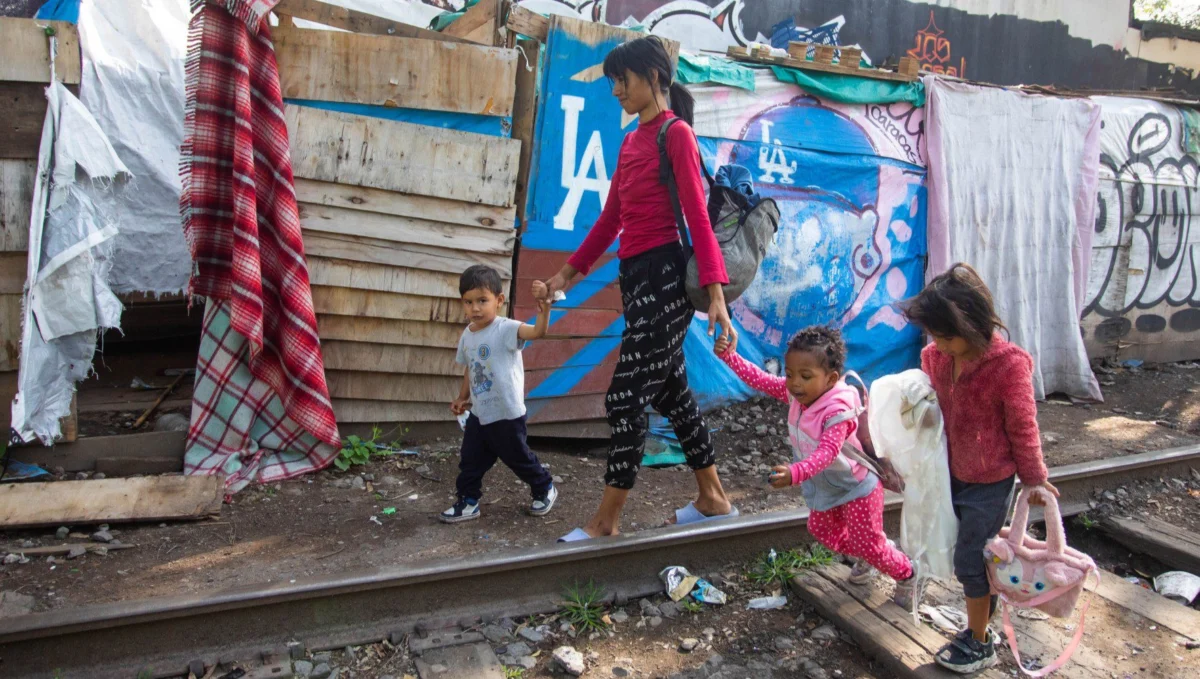
The urgency of this connection is underscored by the realities faced by families served by HIAS. As communities gather around their Seder tables, retelling the story of their ancestors’ liberation, numerous individuals are currently navigating journeys fraught with peril, echoing the ancient narrative. A mother fleeing with her children, carrying only what she could manage; a teenager in a new country, grappling with a foreign language to articulate basic needs like safety and home; an asylum seeker finally finding a moment of peace, free from the constant threat of violence – these are the contemporary manifestations of the Exodus story. The Haggadah, in its wisdom, refuses to allow for passive observance. It compels participants to confront the bitterness, feel the urgency, acknowledge the tears, and ultimately, to translate this understanding into tangible action.
The Mandate to See Oneself in the Stranger
Central to the Passover tradition is a powerful and challenging commandment: "In every generation, everyone is obligated to see themselves as though they personally left Egypt." This is far more than an exercise in hypothetical empathy. It is a profound call to responsibility, a recognition that memory remains incomplete without corresponding action. It is a demand to reciprocate the kindness and assistance that the Jewish people have received throughout their history, acting for others as they themselves were once aided.
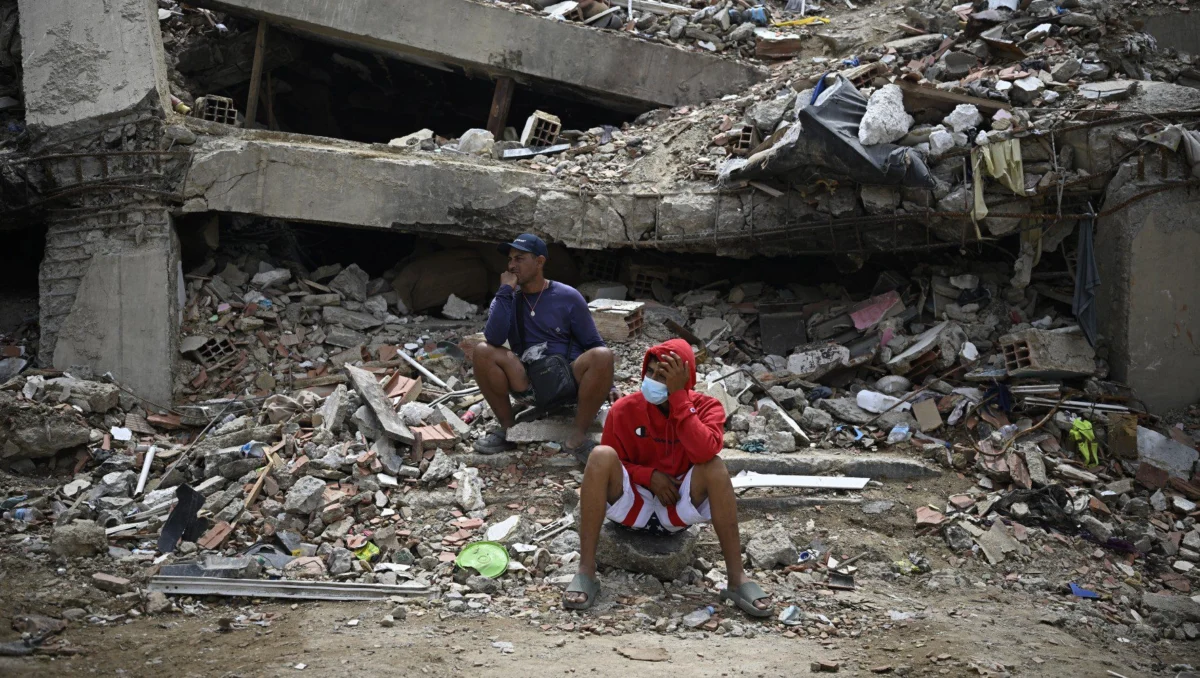
This imperative gains particular significance in the current global context. As of the end of 2023, the United Nations High Commissioner for Refugees (UNHCR) reported a record 117.3 million forcibly displaced people worldwide. This figure includes refugees, asylum seekers, and internally displaced persons, highlighting a global crisis of unprecedented scale. These individuals are often fleeing conflict, persecution, climate disasters, and systemic human rights abuses. Their journeys are marked by immense hardship, uncertainty, and often, a profound sense of loss.
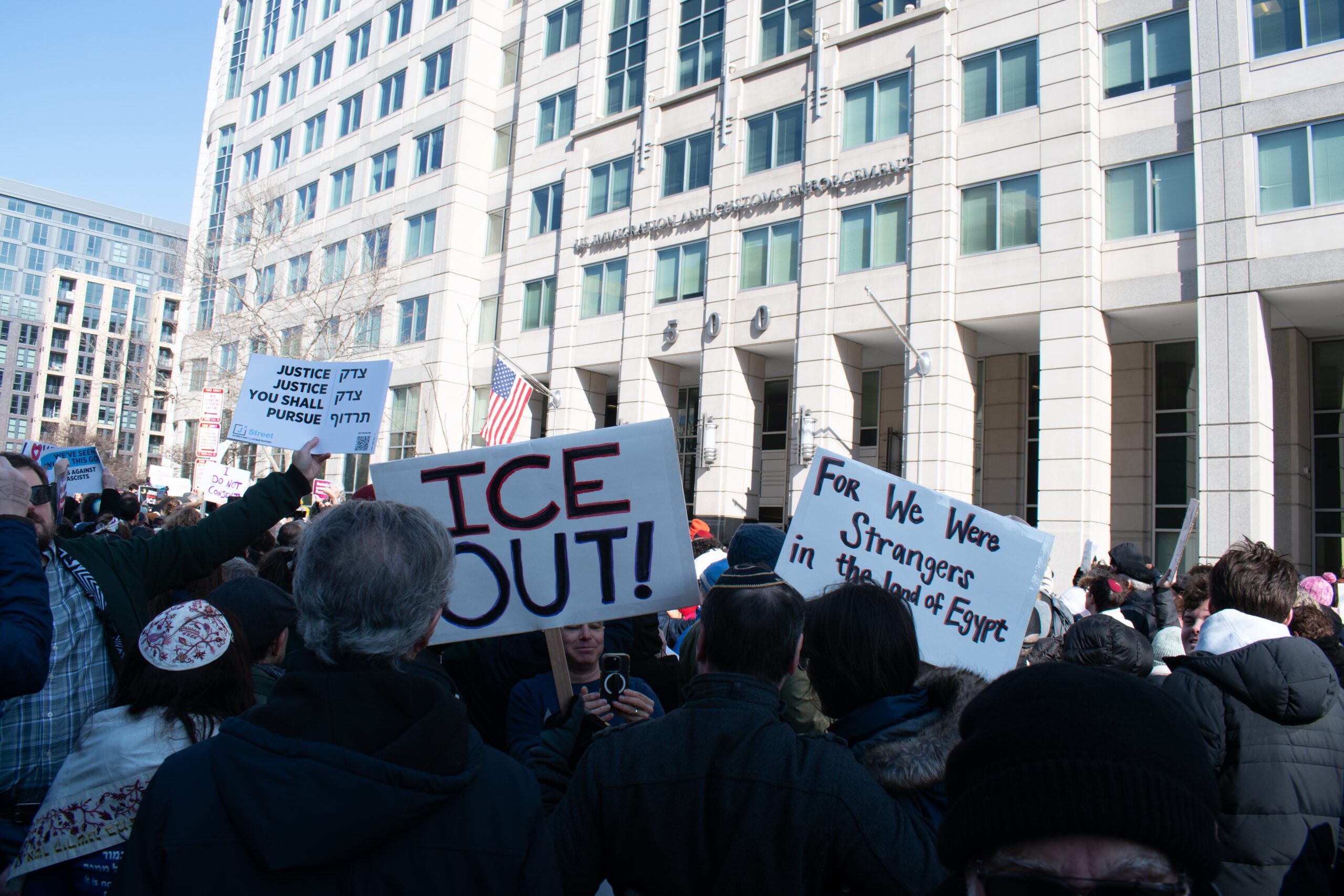
The xenophobia and shrinking protections faced by refugees and asylum seekers in many parts of the world today present a stark contrast to the ideals of welcome and compassion. Political narratives that often prioritize fear over empathy can lead to increasingly restrictive policies, jeopardizing the safety and dignity of vulnerable populations. In such an environment, the courage to extend a hand of welcome becomes not just an act of kindness, but a moral imperative.
Historical Parallels and Contemporary Challenges
The history of the Jewish people is intrinsically linked to the experience of displacement and the search for refuge. From ancient migrations to the expulsion from Spain in 1492, the pogroms of Eastern Europe, and the Holocaust, the imperative to flee and the search for sanctuary have been recurring themes. Each historical period has seen Jewish communities forced to seek refuge, often finding it in unexpected places, and at times, facing the painful reality of closed doors.
This historical consciousness informs HIAS’s mission. Founded in 1881 to aid Jews fleeing pogroms in Russia, HIAS has since expanded its mandate to serve all refugees, asylum seekers, and displaced persons, regardless of their faith or origin. The agency’s work is a living testament to the understanding that the struggle for liberation and safety is a universal one, transcending ethnic and religious boundaries.
The current geopolitical landscape presents a complex web of challenges for refugees. According to the Migration Policy Institute, over 4 million asylum applications were pending in OECD countries at the end of 2023, a significant increase from previous years. This backlog, coupled with increasing anti-immigrant sentiment in some host countries, creates significant obstacles for individuals seeking protection. Furthermore, the rise of authoritarian regimes and protracted conflicts in regions such as Ukraine, Sudan, and Syria continues to fuel global displacement.
The Passover Seder as a Catalyst for Action
The Passover Seder, therefore, is not merely a nostalgic recounting of past events; it is a dynamic ritual that compels contemporary relevance. The symbolic acts are designed to create an embodied understanding of the refugee experience, fostering a deep sense of connection and responsibility. When participants taste the maror, they are encouraged to contemplate the oppression that forces individuals to flee. When they eat the matzah, they are reminded of the urgent need to escape danger. The salt water is a tangible representation of the sorrow and loss that accompany displacement.
This immersive experience is intended to move individuals beyond passive sympathy towards active engagement. The Haggadah’s mandate to see oneself as having personally left Egypt is a powerful tool for building empathy. It challenges individuals to consider what they would need if they were forced to leave their homes with nothing but the clothes on their backs, facing an uncertain future. This imaginative exercise is crucial for fostering a willingness to act.
Beyond Symbols: Concrete Steps for Support
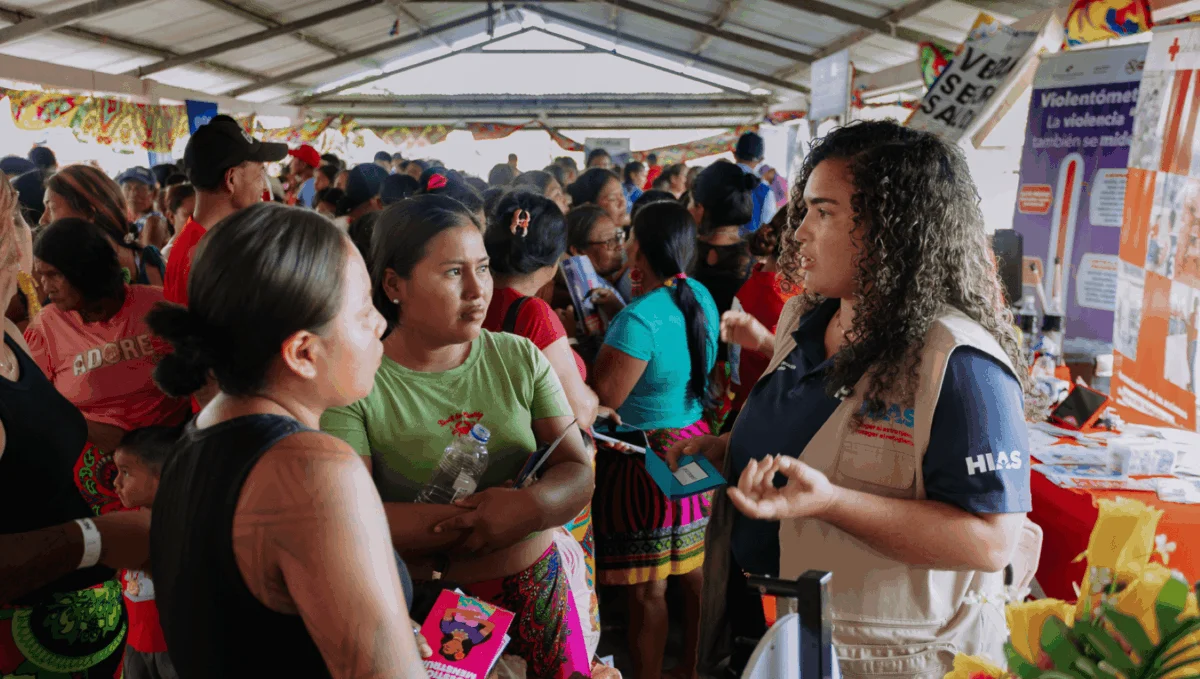
HIAS advocates for a multi-faceted approach to supporting refugees and immigrants, recognizing that the challenges they face require comprehensive solutions. This includes advocating for just and humane immigration policies, providing legal assistance to asylum seekers, offering resettlement services, and supporting community integration efforts.

Beyond direct assistance, HIAS emphasizes the power of collective action and advocacy. The organization encourages individuals to engage with their elected officials, support legislation that protects refugees, and challenge discriminatory rhetoric. Educating oneself and others about the realities of displacement and the contributions of refugees to society is also a critical step.
The related news highlighted by HIAS, "Seven Ways You Can Take Action for Immigrants," serves as a practical guide for individuals seeking to translate their Passover reflections into tangible support. These avenues often include:
- Donating to organizations like HIAS that provide direct assistance and advocacy.
- Volunteering time to support refugee resettlement programs.
- Contacting elected officials to express support for refugee protection.
- Challenging misinformation and xenophobia in personal conversations and online.
- Welcoming refugees and immigrants into local communities.
- Educating oneself and others about the root causes of displacement and the experiences of refugees.
- Supporting businesses that employ or are founded by immigrants and refugees.
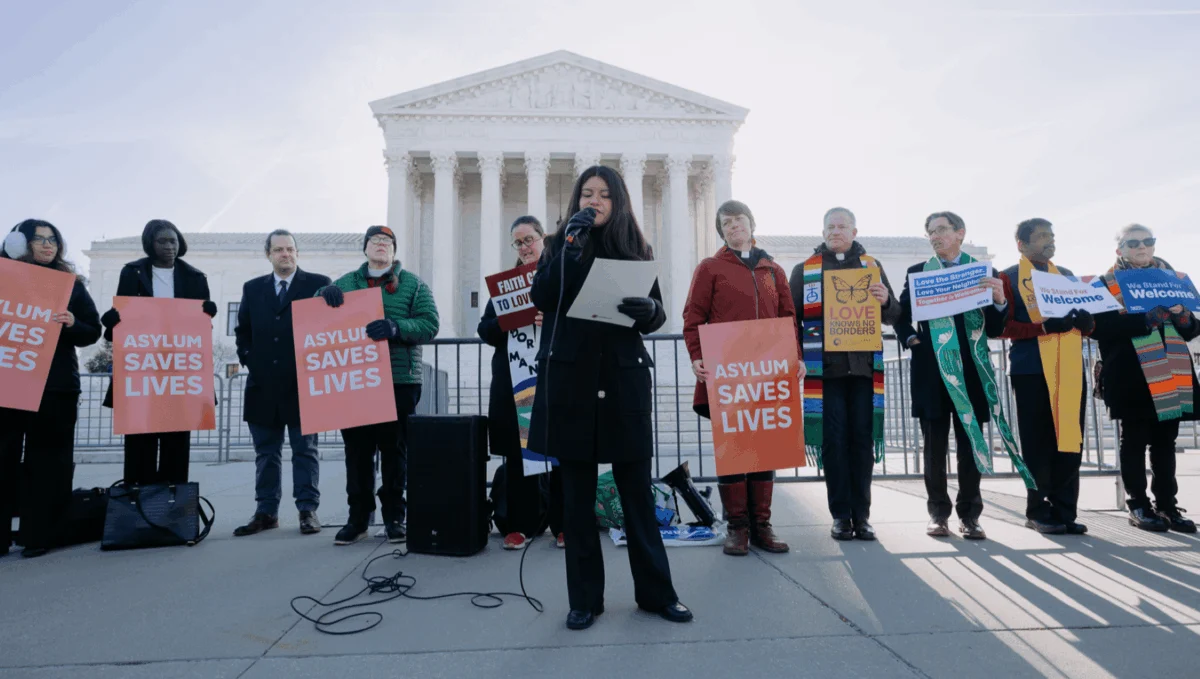
The image accompanying this call to action, depicting HIAS supporters gathered outside a courthouse, symbolizes the ongoing struggle for justice and the vital role of public advocacy in protecting the rights of asylum seekers and refugees.
Conclusion: A Passover of Action and Hope
This Passover, as communities gather to celebrate freedom and remembrance, the question "Why is this night different?" resonates with a profound contemporary urgency. It is different because we choose not to be distracted by the complexities of the world but to focus on the shared humanity that binds us. It is different because we consciously choose to remember the lessons of our own history, recognizing the echoes of ancient suffering in the lives of today’s refugees. And most importantly, it is different because we choose to act.
The Passover narrative is a testament to the transformative power of compassion and the enduring human capacity for resilience. By embracing the commandment to see ourselves in the stranger, we can extend the spirit of liberation from our Seder tables into the wider world. In doing so, we honor the past, address the present crisis, and build a future where safety, dignity, and opportunity are accessible to all who are forced to flee their homes. The call to action is clear: let this Passover be a testament to our commitment to welcoming the stranger and protecting the vulnerable, ensuring that the story of liberation continues to unfold for generations to come.