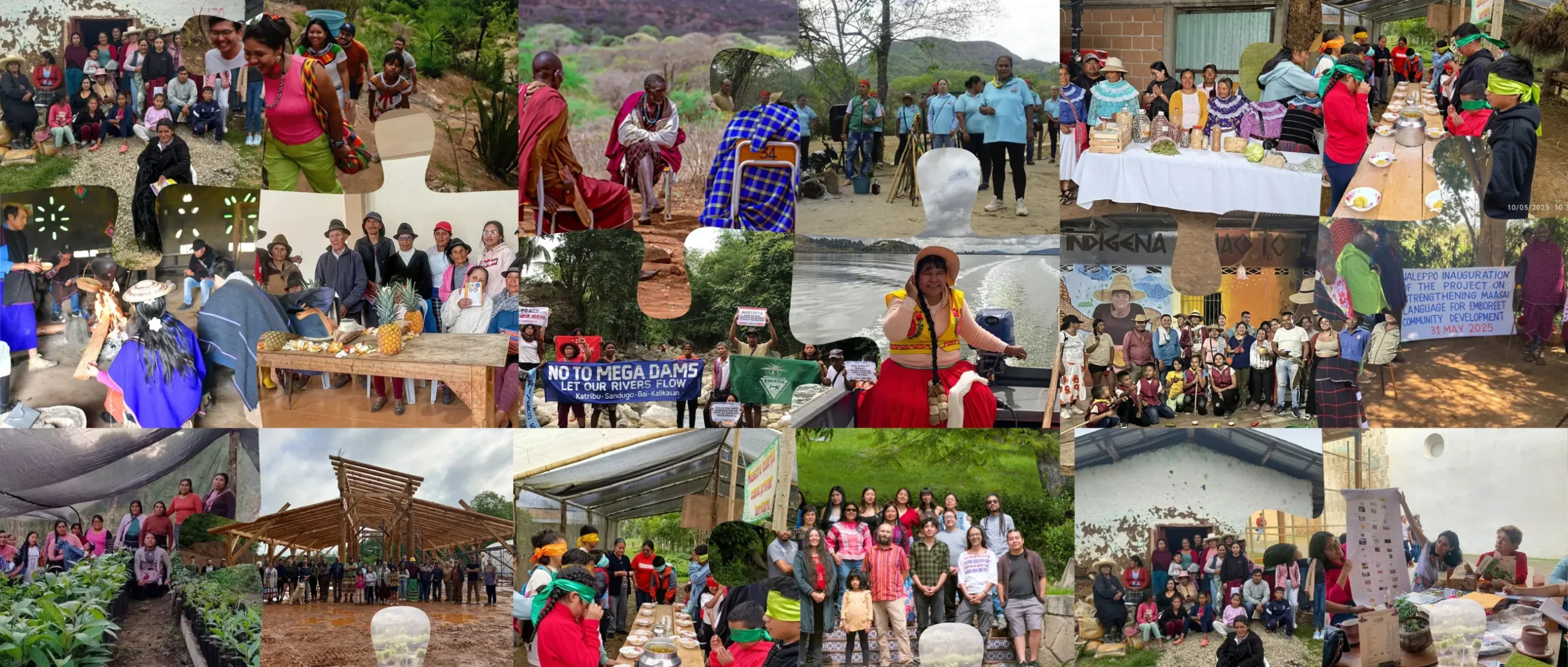
In 2026, the Keepers of the Earth Fund (KOEF) commemorates its tenth significant funding cycle, a milestone underscoring a decade of unwavering direct support for Indigenous Peoples across the globe. Since its inception in 2017, the KOEF, a vital initiative led by Indigenous Peoples themselves and managed by Cultural Survival, has been instrumental in bolstering advocacy and community development projects. This anniversary highlights the fund’s substantial impact, having disbursed a total of $3,232,000 through 506 grants across 42 countries, directly empowering Indigenous communities, collectives, organizations, and traditional governments to implement projects aligned with their inherent values and self-determined priorities.
The KOEF operates on a robust rights-based framework, drawing inspiration and guidance from the United Nations Declaration on the Rights of Indigenous Peoples (UNDRIP). This strategic approach ensures that grant-making decisions are intrinsically linked to supporting Indigenous-led solutions that address pressing challenges and foster sustainable development. The fund’s philosophy emphasizes a holistic engagement, cultivating enduring relationships with its partners. This commitment is evident in the ongoing support provided to a significant portion of its grantees, with eight partners now receiving their third grant and twenty-four entering their second round of funding, in addition to comprehensive support through Cultural Survival’s broader Advocacy, Communications, and Capacity Building programs.
A Decade of Growth and Impact: Key Milestones
The establishment of the Keepers of the Earth Fund in 2017 was a direct response to the identified need for flexible, accessible, and Indigenous-controlled funding mechanisms. Prior to its launch, Indigenous communities often faced significant barriers in accessing traditional grant structures, which could be bureaucratic, misaligned with cultural protocols, or fail to recognize the unique challenges and priorities faced by Indigenous Peoples. Cultural Survival, with its long history of partnership and advocacy for Indigenous rights, recognized the imperative to create a fund that was not only resourced but also governed by Indigenous voices.
The initial funding cycles focused on building trust and establishing a track record of successful project implementation. Early grants supported a diverse range of initiatives, from land defense and cultural preservation to the establishment of Indigenous-run educational programs and the revitalization of traditional economies. The fund’s commitment to direct financial support, bypassing intermediaries where possible, ensured that resources reached the ground quickly and efficiently, allowing communities to respond to immediate needs and pursue long-term strategic goals.
The Tenth Cycle: A Snapshot of Current Endeavors
The 2026 funding cycle, marking the tenth anniversary of the KOEF, has been particularly impactful, awarding 60 grants totaling $564,000. These funds are being channeled into vital projects across 19 countries, demonstrating the KOEF’s expansive reach and its continued relevance in addressing contemporary Indigenous challenges. The distribution of these grants reflects a strategic focus on diverse areas of Indigenous empowerment.
A significant portion of this year’s funding, 17 grants, has been directed to Indigenous traditional governments. This highlights the KOEF’s recognition of the crucial role that established Indigenous governance structures play in community well-being and self-determination. These grants are expected to bolster their capacity to manage resources, implement development plans, and assert their rights on national and international stages.
Furthermore, nine grants have been allocated to Indigenous women’s organizations. This focus acknowledges the indispensable leadership and contributions of Indigenous women in their communities, particularly in areas of cultural preservation, environmental stewardship, and social justice. By supporting these organizations, the KOEF is actively working to amplify women’s voices and ensure their equitable participation in decision-making processes.
In a critical move to protect those on the front lines of Indigenous rights advocacy, six grants were specifically awarded to Indigenous rights defenders in Kichwa, Tseltal, and Inga communities. These individuals and groups are often subjected to significant risks due to their activism. The grants provided vital support for immediate needs such as transportation, food, medical care, and essential security measures, underscoring the KOEF’s commitment to the safety and well-being of those defending Indigenous territories and rights against threats.
Transmission of Indigenous Knowledge, Values, and Worldviews: A Core Focus
A cornerstone of the KOEF’s mission, as highlighted in its recent funding cycle, is the preservation and transmission of Indigenous knowledge, values, and worldviews. Indigenous communities worldwide are actively engaged in safeguarding their cultural heritage, recognizing that this transmission is fundamentally dependent on intergenerational learning and its integration into daily life. The KOEF supports projects that aim to strengthen these cultural foundations, with a particular emphasis on educational programs designed to engage younger generations.
These initiatives often involve the documentation of oral histories, the revitalization of Indigenous languages, the teaching of traditional ecological knowledge, and the integration of cultural practices into formal and informal education systems. By investing in these programs, the KOEF is not only helping to preserve cultural identity but also equipping future generations with the knowledge and values necessary to navigate contemporary challenges and advocate for their rights effectively. The transmission of these invaluable cultural assets ensures the continuity of Indigenous Peoples’ unique perspectives on the world and their relationship with the natural environment.
Broader Impact and Future Implications
The sustained investment by the Keepers of the Earth Fund over the past decade has had a tangible and multifaceted impact on Indigenous communities. By providing direct financial support, the KOEF empowers Indigenous Peoples to define their own development pathways, fostering greater self-reliance and resilience. The emphasis on Indigenous leadership in project design and implementation ensures that initiatives are culturally appropriate, contextually relevant, and more likely to achieve sustainable outcomes.
The fund’s approach to building long-term relationships is a critical factor in its success. The repeated support for partner organizations signifies a deeper understanding of their evolving needs and a commitment to their sustained growth. This fosters a sense of trust and collaboration, enabling more ambitious and impactful projects to be undertaken. The inclusion of support through Cultural Survival’s broader programs further amplifies the impact, providing partners with essential resources for advocacy, communication, and capacity development, thereby strengthening their overall effectiveness.
The grants to Indigenous rights defenders, though often focused on immediate needs, represent a crucial form of solidarity and protection. In regions where Indigenous Peoples face severe threats to their lives and livelihoods, this support can be life-saving, enabling activists to continue their vital work of defending land, resources, and human rights. This aspect of the KOEF’s work underscores its commitment to addressing the most pressing security concerns faced by Indigenous communities.
Looking ahead, the continued success and expansion of the Keepers of the Earth Fund are vital for the global Indigenous rights movement. As Indigenous communities grapple with the accelerating impacts of climate change, resource extraction, and political marginalization, access to flexible and responsive funding will remain indispensable. The KOEF’s proven model of Indigenous-led grant-making offers a powerful example of how international support can be most effectively deployed to empower marginalized communities and advance their aspirations for self-determination and sustainable futures. The decade-long legacy of the KOEF serves as a testament to the power of direct, respectful, and rights-based support in fostering lasting positive change for Indigenous Peoples worldwide. The fund’s ongoing commitment to empowering Indigenous voices and supporting their self-determined initiatives will undoubtedly continue to shape a more just and equitable future.