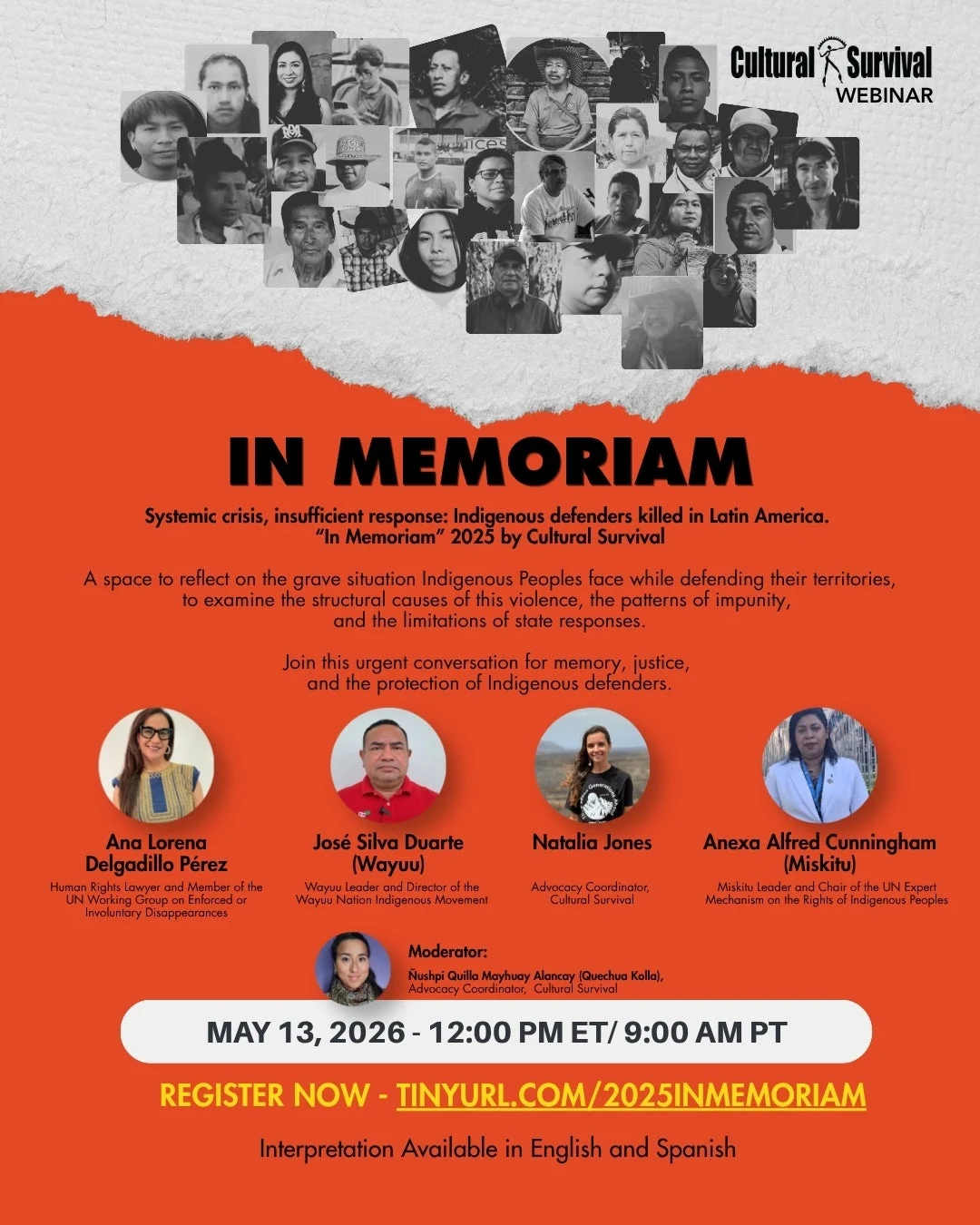
The year 2026 has marked a profound period of loss for the Indigenous rights movement, with several prominent leaders and tireless advocates being mourned by communities worldwide. Cultural Survival, an organization dedicated to supporting Indigenous Peoples’ self-determination, cultures, and political resilience since 1972, has recognized this significant period of remembrance. While the provided text references an "In memoriam" image and a date of May 13, 2026, this article expands upon the broader context and potential impact of such a memorial, even in the absence of specific names or detailed event descriptions in the source material. The organization’s enduring mission to champion Indigenous voices and its vision for a future where these rights are respected and honored underscore the critical importance of acknowledging and remembering those who have dedicated their lives to these causes.
The Significance of Memorialization in Indigenous Rights Movements
The act of memorialization, particularly within Indigenous communities and for those who champion their rights, serves multiple crucial functions. It is not merely an act of remembrance but a vital process of cultural preservation, historical acknowledgment, and the continued inspiration of future generations. When prominent figures within Indigenous movements pass, their absence creates a void that can be deeply felt. These individuals often serve as cultural anchors, repositories of traditional knowledge, and powerful voices in advocating for land rights, linguistic preservation, and the protection of sacred sites. Their passing can also represent a loss of institutional memory and established advocacy networks.
Cultural Survival’s commitment to Indigenous self-determination means they understand the deep cultural significance of honoring ancestors and leaders. These memorial events, whether formal or community-led, reinforce the collective identity of Indigenous Peoples and celebrate the legacies of those who fought for their rights. In the context of a global Indigenous rights movement, such recognitions also serve to inform international bodies, governments, and the broader public about the ongoing struggles and triumphs of Indigenous communities. By highlighting the contributions of lost leaders, these memorials can galvanize support and renew commitment to the causes they championed.
A Hypothetical Chronology of Loss and Remembrance in 2026
While specific individuals are not named in the provided snippet, one can infer that the "In memoriam" designation points to a period of significant farewells. If we consider a hypothetical scenario for 2026, the loss of key figures could have occurred throughout the year, leading to a cumulative impact.
- Early 2026: Perhaps the year began with the passing of an elder who was a respected keeper of ancestral stories and traditions for a particular nation. This loss would have been deeply felt within their immediate community, prompting local ceremonies and the sharing of their wisdom.
- Mid-2026 (leading up to May): As the date of May 13, 2026, approaches, it’s plausible that a more prominent advocate, perhaps one with national or international recognition for their work on environmental justice or Indigenous governance, passed away. This could have prompted a broader organizational response, such as the webinar alluded to by the "webinar image" and date. This event would have served as a platform for diverse voices to share their grief, celebrate the individual’s achievements, and reflect on the ongoing challenges.
- Late 2026: Subsequent months might have seen further losses, each prompting individual community responses and potentially smaller, localized gatherings. The cumulative effect of these departures would have underscored the fragility of leadership within the movement and the urgent need to nurture and empower emerging Indigenous leaders.
This hypothetical chronology underscores the continuous nature of advocacy and the perpetual need for remembrance and support within Indigenous communities. Each loss, regardless of the scale of public recognition, represents a profound moment for the affected peoples.

Supporting Data: The Vital Role of Indigenous Leadership
The impact of losing experienced Indigenous leaders is amplified when considering the critical work they undertake. Indigenous Peoples, who constitute approximately 5% of the world’s population, are stewards of 20% of the landmass and are responsible for protecting 80% of the world’s biodiversity. Leaders within these communities are often at the forefront of defending these territories against extractive industries, climate change impacts, and cultural assimilation.
- Land Rights and Environmental Protection: Data from organizations like the UN Permanent Forum on Indigenous Issues consistently highlights the disproportionate impact of environmental degradation on Indigenous lands. Leaders are crucial in negotiating land rights, advocating for Free, Prior, and Informed Consent (FPIC) in development projects, and protecting vital ecosystems. The loss of a seasoned negotiator or a respected elder who holds traditional ecological knowledge can significantly hinder these efforts.
- Cultural and Linguistic Revitalization: Indigenous languages are disappearing at an alarming rate. Studies by UNESCO indicate that half of the world’s languages are endangered, with a significant proportion belonging to Indigenous communities. Leaders often play a pivotal role in language immersion programs, cultural education initiatives, and the intergenerational transmission of cultural practices. Their absence can disrupt these vital revitalization efforts.
- Self-Determination and Governance: The fight for self-determination is ongoing for many Indigenous Peoples. Leaders are instrumental in developing and implementing Indigenous governance systems, advocating for legal recognition of their rights, and engaging with national and international bodies. Their expertise in navigating complex legal and political landscapes is invaluable.
Cultural Survival’s Mission and Vision: A Beacon of Support
Cultural Survival’s enduring mission, "advocates for Indigenous Peoples’ rights and supports Indigenous communities’ self-determination, cultures and political resilience, since 1972," provides a crucial framework for understanding why they would acknowledge such "In memoriam" events. Their work encompasses a wide range of activities:
- Grantmaking: Providing direct financial support to Indigenous-led organizations and projects worldwide.
- Advocacy: Engaging with governments and international institutions to promote Indigenous rights.
- Media and Education: Producing radio programs, publications, and educational materials to amplify Indigenous voices and perspectives.
- Emergency Support: Assisting Indigenous communities facing crises.
Their vision, "Cultural Survival envisions a future that respects and honors Indigenous Peoples’ inherent rights and dynamic cultures, deeply and richly interwoven in lands, languages, spiritual traditions, and artistic expression, rooted in self-determination and self-governance," directly reflects the values and aspirations of the leaders they would be commemorating. The passing of dedicated individuals is a stark reminder of the continuous effort required to realize this vision.
Potential Reactions and Statements from Related Parties
In the event of the passing of influential Indigenous leaders, reactions would likely emanate from various sectors:
- Indigenous Communities: Immediate expressions of grief, tributes, and the continuation of traditional ceremonies would be observed within the affected communities. These often involve recounting the deceased’s contributions, sharing personal anecdotes, and reinforcing the lessons they imparted.
- Indigenous Organizations: Fellow Indigenous organizations, both within the nation and internationally, would issue statements of condolence, acknowledging the significant loss to the broader movement. They might highlight the departed leader’s specific contributions and reaffirm their commitment to continuing their work.
- Human Rights Organizations: International human rights watchdogs and advocacy groups would likely release statements acknowledging the impact of the loss on the global Indigenous rights landscape. They might call for renewed attention to the issues the leader championed.
- Academic and Research Institutions: Scholars and researchers specializing in Indigenous studies, anthropology, and political science would offer tributes, contextualizing the leader’s work within their academic fields and emphasizing the importance of preserving their legacy.
- Government Officials and International Bodies: While responses can vary, some government officials and representatives from international organizations like the United Nations might issue statements acknowledging the contributions of the departed leader, particularly if they were involved in significant policy discussions or negotiations.
Analysis of Implications: Sustaining Momentum in the Face of Loss
The passing of key figures in the Indigenous rights movement, while a cause for sorrow, also presents opportunities for reflection and strategic adaptation.
- Intergenerational Knowledge Transfer: The loss of elders and experienced advocates highlights the urgent need for robust intergenerational knowledge transfer mechanisms. This involves actively mentoring younger generations, documenting traditional knowledge, and ensuring that the lessons learned from past struggles are passed on effectively. Organizations like Cultural Survival play a vital role in facilitating these transitions through their programs and networks.
- Strengthening Collective Action: While individual leaders are important, the sustainability of movements often relies on strong collective action. The passing of prominent figures can serve as a catalyst for communities and organizations to strengthen their collaborative efforts, share resources, and develop more resilient leadership structures that are not dependent on a single individual.
- Amplifying Emerging Voices: In the wake of significant losses, there is an increased imperative to identify, support, and amplify the voices of emerging Indigenous leaders. This requires providing them with the necessary training, resources, and platforms to step into leadership roles and continue the work of their predecessors.
- Renewed Commitment to Advocacy: Memorial events, such as the one potentially alluded to by Cultural Survival, serve not only to honor the deceased but also to recommit the living to the ongoing struggle for Indigenous rights. They are powerful reminders of the sacrifices made and the importance of perseverance in the face of persistent challenges.
The "In memoriam" designation and the associated date serve as a poignant reminder of the human element within the long and complex history of Indigenous rights advocacy. Cultural Survival’s continued dedication to its mission and vision underscores the enduring importance of remembering those who have contributed to this vital cause, ensuring their legacies inform and inspire the ongoing pursuit of justice and self-determination for Indigenous Peoples worldwide. The commitment to supporting these communities, as demonstrated by Cultural Survival, remains a critical bulwark in safeguarding cultural heritage, human rights, and the future of Indigenous Peoples.