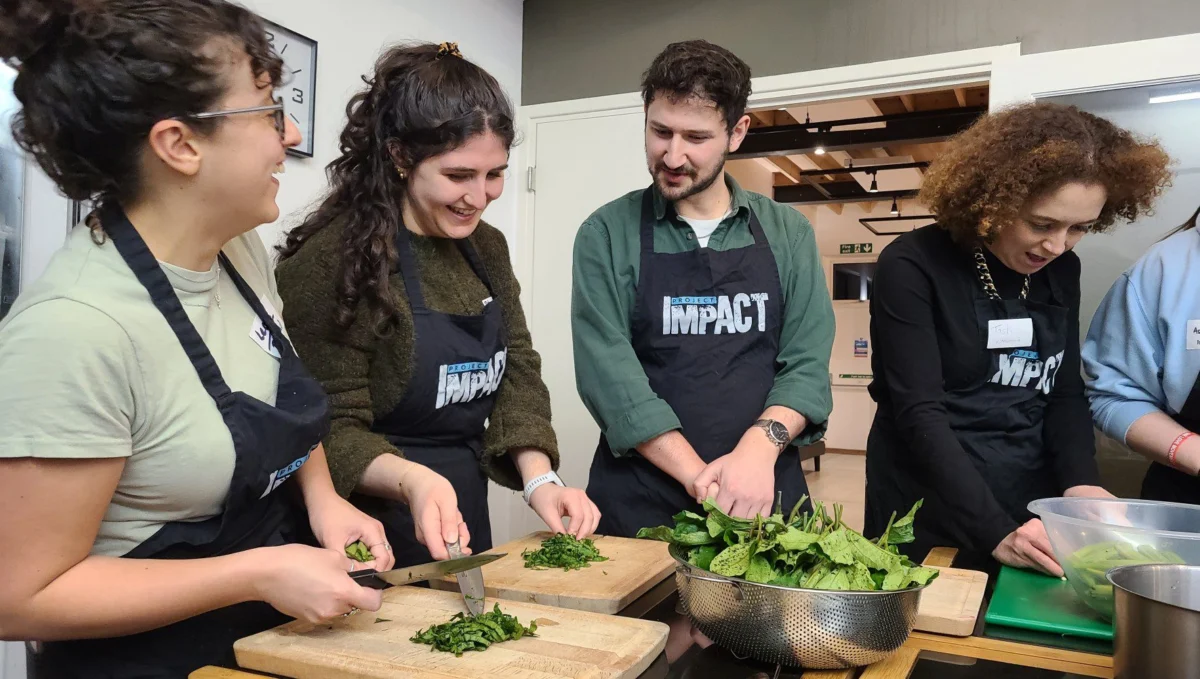
March 31, 2026 – As communities around the world prepare to observe Passover, a profound question echoes through the rituals and reflections of the Seder: "Why is this night different from all other nights?" This year, Rabbi-in-Residence Sarah Bassin of HIAS (formerly the Hebrew Immigrant Aid Society) underscores the urgent contemporary relevance of this ancient inquiry, urging a conscious commitment to remembrance and decisive action in support of refugees and immigrants. The traditional answer, rooted in the symbolic acts of the Passover Seder, transcends mere historical recitation; it serves as a powerful framework for understanding and addressing the ongoing plight of those displaced and seeking refuge today.
The Enduring Significance of Passover Symbols
The Passover Seder, commemorating the Exodus from ancient Egypt, is replete with symbolic foods and rituals designed to immerse participants in the experience of liberation. Each element carries a profound historical and emotional weight, connecting the present generation to the struggles and triumphs of their ancestors.
- Bitter Herbs (Maror): Representing the bitterness of oppression and slavery, the maror serves as a stark reminder of the suffering endured by those enslaved in Egypt. Today, it evokes the pain and hardship faced by individuals and families fleeing persecution, violence, and systemic discrimination.
- Matzah: The unleavened bread, baked in haste by the Israelites as they fled Egypt, symbolizes the urgency of their departure and the lack of time to prepare. For contemporary refugees, matzah reflects the often sudden and perilous nature of their flight, forced to leave their homes with little notice and fewer resources.
- Salt Water: Dipping in salt water, symbolizing tears, connects participants to the sorrow and grief associated with displacement and loss. It acknowledges the emotional toll of leaving behind familiar lives, loved ones, and cultural heritage.
- Reclining: The act of reclining during the Seder signifies freedom and rest, a luxury denied to those in bondage. For those who have recently found safety, reclining can represent the first moments of peace after a period of intense fear and uncertainty, a hard-won opportunity to breathe and begin rebuilding.
These are not abstract symbols; they are described by HIAS as "the architecture of displacement itself – fear, flight, grief, and the aching hope for sanctuary." The Haggadah, the text guiding the Seder, deliberately integrates these elements to foster a deep, visceral understanding of the refugee experience.
A Mandate for Empathy and Action
The central question of the Passover Seder, "Why is this night different from all other nights?", is designed not only to pique curiosity but to awaken the conscience. According to Rabbi Bassin, the answer lies in the conscious choice to remember and to act. This Passover, as families gather, the experiences of refugees and asylum seekers around the globe resonate with the ancient narrative of displacement.
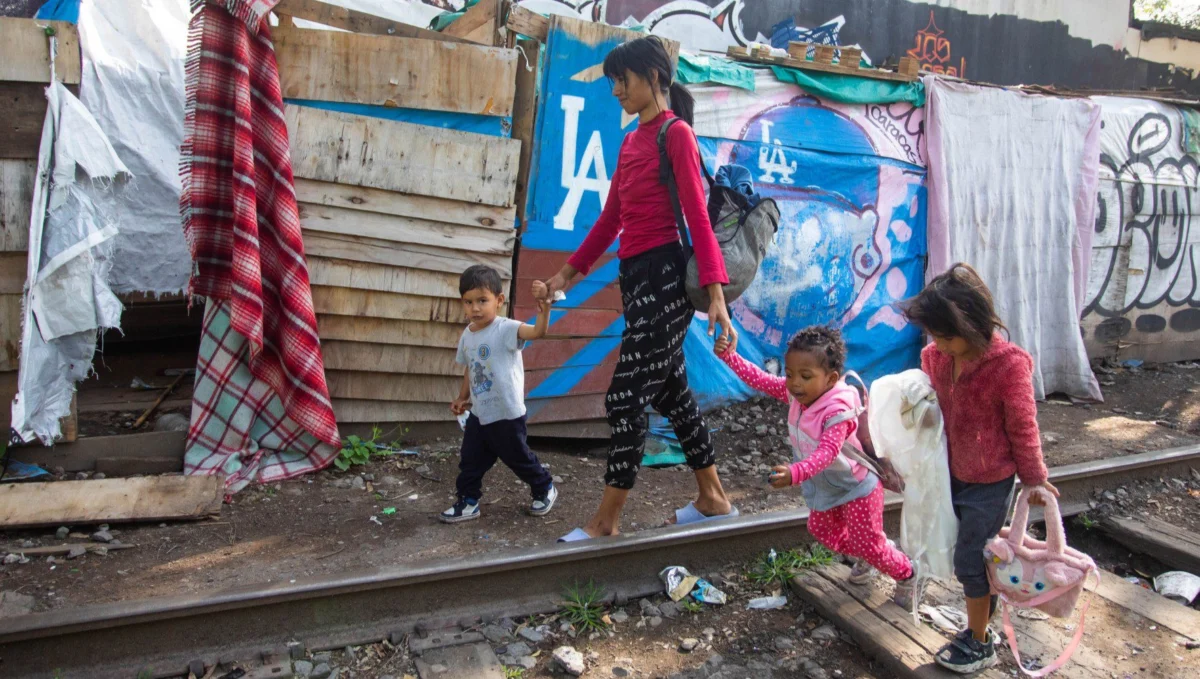
"A mother crossing borders with her children, carrying only what she could grab," Bassin writes, "A teenager in a new country, learning words for ‘safe’ and ‘home’ in a language that’s not yet familiar. An asylum seeker finally able to sleep without fear – maybe for the first time in years." These contemporary realities mirror the historical struggle for freedom and safety that Passover commemorates.
The Haggadah presents a powerful and challenging mandate: "In every generation, everyone is obligated to see themselves as though they personally left Egypt." This is not a passive exercise in historical imagination; it is an active call to responsibility. HIAS emphasizes that "memory without action is incomplete. A demand that we do for others what was once done for us." This principle of reciprocal compassion is a cornerstone of Jewish tradition and a driving force behind HIAS’s mission.
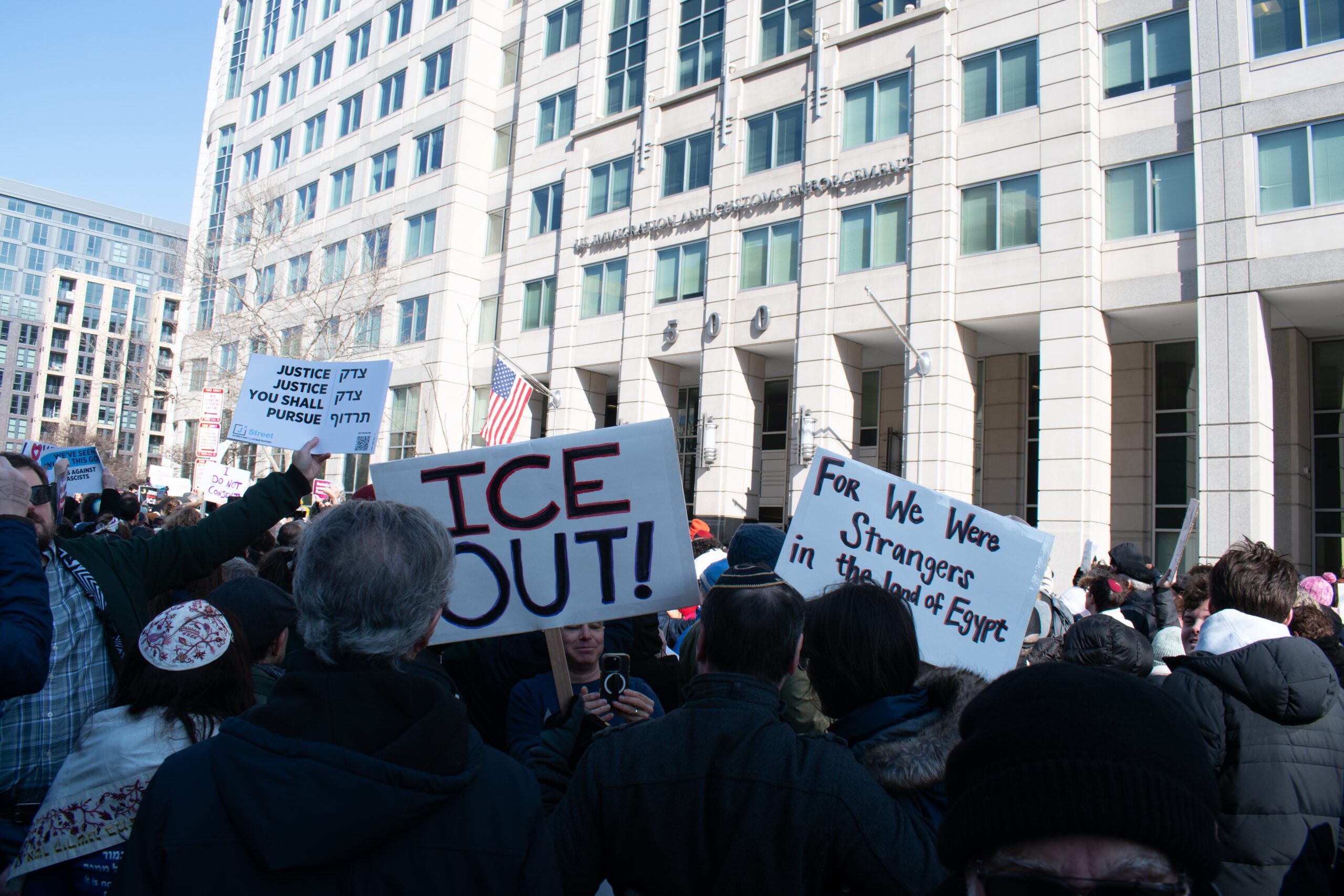
Global Context of Displacement in 2026
As of early 2026, the global displacement crisis continues to escalate, presenting unprecedented challenges. According to the United Nations High Commissioner for Refugees (UNHCR), the number of forcibly displaced people worldwide has surpassed 110 million. This figure includes refugees, asylum seekers, and internally displaced persons (IDPs) forced to flee their homes due to conflict, persecution, violence, and human rights violations.
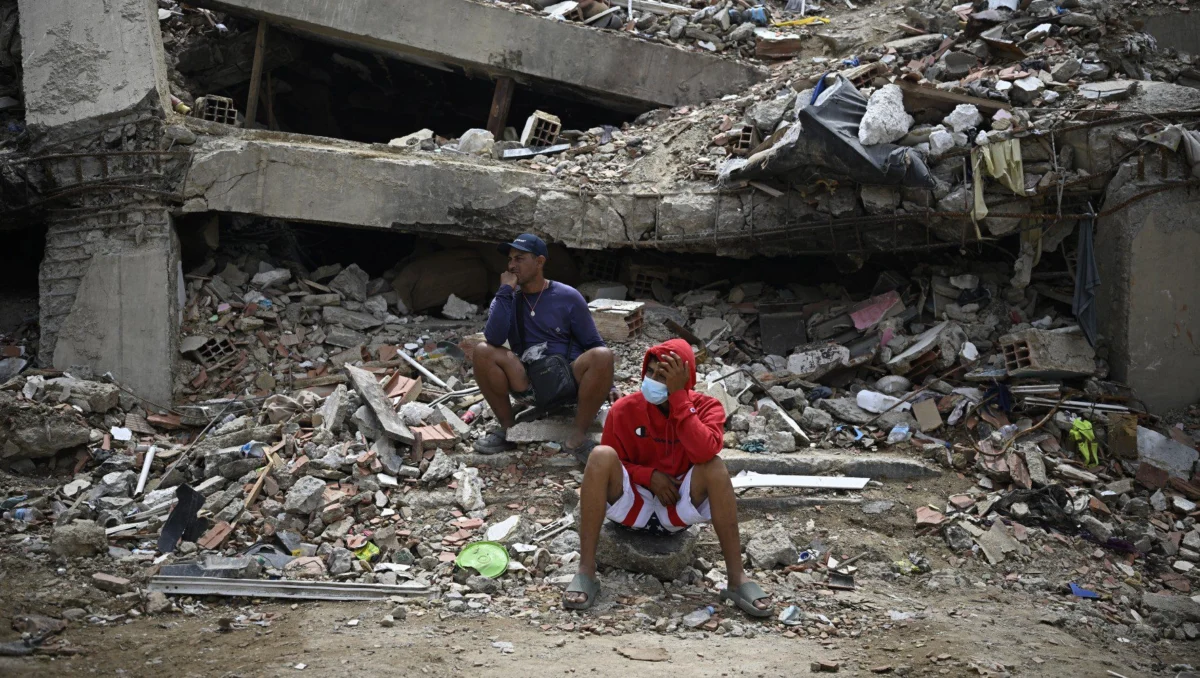
The year 2026 is marked by a complex geopolitical landscape, with ongoing conflicts in regions such as Eastern Europe, the Middle East, and parts of Africa contributing to new waves of displacement. Furthermore, the impacts of climate change are increasingly becoming a driver of migration, as extreme weather events and resource scarcity render certain areas uninhabitable.
In this context, the xenophobia and shrinking protections mentioned by Rabbi Bassin are not isolated incidents but systemic challenges. Many countries are grappling with increased migration flows, leading to heightened political tensions, restrictive immigration policies, and a rise in anti-immigrant sentiment. The erosion of asylum systems and the securitization of borders are significant concerns, directly impacting the safety and dignity of those seeking refuge.
HIAS’s Role and the Call to Welcome
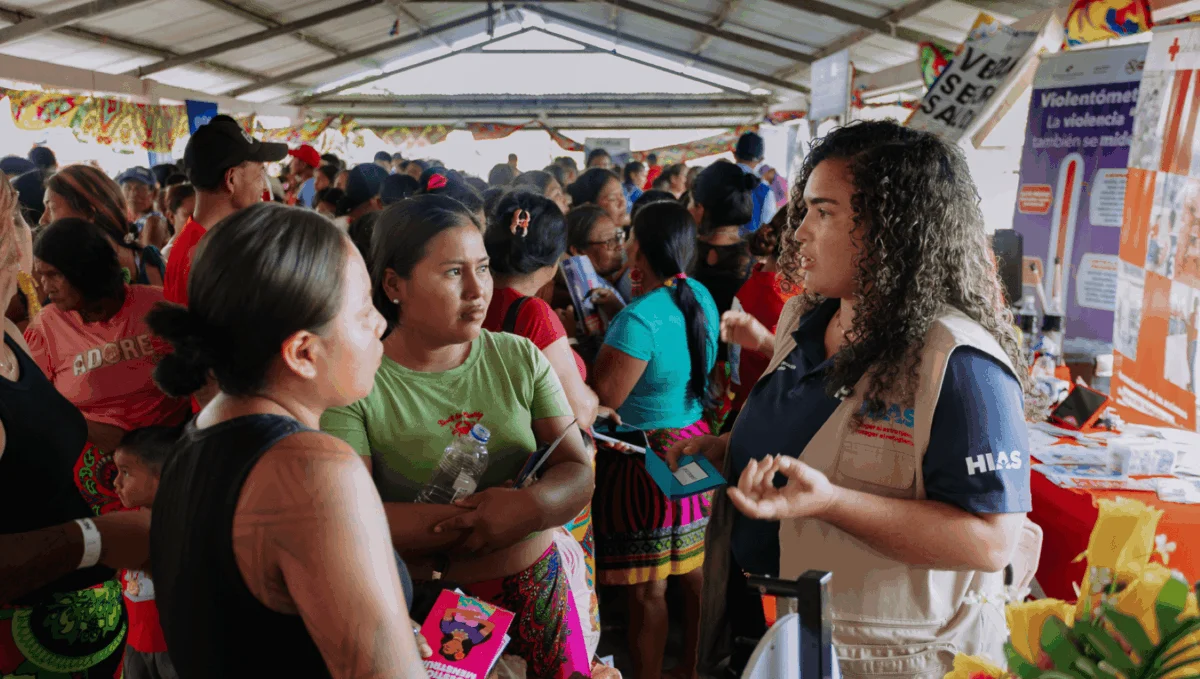
HIAS, with a history spanning over a century, has been a consistent advocate for refugees and immigrants, providing vital legal, social, and resettlement services. The organization’s work is deeply rooted in the Jewish value of pikuach nefesh (saving a life) and the commandment to welcome the stranger.
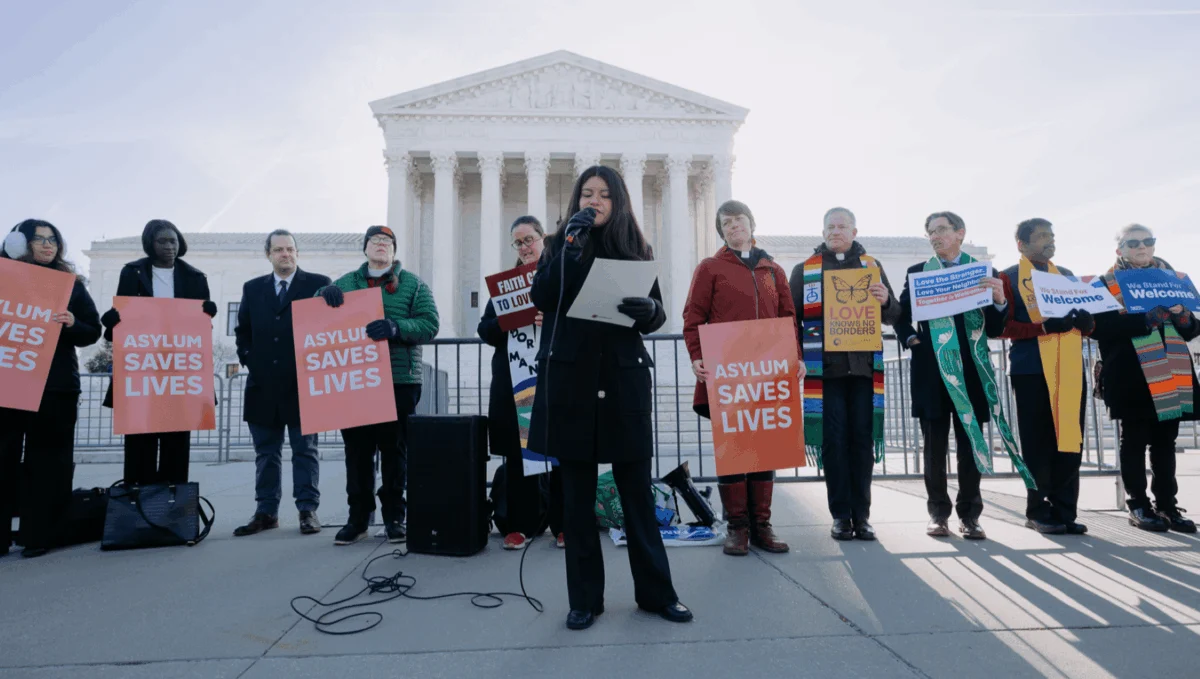
"Refugees, asylum seekers, and displaced people are facing increasing xenophobia, shrinking protections, and political winds that threaten to erase their dignity and their rights," Bassin states. "At a moment when so many countries are choosing fear over compassion, we need the courage to welcome."
The article highlights a related piece of content, "Seven Ways You Can Take Action for Immigrants," suggesting a proactive approach to supporting displaced populations. This initiative likely outlines concrete steps individuals can take, ranging from advocacy and volunteering to direct financial support. Such resources are crucial in empowering communities to translate the principles of Passover into tangible assistance.
The Power of Collective Action
The enduring message of Passover is one of transformation – from slavery to freedom, from oppression to liberation. This transformation was not solely an act of divine intervention; it involved human agency, courage, and the willingness of others to offer aid and sanctuary. The story of the Exodus underscores that liberation is often a result of both internal resilience and external support.

Rabbi Bassin’s reflections emphasize that the difference of this Passover night lies in our deliberate choices: "Because we do not let ourselves get distracted. Because we choose to remember. Because we choose to act. Because you choose to be with us." This sentiment underscores the vital role of community and solidarity in addressing humanitarian crises.
The call to action is clear: to actively engage in welcoming the stranger and protecting refugees and immigrants. This engagement can manifest in various forms, from advocating for more just and humane immigration policies to providing direct support to individuals and families rebuilding their lives in new lands.
Looking Ahead: Sustaining Compassion in a Challenging World
The Passover narrative, with its potent blend of remembrance, ritual, and ethical imperative, offers a timeless framework for confronting the humanitarian challenges of our era. The question "Why is this night different?" serves as an annual reminder to reflect on our shared humanity and our collective responsibility towards those in need.
As the Seder concludes and the Passover week unfolds, the lessons learned around the table carry significant weight. The urgency of the matzah, the bitterness of the herbs, the tears of the salt water – all serve to deepen our understanding and strengthen our resolve. The call to see ourselves in the Exodus story is a powerful impetus to translate empathy into action, ensuring that the legacy of liberation extends to all those seeking safety and dignity today.
The broader implications of this Passover message are significant. In a world increasingly marked by division and uncertainty, the embrace of compassion and the commitment to welcoming the stranger offer a path toward a more just and equitable future. By choosing to remember and to act, individuals and communities can contribute to a global movement that upholds the inherent dignity and rights of every person, regardless of their origin or circumstances. The spirit of Passover, with its emphasis on freedom and solidarity, provides a vital beacon of hope for those on the margins and a profound inspiration for all who believe in a world where everyone has a place to call home.