The World Day for Cultural Diversity for Dialogue and Development, observed annually on May 21st, serves as a global platform to underscore the profound importance of cultural diversity. It champions this diversity not merely as an abstract concept but as a foundational pillar for fostering inclusive societies, facilitating robust community dialogue, and driving sustainable development. For organizations deeply engaged with Indigenous Peoples, this observance transcends a single day of recognition; it provides a crucial juncture for introspection on how the principles of cultural diversity are translated into tangible, actionable strategies through community-led initiatives.
Cultural Survival, an organization dedicated to supporting Indigenous Peoples’ rights and understanding, exemplifies this practical application. Within its operational framework, cultural diversity is not simply an acknowledged value but an intrinsic methodology. This commitment is demonstrably woven into the fabric of its program design, the modalities of community support, and, critically, the unwavering prioritization of Indigenous Peoples at the forefront of decision-making processes. Through a suite of meticulously crafted initiatives, Cultural Survival consistently illustrates how the confluence of diversity and dialogue can precipitate genuine, enduring positive change.
Empowering the Next Generation: Indigenous Youth as Cultural Stewards
A cornerstone initiative that powerfully embodies the transmission of cultural diversity across generations is the Indigenous Youth Fellowship. This program is specifically designed to nurture and empower young Indigenous leaders, providing them with the resources, training, and mentorship necessary to conceptualize and implement vital cultural and educational projects within their respective communities. Participants engage in rigorous training modules, benefit from personalized mentorship by experienced Indigenous leaders and allies, and participate in invaluable exchange opportunities. These multifaceted experiences are instrumental in honing their leadership acumen, while concurrently equipping them to become vocal advocates and practitioners of their ancestral languages, traditions, and distinct cultural identities.
The impact of the Indigenous Youth Fellowship extends far beyond individual development. It serves as a potent demonstration of how cultural diversity is actively perpetuated and revitalized. These young leaders emerge as dynamic agents of dialogue, not only by articulating their lived experiences but also by adeptly bridging ancestral knowledge systems with contemporary communication channels. In numerous instances, their innovative projects have demonstrably fostered heightened awareness and a renewed sense of pride within their communities, reinforcing the inherent value and resilience of their cultural heritage. For example, a fellowship project in the Amazon might focus on using digital storytelling to document traditional ecological knowledge, while another in the Arctic could involve youth developing language-learning apps for their endangered dialects. These projects directly combat cultural erosion and affirm the vitality of Indigenous cultures in the 21st century.
Amplifying Indigenous Voices: Community Media as a Nexus for Dialogue
The Indigenous Community Media Fund stands as another pivotal initiative, dedicated to empowering Indigenous communities to establish and sustain their own independent media platforms. This includes a wide spectrum of outlets, from local radio stations broadcasting in Indigenous languages to sophisticated digital content creation and communication tools. These media projects are not merely channels for information dissemination; they are indispensable instruments for the preservation and celebration of cultural diversity. They provide Indigenous communities with the agency to narrate their own histories, disseminate invaluable local knowledge, and fortify intra-community communication networks. Crucially, these platforms cultivate spaces where the multifaceted voices within a community can be authentically heard and respected.
The production of content in indigenous languages is a critical component of these initiatives, directly contributing to the safeguarding of linguistic diversity, which is inextricably linked to cultural identity and heritage. This commitment to linguistic preservation not only strengthens cultural continuity but also fosters a profound sense of social cohesion. For instance, a community radio station might broadcast educational programs on traditional medicine, agricultural practices, or historical narratives, all in their native tongue, ensuring that this knowledge is accessible and relevant to younger generations. Digital platforms, in turn, can host interactive forums, cultural archives, and documentary films that showcase the richness of Indigenous traditions. The United Nations Educational, Scientific and Cultural Organization (UNESCO) has repeatedly highlighted the alarming rate of language endangerment, with estimates suggesting that up to half of the world’s approximately 6,000 languages could disappear by the end of this century, a stark reminder of the urgency and importance of initiatives like the Indigenous Community Media Fund.
Cultivating Self-Determination: Community-Led Development and the Bedrock of Trust
The Keepers of the Earth Fund represents a direct investment in the self-determination of Indigenous communities. This fund provides direct financial and logistical support to Indigenous communities for the implementation of projects that are meticulously aligned with their own self-defined priorities. These priorities encompass a broad range of critical activities, including the organization of vibrant cultural events, the development of culturally relevant educational programs, the concerted effort of language revitalization, and the establishment of robust knowledge-sharing networks.
This approach is fundamentally transformative because it inherently empowers communities to assume control over their own development trajectories. It ensures that cultural diversity is not merely acknowledged but actively nurtured and advanced through concrete actions and a foundation of trust-based collaboration. By respecting the autonomy of Indigenous communities, this model enables them to chart their own paths toward sustainable development while steadfastly preserving and enhancing their unique cultural identities. This stands in stark contrast to externally imposed development models, which have historically often led to the erosion of cultural distinctiveness and displacement. The principle of "Free, Prior, and Informed Consent" (FPIC), a cornerstone of international Indigenous rights, is implicitly embedded in this approach, ensuring that development initiatives are genuinely beneficial and supported by the communities they are intended to serve.
Dialogue as a Living Practice: Weaving Diversity into Daily Operations
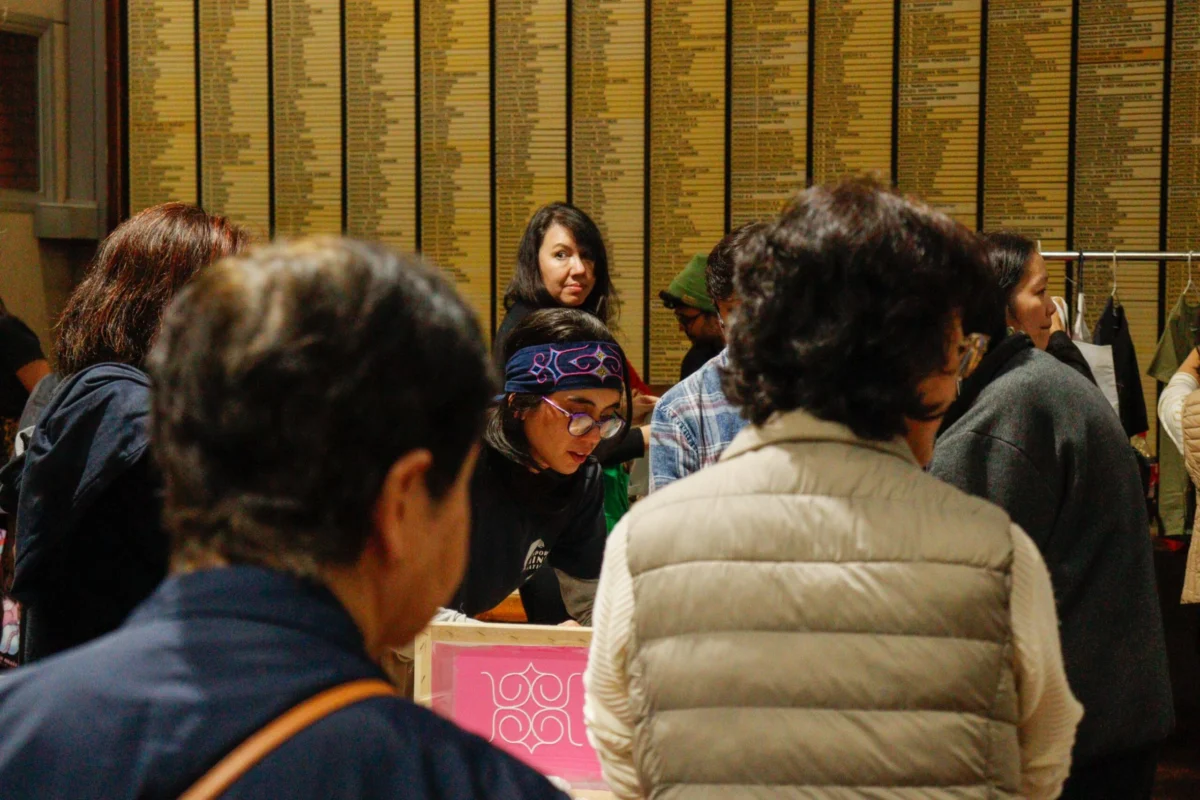
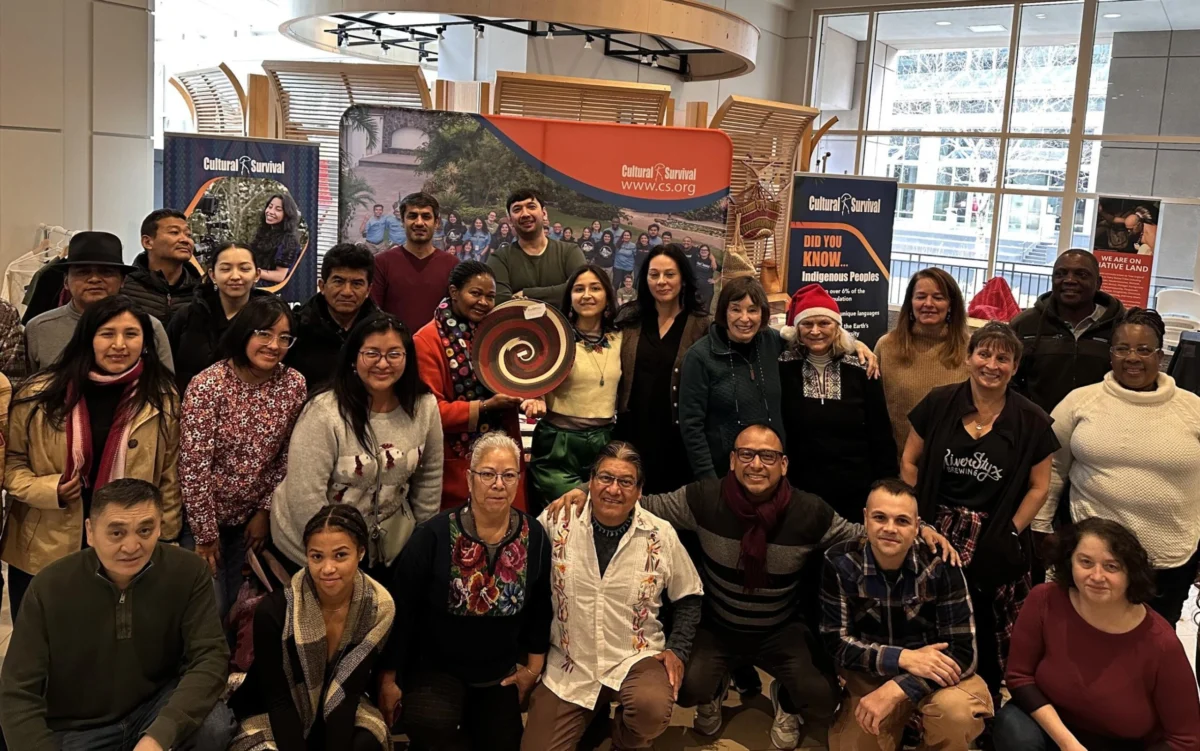
Across the spectrum of Cultural Survival’s programs, dialogue is not treated as a theoretical ideal but as an indispensable daily practice. This dialogue occurs continuously between Indigenous communities and the organization, fostering a dynamic and responsive partnership. Furthermore, it is deeply embedded within the organization’s internal operations, where teams composed of individuals from diverse cultural and professional backgrounds engage in constant exchange.
This sustained, multi-directional communication is vital for cultivating a nuanced understanding of local realities and ensuring that programs are consistently adapted to meet the evolving needs of the communities they serve. It serves to strengthen the essential element of trust, which is the bedrock of any enduring and impactful cooperation. In this manner, cultural diversity transcends its status as a principle and becomes a practical, operational methodology that demonstrably enhances communication, fosters effective collaboration, and underpins sound decision-making processes.
Carlos Sopprani, Cultural Survival’s Human Resources Coordinator, shared his perspective on this internal dynamic: "From the very moment I became part of the Cultural Survival staff, I experienced the immense diversity within this environment. This diversity is reflected in every interaction and shared space. Once you embrace it, you start to see the value of being part of that exchange. Within my team, we always strive to value every point of view. We make decisions collectively, considering not only the best option but also emphasizing the intention and purpose behind our processes: serving the staff. Being part of Human Resources at Cultural Survival has taught me always to remain open to learning and to approach colleagues with humility, understanding that everyone has something valuable to contribute through diversity." This internal commitment mirrors the external engagement, demonstrating a holistic integration of diversity principles.
Navigating Complexities: Challenges and the Imperative of Continuous Learning
The inherent complexities of cross-cultural engagement, while enriching, also present inevitable challenges. Divergent expectations, varied communication styles, and differential access to resources can, at times, lead to misunderstandings. However, these challenges are not viewed as insurmountable obstacles but as opportunities for growth. They are proactively addressed through a commitment to ongoing dialogue and a culture of continuous learning. Feedback from Indigenous communities is actively solicited, meticulously analyzed, and systematically integrated into program design and implementation. Furthermore, programmatic approaches are regularly reviewed and adjusted to ensure unwavering respect for cultural protocols and sustained relevance to community needs. This iterative process of learning and adaptation is a fundamental component of building robust, equitable, and sustainable partnerships.
Broader Implications: Diversity as a Catalyst for Global Progress
The World Day for Cultural Diversity for Dialogue and Development serves as a powerful reminder that the recognition of cultural diversity must be unequivocally translated into concrete action. Through its multifaceted programs, including the Indigenous Youth Fellowship, the Indigenous Community Media Fund, and the Keepers of the Earth Fund, Cultural Survival provides compelling evidence of how diversity can be a potent catalyst for tangible, positive impact on a global scale.
By steadfastly supporting Indigenous Peoples in spearheading their own initiatives, the organization unequivocally demonstrates that genuine dialogue, unwavering trust, and profound cultural respect are not merely desirable but are, in fact, indispensable prerequisites for achieving meaningful and sustainable development. Consequently, cultural diversity is not solely a concept to be celebrated on a designated day; it is a living, breathing practice that is actively cultivated and embodied every single day through the organization’s unwavering commitment to collaboration, empowerment, and the invaluable process of shared learning. The implications of this approach extend beyond the immediate beneficiaries; they offer a blueprint for international development, human rights advocacy, and the creation of a more equitable and understanding global society. The success of these community-led models can inform policy at national and international levels, advocating for greater Indigenous participation in decision-making processes and the equitable distribution of resources for cultural preservation and development.