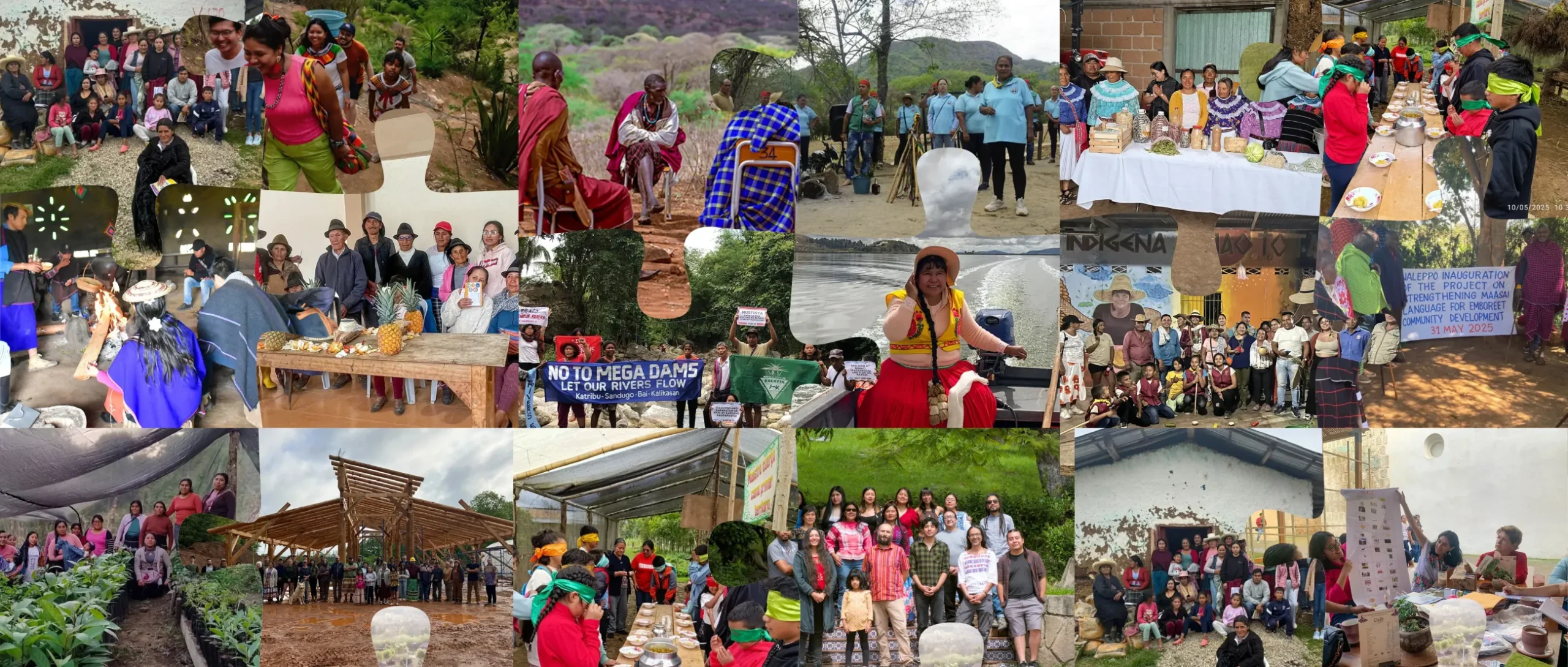
The year 2026 signifies a pivotal milestone for the Keepers of the Earth Fund (KOEF), an initiative dedicated to channeling direct support to Indigenous Peoples across the globe. As the fund celebrates its 10th cycle of operation, it reflects on a decade of impactful grant-making, bolstering advocacy and community development projects spearheaded by Indigenous communities, governments, collectives, and networks. Since its inception in 2017, KOEF has demonstrably channeled significant financial resources, awarding 506 grants totaling $3,232,000 to Indigenous communities in 42 countries. This robust funding has empowered Indigenous-led initiatives, aligning with their unique cultural values and priorities, and drawing upon a rights-based approach grounded in the UN Declaration on the Rights of Indigenous Peoples.
A Decade of Direct Empowerment: KOEF’s Impact and Growth
The 10th funding cycle, observed in 2026, saw KOEF award 60 grants amounting to $564,000. These funds were distributed across 19 countries, reaching a diverse array of Indigenous communities, collectives, and governmental bodies. A significant portion of this year’s grants, 17 in total, directly supported Indigenous traditional governments, underscoring the fund’s commitment to reinforcing established Indigenous governance structures. Furthermore, nine grants were specifically allocated to women’s organizations, recognizing the crucial role of Indigenous women in community leadership and development.
A particularly critical aspect of KOEF’s work is its dedication to supporting Indigenous rights defenders facing grave threats. In the 2026 cycle, six grants were awarded to individuals and groups within Kichwa, Tseltal, and Inga communities who are confronting existential risks to their safety and the destruction of their ancestral lands. These vital funds were directed towards essential needs such as transportation, food, medical care, and the implementation of crucial security measures, highlighting the immediate and life-saving nature of KOEF’s interventions.
Fostering Long-Term Partnerships and Holistic Support
KOEF’s operational philosophy extends beyond one-time financial injections. The fund prioritizes a holistic approach, striving to cultivate enduring, long-term relationships with its partners. This commitment is evident in the recurring support provided to established grantees. In the 2026 cycle, eight partner organizations received grants for the third consecutive time, while an additional 24 partners were awarded their second grant. This sustained engagement allows for the deepening of projects, the scaling of successful initiatives, and the building of robust organizational capacity within Indigenous communities.
Beyond direct financial grants, KOEF integrates its funding with broader support mechanisms offered by Cultural Survival, its parent organization. These include vital programs focused on advocacy, communications, and capacity building. By providing these complementary services, KOEF empowers Indigenous partners to amplify their voices, share their stories effectively, and enhance their organizational skills, further strengthening their ability to achieve their development and advocacy goals.
The Art of Resilience: Cultural Preservation Through Craftsmanship
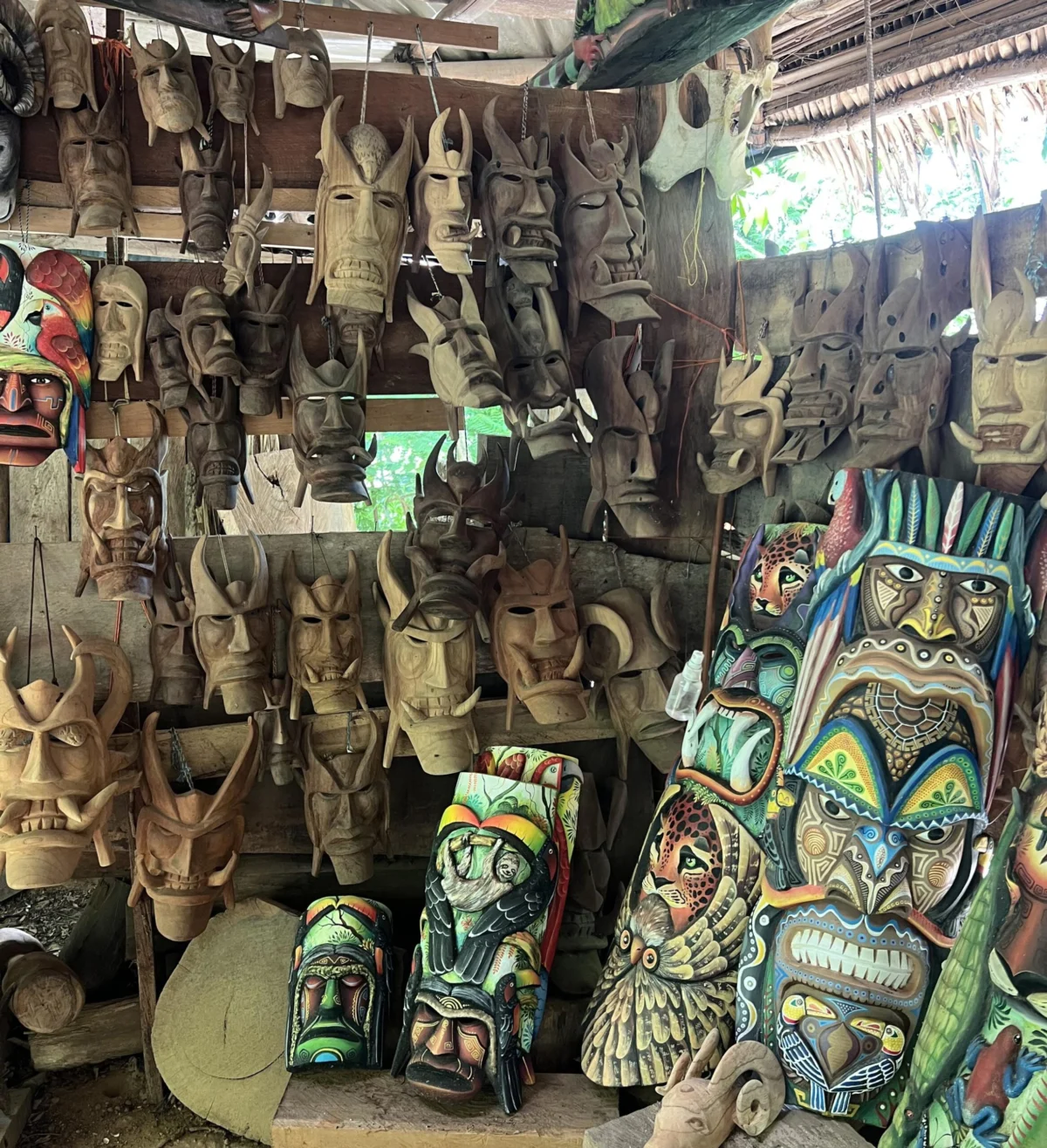
A prominent theme emerging from KOEF’s grant-making is the vital role of art and artisanal craftsmanship in community strengthening. Indigenous Peoples possess a rich heritage of knowledge and artistry, expressed through diverse mediums such as music, textiles, and intricate craftwork. Projects supported by KOEF under this theme focus on the collective organization of communities to transmit this invaluable technical and artistic knowledge, which forms the bedrock of their cultural identity.
These initiatives not only serve as powerful vehicles for cultural preservation and celebration but also contribute to the economic empowerment of Indigenous communities. By developing products that resonate with broader markets, Indigenous artisans can generate income beyond their immediate communities. Crucially, these economic endeavors are consistently approached with a deep respect for the land and a collective ethos, ensuring that cultural integrity and environmental stewardship remain paramount. This approach demonstrates how traditional knowledge can be leveraged for sustainable economic development without compromising cultural values or ecological balance.
Historical Context and the Evolution of Indigenous Support
The establishment of the Keepers of the Earth Fund in 2017 was a direct response to the growing need for accessible, flexible, and Indigenous-controlled funding mechanisms. For decades, Indigenous Peoples have faced systemic challenges in accessing resources for their self-determined development and advocacy efforts. Traditional philanthropic models often proved ill-suited to the unique contexts and priorities of Indigenous communities, leading to a gap in funding that hindered progress on critical issues such as land rights, cultural preservation, and sustainable development.
Cultural Survival, a renowned organization dedicated to supporting Indigenous Peoples’ rights and cultures for over five decades, recognized this funding disparity. The vision for KOEF was to create a fund that was not only led by Indigenous Peoples but also operated on principles of solidarity, respect, and self-determination. The fund’s commitment to awarding grants directly to Indigenous communities, rather than through intermediaries, was a deliberate strategy to ensure that funds reached their intended beneficiaries efficiently and effectively, empowering local decision-making.
Chronology of Impact: Tracing KOEF’s Growth
The journey of KOEF can be traced through its funding cycles, each representing a step forward in its mission:
- 2017: Inception and First Cycle: The fund was launched, initiating its commitment to direct support. The inaugural cycle laid the groundwork for future operations, establishing core principles of Indigenous leadership and rights-based grant-making.
- 2018-2025: Expansion and Consolidation: Over these years, KOEF steadily increased its reach and the volume of its grants. The fund solidified its relationships with existing partners and cultivated new ones, demonstrating a consistent growth in both financial disbursements and the number of countries impacted. This period saw the refinement of grant-making processes and the development of a deeper understanding of the diverse needs of Indigenous communities worldwide.
- 2026: 10th Cycle and Milestone Achievements: The 10th cycle marks a significant point of reflection and celebration. The fund’s cumulative impact of over $3.2 million disbursed across 42 countries, supporting hundreds of projects, underscores its enduring commitment and operational success. The increased focus on traditional governments, women’s organizations, and rights defenders in this cycle highlights the fund’s adaptability and responsiveness to evolving challenges.
Supporting Data and Trends
The data from KOEF’s grant-making over the past decade paints a clear picture of its impact and strategic priorities:
- Total Grants Awarded: 506
- Total Funds Disbursed: $3,232,000
- Number of Countries Reached: 42
- Grants in 2026 Cycle: 60
- Funds Disbursed in 2026 Cycle: $564,000
- Countries Covered in 2026 Cycle: 19
- Grants to Indigenous Traditional Governments (2026): 17
- Grants to Indigenous Women’s Organizations (2026): 9
- Grants to Indigenous Rights Defenders (2026): 6
- Recurring Grantee Support: 8 partners on their third grant, 24 on their second grant.
These figures demonstrate not only the scale of KOEF’s operations but also its strategic allocation of resources towards key areas of Indigenous empowerment, including governance, gender equality, and the protection of human rights defenders. The emphasis on recurring support further indicates the fund’s success in building trust and fostering sustainable growth within partner communities.
Broader Implications and Future Outlook
The success of the Keepers of the Earth Fund has significant implications for the broader landscape of Indigenous rights and development. By providing direct, flexible, and culturally relevant funding, KOEF empowers Indigenous Peoples to implement their own solutions to complex challenges. This approach not only strengthens their communities but also contributes to global efforts to achieve sustainable development goals, protect biodiversity, and uphold human rights.
The fund’s model serves as a powerful example for other philanthropic organizations and governmental bodies seeking to support Indigenous communities effectively. Its emphasis on Indigenous leadership and a rights-based framework is crucial for fostering genuine partnerships and ensuring that development initiatives are driven by the needs and aspirations of the communities they aim to serve.
As KOEF looks towards its next decade, its continued commitment to direct support, long-term partnerships, and a holistic approach to empowerment positions it as a vital force in the ongoing struggle for Indigenous self-determination and cultural survival. The fund’s ability to adapt to emerging threats, such as the urgent need to protect Indigenous rights defenders, underscores its dynamic and responsive nature. The ongoing integration of advocacy, communications, and capacity-building programs will further amplify the impact of its financial grants, ensuring that Indigenous voices are heard and their initiatives thrive on the global stage. The celebration of its 10th cycle is not just a look back at past achievements but a reaffirmation of its dedication to a future where Indigenous Peoples are fully empowered to shape their own destinies.