Panama, a nation strategically positioned to connect North and South America, has for millennia served as a vital passage for people traversing the continents. Today, this geographical advantage places Panama at the epicenter of a complex humanitarian crisis, functioning not only as a transit point but also as a host country for a growing population of refugees, displaced persons, and migrants from across Latin America. As immigration policies evolve throughout the Western Hemisphere, the demand for urgent humanitarian assistance remains critical, particularly in the challenging border regions of Darién, Chiriquí, and Colón. Since 2010, HIAS Panama has been a steadfast pillar of support, assisting thousands of individuals seeking safety and a better future. This report delves into the current landscape for refugees and displaced people in Panama, examining the origins of migration flows, the formidable challenges faced, and the crucial role of humanitarian organizations amidst fluctuating global support.
The Shifting Tides of Migration: From Darién Gap to Reverse Flows
In 2025, Panama found itself accommodating a significant population of displaced individuals, with estimates exceeding 155,000. This figure includes over 5,000 recognized refugees and an additional 36,500 asylum seekers. The primary origins of these individuals seeking refuge are diverse, with Venezuela accounting for more than half of those in need of protection. Thousands more originate from various Central American nations, each fleeing unique circumstances of instability, violence, and economic hardship.
For years, the dominant migration narrative in the region involved tens of thousands of refugees and migrants traveling northward from the southern reaches of Latin America, with the ultimate goal of reaching the United States. The Darién Gap, a notoriously dense and perilous stretch of jungle straddling the border between Colombia and Panama, became a symbol of this arduous journey. In 2023 alone, an estimated 500,000 individuals braved this treacherous path, navigating a landscape fraught with dangers including venomous wildlife, endemic diseases, and the pervasive threat of violent criminal organizations, including human traffickers who prey on vulnerable travelers. The journey through the Darién Gap is often described as a descent into a humanitarian emergency, characterized by extreme physical exertion, lack of basic necessities, and a constant risk of exploitation and violence.
However, recent shifts in U.S. asylum and immigration policies have precipitated a significant and notable change in established migration patterns. Over the past year, a new trend has emerged: reverse migration. Thousands of individuals are now undertaking journeys southward, reversing the traditional flow. This phenomenon has transformed Panama into a critical hub not only for those continuing north but also for those who have been unable to reach their intended destinations or are choosing to return south. HIAS, a long-standing humanitarian organization with a deep commitment to refugee protection, stands as one of the few entities consistently providing essential services to these individuals in transit, adapting its operations to meet the evolving needs of this dynamic population.
The Perilous Journey South and the Shadow of Diminished Aid
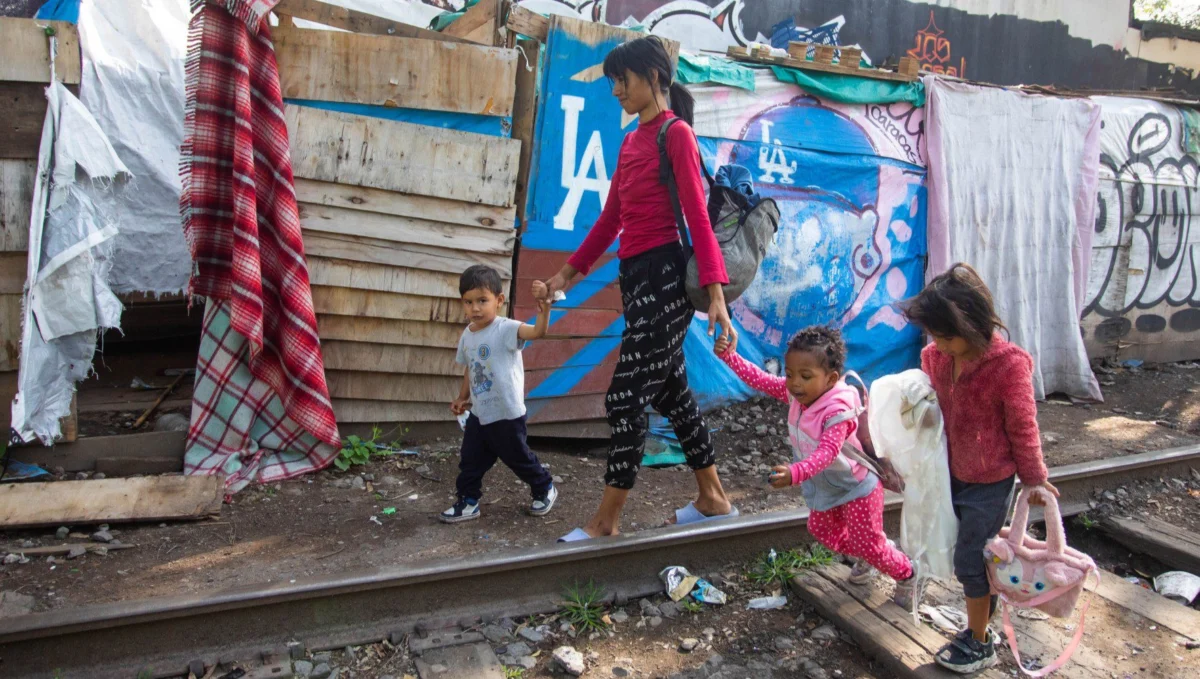
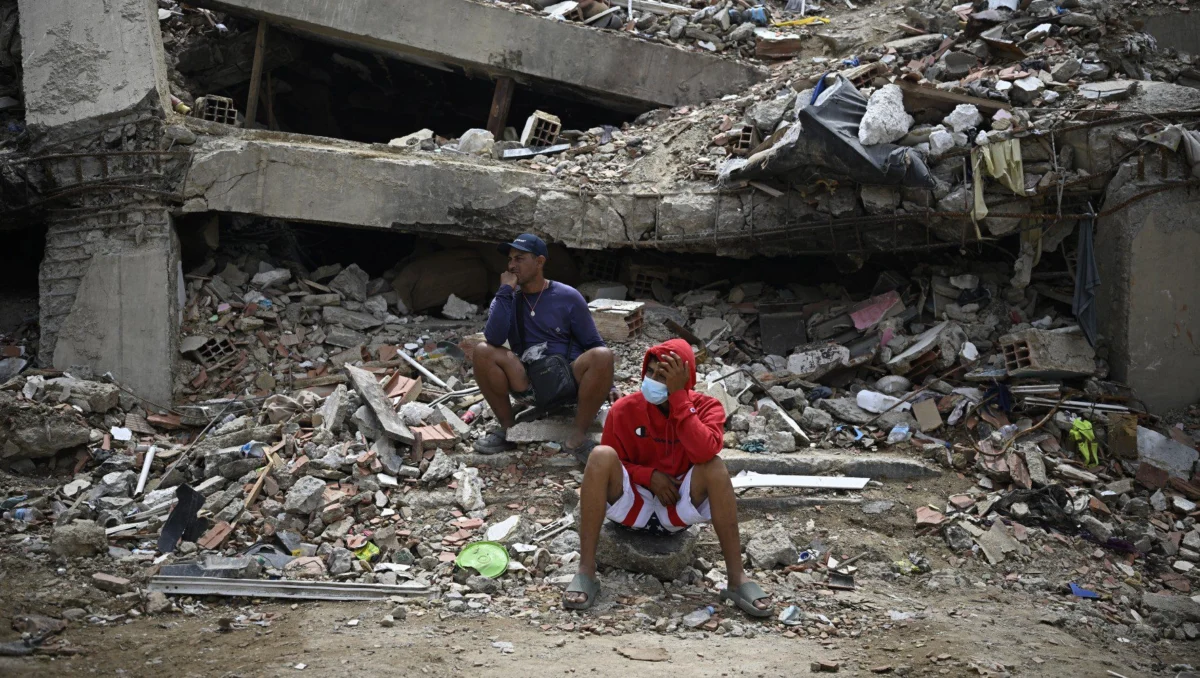
The emergence of reverse migration does not diminish the inherent dangers faced by those on the move. The southbound routes are no less perilous than those heading north. Migrants attempting to travel south from countries like Honduras towards Panama frequently encounter sophisticated criminal networks that demand exorbitant sums of money for safe passage. Along these routes, individuals face a litany of severe hardships. Inadequate shelter, a scarcity of safe drinking water, and limited access to basic services are commonplace. Food insecurity is a persistent concern, exacerbated by the fact that many travelers have exhausted their financial resources during their northward journey. The psychological toll is immense, with many individuals arriving at their destinations traumatized by the experiences they have endured.
These profound challenges are further amplified by a critical shortage of humanitarian support. Many aid organizations that were once a common presence along these migration routes have significantly scaled back or completely withdrawn their operations. This withdrawal is largely attributed to substantial cuts in humanitarian assistance funding by governments, including the United States, which has historically been a major contributor to such programs in the region.
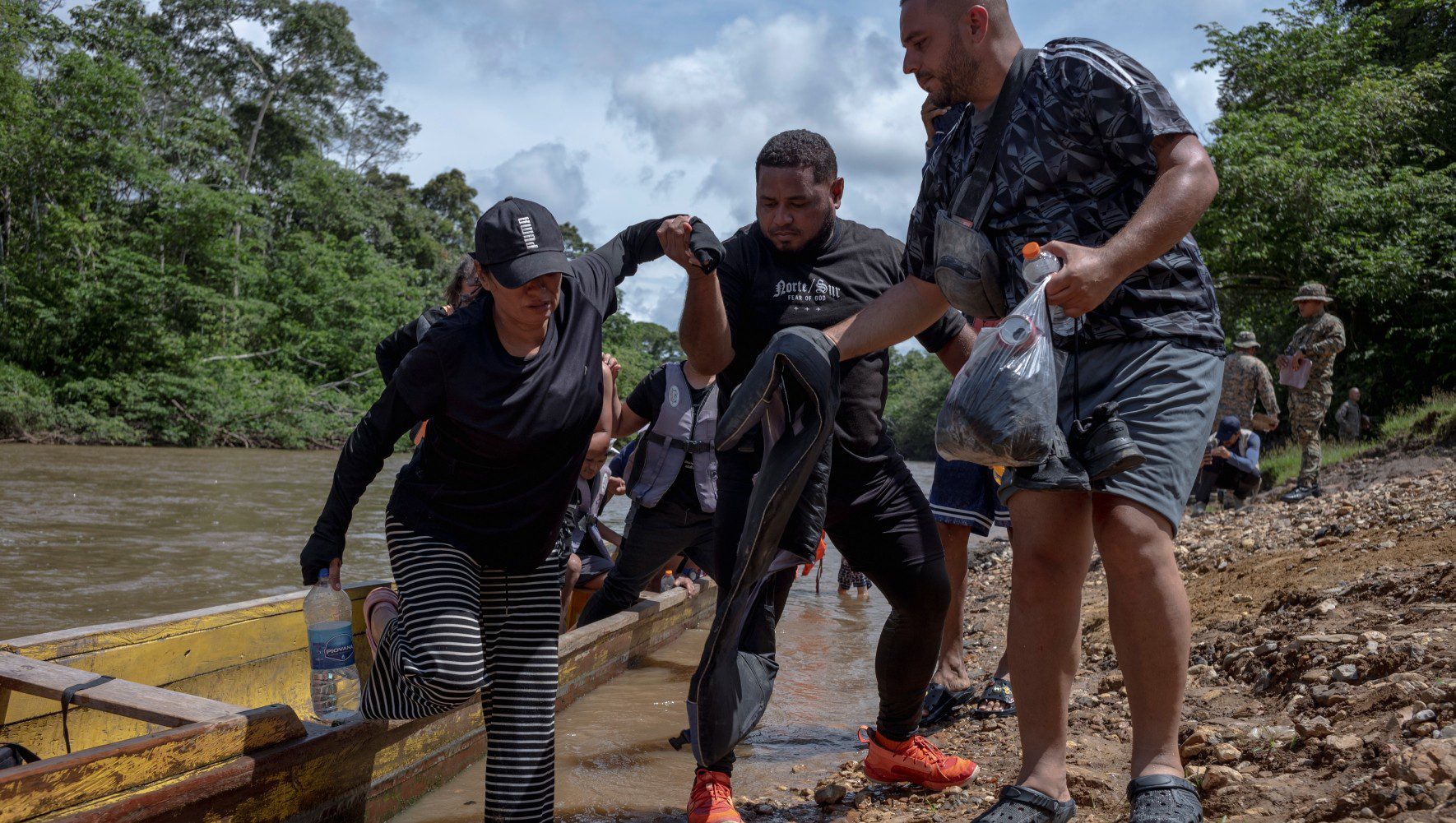
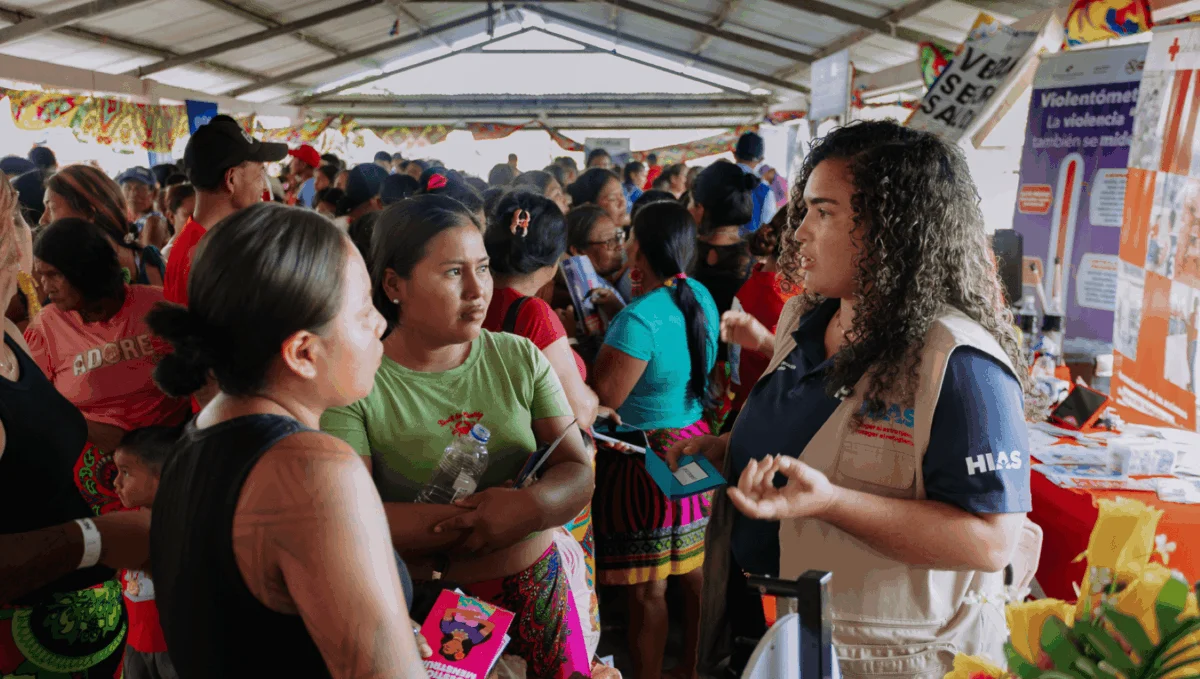
HIAS, despite its unwavering commitment, has not been immune to these funding reductions. However, the organization has maintained a robust presence at key transit points within Panama. Its teams continue to provide vital protection services, essential mental health care, and emergency financial assistance to cover immediate needs such as food, shelter, and medical attention. This sustained effort is crucial in a landscape where the withdrawal of other humanitarian actors leaves an alarming void.
Navigating Rights and Realities: Panama’s Legal Framework and Its Application
Panama’s commitment to refugee protection is enshrined in its adherence to international legal instruments. The nation became a signatory to the 1951 Refugee Convention and its 1967 Protocol in 1978. Panama’s legal definition of a refugee aligns closely with the Convention’s provisions. Furthermore, the country has demonstrated a commitment to expanding protections beyond the traditional refugee definition, offering support to individuals fleeing sexual and domestic violence, as well as those targeted for punishment due to defying societal norms or customs.
Despite this progressive legal framework, the practical application of asylum procedures in Panama presents significant hurdles. Current administrative backlogs within the asylum system and established application timelines often result in protracted delays in obtaining official refugee status and work permits. These delays can profoundly increase the vulnerability of individuals and their families, particularly for dependent family members who may not receive identification documents promptly. While ongoing efforts are being made to improve document recognition across various government institutions and to ensure continued support during the waiting periods, inconsistencies persist. Some local authorities, regrettably, still do not fully recognize the validity of these crucial documents, creating further obstacles for those seeking stability and integration.
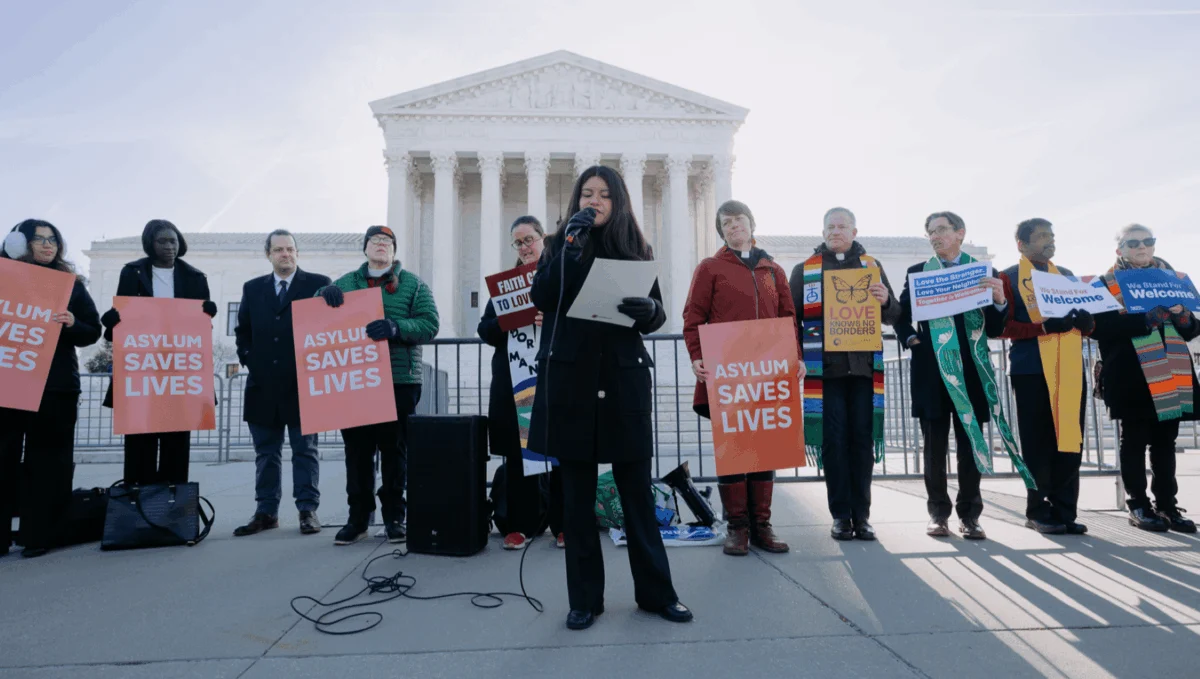
HIAS, in collaboration with its partners, actively engages in providing essential legal information and direct assistance to refugees and asylum seekers. The organization is a vocal advocate for reforms aimed at creating a fairer and more efficient asylum system. These advocacy efforts are focused on reducing existing backlogs and establishing more accessible pathways to protection, thereby ensuring that individuals can access the safety and rights they are entitled to in a more timely and dignified manner.
HIAS Panama: A Legacy of Support and a Vision for Integration
HIAS has maintained a consistent and impactful presence in Panama since 2010, dedicating its resources and expertise to supporting refugees, asylum seekers, and displaced populations. The organization’s comprehensive programs are designed to address a wide spectrum of needs, encompassing critical protection services, specialized mental health care, and initiatives aimed at fostering economic empowerment.
A core component of HIAS’s strategy involves assisting refugees, asylum seekers, and migrants in building dignified and sustainable livelihoods. This focus on self-reliance is paramount in empowering individuals and fostering their long-term integration into society. By cultivating strong partnerships with local communities and non-governmental organizations, HIAS actively promotes integration efforts. These collaborations create safe and inclusive spaces where refugees and members of host communities can work together on shared community projects, collaboratively addressing common challenges and fostering mutual understanding and support. This approach not only benefits the displaced populations but also strengthens the social fabric of the host communities, creating a more resilient and inclusive society for all. The work of HIAS in Panama exemplifies a holistic approach to humanitarian aid, recognizing that true support extends beyond immediate relief to encompass long-term integration and the restoration of dignity.
The ongoing humanitarian crisis in Panama, exacerbated by shifting migration patterns and a decline in global aid, underscores the urgent need for sustained international attention and support. As displaced individuals continue to navigate perilous journeys and face immense challenges upon arrival, organizations like HIAS remain on the front lines, providing a lifeline of hope and assistance. The resilience of these individuals, coupled with the dedication of humanitarian actors, offers a testament to the enduring human spirit in the face of adversity, while also highlighting the critical imperative for renewed commitment to refugee protection and humanitarian assistance across the Americas.