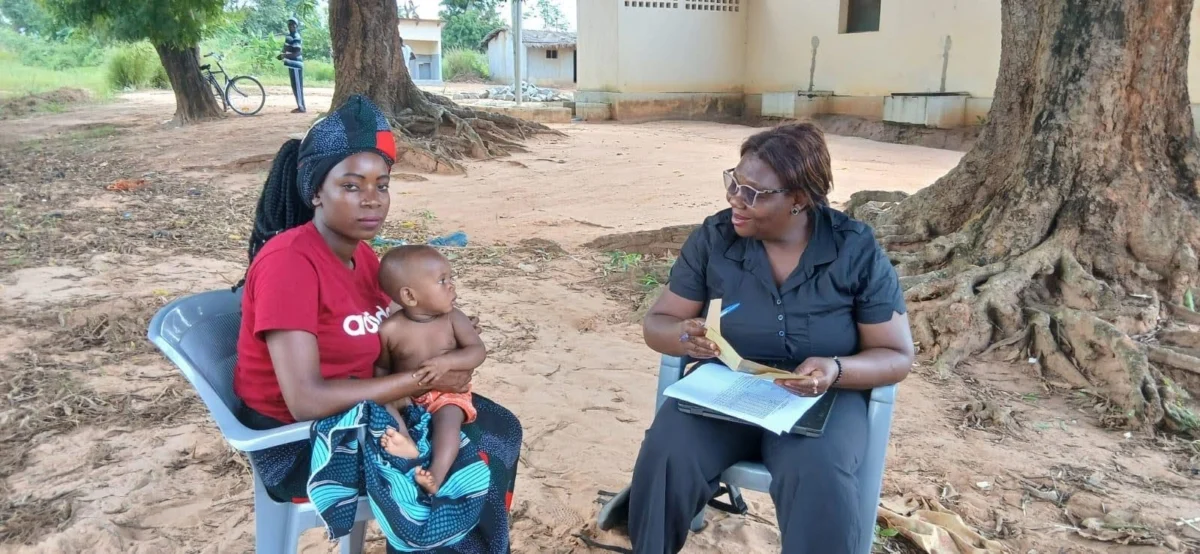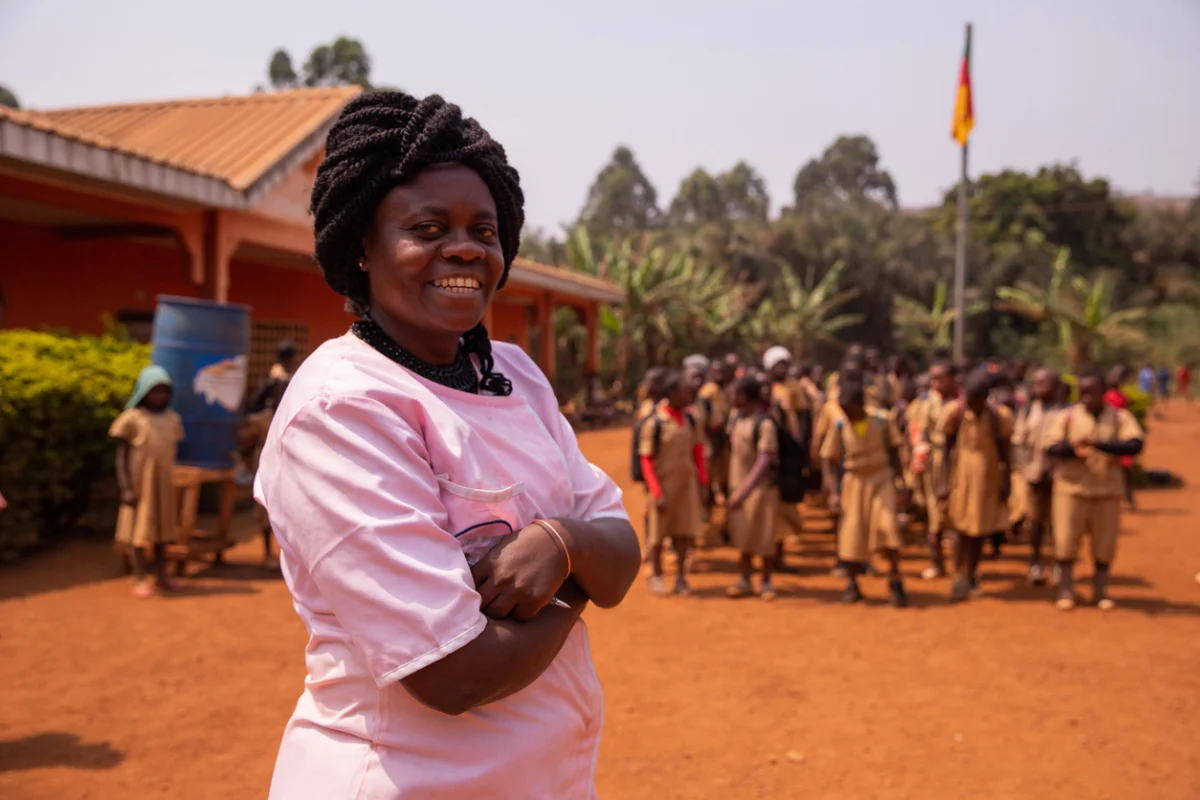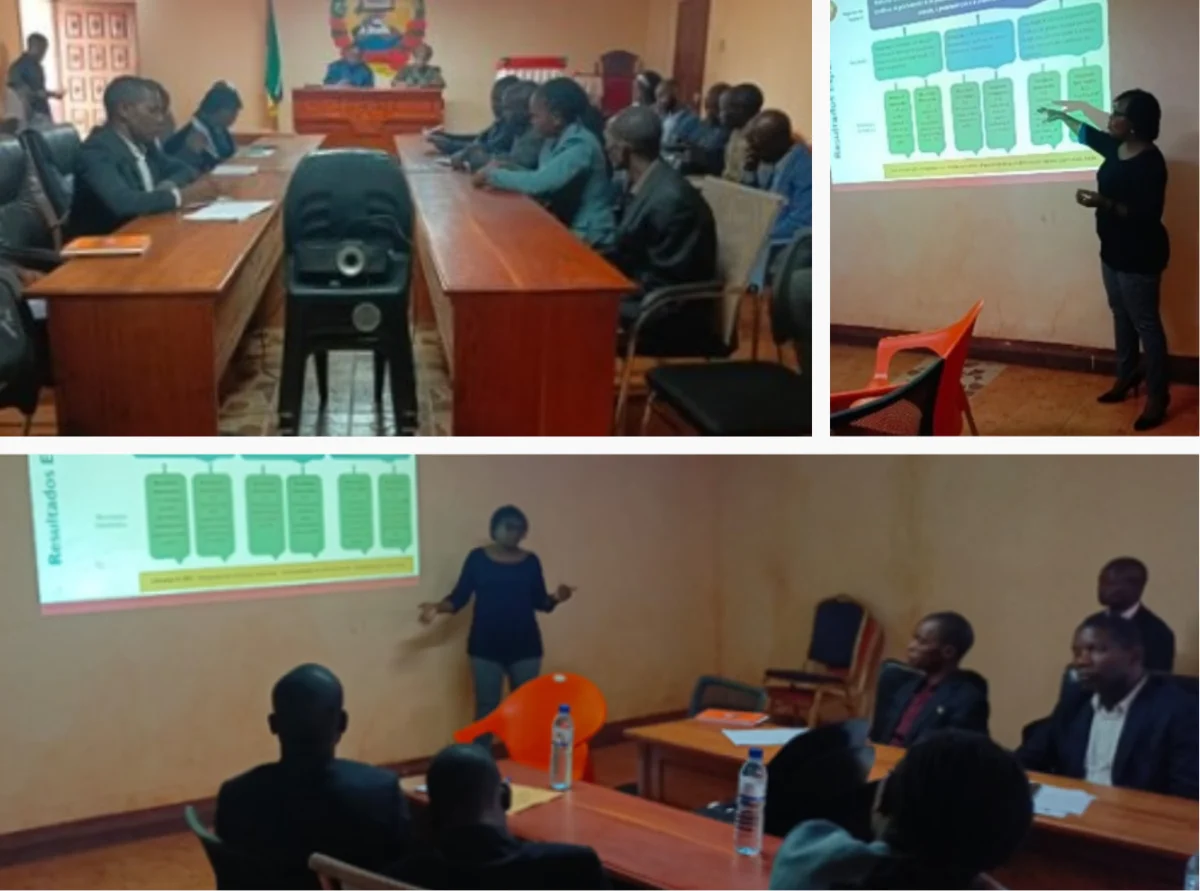
The Ministry of Education and Culture (MEC) of Mozambique, in a strategic alliance with World Education—an initiative of JSI—and supported by the Government of Ireland through IrishAid, has officially inaugurated the "Empowering Educators" program. Launched in early 2026, this multi-faceted initiative is designed to revolutionize the delivery of primary education in the Niassa Province of northern Mozambique. By operationalizing the Mozambican government’s National Strategy for Continuous Teacher Training, the program seeks to bridge the gap between national policy and classroom-level execution, focusing on improved learning outcomes, foundational literacy and numeracy, and the specific socio-educational needs of girls.
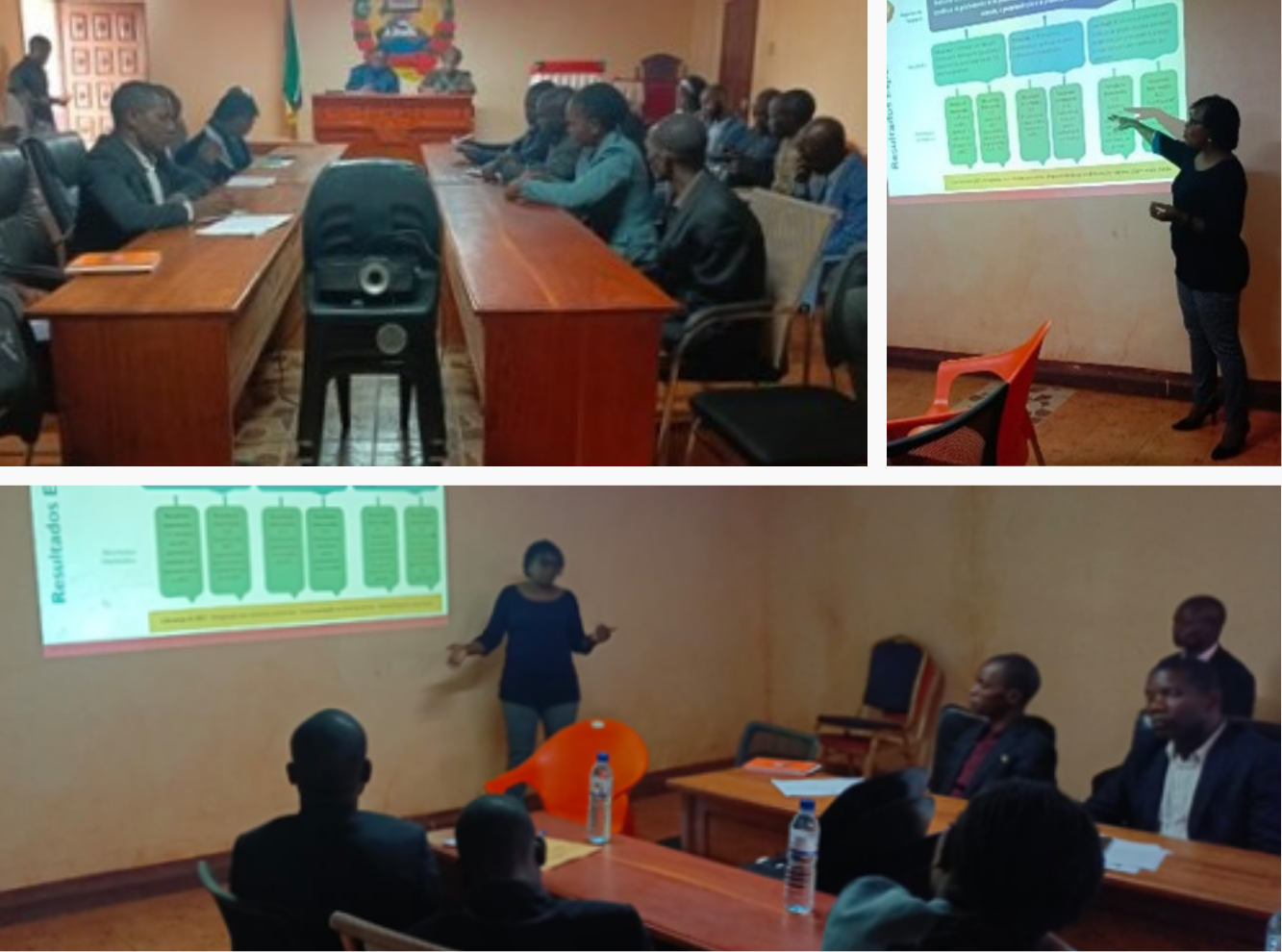
The launch events, which took place in the districts of Mavago and Mecula, signify a major shift in how teacher professional development is handled in the region. For decades, Mozambique has grappled with the challenge of translating high-level educational theories into consistent, high-quality instruction within rural classrooms. The Empowering Educators program addresses this by establishing a decentralized, sustainable framework for on-the-job training, ensuring that educators are not merely recipients of occasional workshops but are part of a continuous cycle of professional growth.
Addressing the Educational Landscape of Niassa Province
Niassa Province, while geographically the largest in Mozambique, remains one of the most sparsely populated and economically underserved regions in the country. Educational indicators in the north have historically lagged behind the national average, hampered by vast distances, limited infrastructure, and a shortage of qualified pedagogical support staff. The decision to center the Empowering Educators program in Niassa reflects a targeted effort by the MEC and its international partners to address regional disparities.
The program’s initial phase targets four specific districts, including Mavago and Mecula, with the goal of reaching 600 teachers and 100 school directors. A significant component of this cohort includes over 200 women educators, a deliberate move to increase female representation in leadership and instructional roles. By focusing on these districts, World Education and IrishAid aim to create a blueprint for educational reform that can eventually be scaled to other provinces facing similar logistical and systemic hurdles.
The Role of IrishAid and International Cooperation
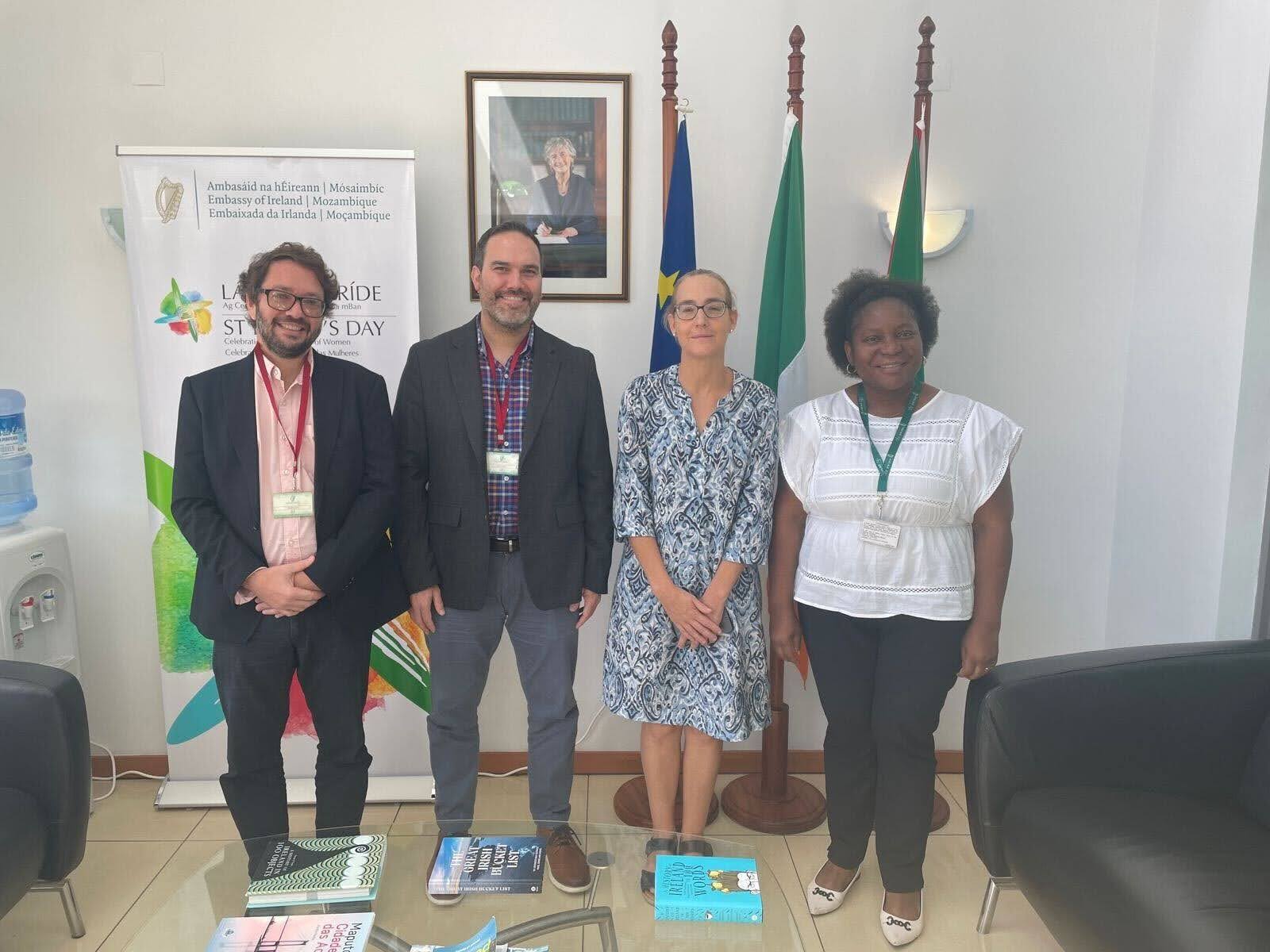
The partnership between the Embassy of Ireland in Maputo and the Mozambican government is a cornerstone of this initiative. During the launch, Aileen O’Donovan, the Deputy Head of Mission and Cooperation at the Embassy of Ireland, and Lídia Meque, Program Manager, emphasized the importance of aligning international aid with national priorities. IrishAid’s involvement is rooted in a long-term commitment to human development and poverty reduction in Mozambique, with education viewed as the primary engine for social mobility.
The funding provided by IrishAid is not merely a financial contribution but a strategic investment in the "National Strategy for Continuous Teacher Training." This strategy moves away from the traditional model of centralized, one-off training sessions, which often fail to produce lasting changes in teacher behavior. Instead, the Irish-supported program prioritizes "on-the-ground" implementation, where the focus is on the daily interactions between teachers and students.
Strategic Framework: The Multiplier Effect and Peer Coaching
Central to the Empowering Educators model is the concept of "trainee teachers as multipliers." As explained by Ligia Lundo, World Education’s Provincial Manager, the program’s sustainability is built on the principle that those who receive training will pass that knowledge on to their colleagues within their own schools. This internal knowledge-sharing ecosystem reduces reliance on external consultants and ensures that pedagogical improvements are culturally and contextually relevant.
The operational backbone of this model is the Deputy School Head. In the Mozambican school system, the Deputy Head is often tasked with pedagogical supervision, but they frequently lack the tools or the time to provide effective mentorship. The Empowering Educators program empowers these individuals to act as peer coaches. Through the use of standardized support tools and classroom observation techniques, Deputy Heads will provide ongoing, constructive feedback to teachers. This shift toward classroom-based coaching is expected to create a more supportive social and academic environment, where instructional errors are identified and corrected in real-time.
Gender-Responsive Management and the Protection of Girls
One of the most critical objectives of the Empowering Educators program is the promotion of gender-responsive school management. In northern Mozambique, girls face unique barriers to education, including early marriage, domestic responsibilities, and a lack of female role models in the classroom. Statistics from the region suggest that while primary school enrollment for girls has increased, retention and transition to secondary school remain significant challenges.
The program addresses these issues by training school directors and teachers to recognize and mitigate gender-biased practices. By creating a school environment that is safe, inclusive, and protective, the project aims to improve the "access, retention, and protection" of female students. This includes implementing gender-sensitive pedagogical approaches that encourage girls to participate actively in STEM subjects and foundational learning. The inclusion of over 200 female teachers in the initial training cohort is a key part of this strategy, providing students with visible examples of female professional success within their own communities.
A Data-Driven Approach to Educational Reform
To ensure accountability and effectiveness, the Empowering Educators program began with the collection of comprehensive baseline evidence. This data-driven approach allows the project team to identify the specific gaps in teacher knowledge and student performance before implementation begins. By understanding the starting point of each district, World Education can tailor its interventions to meet local needs.
This evidence-based methodology also facilitates the translation of national policy into tangible improvements. Often, national educational strategies in developing contexts remain aspirational because they lack the granular data required for implementation. By gathering evidence at the school and district levels, the program provides the MEC with the insights needed to refine the National Strategy for Continuous Teacher Training, making it more responsive to the realities of rural education.
Chronology of World Education’s Presence in Mozambique
The launch of the Empowering Educators program is the latest chapter in a 15-year history of collaboration between World Education and the Government of Mozambique. Since 2011, World Education (a JSI initiative) has been a key partner in the country’s educational development.
- 2011–2015: Initial focus on large-scale literacy programs and community-based education support.
- 2016–2020: Expansion into teacher training and the development of bilingual education materials to support learners in their native languages.
- 2021–2025: Strengthening of education systems at the provincial level, with an emphasis on data management and school leadership.
- 2026: Launch of the Empowering Educators program in Niassa, focusing on the decentralization of professional development and gender-responsive management.
Over the past decade and a half, World Education has supported well over 2 million learners and trained tens of thousands of teachers across the country. This deep institutional knowledge and established relationship with the MEC are vital for the success of the new initiative in Niassa.
Official Responses and Local Governance Commitment
The launch of the program has been met with strong support from local government officials. In the Mavago district, the local administrator delivered a speech reinforcing the district’s commitment to the initiative. Local leaders recognize that improving the quality of education is directly linked to the long-term economic stability of the region.
From the perspective of the Ministry of Education and Culture, the Empowering Educators program serves as a laboratory for national reform. If the peer-coaching and multiplier models prove successful in the challenging environment of Niassa, the MEC intends to integrate these practices into the national curriculum and teacher management systems. The collaboration between JSI’s Adam Turney, World Education initiative director, and David Noyes, project director, with the MEC ensures that the project remains aligned with the government’s long-term vision for "Education for All."
Broader Impact and Global Implications
The Empowering Educators program aligns with United Nations Sustainable Development Goal 4 (SDG 4), which calls for inclusive and equitable quality education for all. By focusing on foundational learning and teacher quality, Mozambique is addressing the "learning crisis"—a global phenomenon where children are in school but are not acquiring basic literacy and numeracy skills.
Furthermore, the program’s focus on gender equality addresses SDG 5, recognizing that educating girls is one of the most effective ways to break the cycle of poverty. The systemic changes introduced by this program—such as the strengthening of school management and the use of data to inform policy—are essential components of a modern education system.
As the program progresses through 2026 and beyond, the eyes of the international development community will be on Niassa. The success of this decentralized, teacher-led model could provide a new framework for educational aid, emphasizing sustainability and local ownership over traditional, top-down approaches. For the communities in Mavago and Mecula, however, the impact is more immediate: the promise of a classroom where every child, regardless of gender, has the opportunity to learn from a well-supported, highly-skilled educator.