By Edson Krenak (Krenak, CS Staff)
The traditional paradigms of large-scale mining, driven by significant financial investments and powerful alliances, are facing an unprecedented challenge in Brazil’s Jequitinhonha Valley. Historically, mining operations have exerted immense and often irreversible influence on landscapes and communities, leaving behind legacies that can persist for centuries. However, a potent confluence of Indigenous and Quilombola community resistance, amplified by international investor scrutiny, is now forcing a fundamental reevaluation of how essential minerals for the global energy transition are extracted. This shift is not merely a reputational hurdle for mining companies; it represents a profound recalibration of power dynamics, where the ethical and environmental stewardship of ancestral lands is increasingly dictating investment viability.
The Shifting Sands of Investment: Investor Reassessment in the Jequitinhonha Valley
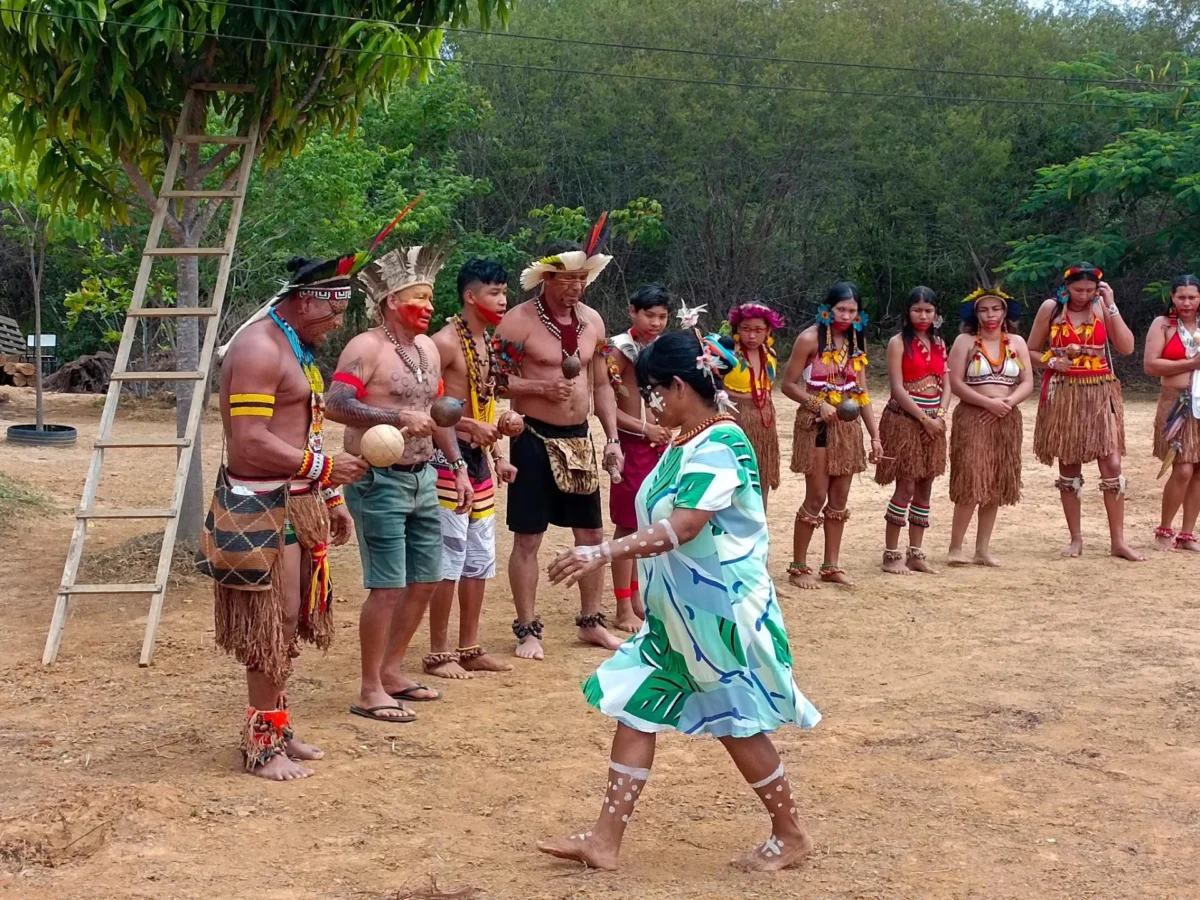
A prominent lithium extraction project in the Jequitinhonha Valley, a region rich in mineral resources, is now navigating a complex terrain where national and international investors are pausing, reassessing, and in some cases, withdrawing their capital. This reassessment is not occurring in a vacuum. It is a direct consequence of the persistent and unified efforts of the Aranã Caboclo, Pataxó, and Pankararu Indigenous Peoples and Quilombola communities. These communities, alongside a growing network of allies, have been meticulously documenting and exposing the stark discrepancies between corporate sustainability narratives and the lived realities on the ground.
The traditional metrics of profitability and technical feasibility are no longer sufficient to secure investment. Investors are increasingly pressured to ensure that projects are not only economically viable but also demonstrably aligned with robust Environmental, Social, and Governance (ESG) frameworks. Yet, a deeper, more fundamental question is emerging from the territories themselves: what kind of relationship does this investment foster with the people who possess intimate knowledge of the land, its soil, its flora, and its vital water systems? These communities are the guardians of ecosystems crucial for climate balance, particularly in a region acutely impacted by climate change. Their role extends beyond mere landholders; they are active stewards of their ancestral territories, embodying centuries of history, memory, and life.
A History of Extraction and Resistance
The Jequitinhonha Valley has a long history of resource extraction, often marked by social and environmental disruption. For decades, communities have contended with the impacts of mining, from large-scale iron ore operations to smaller artisanal ventures. However, the current focus on "transition minerals" like lithium, essential for electric vehicle batteries and renewable energy technologies, has brought a new wave of industrial interest. This interest, while presented as a pathway to economic development and a greener future, has ignited renewed concerns among the region’s traditional inhabitants.
The struggle in the Jequitinhonha Valley is part of a broader global movement where Indigenous and traditional communities are asserting their rights and challenging extractivist models that prioritize profit over planetary and human well-being. This movement has seen a significant evolution, moving beyond localized protests to sophisticated legal, political, and international advocacy campaigns.
The Power of Collective Action and Legal Precedent
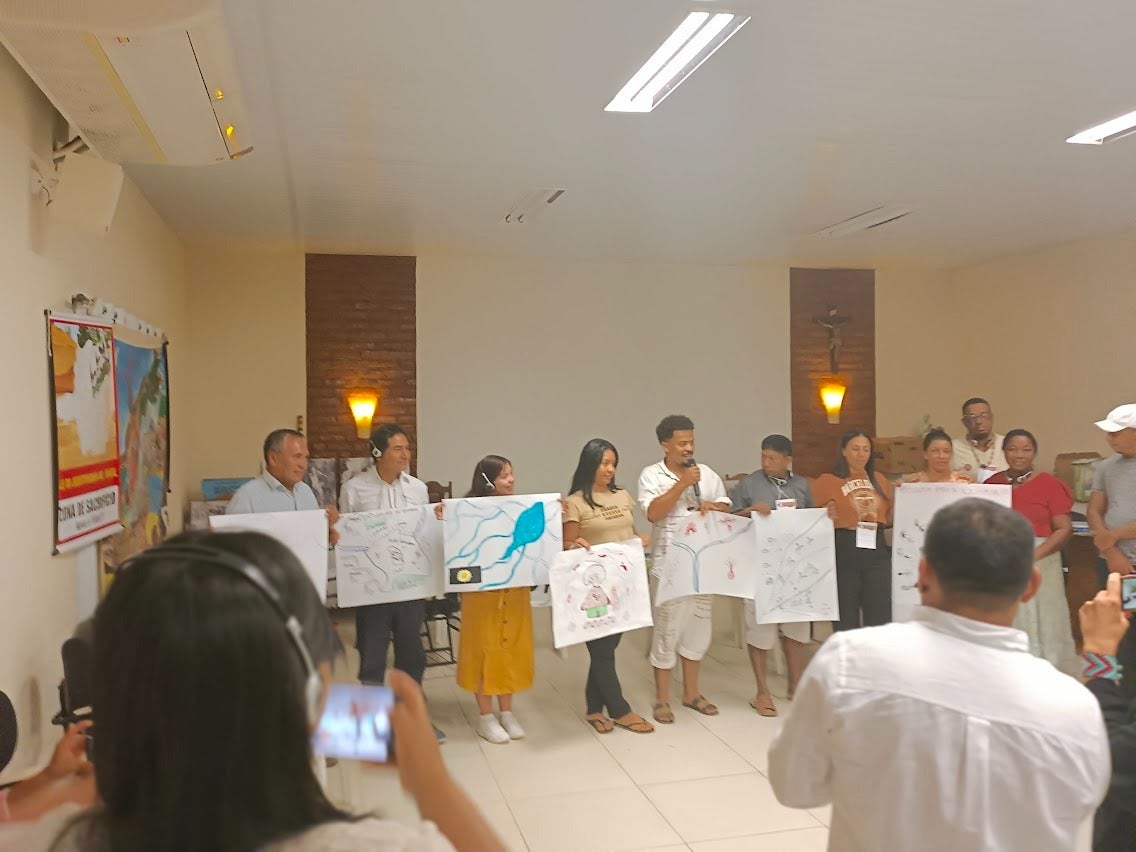
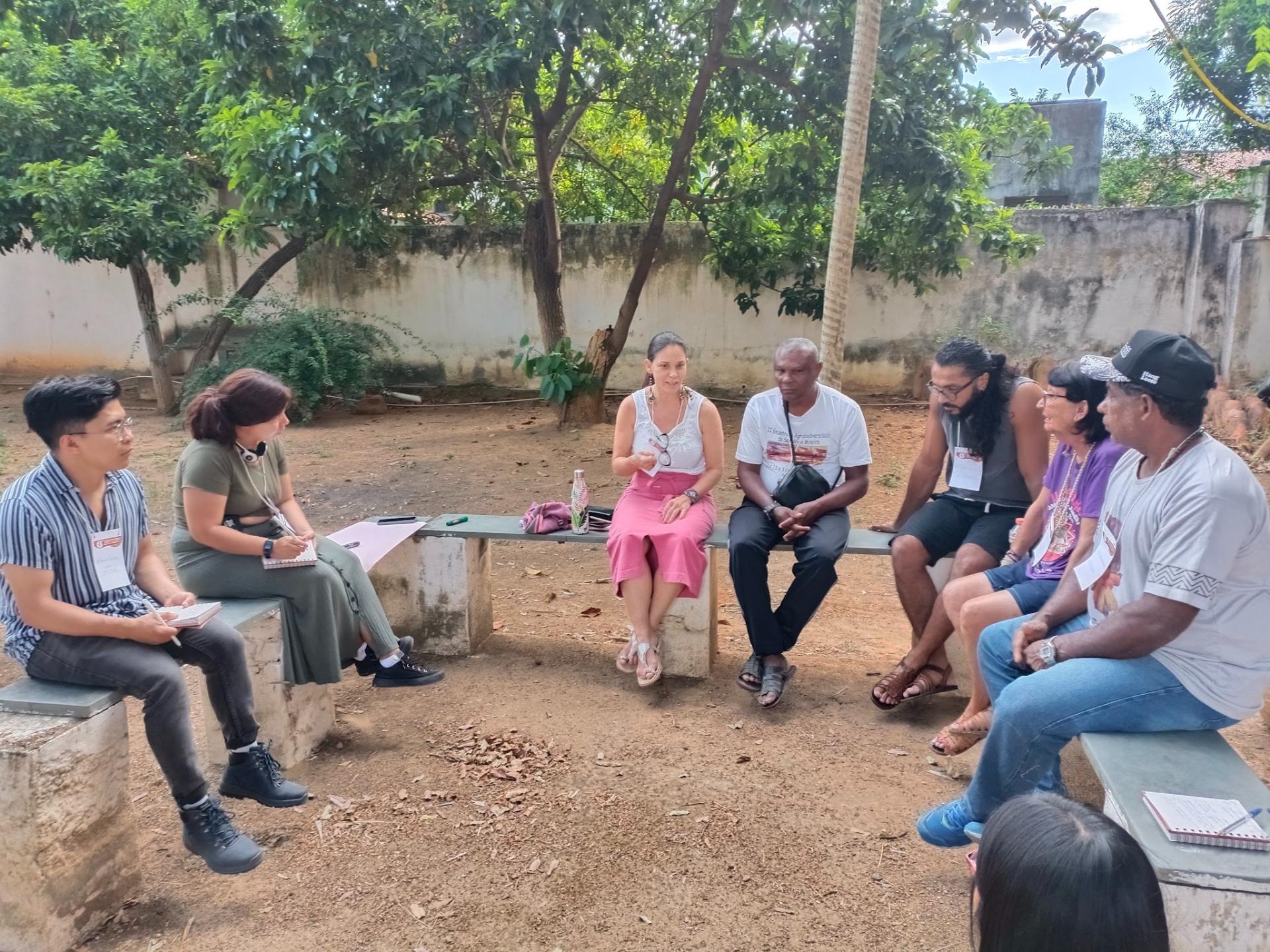
The communities of the Jequitinhonha Valley have not acted in isolation. They have forged powerful alliances with Indigenous relatives from other countries, researchers, legal advocates, journalists, social movements, and faith-based groups. This collective force has been instrumental in dismantling the veneer of corporate "development" and "prosperity" that often masks the transformation of territories into "sacrifice zones."
A significant legal precedent that has bolstered these efforts is the High Court’s recent ruling holding BHP responsible for the 2015 collapse of the Fundão tailings dam in Mariana, Minas Gerais. This landmark decision, affirmed by the Court of Appeal, establishes BHP’s liability for the disaster, impacting over 600,000 affected individuals, including the Indigenous communities whose sacred Watu River was devastated. This ruling signifies a growing recognition of corporate accountability for environmental and social harm.
The same ethical and legal principles are now being applied to the actions of Sigma Lithium. The Brazilian-Canadian company is facing intense scrutiny from affected communities, legal experts, public prosecutors, and regulators. This scrutiny is compounded by increasing withdrawals and criticisms from national and international investors. Reports from outlets like Investing.com and Morningstar, citing short-seller allegations of safety issues and legal investigations into company disclosures, highlight the growing disconnect between corporate narratives and verifiable evidence on the ground. Fair Finance International has also pointed to contradictions between investor and ESG policies and the reality of Sigma Lithium’s operations in the Jequitinhonha Valley. This is more than just market volatility; it reflects the robust efforts of communities and their allies to accurately identify and expose harm, challenge claims of "extraction as sustainability," and defend territories vital for life, food security, water, human well-being, and climate stability.
Advocating for the Rights of Rivers: The Jequitinhonha River Initiative
Beyond direct challenges to mining operations, the communities of the Jequitinhonha Valley have been actively pursuing a collective agenda to protect the Jequitinhonha River, the very lifeblood of their territory and a sacred entity for the Aranã Caboclo, Pataxó, and Pankararu peoples. This advocacy has culminated in a public petition calling for the river’s legal recognition as a subject of rights. This initiative has garnered significant traction, spreading rapidly across social media platforms and amplified by organizations like Cultural Survival and local entities such as Instituto Janelas do Jequitinhonha. Major independent media outlets, including Mídia NINJA, have also lent their platforms to the cause.
The mobilization has reached the Legislative Assembly of Minas Gerais, where it has been embraced by several state representatives, leading to the introduction of Legislative Proposal No. 5609/2026. This bill is part of a growing national movement that has already seen rivers, such as the Rio Laje (Komi Memen in Indigenous language) in the Amazon, legally recognized as subjects of rights. The recognition of rivers as living entities, as ancestors, is a profound shift in legal and cultural paradigms, reflecting Indigenous cosmologies and asserting the intrinsic value of nature beyond its economic utility.
The legislative proposal is now entering a critical voting phase. The recognition of the Jequitinhonha River as a subject of rights is a crucial step, but it is part of a broader strategy by communities to safeguard their territories from the pressures of transition mineral extraction. This approach exemplifies how Indigenous Peoples are innovating their methods of struggle, drawing upon their unique worldviews and traditions to protect their ancestral lands and cultural identities.
"The Price of Green": Exposing the Narrative Crisis
The growing discrepancies between "green" projects and the realities faced by Indigenous, Quilombola, and Traditional Communities in Brazil have been critically examined. During COP30 in Belém, Cultural Survival launched an advocacy brief titled "The Price of Green." This publication meticulously details the profound disconnect between ostensibly environmentally friendly initiatives, such as green lithium projects and sustainable railway developments, and the severe impacts on these communities.
The brief highlights a critical "narrative crisis" where the language of sustainability often serves to mask systemic human rights abuses and violations. This process actively transforms entire territories into "sacrifice zones," a term defined as:
"Sacrifice zones are not merely impacted areas but actively constituted through a violent logic that designates certain bodies, territories, and their cosmologies as expendable. This process systematically destroys the vital, relational bonds between communities and their ancestral lands, which are not merely resource-rich areas but the very source of cultural identities, spiritual memory, and meaningful existences. The destruction of these geographies undermines climate policies, weakens the ability of communities and territories to adapt, and causes the collapse of biodiversity."
This definition underscores that the environmental crisis is intrinsically linked to social justice and human rights. The designation of territories as "sacrifice zones" not only devastates local ecosystems and biodiversity but also actively undermines global climate mitigation efforts by eroding the capacity of these communities to adapt and thrive.
Lessons from the Territory: Rethinking Extraction and Investment
What many investors are now confronting is a fundamental truth that communities have long understood: territory, and the life it sustains, must take precedence over balance sheets. Responsible investors are increasingly recognizing the imperative to listen to the wisdom of the land and its traditional custodians. The collective governance and territorial knowledge offered by Indigenous and Quilombola communities provide invaluable insights for both governments and investors, offering at least three crucial lessons:
-
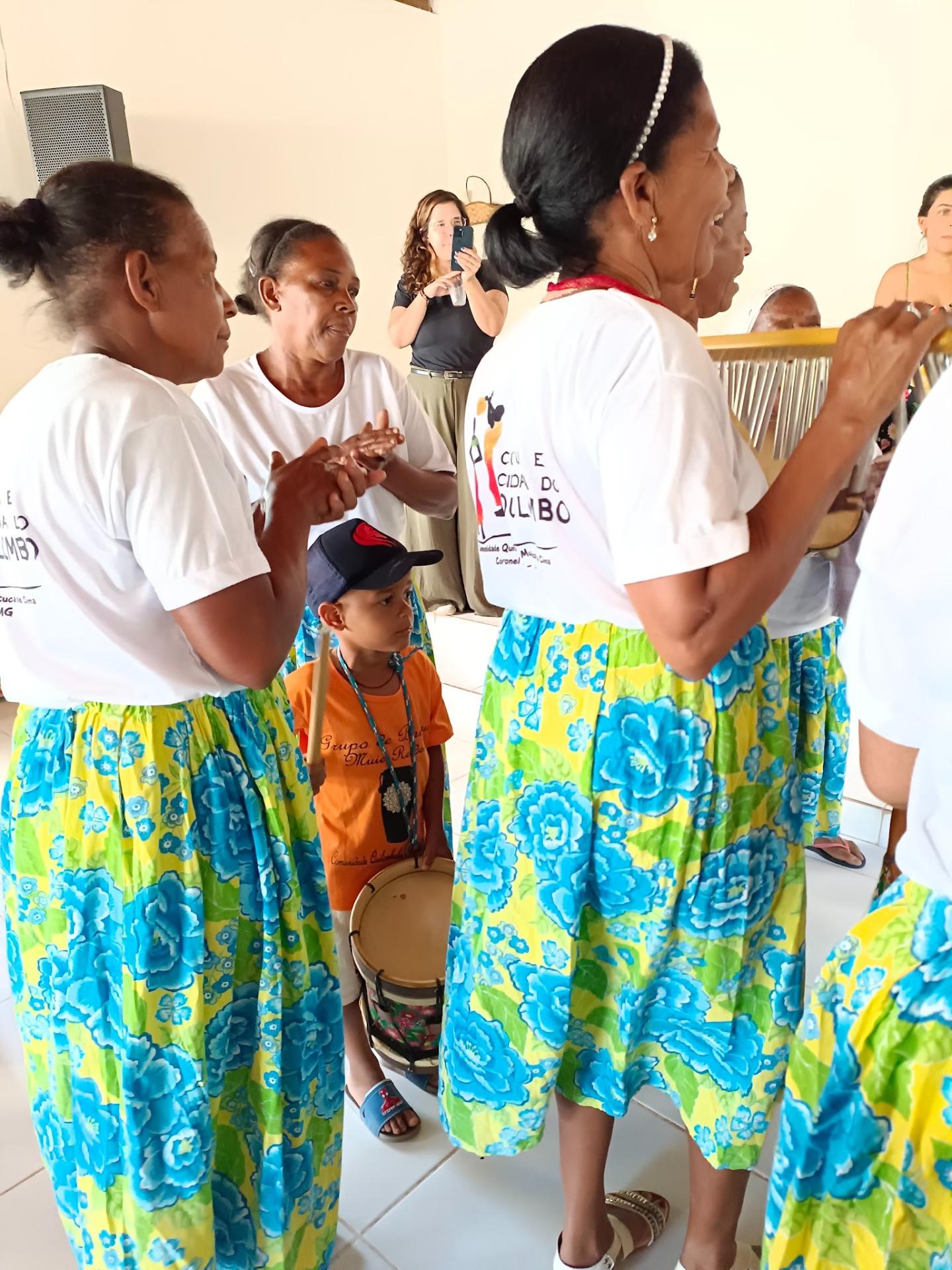
The Limits of Extraction: The relentless demand for resources, fueled by capitalist and consumerist societies, is pushing the planet to its breaking point. Mother Earth cannot sustain indefinite extraction. The question "How much mining is enough?" must be confronted. If mining is to continue, especially for transition minerals, it requires a fundamental reevaluation. Investment is only justifiable when it unequivocally respects the rights, territories, and decision-making autonomy of Indigenous, Quilombola, and traditional communities. These communities have long served as enduring stewards of ancestral lands, providing immense contributions to life, culture, and ecological balance. It is now imperative to ensure these territories are adequately protected and cared for.
-
Prioritizing Rights and Well-being: The long-term viability of any project hinges on its ability to foster genuine partnerships based on respect for Free, Prior, and Informed Consent (FPIC). This involves not only formal consultation but also meaningful engagement that acknowledges and values the deep connection communities have with their lands and waters. Disregard for FPIC, inadequate engagement, and the threat to water safety, social cohesion, and unresolved governance issues demonstrate a failure to uphold fundamental rights.
-
Bridging the "Green" Divide: The stark contrast between the discourse of "just transition" and "green" projects and the lived realities of affected communities exposes a critical gap. Policies and investments must actively address the social and environmental harms caused by extraction, rather than perpetuating them under the guise of sustainability. This requires a commitment to justice, equitable benefit-sharing, and the recognition of Indigenous and traditional knowledge systems.
Sigma Lithium, despite the global demand for transition minerals and favorable market conditions, is now acutely aware of its vulnerability. This vulnerability stems not only from its operational challenges but also from the growing power of united communities and their allies. The company faces investors who are increasingly seeking to align their portfolios with ethical considerations and long-term sustainability, rather than short-term profits. The future of transition mineral extraction in Brazil, and globally, will likely be shaped by the ability of companies and investors to move beyond rhetoric and embrace a genuine commitment to respecting human rights, environmental integrity, and the profound wisdom of the territories they seek to develop.