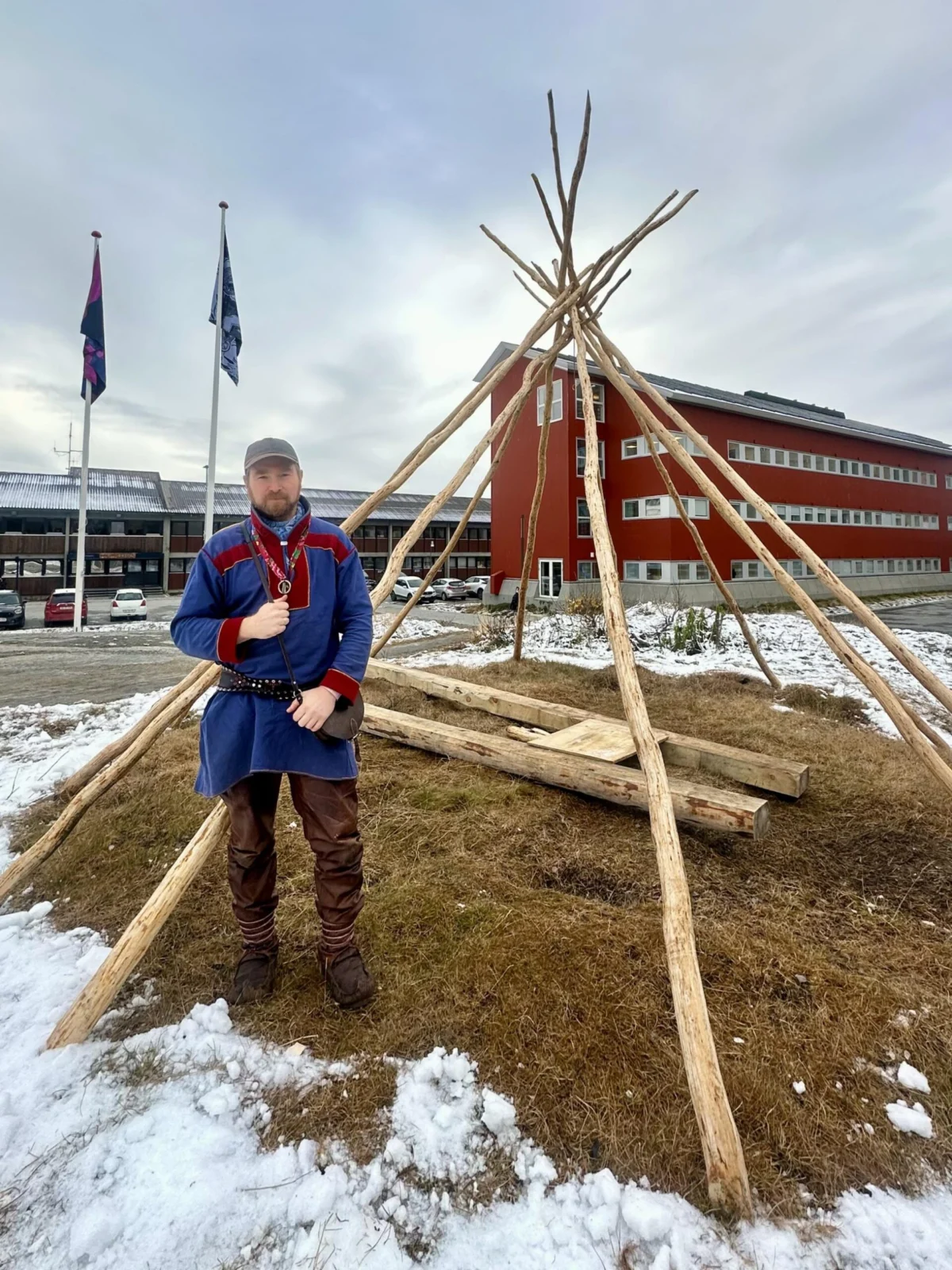
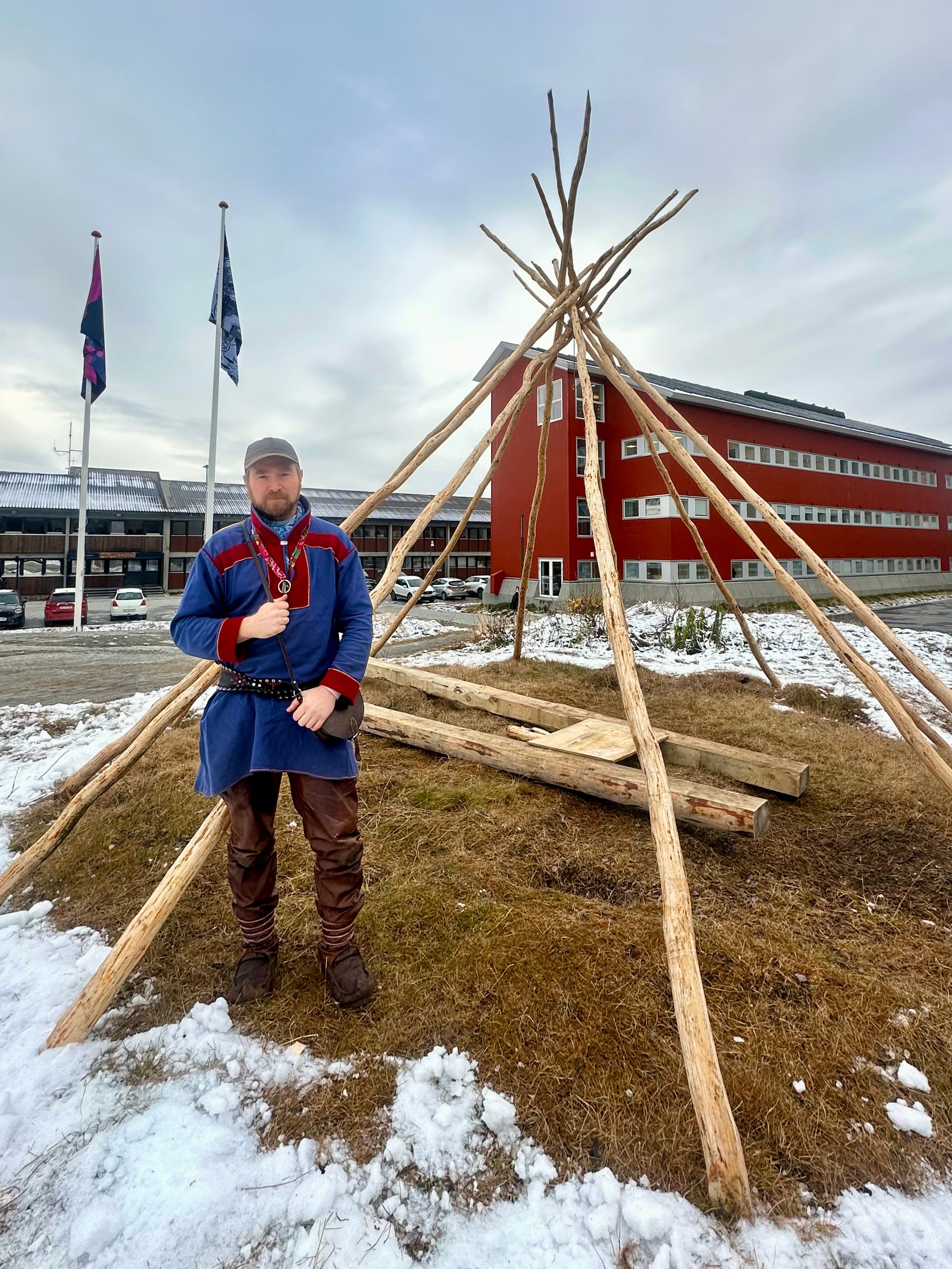
During the recent Suialaa Arts Festival in Nuuk, Greenland, a striking installation known as the "Sámi Embassy" (Lávvustallan) served as a powerful nexus of contemporary public art, scaled-up traditional Sámi craftsmanship, and active Indigenous diplomacy. Created by Beaska Niillas, a prominent Sámi artist and political figure, this multifaceted project embodies the vision that ancestral foundations can forge novel tools and alliances among nations. The installation, a meticulously crafted lávvu (traditional Sámi tent), represented not only a tangible piece of cultural heritage but also a vibrant platform for dialogue and connection, illustrating how traditional Sámi art forms are integral to community survival and self-determined political futures.
The Suialaa Arts Festival, an annual event in Greenland, aims to foster cultural exchange and showcase the diverse artistic expressions of Arctic and Indigenous communities. This year’s iteration in Nuuk provided an ideal backdrop for Niillas’s "Sámi Embassy," a project that resonated deeply with the festival’s overarching themes of cultural preservation, inter-Indigenous solidarity, and artistic innovation. The choice of Nuuk, Greenland’s capital, underscored the project’s diplomatic ambitions, positioning the Sámi people within a broader circumpolar context.
The Fusion of Art and Diplomacy: Beaska Niillas’s Vision
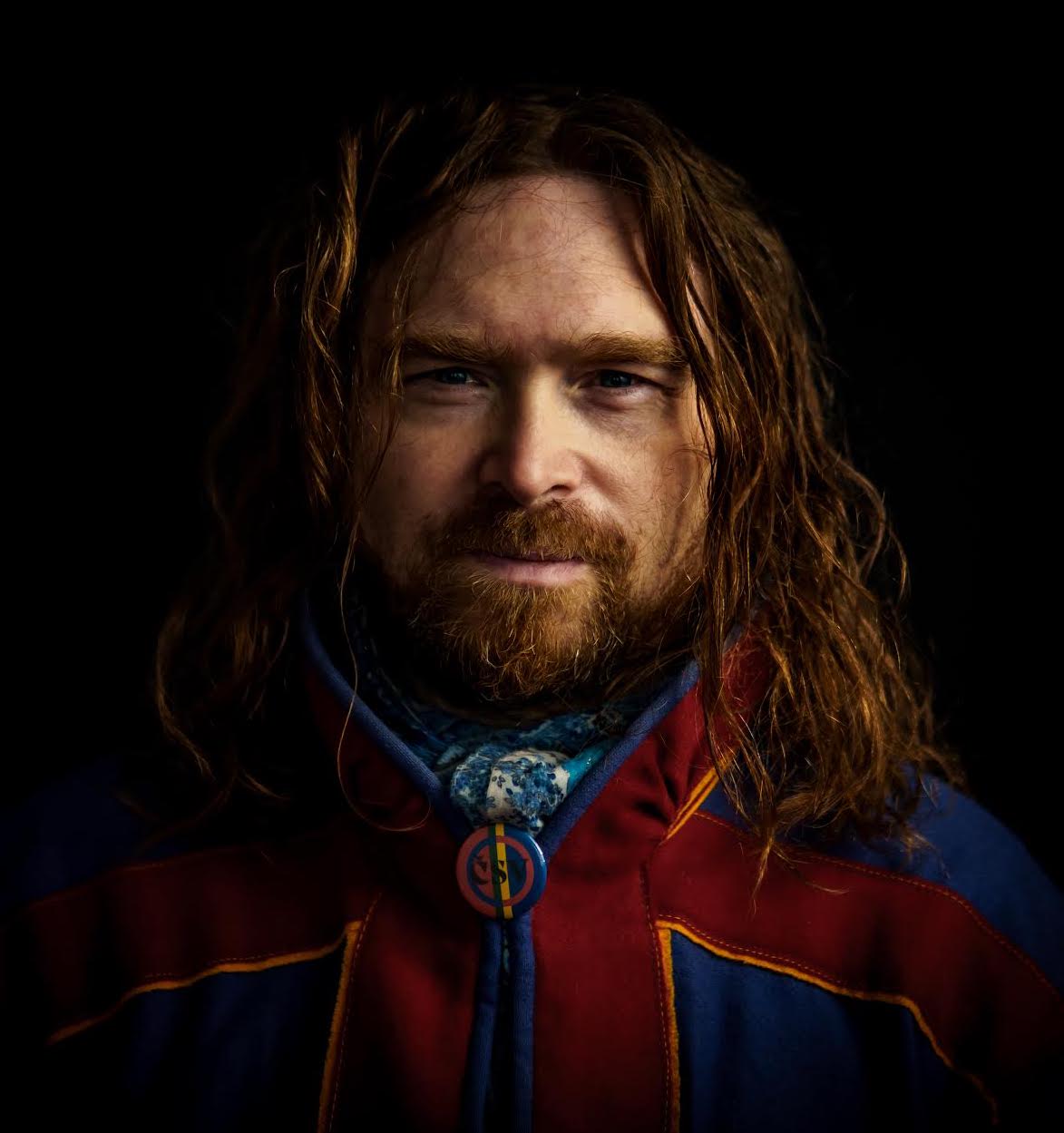
Beaska Niillas articulates a profound belief in the intrinsic value of traditional Sámi art forms, known as duodji. For him, these are not merely objects of beauty or examples of skilled craftsmanship; they function as a "tactile language" that transmits lineage and community identity in a tangible manner, thereby contributing to the survival and continuity of the Sámi people. Niillas’s own career trajectory exemplifies this dual role, spanning from the blacksmith’s forge in his native Deatnu to his service in the Sámi Parliament and his representation of his people on global stages, including the United Nations. His life and work consistently underscore the vital connection between past practices and the future of Sámi self-determination.
Cristina Verán, the journalist who interviewed Niillas in Nuuk, highlighted how the artist’s roles as a maker and a leader are inextricably intertwined. This symbiotic relationship is central to understanding the impact and intent behind the "Sámi Embassy."
From the Forge to the Parliament: A Journey in Duodji
Niillas’s passion for duodji ignited early, with a childhood dream of becoming a maker of traditional Sámi crafts. This aspiration was significantly shaped by his neighbor, Ingvald, an Elder and master craftsman in their small village. Niillas described these village elders as profoundly practical individuals who produced essential tools and objects for their communities. The allure of Ingvald’s workshop, coupled with the legacy of his great-grandfather, a renowned blacksmith whose knives were highly esteemed, provided a powerful impetus for Niillas to pursue blacksmithing and other traditional crafts.
His formal education in duodji took him to institutions on the Norwegian side of Sápmi, including Sámi Joatkkas ja Boazodoalloskuvla in Guovdageaidnu and Sámij åhpadusguovdásj in Johkamohkki. This was followed by a crucial two-year apprenticeship under a duodji master in Jokkmokk, on the Swedish side of Sápmi. After completing his training, Niillas worked for many years as a duojár, or maker of duodji, honing his skills and deepening his understanding of ancestral techniques.
Economic Realities and Ancestral Skills
When asked about his motivations, Niillas acknowledged the practical need for economic sustenance. He stated, "I wanted to make things that would sell well, of course; I needed money to live on." His initial focus was on traditional Sámi knives and guksi (wooden cups crafted from birch burs), items that held both cultural significance and marketability. Over time, his mastery expanded to encompass nearly every tool and craft of his ancestors, with the notable exception of building a traditional Sámi boat, a project he still aspires to undertake.
The Intricacies of Sámi Boat Building
The construction of a traditional Sámi boat represents a significant undertaking, requiring a deep understanding of materials, form, and specialized skills. Niillas elaborated on the traditional methods, which involved wooden frames and planks, often covered with animal hides. While reindeer hide could be used, it was not sufficiently durable for a vessel. Historical accounts and traditional knowledge suggest that moose hide was preferred due to its larger size and greater strength, making it more suitable for the substantial pieces needed to construct a seaworthy craft. This detail highlights the intricate knowledge of natural resources and their applications that characterized traditional Sámi life.
Artistic Innovation and Inter-Indigenous Exchange
Niillas embraces experimentation within the framework of traditional duodji. He actively explores the use of both old materials for new creations and the incorporation of contemporary materials into reimagined traditional forms. A significant aspect of his artistic practice involves exchange with other Indigenous peoples. He recounted a memorable instance in Canada where he was gifted a mammoth tooth, for which he traded a reindeer antler from Sápmi. This practice of trading and sharing materials and ideas is deeply rooted in historical Sámi traditions of inter-tribal and inter-Indigenous interaction.
Furthermore, Niillas seeks to integrate materials from other Indigenous cultures into his Sámi-style creations, and vice versa. This process is conducted with a strong emphasis on consent and collaboration. He requests permission from other Indigenous artists to create variations of their work using his traditional Sámi materials, a practice that underscores his commitment to ethical cultural engagement.
Combating Cultural Appropriation and Preserving Authenticity
The emphasis on consensual exchange stands in stark contrast to the exploitative appropriation of Sámi culture, particularly evident in some state-led tourism initiatives. Niillas expressed particular concern about the situation in the Finnish part of Sápmi, where entrepreneurs, he noted, "just want to take from and exploit our Sámi culture without permission." He described how this often results in the counterfeiting and commercialization of Sámi crafts, producing items that are not only inauthentic but also aesthetically poor and of low quality. Such practices, he warned, can lead to a distorted and negative perception of Sámi culture and craftsmanship among visitors.
To address this issue, the Sámi Duodji trademark has been established across all of Sápmi. This certification ensures that consumers seeking authentic, community-made products can trust their origin and quality. The trademark serves as a crucial tool in protecting Sámi cultural heritage from unscrupulous exploitation.
The Lingering Shadow of Racism and Mockery
Beyond cultural appropriation, Niillas touched upon the persistent issue of racism faced by the Sámi people throughout Scandinavia. He drew a parallel between historical instances of non-Sámi individuals dressing up and mocking Sámi people, often portraying them as foolish or intoxicated, and the deeply offensive practice of blackface experienced by African Americans. These forms of mockery, once considered entertainment, inflict significant harm and perpetuate harmful stereotypes.
The Intertwined Paths of Art and Politics
Niillas’s career has expanded to encompass significant political roles, a development he views not as supplementary to his artistic practice but as intrinsically linked. He described his life’s project as the preservation and revitalization of Sámi culture in all its facets—language, crafts, philosophy, and skills. While he differentiates between his art and his politics, he asserts that the values and foundational principles guiding his political work stem directly from his artistry. In contrast to Western tendencies to compartmentalize, Niillas embraces an Indigenous worldview where all aspects of life are interconnected.
A Catalyst for Political Engagement
Niillas’s foray into politics was not immediate. He admits to having little interest in or knowledge of Sámi political parties until his late twenties. His engagement began when, working as a translator, he attended a conference and heard the President of the Sámi Parliament speak. His internal reaction—a thought that he would have articulated differently—spurred him to consider active participation in political discourse. This pivotal moment marked the beginning of his involvement in Sámi governance.
Diverse Roles in Sámi Governance
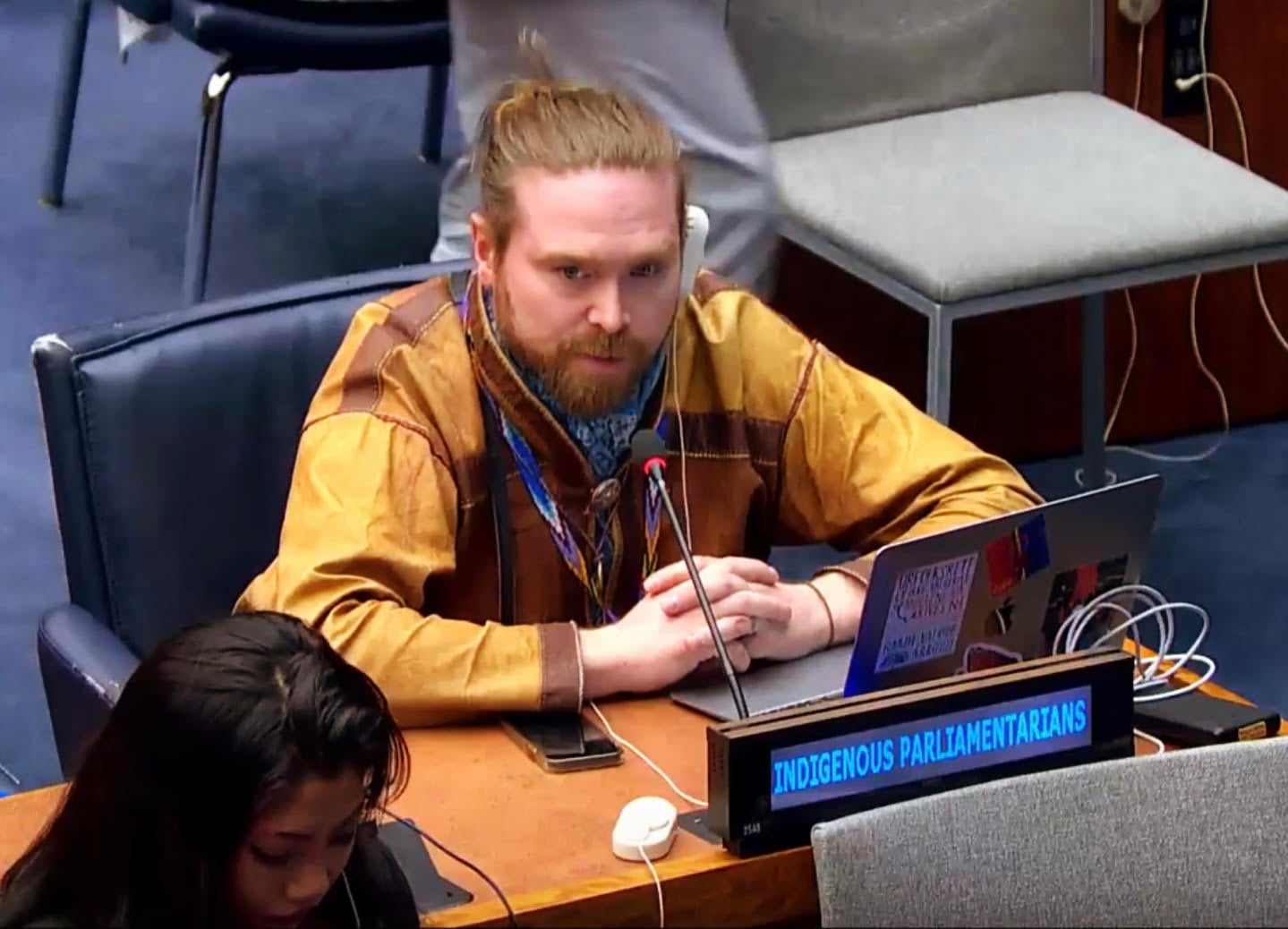
Throughout his career, Niillas has held numerous influential positions. He served as a Member of the Sámi Parliament for 12 years, navigating a western-style parliamentary system that, while state-recognized and democratically elected, is grounded in Indigenous values. Currently, he is a deputy member of the Saami Council, a non-governmental organization representing Sámi people across Norway, Sweden, Finland, and Russia. He also serves as vice chair of the Norwegian Sámi Association (NSR), his primary non-governmental organization.
Prioritizing Land Rights and Environmental Protection
A significant portion of Niillas’s political work has been dedicated to land defense, a critical issue for Sámi cultural survival. He emphasizes, "without land, we will lose our culture." Despite the Sámi retaining considerable land, it is increasingly under threat. Niillas is a vocal opponent of extractive industries operating within Sámi territories. He has expressed growing disillusionment with Norway’s stance on Indigenous land rights, noting that despite its self-portrayal as a progressive nation, its actions regarding extractive industries are increasingly detrimental. He observes that when Sámi concerns are brought before the Supreme Court, they are often disregarded, and even when legal victories are achieved, genuine change remains elusive. This perceived decline in respect from the Norwegian government is a source of deep concern for him.
The Arts as a Vehicle for Awareness and Activism
Niillas has effectively leveraged the arts to raise awareness about critical issues and to educate audiences about Sámi history and struggles. In the past decade, he has turned to poetry as a means of processing complex experiences. His involvement in film and theater has also been instrumental. He has acted in politically charged projects, including "The Kautokeino Rebellion" (Guovdageainnu Stuimmit), a historical drama depicting a significant Sámi uprising in 1852, and "Let the River Flow" (Ellos Eatnu – La Elva Leve), which chronicles the protest against the construction of a hydroelectric dam on the Alta River—an event that ultimately led to the establishment of the Sámi Parliament.
These artistic representations draw parallels to contemporary activism. Niillas noted that in 2021, the Sámi engaged in similar forms of resistance against the proposed Nussir ASA copper mine, which threatened reindeer grazing lands and the Riehpovuotna Fjord, and against the existing Fosen wind turbines, which have disrupted critical pastures and displaced reindeer herds.
The Sámi Embassy: A Mobile Diplomatic and Artistic Hub
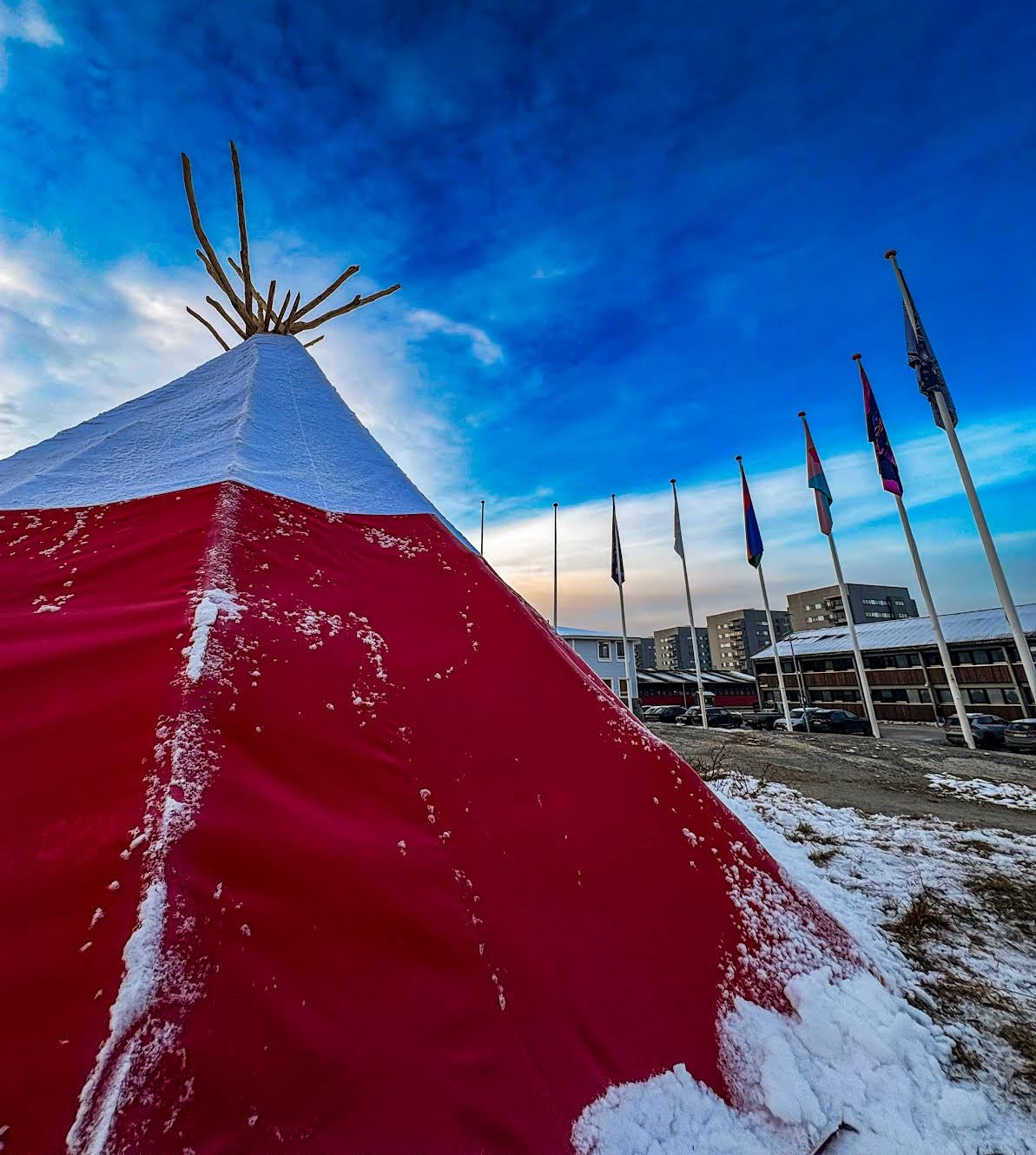
The "Sámi Embassy" project, strategically positioned across from the Katuaq Cultural Centre in Nuuk during the Suialaa Arts Festival, represents an intuitive synthesis of Niillas’s artistic and political endeavors. The genesis of this idea stemmed from a prior visit to Greenland, where observing an embassy from another nation sparked the realization that Sápmi also needed a similar presence. Niillas highlighted the long-standing relationship between the Inuit and Sámi peoples, describing them as "sister Peoples" who have collaborated on political, artistic, and personal levels.
The concept of an "embassy" inherently evokes statecraft. Niillas delved into the historical forms of Sámi diplomacy that predated the modern Scandinavian states. He explained that before these states asserted dominion over their lands, the Sámi engaged in treaty-based diplomacy and trade with various groups, including early Russian czars and the Vikings. This historical precedent of actively seeking relationships with neighbors forms the foundation for the "Sámi Embassy" project, emphasizing a continuity of diplomatic engagement.
The Lávvu: A Symbol of Sámi Sovereignty and Mobility
The "Sámi Embassy" was conceived as both a political and an artistic space. Niillas aimed to create a mobile embassy structure that could be easily erected and dismantled, reflecting the Sámi philosophy of leaving the land as it is found. Rather than a fixed office, he envisioned a traditional Sámi lávvu as the central structure, providing a space for "nation to nation" encounters.
The design of the lávvu’s canvas cover is particularly symbolic. It is divided into two detachable halves: one in the colors of the Sámi flag and the other in the colors of the Greenlandic flag. This duality signifies the collaborative spirit of the project. Upon the conclusion of the festival, Niillas left the Greenlandic half and the lávvu poles in Nuuk, taking the Sámi portion back to Sápmi. This arrangement allows for the embassy to be recreated whenever Greenlanders visit Sápmi, fostering ongoing diplomatic exchange.
Navigating State Relations and Indigenous Protocols
Addressing the complexities of Greenland’s foreign relations, which are managed by Denmark, Niillas articulated a clear stance. He asserted that he did not seek, nor would he ever seek, permission from Denmark to establish the embassy. Instead, he emphasized a different, more profound protocol: seeking and receiving permission not only from the Indigenous Peoples to whom the land belongs but also from the land itself. This perspective underscores a deep respect for Indigenous sovereignty and environmental stewardship.
The Lávvu as a Mobile Homeland
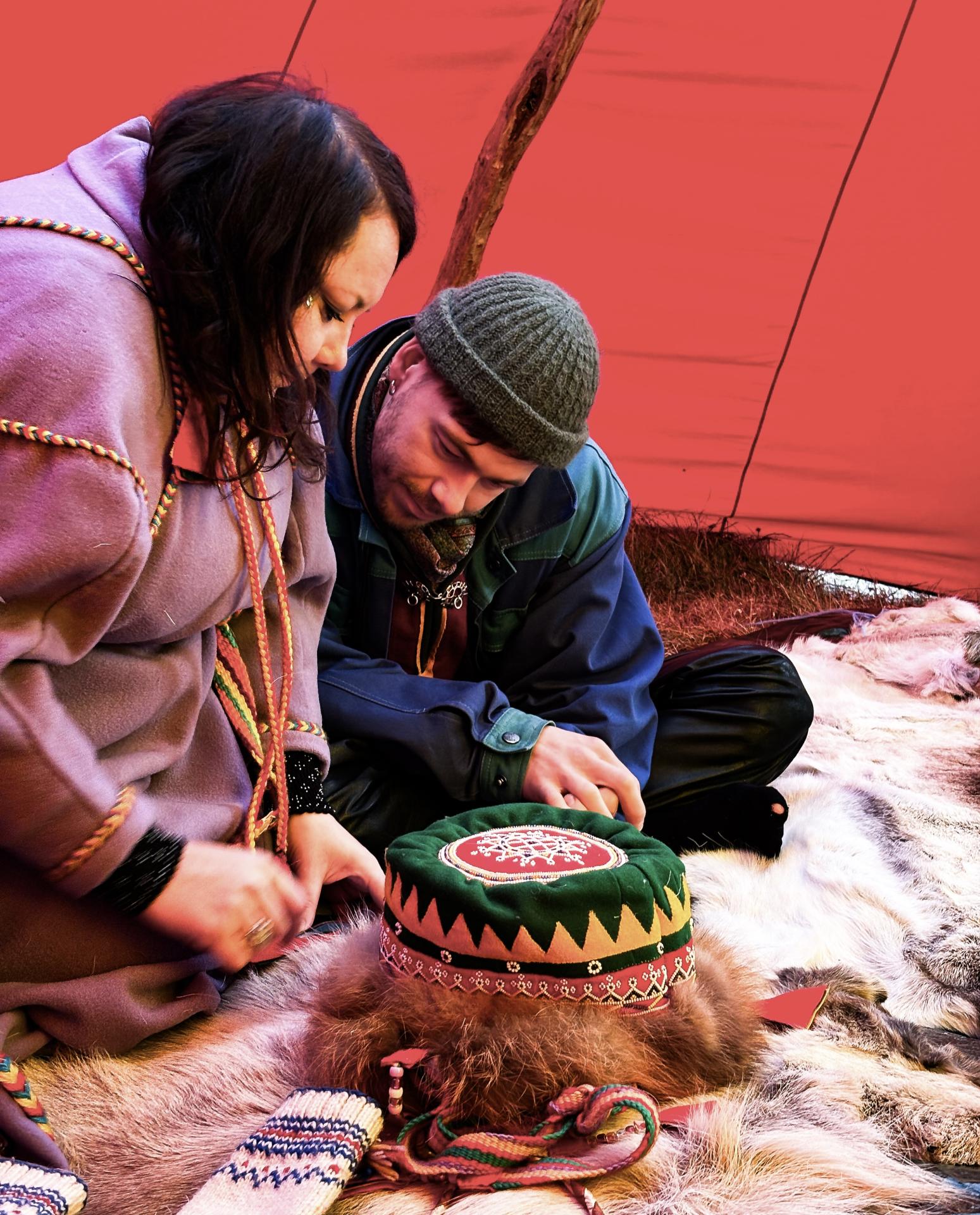
Niillas has brought the lávvu to various locations, including North America, for other occasions. He described the experience of inhabiting this traditional Sámi space in lands far from home as one of profound comfort and safety. Even in the heart of a bustling city, the lávvu creates a sanctuary where the sounds of the outside world recede. He reiterated that true comfort within the lávvu is contingent on the consent of the land, a principle that resonates with Indigenous understandings of reciprocal relationships with the natural world.
"Birget": The Essence of Sámi Resilience
When asked about a specific Sámi word or concept that best captures the current struggle and future of his people, Niillas highlighted "Birget." This term, he explained, is difficult to translate precisely but encapsulates the essence of how to live in the world with resilience and self-sufficiency. It speaks to survival and thriving in challenging environments, a skill honed by the Sámi in their Arctic homeland. Niillas attributes his deep understanding of "Birget" to his upbringing by his grandparents, who passed down these values and knowledge directly to him. He feels privileged to have inherited this legacy and is committed to ensuring its transmission to future generations.
The "Sámi Embassy" project, therefore, stands as a powerful testament to Beaska Niillas’s vision—a vision where traditional craftsmanship, contemporary art, and active Indigenous diplomacy converge to forge new alliances and ensure the enduring vitality of Sámi culture and self-determination. The installation in Nuuk served as a potent symbol of this interconnectedness, a reminder that the wisdom of the past continues to illuminate pathways to a resilient and self-determined future.

This report was made possible with the gracious assistance of Visit Greenland, which facilitated travel, access, and local coordination.
Cristina Verán is an international researcher, educator, advocacy strategist, network weaver, and mediamaker focused on Indigenous Peoples. She was a founding member of the United Nations Indigenous Media Network and the Indigenous Language Caucus. As Adjunct Faculty at New York University’s Tisch School of the Arts, she emphasizes the global histories, expressions, and socio-political impacts of Indigenous contemporary visual and performing arts, design, and popular culture(s).