The World Day for Cultural Diversity for Dialogue and Development, observed annually on May 21st, serves as a crucial global platform to underscore the profound significance of cultural diversity. It highlights this richness as the bedrock of inclusive societies, fostering vital community dialogue and underpinning the pursuit of sustainable development. For organizations deeply committed to partnering with Indigenous Peoples, this day transcends mere observance; it becomes a powerful impetus for introspection and action, examining how the principles of cultural diversity are translated into tangible, community-led initiatives. Cultural Survival, an organization dedicated to supporting Indigenous Peoples’ rights and cultures, exemplifies this commitment, demonstrating that cultural diversity is not merely an abstract ideal but a fundamental operational philosophy.
A Framework of Diversity: Cultural Survival’s Operational Ethos
At Cultural Survival, the principle of cultural diversity is woven into the fabric of its operations. This ethos guides the design of its programs, shapes the methods of supporting communities, and most critically, places Indigenous Peoples at the forefront of all decision-making processes. Through a suite of strategic initiatives, the organization consistently illustrates how the interplay of diversity and open dialogue can cultivate authentic, enduring positive change. These programs are not simply projects; they are carefully constructed frameworks designed to empower Indigenous communities, preserve their unique heritage, and amplify their voices on the global stage.
Cultivating the Next Generation of Cultural Stewards: The Indigenous Youth Fellowship
A cornerstone of Cultural Survival’s approach is the Indigenous Youth Fellowship. This program is meticulously designed to nurture and empower young Indigenous leaders, providing them with the resources, training, and mentorship necessary to conceive and implement vital cultural and educational projects within their own communities. The fellowship recognizes that the future of cultural diversity lies in the hands of its youngest custodians. Participants embark on a journey of skill development, honing their leadership capabilities while simultaneously championing the preservation and revitalization of their ancestral languages, time-honored traditions, and distinct cultural identities.
The fellowship’s impact extends far beyond individual skill enhancement. It serves as a potent mechanism for intergenerational knowledge transfer, ensuring that the vibrant tapestry of Indigenous cultures is passed down to future generations. By fostering environments where young leaders can share their unique perspectives and experiences, the program actively cultivates dialogue. These emerging leaders adeptly bridge the gap between ancestral wisdom and contemporary communication tools, translating traditional knowledge into formats accessible to a wider audience. In numerous instances, the work undertaken by fellows has demonstrably boosted cultural awareness and instilled a renewed sense of pride within their respective communities, underscoring the transformative power of investing in Indigenous youth.
Amplifying Indigenous Voices: Community Media as a Nexus for Dialogue
Recognizing the indispensable role of communication in cultural preservation and empowerment, Cultural Survival’s Indigenous Community Media Fund provides critical support to Indigenous communities in establishing and sustaining their own media platforms. This initiative encompasses a broad spectrum of communication tools, including local radio stations, digital content creation, and other essential communication technologies, all designed to operate in Indigenous languages.
These community-led media projects are instrumental in safeguarding and promoting cultural diversity. They offer Indigenous communities a vital platform to narrate their own stories, disseminate their unique local knowledge, and fortify internal communication networks. Crucially, these media outlets cultivate inclusive spaces where a multiplicity of voices within a community can be heard, fostering a more robust and representative public discourse.
By prioritizing content creation in indigenous languages, these initiatives play a pivotal role in protecting linguistic diversity, a fundamental component of cultural identity and heritage. This commitment to linguistic preservation directly contributes to both cultural continuity and the strengthening of social cohesion within these communities. The ability to communicate and express oneself in one’s own language is intrinsically linked to a sense of belonging and cultural integrity, making these media endeavors essential for the holistic well-being of Indigenous populations.
Empowering Self-Determination: Community-Led Development Through the Keepers of the Earth Fund
The Keepers of the Earth Fund embodies Cultural Survival’s unwavering commitment to community-led development. This fund directly supports Indigenous communities in the implementation of projects that are meticulously aligned with their own self-determined priorities. These initiatives span a wide array of critical areas, including the organization of cultural events that celebrate heritage, the development of educational programs that transmit traditional knowledge, concerted efforts in language revitalization, and the establishment of programs dedicated to the sharing of invaluable Indigenous knowledge systems.
This community-centric approach is paramount because it fundamentally empowers Indigenous communities to chart their own development trajectories. It ensures that cultural diversity is not merely acknowledged in principle but is actively and concretely supported through tangible actions and collaborative partnerships built on a foundation of mutual trust. By placing the power of decision-making directly into the hands of the communities, this model allows them to define their own pathways to progress while steadfastly preserving their distinct cultural identities. This approach stands in stark contrast to top-down development models, which often fail to account for the unique cultural contexts and aspirations of Indigenous Peoples.
Dialogue as a Daily Practice: The Fabric of Collaboration
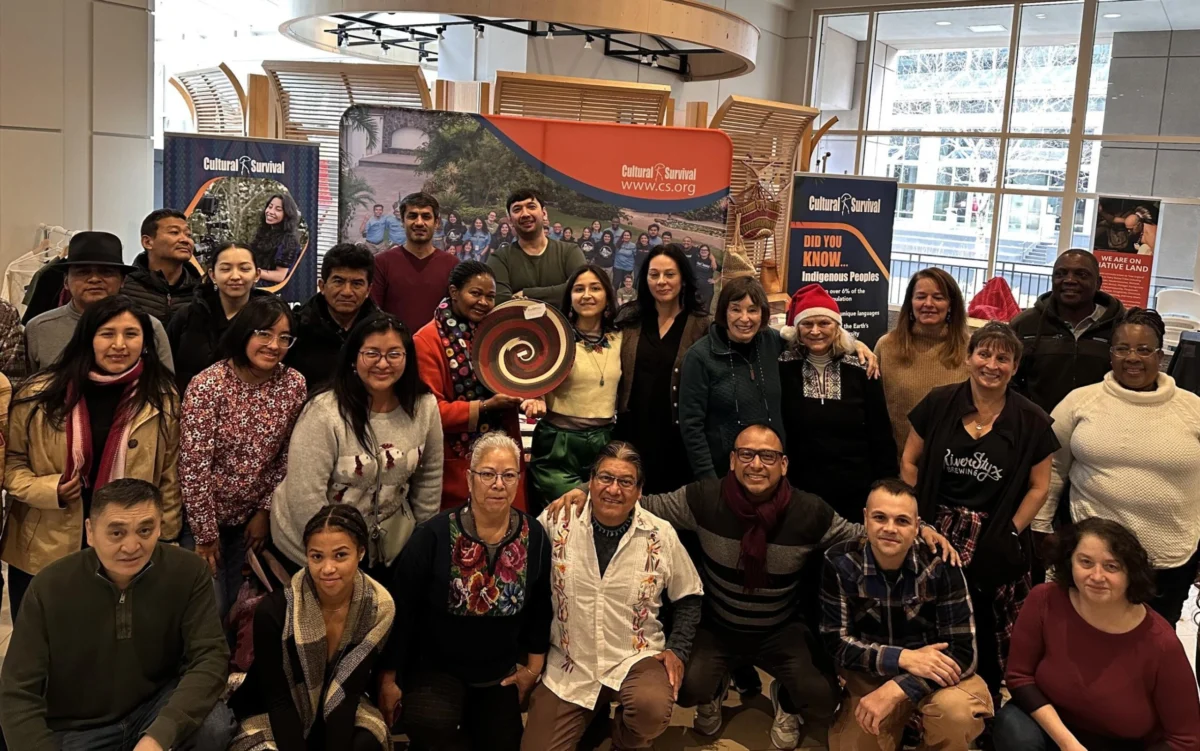
Across all of Cultural Survival’s programmatic endeavors, dialogue is not treated as an abstract concept but is actively integrated as a daily practice. This continuous exchange occurs not only between Indigenous communities and the organization itself but also within its internal teams, which are intentionally composed of individuals from diverse cultural and professional backgrounds.
This constant inter-exchange of ideas and perspectives is instrumental in fostering a deeper understanding of local realities and ensuring that programs remain responsive and relevant to the specific needs of the communities they serve. Furthermore, it cultivates robust trust, an indispensable element for forging enduring and effective long-term partnerships. In this manner, cultural diversity transcends its status as a mere value and becomes a practical, operational methodology that demonstrably enhances communication, strengthens collaboration, and refines the decision-making processes.
Carlos Sopprani, Cultural Survival’s Human Resources Coordinator, eloquently articulated this lived experience: “From the very moment I became part of the Cultural Survival staff, I experienced the immense diversity within this environment. This diversity is reflected in every interaction and shared space. Once you embrace it, you start to see the value of being part of that exchange. Within my team, we always strive to value every point of view. We make decisions collectively, considering not only the best option but also emphasizing the intention and purpose behind our processes: serving the staff. Being part of Human Resources at Cultural Survival has taught me always to remain open to learning and to approach colleagues with humility, understanding that everyone has something valuable to contribute through diversity.”
Navigating Complexities: Challenges and Continuous Learning
The inherent nature of cross-cultural collaboration, while immensely rewarding, is not without its challenges. Differences in expectations, communication styles, and varying levels of access to resources can, at times, present obstacles and lead to misunderstandings. However, Cultural Survival addresses these challenges proactively through a commitment to continuous dialogue and an iterative learning process. Feedback from partner communities is not merely collected but is actively incorporated into the ongoing design and refinement of programs. Furthermore, approaches are regularly reviewed and adjusted to ensure unwavering respect for cultural nuances and the continued relevance of program objectives. This dynamic process of mutual learning is an indispensable component in the construction of strong, resilient, and sustainable partnerships.
Broader Implications: Diversity as a Catalyst for Sustainable Development
The World Day for Cultural Diversity for Dialogue and Development serves as a potent reminder that the recognition of cultural diversity must be intrinsically linked to concrete action. Through its multifaceted programs, including the Indigenous Youth Fellowship, the Indigenous Community Media Fund, and the Keepers of the Earth Fund, Cultural Survival provides compelling evidence of how diversity can be effectively translated into tangible, positive impact.
By championing Indigenous Peoples’ agency in leading their own initiatives, the organization underscores the fundamental truth that genuine dialogue, unwavering trust, and profound cultural respect are not optional extras but are indispensable prerequisites for achieving truly sustainable development. In this light, cultural diversity is not simply an occasion for celebration; it is a living, breathing practice that is enacted daily through the organization’s unwavering commitment to collaboration, empowerment, and the continuous pursuit of shared learning. The implications of this approach are far-reaching, offering a model for global development that prioritizes inclusivity, self-determination, and the preservation of the world’s rich cultural heritage for generations to come.