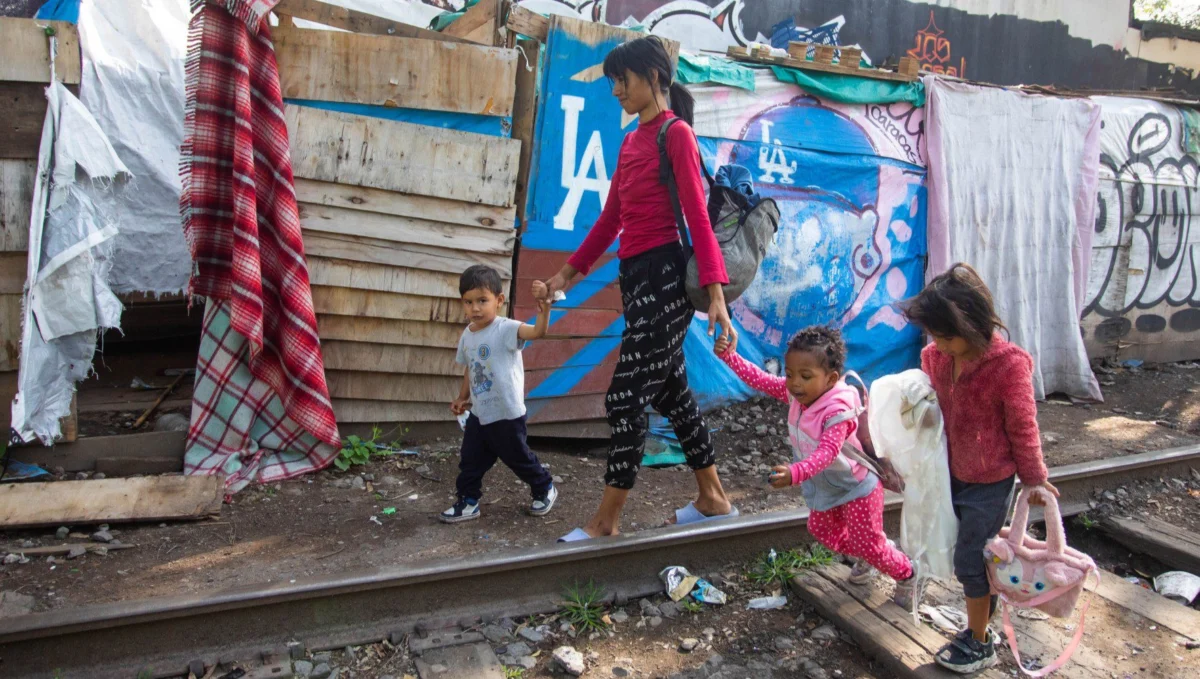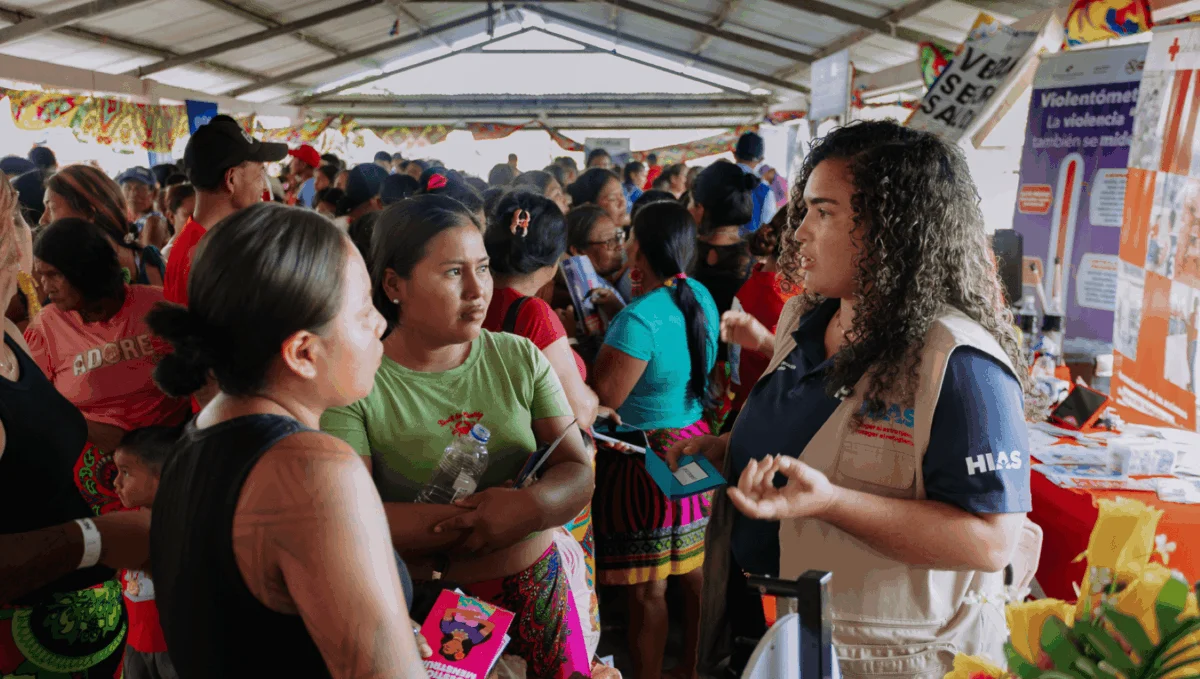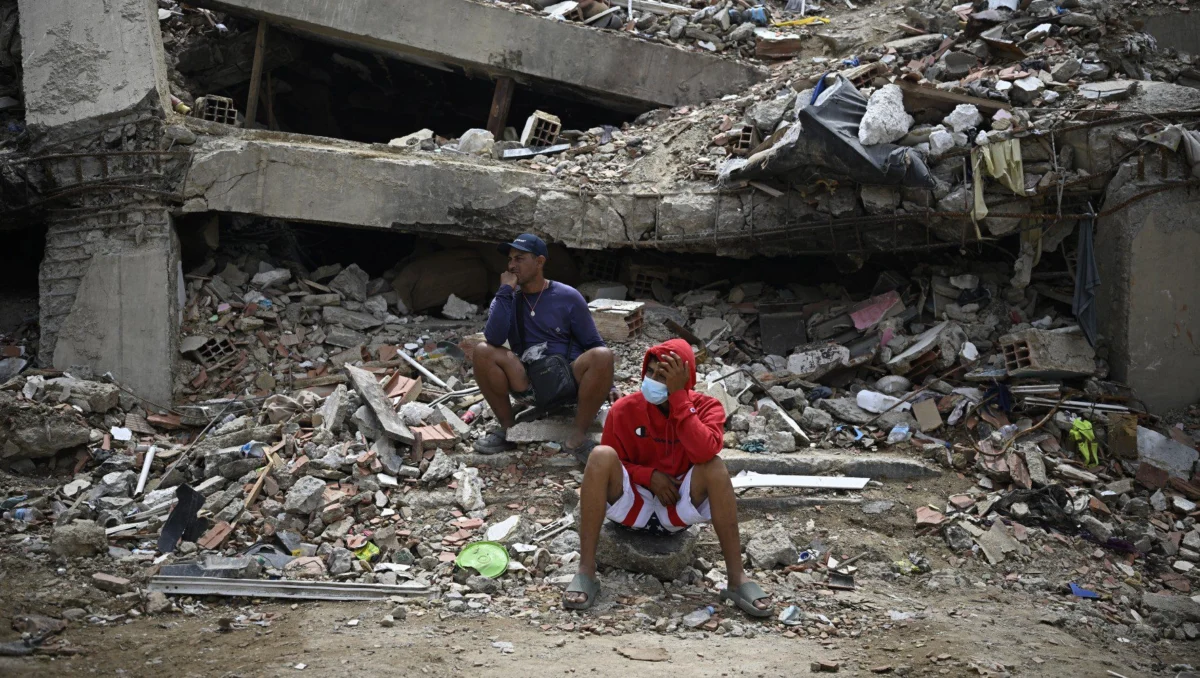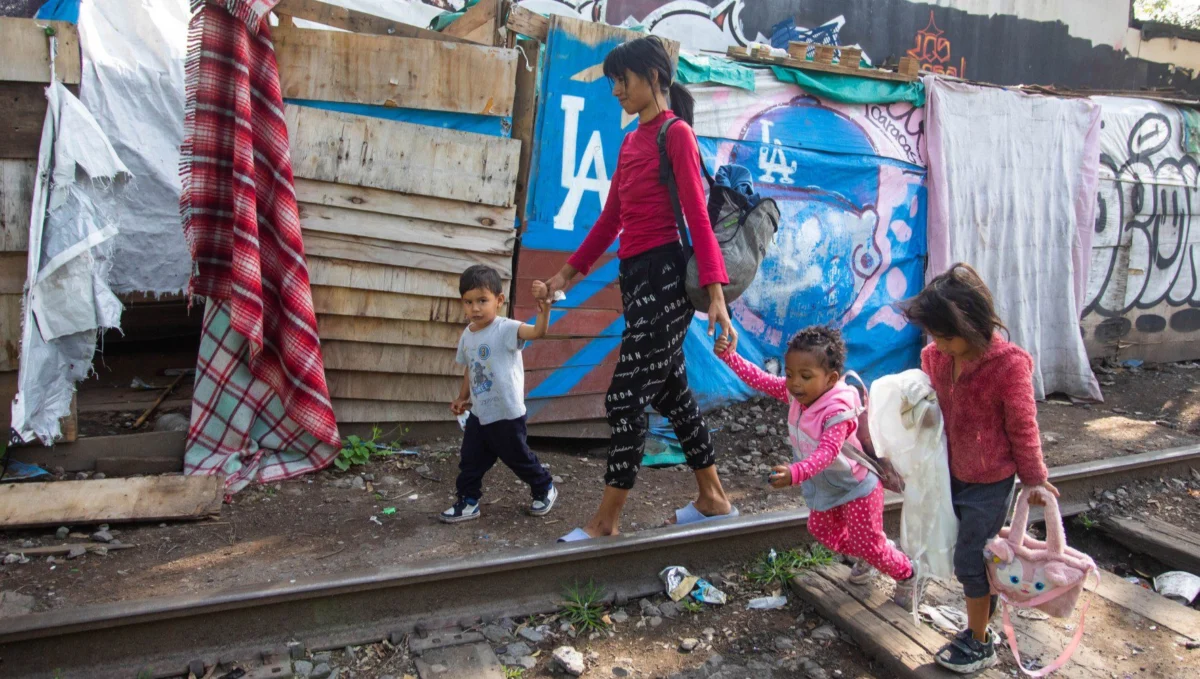
Protecting the safety and rights of refugees is not merely a moral imperative; it is a deeply ingrained legal obligation for the United States and numerous other nations. These commitments are woven into the fabric of international treaties, national legislation, and enduring humanitarian principles. In this comprehensive exploration, HIAS delves into the intricate legal architecture that safeguards individuals fleeing persecution and violence, examining both the global standards and the specific domestic laws that govern refugee protection in the United States.
The Genesis of International Refugee Law
The concept of a nation’s duty to offer sanctuary to those fleeing persecution has ancient roots. However, the modern international framework for refugee protection was profoundly shaped by the unprecedented horrors of World War II and the Holocaust. This period of immense human suffering catalyzed the creation of a landmark international agreement designed to codify these humanitarian obligations.
At the heart of international refugee protection lies the 1951 Convention Relating to the Status of Refugees and its subsequent 1967 Protocol. This foundational treaty established the first universally accepted definition of a "refugee," encompassing individuals who have a well-founded fear of persecution for reasons of race, religion, nationality, membership of a particular social group, or political opinion. Crucially, it laid down minimum standards for the treatment of refugees, creating a permanent and comprehensive framework for the protection of vulnerable populations worldwide.
Two pivotal principles enshrined in the Convention are paramount: non-refoulement, which unequivocally prohibits the return of refugees to territories where their lives or freedom would be under serious threat, and the fundamental right to seek asylum in another country. Beyond these core protections, the Convention also guarantees refugees access to legal systems, education, employment, and public assistance. It strongly emphasizes the principle of non-discrimination, ensuring that refugees are treated with dignity and fairness, regardless of their origin or any other characteristic. The 1967 Protocol significantly broadened the Convention’s applicability, extending its protective reach beyond the specific geographical and temporal limitations initially imposed by the 1951 agreement, thereby creating a truly global standard for refugee protection.
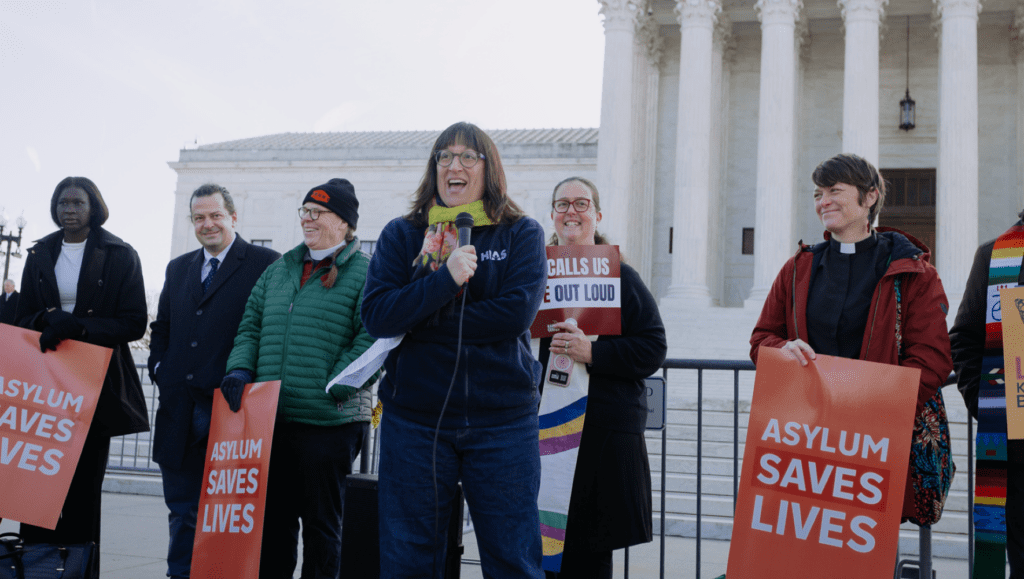
Today, the United Nations High Commissioner for Refugees (UNHCR) serves as the principal international body tasked with coordinating global efforts in refugee protection and assistance. HIAS actively collaborates with UNHCR, working in tandem to advocate for refugee rights and deliver essential services to displaced individuals across various regions. This partnership is instrumental in ensuring that refugees receive consistent, coordinated, and effective support, regardless of where they find themselves seeking safety.
United States Refugee Legal Obligations: A Historical Perspective
For many decades, the United States has affirmed its legal and moral obligations towards refugees and asylum seekers, reflecting a long-standing tradition of providing refuge. However, recent years have witnessed significant challenges to these commitments.
The cornerstone of U.S. immigration law, including provisions for asylum and refugee protection, is the Immigration and Nationality Act (INA) of 1965. This comprehensive statute incorporates the core principles of the Refugee Convention and outlines the specific criteria for granting asylum and refugee status within the United States. Building upon this foundation, the Refugee Act of 1980 was enacted, amending the INA to align U.S. domestic law with the international standards established by the Refugee Convention. This pivotal legislation created the U.S. Refugee Admissions Program (USRAP), a structured and systematic process for admitting refugees into the country. Furthermore, the Refugee Act of 1980 established clear procedures for individuals seeking asylum and provided a pathway for refugees already present in the U.S. to obtain legal permanent residency and, ultimately, citizenship.
Individuals who are physically present within the United States, regardless of their immigration status, possess the legal right to apply for asylum. Asylum seekers are required to present evidence and testimony to demonstrate a well-founded fear of persecution in their country of origin, stemming from one of the five protected grounds: race, religion, nationality, membership in a particular social group, or political opinion.
The U.S. Refugee Admissions Program (USRAP) facilitates the resettlement of individuals identified as refugees by UNHCR or other designated organizations, who are then brought to the United States after undergoing rigorous security and health screenings. HIAS plays a vital role as one of the ten refugee resettlement agencies in the U.S., with six of these agencies being faith-based. These agencies partner with the federal government to assist refugees in rebuilding their lives and integrating into new communities.

Under the framework established by these legal commitments, resettled refugees in the U.S. are granted essential rights, including the right to work, access to public education, and the ability to apply for permanent residency after one year of resettlement. Additionally, they are afforded the opportunity to petition for their immediate family members to join them in the United States, a process designed to preserve family unity. These laws collectively underscore America’s historical commitment to humanitarian principles and its role in providing sanctuary to those fleeing persecution.
Challenges to the U.S. Refugee Framework
In recent years, the established pathways for seeking asylum and accessing international refugee protections have faced unprecedented challenges and erosion. These legal avenues remain critical for individuals fleeing violence and persecution, both within the United States and globally, and their defense is paramount.
The Trump Administration’s Impact on Refugee Rights:
From the outset of his term, President Trump’s administration initiated a concerted effort to dismantle the existing protections for refugees and asylum seekers. Millions of individuals were placed in heightened danger, and the vital systems designed to shield those experiencing violence and persecution were systematically weakened.
Within weeks of taking office, President Trump suspended the U.S. Refugee Admissions Program (USRAP), leaving thousands of refugees in precarious situations. Subsequently, the administration set the lowest refugee ceiling in U.S. history and began scrutinizing previously approved refugee cases, causing immense anxiety for thousands of refugees already striving to rebuild their lives in the U.S. These actions were undertaken with little regard for the nation’s legal obligations to refugees or the escalating global humanitarian crises. HIAS responded by vigorously defending refugees through direct services and robust advocacy, including a significant lawsuit that successfully facilitated the resettlement of several families in the United States.
Beyond the direct impact on refugee resettlement, the Trump administration effectively closed the U.S. border to asylum seekers, creating near-insurmountable barriers for individuals fleeing violence seeking protection or fair hearings. This policy also resulted in the freezing of numerous asylum cases that had already been filed within the U.S. These measures collectively denied vulnerable displaced populations access to desperately needed safety and legal support. In response, HIAS significantly expanded its legal and social services, providing critical assistance to thousands of asylum seekers through its dedicated staff attorneys and extensive network of pro bono partners.
Perhaps the most alarming aspect of the administration’s approach was the aggressive implementation of a mass deportation program. This program was characterized by high-profile raids and the forced removal of individuals from their homes, workplaces, and public spaces, including controversial "third-country deportations" to nations where individuals faced significant danger. These well-funded operations often resulted in violent and unlawful removals, instilling widespread fear and terror within immigrant communities. HIAS consistently spoke out against these harmful practices, provided essential resources and information to affected communities, and mobilized Jewish communities nationwide to organize vigils, offer legal accompaniment, and prepare to support neighbors facing the threat of deportation.
The Mullin v. Al Otro Lado Case: A Supreme Court Battleground
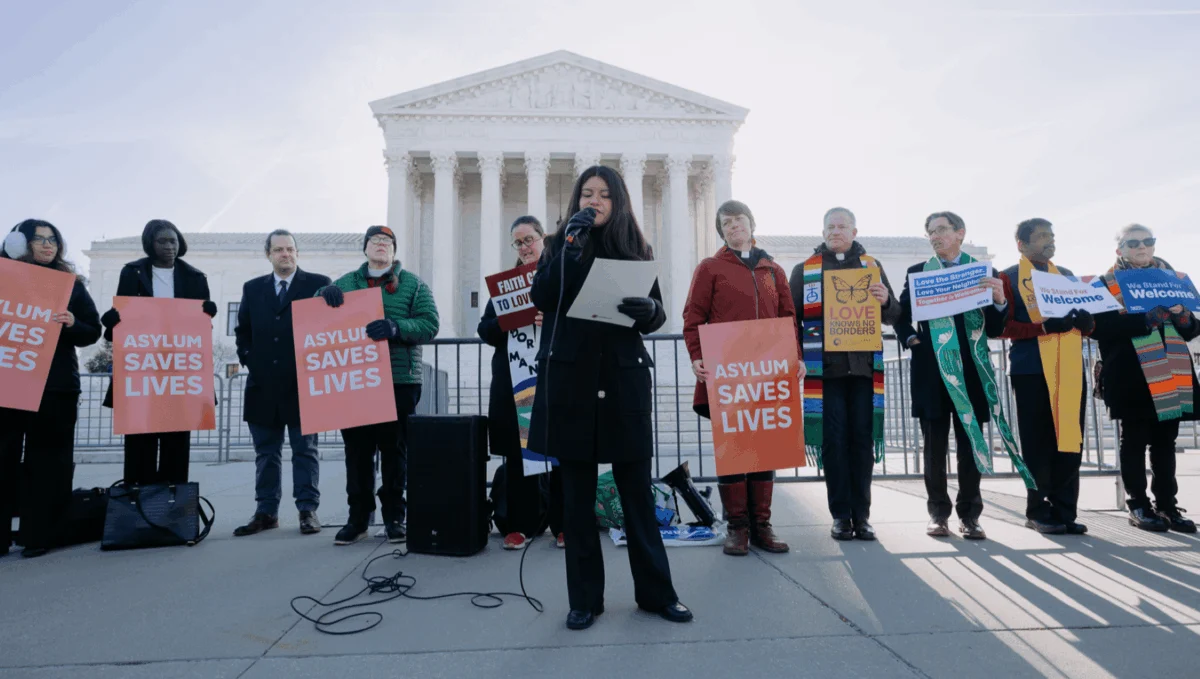
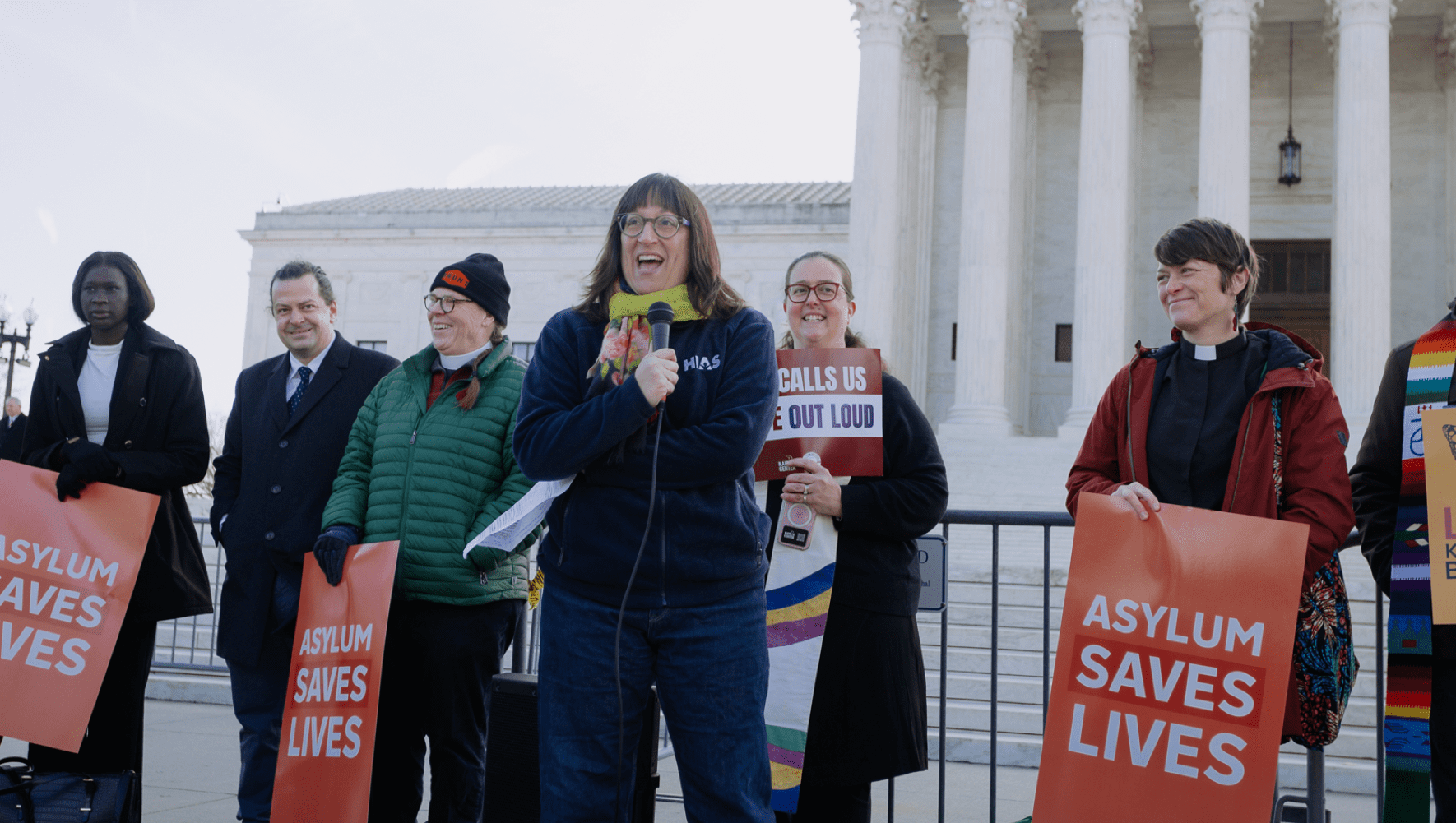
The legal landscape surrounding asylum at the U.S.-Mexico border has been a focal point of significant legal challenges, most notably in the case of Mullin v. Al Otro Lado. This case, which reached the Supreme Court, centered on the critical question of whether individuals fleeing violence and persecution can continue to seek asylum at the U.S.-Mexico border. HIAS, recognizing the profound implications of this case for refugee protection, filed an amicus brief in support of Al Otro Lado, arguing for the preservation of asylum access. The outcome of this Supreme Court hearing was poised to determine the fate of a fundamental right for countless individuals seeking safety.
Broader Implications and the Path Forward
The ongoing legal battles and policy shifts surrounding refugee and asylum law have far-reaching implications, impacting not only the individuals directly seeking protection but also the United States’ standing on the global stage and its commitment to humanitarian values. The erosion of legal protections can create a ripple effect, potentially emboldening other nations to curtail their own refugee obligations and contributing to a global humanitarian crisis.
The defense of refugee rights is a continuous endeavor that requires sustained advocacy, legal challenges, and the unwavering support of civil society organizations and the public. HIAS remains steadfast in its commitment to ensuring that all refugees and asylum seekers are afforded the protections guaranteed under both U.S. and international law. Through direct legal services, policy advocacy, and community mobilization, HIAS continues to fight for a system that upholds the dignity and rights of all individuals fleeing persecution, ensuring that the United States remains a beacon of hope for those in need of refuge.
The historical context of U.S. refugee policy, from the post-World War II era to the present day, demonstrates a consistent thread of humanitarian commitment, albeit one that has faced periods of challenge and reevaluation. The legal framework, while robust in its intent, is continually tested by evolving political climates and societal attitudes. The ongoing struggle to uphold these protections underscores the enduring importance of international cooperation, domestic legislative action, and a vigilant citizenry dedicated to safeguarding the rights of the most vulnerable populations. The future of refugee protection in the United States, and indeed globally, hinges on the collective resolve to defend these fundamental legal and ethical principles.