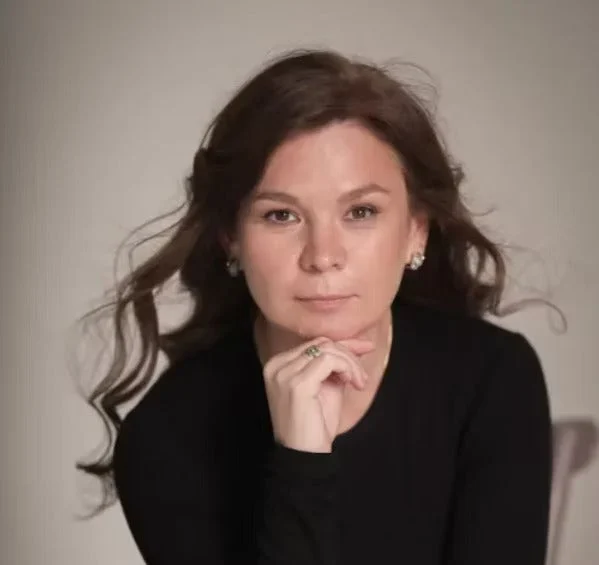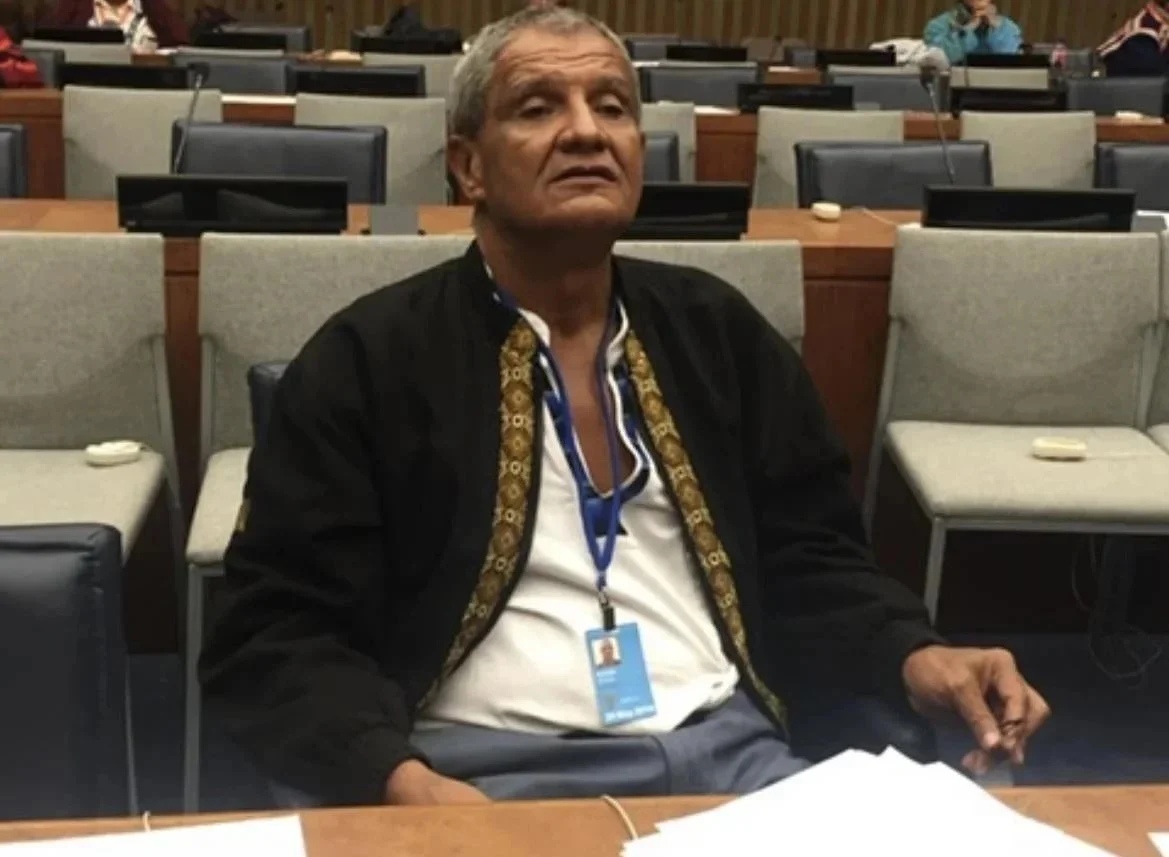
The recent death of Brooklyn Rivera, a prominent Miskitu Indigenous leader and the founder of the YATAMA political party, has ignited a firestorm of grief and outrage, not only within his community but also among international human rights organizations and governments. His daughter, Tininiska Rivera, has voiced profound sorrow over her father’s demise while imprisoned, compounded by anger at the alleged mistreatment and the hasty, family-excluded burial of his remains. The circumstances surrounding his final days and the government’s handling of his death have drawn sharp condemnation, raising serious questions about the Nicaraguan government’s respect for human rights and Indigenous rights.
A Life Dedicated to Miskitu Autonomy and Struggle
Brooklyn Rivera, a figurehead for the Miskitu people of Nicaragua’s Caribbean Coast, dedicated his life to advocating for their autonomy, land rights, and cultural preservation. His journey was marked by a complex relationship with the Sandinista government, oscillating between periods of cooperation and intense conflict. Born into a community that has historically faced marginalization, Rivera emerged as a vocal champion for his people, navigating the turbulent political landscape of Nicaragua for decades.
His early activism was deeply intertwined with the Miskitu struggle for self-determination. During the 1980s, amidst the civil war, Rivera led Miskitu guerrillas in resistance against Sandinista government forces. This conflict, fueled by historical grievances and political upheaval, eventually saw a resolution through the Central American Peace Accords of August 7, 1987. Following this, Rivera co-founded YATAMA (Yapti Tasba Masraka Nanih Asla Takanka, meaning "Children of the Mother Earth" in Miskitu) with Steadman Fagoth in 1988. YATAMA emerged as a significant political force, aiming to represent the interests of the Miskitu population, estimated at around 150,000 people, concentrated in regions like Bilwi (Puerto Cabezas), the Rio Coco (Wangki) basin, and other coastal and riverine communities. Rivera himself served in the Violeta Chamorro administration as minister of autonomous development, signifying a period of engagement with the national government.
However, with the Sandinista National Liberation Front (FSLN) and Daniel Ortega’s return to power in 2007, the political climate shifted. Rivera continued to serve as a YATAMA representative in the National Assembly. His tenure was marked by ongoing advocacy for his people, particularly against the encroachment of settlers, known as "colonos," from the Pacific Coast. These settlers have systematically occupied Miskitu lands for agricultural and lumbering purposes, leading to escalating conflicts and displacement. Furthermore, Rivera voiced concerns over foreign interests, particularly from China, exploiting the region’s mining potential, often without adequate consultation or benefit to the Indigenous communities.
Escalating Repression and Unanswered Questions
The turning point, according to Tininiska Rivera and human rights observers, came in April 2023. It was then that Brooklyn Rivera addressed the United Nations, delivering a powerful condemnation of the Nicaraguan government’s failure to protect the Miskitu people from land dispossession and resource exploitation. His international appeal marked a significant escalation of his activism and, as events unfolded, appeared to provoke a severe reaction from the Ortega-Murillo regime.
Upon his return to Nicaragua in September 2023, Rivera was promptly arrested and imprisoned by the government. The crackdown intensified in October 2023 when the Supreme Electoral Council, a body controlled by the ruling party, revoked YATAMA’s official standing and banned the political party. This action effectively disenfranchised the Miskitu population, stripping their primary political voice. Many YATAMA members were forced into hiding or exile, further isolating the community and its leadership. During this period, Rivera’s family reportedly made fruitless attempts to ascertain his well-being and obtain proof of life, adding to their anguish.
A Father’s Last Moments and a Community’s Grief
The official announcement of Brooklyn Rivera’s death came on May 31, 2024. The government attributed his demise to "medical complications following a COVID-19 infection," even referring to him as "our brother." This characterization has been vehemently rejected by Tininiska Rivera, who stated, "That’s the dirtiest thing a government official could have said, to call him ‘brother.’ Only his people, the people whom he fought and struggled for all his life, have the right to call him ‘brother.’" She further contested the government’s claim that "family" was by his side, asserting, "That’s what they say, but that’s not true."
Images released by the government in the days leading up to the announcement depicted a severely emaciated Rivera, clearly attached to life support and in a state of advanced illness. This stark imagery followed an international outcry from governments and human rights groups demanding information about his health. Tininiska Rivera insists her father was in good health when he was apprehended, stating, "He was perfectly healthy when they kidnapped him."
The most painful aspect for the Rivera family, according to Tininiska, is the government’s alleged denial of their right to claim his body and accord him a traditional burial. It was Brooklyn Rivera’s express wish to be laid to rest in Sandy Bay, on the Caribbean Coast, next to his mother, Pulcida, with a traditional Miskitu ceremony. Instead, his remains were reportedly taken from the hospital by government authorities and interred in an "express" burial with minimal fanfare and without the participation of his immediate family.
Furthermore, when a delegation of Rivera’s relatives, including an aunt, a cousin, his wife, a female cousin, a niece, and a family friend, attempted to recover his remains after his passing on May 30, they were detained by the Sandinista government. Tininiska Rivera expressed her fear that the government intends to fabricate charges against them, a tactic allegedly used against political opponents and dissidents.
International Condemnation and Calls for Accountability
The death of Brooklyn Rivera in state custody has elicited strong reactions from a wide array of international actors. The United States, the European Union, and the United Nations have all issued statements expressing deep concern and condemning the circumstances surrounding his death. Press reports indicate that these entities are calling for an independent investigation into his disappearance, detention, and eventual demise. Human rights organizations have echoed these sentiments, highlighting a pattern of repression and human rights abuses by the Ortega-Murillo regime against Indigenous communities and political opponents.
The revocation of YATAMA’s legal status is seen as a deliberate attempt to silence dissent and dismantle Indigenous political representation in Nicaragua. This action has significant implications for the Miskitu population, leaving them without a formal channel to voice their grievances and protect their rights within the national political system. The current government’s strategy appears to involve the systematic dismantling of opposition and Indigenous autonomy, a trend that has been observed with increasing alarm by international observers.
Broader Implications for Indigenous Rights and Democracy in Nicaragua
The death of Brooklyn Rivera and the surrounding events underscore a grave deterioration of human rights and democratic freedoms in Nicaragua. The government’s actions against Rivera and YATAMA exemplify a broader pattern of authoritarianism, characterized by the suppression of dissent, the erosion of civil liberties, and the targeting of Indigenous communities and their leaders.
The systematic dispossession of Miskitu lands by settlers and foreign interests, coupled with the government’s apparent complicity or inaction, represents a critical threat to the cultural survival and economic well-being of the Miskitu people. Rivera’s advocacy at the UN highlighted these critical issues, and his subsequent death raises fears that such grievances will go unaddressed, further marginalizing the Indigenous population.
The international community’s calls for an independent investigation are crucial. Such an investigation could shed light on the precise circumstances of Rivera’s detention, the alleged mistreatment he endured, and the government’s role in his death. The outcomes of such inquiries could have significant implications for accountability and potentially influence future international relations with Nicaragua.
The Path Forward: A Daughter’s Resolve
Despite the profound grief and the daunting challenges, Tininiska Rivera has vowed to continue her father’s fight for justice. She plans to press her case in international forums, seeking judgments from both Nicaraguan and international courts. Her resolve signifies the enduring spirit of the Miskitu people and their determination to uphold their rights and honor the legacy of their leaders.
"I’m going to go ahead and continue to try to get justice for him," she stated, reflecting a commitment to ensuring that her father’s struggle for his people does not end in vain. She also plans to hold a religious service for her father in her country of exile, a testament to the dispersion and challenges faced by those who oppose the current Nicaraguan regime.
The story of Brooklyn Rivera is a stark reminder of the ongoing struggles faced by Indigenous peoples worldwide in their pursuit of self-determination, land rights, and cultural preservation. His death in captivity, surrounded by controversy and accusations of state-sponsored repression, serves as a critical case study of the erosion of human rights and the silencing of dissent in contemporary Nicaragua. The international community’s continued attention and advocacy will be vital in seeking accountability and supporting the Miskitu people in their quest for justice.