In the heart of West Africa’s cocoa-growing regions, a transformative shift is occurring within the educational landscape of Côte d’Ivoire, driven by a strategic partnership between the international non-profit World Education, a JSI initiative, and global confectionery giant Mondelez International. Since 2012, this collaboration has sought to dismantle the systemic barriers that prevent children in rural, cocoa-dependent communities from accessing quality education. By empowering local management committees and integrating economic self-sufficiency into the school system, the CocoaLife Quality Education Project is setting a new standard for sustainable development in one of the world’s most critical agricultural sectors.
The Educational Crisis in the Cocoa Belt
Côte d’Ivoire produces approximately 40% of the world’s cocoa, an industry that serves as the backbone of the national economy. However, the prosperity of the cocoa trade has historically stood in stark contrast to the educational outcomes in the regions where the crop is grown. Ferdinand Beblai, Country Director for JSI Côte d’Ivoire, highlights a complex web of challenges that have long hindered progress.
The most pressing issue remains the enrollment gap. Despite a 2015 national law making education compulsory for children aged 6 to 16, many school-aged children in rural areas remain outside the classroom. The primary driver of this exclusion is the economic demand for labor during the cocoa harvest. In these communities, children are often viewed as essential contributors to the family’s agricultural output. This involvement in labor leads to chronic absenteeism, where students arrive at school late in the term or miss crucial weeks of instruction, inevitably leading to a decline in academic performance.
According to 2021 statistics from UNICEF, more than 15% of primary-level children in Côte d’Ivoire repeat a grade every year. This high repetition rate often acts as a precursor to total withdrawal from the education system. When children struggle to keep pace due to labor-related absences, they eventually face expulsion or drop out entirely, perpetuating a cycle of poverty and low literacy. Furthermore, the physical infrastructure of these schools is frequently inadequate. Many rural schools are constructed from temporary materials like wood and straw, which are increasingly vulnerable to the extreme weather events exacerbated by climate change.
A Decade of Evolution: The Chronology of World Education in Côte d’Ivoire
The involvement of World Education in Côte d’Ivoire began in 2012, a pivotal year for the country as it emerged from a period of political instability and sought to rebuild its social services. The initial focus was on identifying the root causes of poor education quality and the prevalence of child labor in the Soubre and Meagui regions—the epicenters of cocoa production.
By 2013, the organization had developed a sophisticated tool to evaluate the functioning of the Comité de Gestion Établissement Scolaire (COGES), the community-based school management committees established by the Ivorian government. These committees were designed to bring together parents, teachers, and local leaders to manage school resources. However, World Education identified a significant flaw: most COGES lacked the financial means to execute their improvement plans.
From 2014 to 2020, the project transitioned from diagnostic evaluation to active capacity building. The CocoaLife Quality Education Project began training COGES members not just in administration, but in entrepreneurship. The goal was to move away from a reliance on fluctuating government subsidies or parental fees, which were often impossible for families to pay during the "lean months" between cocoa harvests.
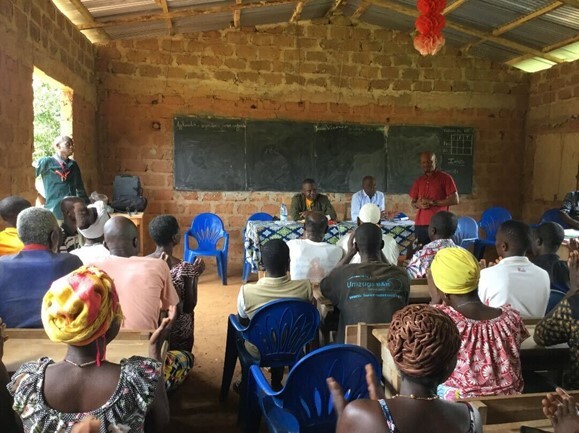
The COGES Model: Empowerment Through Economic Self-Sufficiency
To address the funding gap, World Education introduced Income-Generating Activities (IGAs) at the community level. This innovative approach transformed school committees into small-scale economic engines. In various villages, COGES members began cultivating maize, raising poultry, or managing cassava plantations. The profits from these ventures were funneled directly back into the schools.
The impact of this financial independence has been multi-faceted. When schools possess their own funds, they can provide incentives for teachers to lead remedial classes. These extra sessions are critical for students who have fallen behind due to harvest-related absences, focusing specifically on foundational skills in mathematics and French. Furthermore, the presence of these funds allows for the immediate repair of facilities and the purchase of essential supplies, ensuring that the learning environment remains functional throughout the year.
The project also leveraged the influence of other community actors. Mothers’ Associations (AME) and youth groups were integrated into the school governance structure. This holistic involvement ensures that the entire village, rather than just the teaching staff, takes ownership of the children’s academic success.
Case Study: The Transformation of N’drikro
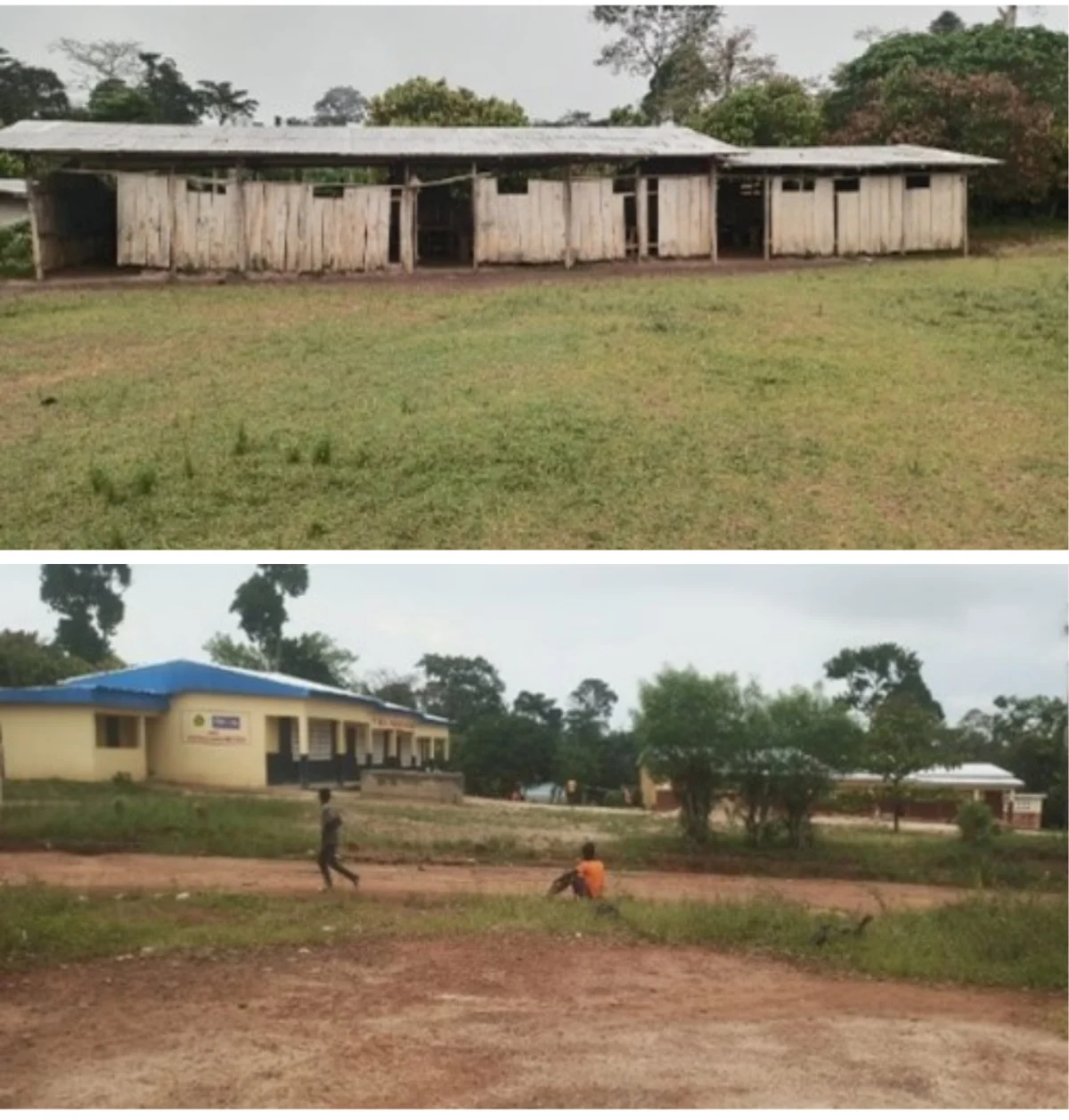
The village of N’drikro serves as a flagship success story for the project’s methodology. Prior to the intervention, the local school was a collection of precarious sheds. Students sat on the ground or on makeshift benches, and the lack of toilets and clean water created a hazardous environment. Academic performance was among the lowest in the district, as children struggled with basic literacy and numeracy.
Under the guidance of the CocoaLife project, the COGES in N’drikro mobilized the village leadership and local Village Savings and Loan Associations (VSLAs). By leveraging a community-managed cassava field, the village generated enough revenue to supplement external support and construct two modern school buildings, complete with administrative offices and sanitary facilities.
Today, N’drikro has been transformed from a struggling outpost into a model of educational excellence. The school now hosts remedial classes and holds annual excellence awards to motivate students. The physical change in the environment has led to a psychological change in the community; parents who once saw the school as a secondary concern now view it as a vital asset that must be protected and maintained.
Bridging the Data Gap: Uncovering Local Realities
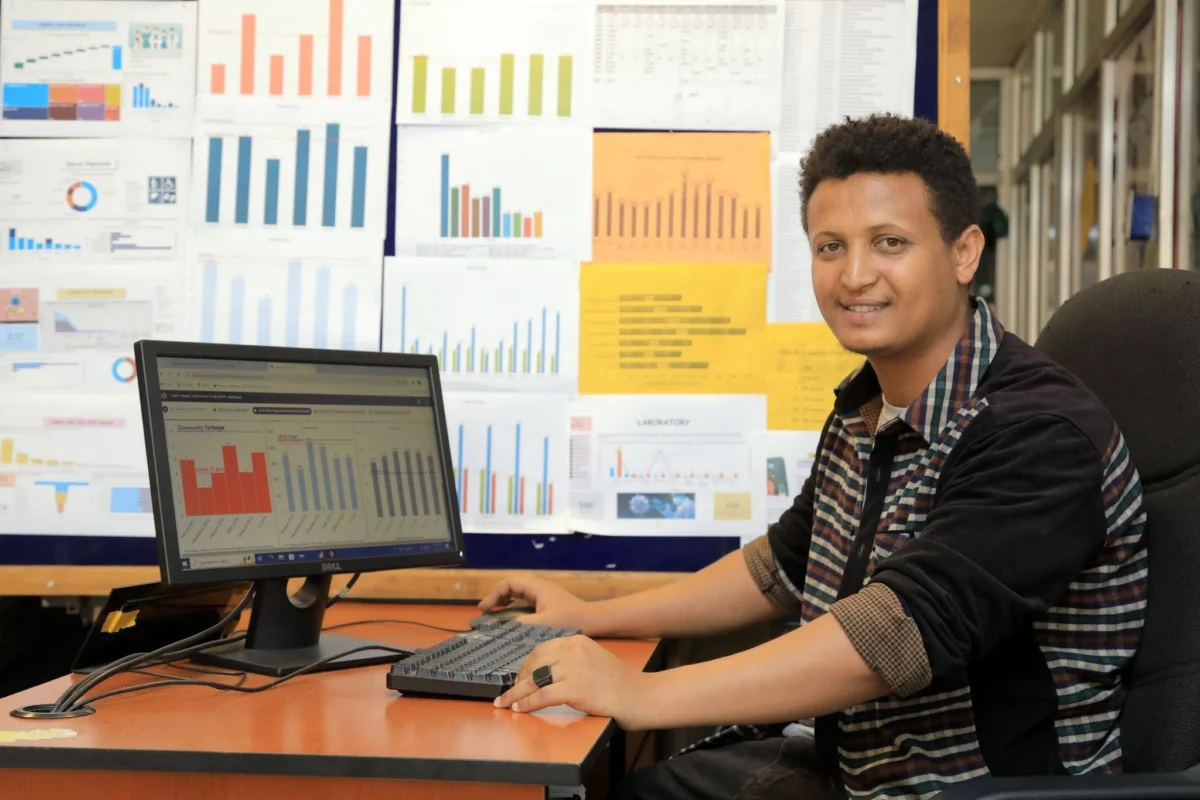
One of the more technical aspects of World Education’s work involves the collection and analysis of community-level data. Ferdinand Beblai notes that while national-level data provides a broad overview, it often obscures the specific challenges faced by individual villages. National reports are typically aggregated by large school districts, making it difficult to track the exact number of six-year-olds in a specific remote community.
By conducting granular data collection, the project was able to answer a fundamental question: "If these children aren’t in school, what exactly are they doing?" The data revealed that the two annual cocoa harvests created specific windows of financial hardship. Between these harvests, even the most dedicated parents found themselves unable to afford basic school supplies like notebooks and pens.
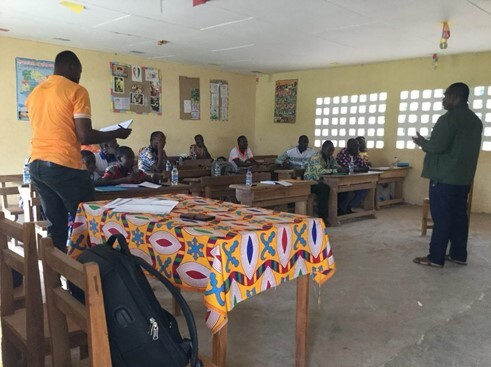
In response to this specific data point, the project implemented a targeted grant system. Vulnerable families received 80,000 CFA francs (approximately USD 140) to cover essential educational costs. This precision-based aid ensures that poverty during the agricultural off-season does not result in a permanent end to a child’s education.
Strategic Integration and the Role of the Private Sector
The success of the CocoaLife Quality Education Project highlights the evolving role of Corporate Social Responsibility (CSR) in global supply chains. Mondelez International’s funding of the project reflects a growing recognition within the chocolate industry that the long-term sustainability of cocoa production is inextricably linked to the well-being and education of the farming communities.
By investing in education, the project is also indirectly improving the future of the cocoa industry itself. Beblai points out that even for children who eventually choose to follow in their parents’ footsteps as cocoa farmers, education is essential. Literate farmers are better equipped to read and follow the instructions on pesticide and insecticide labels, ensuring safer application and better crop yields. They are also more capable of managing the complex finances of a modern farm and participating in cooperatives.
National Sustainability and the Path Forward
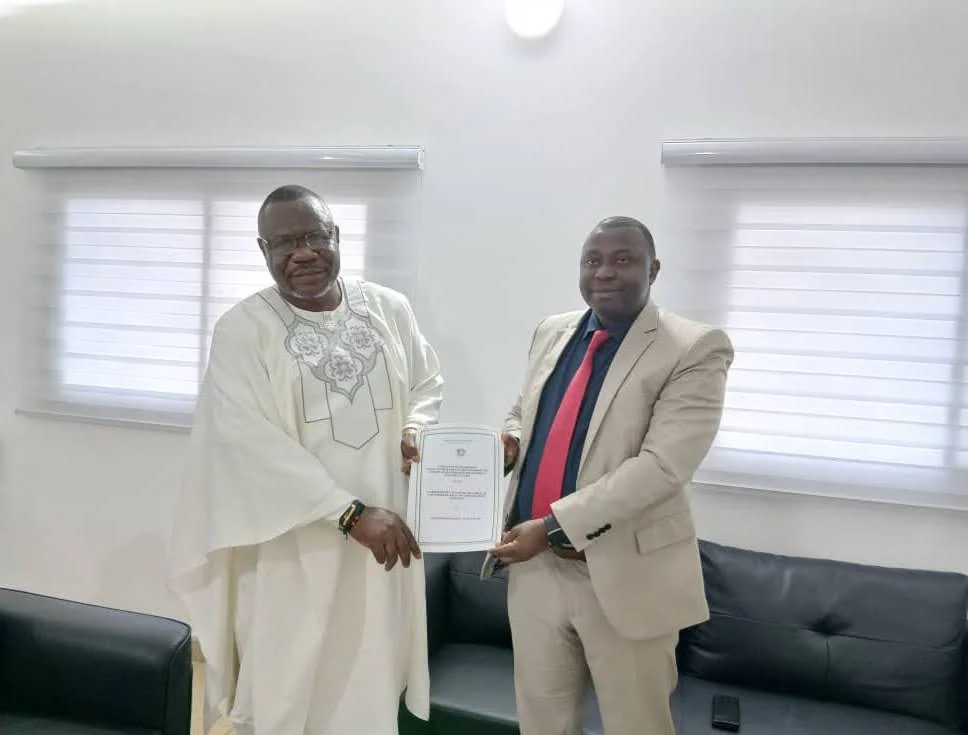
As the project enters its next phase, the focus has shifted toward institutionalization. The Ivorian government, recognizing the effectiveness of the World Education model, has requested a formal collaboration protocol. This agreement will allow for the project’s methodologies—particularly the COGES capacity-building and the income-generating activity framework—to be integrated into national education policy.
The ultimate goal is for these communities to become entirely self-sufficient. In several regions where World Education has already phased out direct funding, the local COGES continue to thrive, managing their agricultural projects and independently financing remedial education. This transition from "aid recipient" to "self-managed entity" is the hallmark of the project’s success.
The ongoing work in Côte d’Ivoire serves as a blueprint for how international organizations, private corporations, and local governments can collaborate to solve deep-seated social issues. By placing the power of change in the hands of the community, the CocoaLife Quality Education Project is ensuring that the children of the cocoa belt are no longer defined by the labor they provide, but by the education they receive. As these children transition into the modern workforce—whether in agriculture or beyond—they carry with them the skills and the community support necessary to drive Côte d’Ivoire’s future growth.