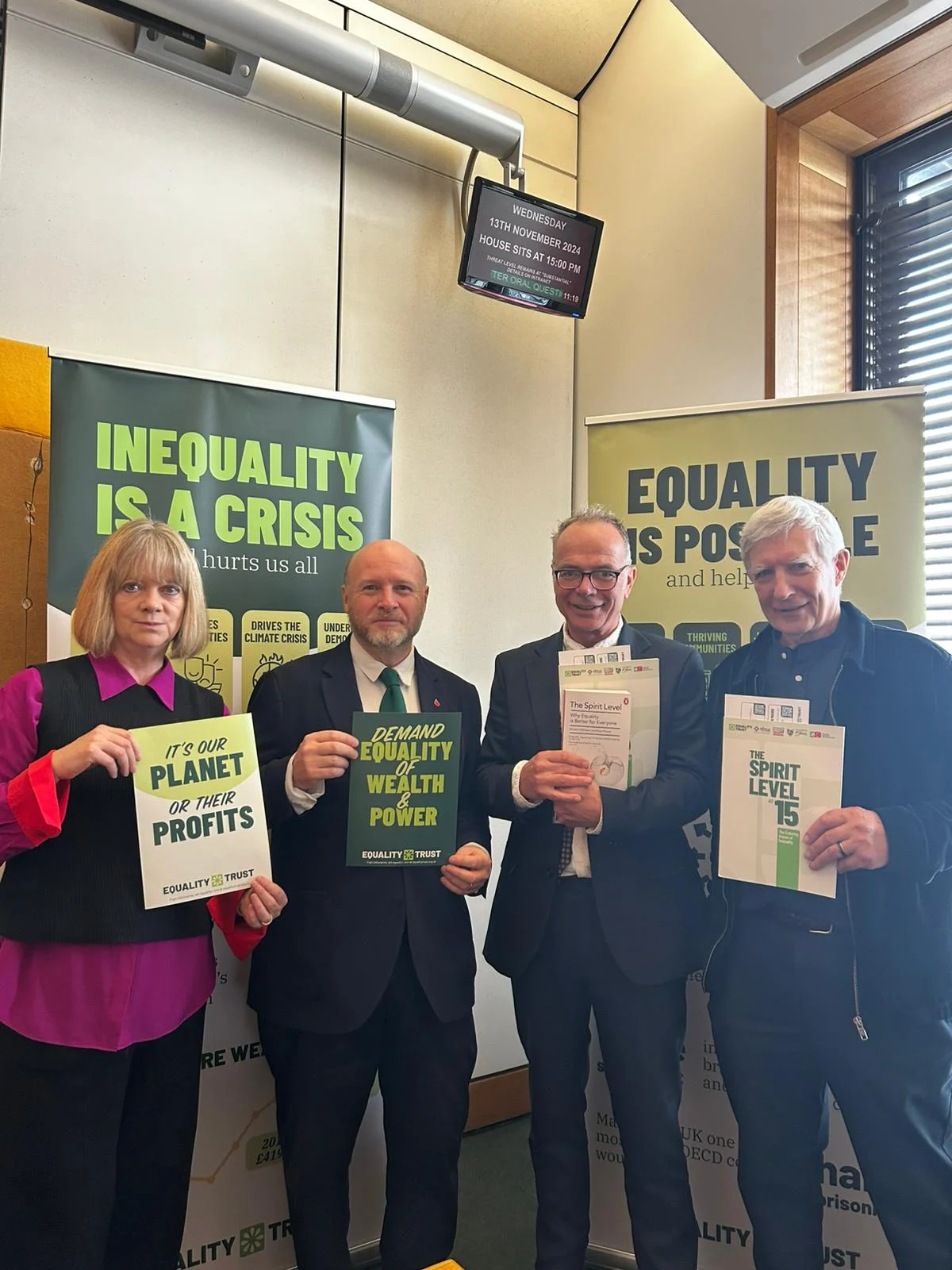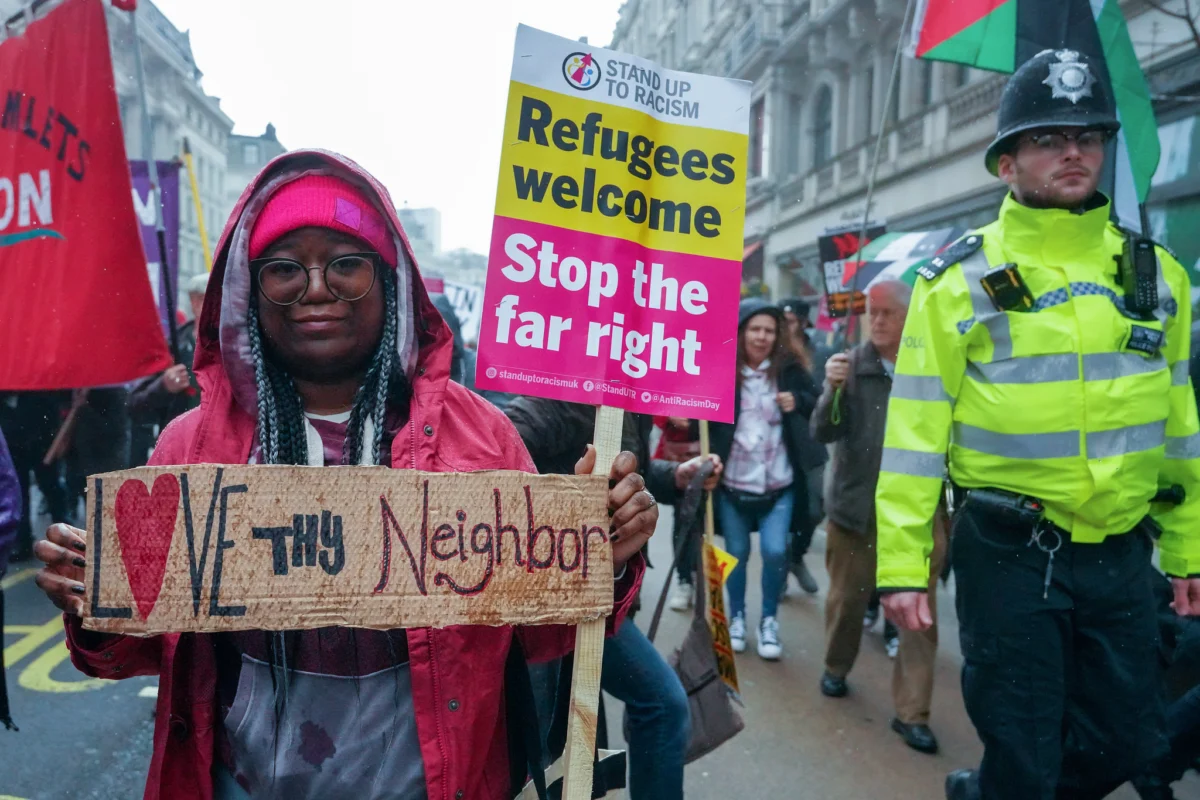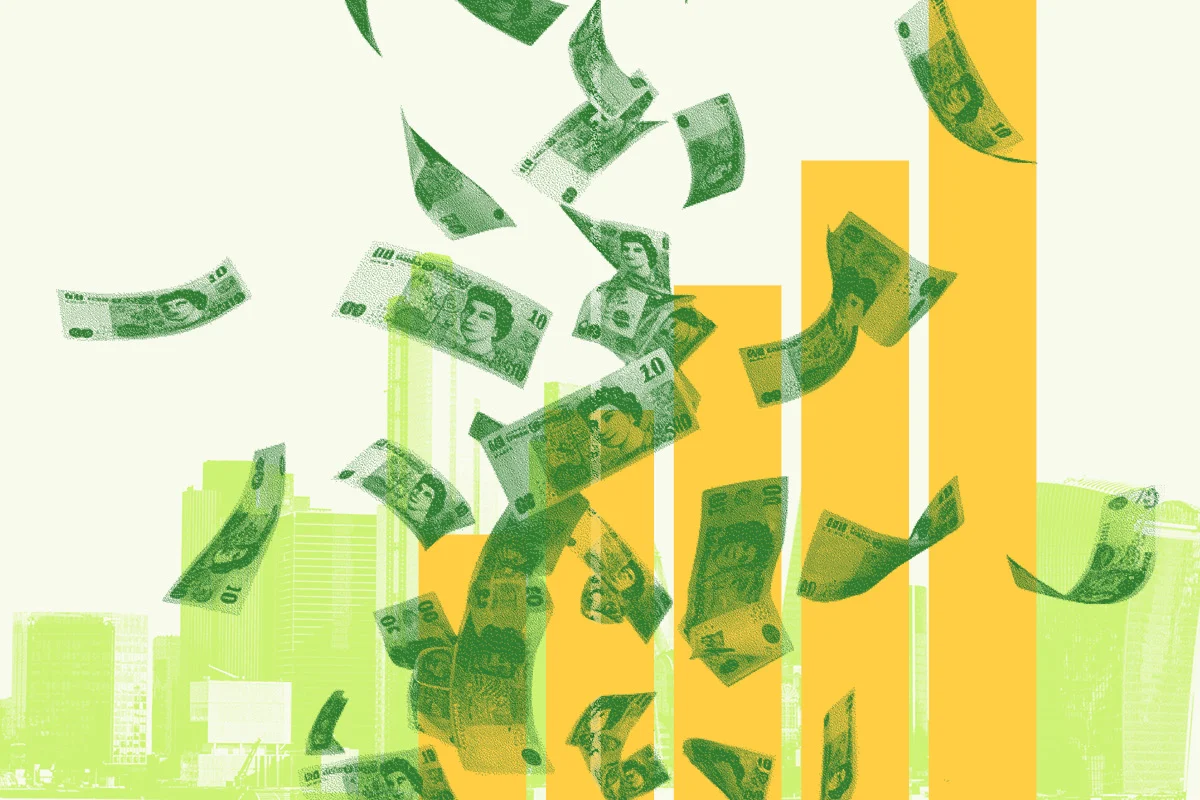
The Equality Trust has released a comprehensive analysis revealing that in 2026, Britain’s 157 billionaires now command wealth equivalent to 22 percent of the nation’s Gross Domestic Product (GDP), a dramatic escalation from just 4 percent in 1990. This finding, released in tandem with the annual publication of the Sunday Times Rich List, underscores a profound structural shift in the British economy, which researchers are increasingly defining as a "hollow economy" or "Ghost GDP." While official figures often point to GDP growth as a sign of national prosperity, the Equality Trust argues that this wealth is increasingly concentrated at the extreme top of the socio-economic ladder, leaving the majority of the population with stagnating wages and declining public services.
The concept of Ghost GDP, originally coined by Citrini Research in early 2026, describes an economic state where headline growth figures are inflated by artificial intelligence and high-level financial valuations, yet fail to translate into tangible benefits for the broader workforce. According to the Equality Trust, this phenomenon is no longer a future risk but a present reality in the United Kingdom. The disparity is stark: while 157 individuals hold nearly £670 billion, the richest 50 families in the country now possess more collective wealth than the poorest 34 million citizens combined.
The Historical Trajectory of Wealth Accumulation
To understand the current economic landscape, analysts point to a 36-year trajectory that began in the late 20th century. The Sunday Times Rich List was first published in 1989, a period following the systematic deregulation of the British economy. In 1990, the list identified only 15 billionaires who held a combined £27 billion, representing approximately 4 pence of every pound of the UK’s GDP. By 2026, that figure has ballooned to 22 pence in every pound.
This era has been characterized by what economists term "rentier capitalism." In 1990, only three billionaires on the list derived their primary wealth from property, inheritance, or finance. By 2025, that number had surged to 42. Today, the finance sector alone accounts for 30 percent of all billionaire wealth in the UK, a fourfold increase in three decades. Unlike manufacturing or service industries that create jobs and physical value, rentier capitalism relies on the ownership of existing assets—such as land, housing, and financial instruments—to extract fees and rents. The Equality Trust notes that this system effectively extracts value from the productive economy rather than contributing to its growth.
The mechanics of this accumulation are particularly visible in the housing market. As property billionaires see their portfolios appreciate, first-time buyers are increasingly priced out of the market. Furthermore, the report highlights that national crises, including the 2008 financial collapse, the COVID-19 pandemic, and recent geopolitical conflicts, have consistently served as catalysts for billionaire wealth growth, while the costs of these crises are largely absorbed by the general public through austerity measures and inflation.
Structural Capture and the Mechanics of Power
The persistence of the hollow economy is attributed to what researchers call "structural corruption." This is not defined by illegal activity, but by a legal and normalized system where extreme wealth translates directly into political and social influence. The Equality Trust’s report highlights a sixfold increase in large political donations between 2002 and 2019, suggesting that policy-making has become increasingly sensitive to the interests of the donor class.
Media concentration further reinforces this status quo. Currently, three media conglomerates own 90 percent of national newspaper circulation in the UK. This concentration of narrative power allows the accumulation of obscene wealth to be framed as a sign of national success rather than a symptom of systemic imbalance. Furthermore, the House of Lords has expanded to over 750 members, making it the second-largest legislative chamber in the world. Analysis by the Equality Trust suggests a documented correlation between significant financial donations and appointments to the upper house, creating a feedback loop where wealth secures the power to protect further wealth.
Professor Kate Pickett, a patron of the Equality Trust and member of the consultative council to the International Panel on Inequality, argues that these disparities create a "dual-track" society. "Extreme inequality doesn’t just buy political access; it creates a world where different rules apply to different people," Pickett stated. She pointed to high-profile social and political scandals as products of a system where extreme wealth insulates individuals from the standards of accountability applied to the rest of society.
The Biological and Social Toll of Inequality
The implications of the hollow economy extend beyond financial statistics, manifesting in significant public health and social welfare crises. Data from the Health Foundation released in April 2026 shows that healthy life expectancy in Britain has declined by two years over the past decade, falling to below 61 years of age. Despite being the sixth-largest economy globally, the UK ranks second to last among comparable wealthy nations for the duration of time its citizens live in good health. The United States is the only peer nation to perform worse in this metric—a country that also maintains the highest levels of income inequality among developed nations.
The "health gap" is geographically and economically stratified. Individuals living in the UK’s most affluent areas can expect approximately 20 more years of healthy life than those residing in the poorest regions. This biological toll is complemented by a crisis in child welfare. UNICEF’s Report Card 20 recently ranked Britain 24th for child wellbeing and 35th for income inequality among the world’s wealthiest nations. These rankings suggest that the current economic model is failing to provide a stable foundation for the next generation.
Environmental Plunder and Investment Emissions
The Equality Trust also links the rise of the billionaire class to the accelerating climate emergency. Research conducted by Oxfam indicates that the investment choices of the ultra-wealthy are significantly more damaging to the environment than their high-consumption lifestyles. The world’s richest billionaires produce more carbon through their private jets, superyachts, and investments in under three hours than the average British citizen does in an entire lifetime.
Crucially, nearly 40 percent of billionaire investments are concentrated in high-polluting industries such as oil, gas, shipping, and cement. This "climate plunder" means that while the bottom 90 percent of the UK population has successfully reduced their carbon footprint by 26 percent since 1990, the emissions associated with the top 0.1 percent have risen by 53 percent. The report concludes that the hollow economy’s primary output is an irreversible environmental debt that the public will ultimately be forced to settle.
International Shifts and the Move "Beyond GDP"
The growing dissatisfaction with traditional economic metrics has reached the highest levels of international policy. In May 2026, the United Nations High-Level Expert Group on Beyond GDP launched its final report, proposing the replacement of GDP with 31 indicators that measure wellbeing, equity, and environmental sustainability. This move signals a global recognition that GDP is an insufficient, and often misleading, measure of a nation’s health.
Simultaneously, Olivier De Schutter, the outgoing UN Special Rapporteur on Extreme Poverty, published a "Roadmap for Eradicating Poverty Beyond Growth." De Schutter argues that the pursuit of GDP growth has become a barrier to poverty eradication, as it prioritizes the accumulation of capital over the distribution of resources.
In the UK, calls for systemic reform are growing. Proposed solutions include:
- Progressive Wealth Taxes: Implementing structural limits on the concentration of power through a dedicated tax on assets above a certain threshold.
- Democratic Reform: Capping political donations and breaking up media monopolies to reduce the influence of the billionaire class on public policy.
- Universal Basic Services: Moving beyond "sticking plaster" welfare toward a system that guarantees essential services for all citizens, regardless of income.
Conclusion: A System Functioning as Designed
The Equality Trust’s analysis suggests that the UK’s current economic state is not the result of a "broken" system, but rather a system functioning exactly as it was designed. The 22 percent of GDP held by 157 individuals represents a deliberate redirection of national wealth that has occurred over nearly four decades.
As the 2026 local elections recently demonstrated, economic hollowing often leads to political hollowing, as voters lose faith in traditional institutions. Analysts warn that if the "Ghost GDP" trend continues, the social contract may reach a point of total breakdown. The report concludes that the time for marginal reform has passed; what is required is a fundamental reimagining of what the British economy is for and who it is intended to serve. The Sunday Times Rich List may record the winners of the current game, but the Equality Trust’s findings illustrate the mounting losses for the rest of the nation.