Montgomery, Alabama, stands poised to host a profound Juneteenth commemoration, inviting visitors to engage with a pivotal period of American history at its acclaimed Legacy Sites. On Friday, June 19, the four foundational sites – the Legacy Museum, the National Memorial for Peace and Justice, the Freedom Monument Sculpture Park, and the newest addition, Montgomery Square – will extend their operating hours from 8:30 am to 6:30 pm, offering free admission to all without the need for prior tickets. This open invitation underscores the Equal Justice Initiative’s (EJI) commitment to fostering a deeper understanding of the nation’s past, honoring the resilience of millions, and inspiring continued advocacy for justice.
Juneteenth: A National Day of Remembrance and Celebration
Juneteenth, observed annually on June 19, marks the day in 1865 when Union General Gordon Granger arrived in Galveston, Texas, and issued General Order No. 3, officially declaring that all enslaved people in Texas were free. This proclamation came more than two and a half years after President Abraham Lincoln’s Emancipation Proclamation, which had been issued on January 1, 1863. The delay in Texas was due to a combination of factors, including the limited number of Union troops to enforce the order, the vast geographical distances, and the deliberate withholding of information by some slaveholders. For the estimated 250,000 enslaved people in Texas, General Granger’s announcement was the true dawn of freedom.
Over the decades, Juneteenth evolved from a local Texas celebration into a broader commemoration across the United States, particularly within Black communities. It served as a vital cultural touchstone, a day of remembrance, education, and celebration of African American heritage and perseverance. While recognized by many states for years, Juneteenth gained federal holiday status on June 17, 2021, when President Joe Biden signed the Juneteenth National Independence Day Act into law. This landmark legislation solidified Juneteenth’s place as a national day for all Americans to reflect on the historical significance of emancipation, the enduring legacy of slavery, and the ongoing struggle for racial equity. The observance at the Legacy Sites serves as a powerful testament to this national commitment to historical reckoning.
Montgomery: A Crucible of American History
Montgomery, Alabama, holds a uniquely potent position in American history, embodying both the profound injustices of slavery and racial oppression and the extraordinary courage of the Civil Rights Movement. In the antebellum period, Montgomery flourished as a central hub of the domestic slave trade, earning the grim moniker "The Slave Pen of the South." Its strategic location on the Alabama River, a major transportation route for cotton, cemented its role in the brutal economics of human bondage. Thousands of enslaved individuals were forcibly brought to Montgomery, bought and sold in its public squares, and trafficked across the Deep South. This dark chapter laid the groundwork for a century of racial terrorism, codified segregation under Jim Crow laws, and systemic discrimination.
However, Montgomery also became the birthplace of the modern Civil Rights Movement. From the seminal Montgomery Bus Boycott, sparked by Rosa Parks’ courageous stand in 1955, to the Selma to Montgomery voting rights marches in 1965, the city witnessed pivotal moments of nonviolent resistance that reshaped the nation. The collective bravery of Black residents, under the leadership of figures like Dr. Martin Luther King Jr., exposed the hypocrisy of American democracy and catalyzed federal legislation that dismantled legal segregation. This dual identity—a site of immense suffering and extraordinary triumph—makes Montgomery an indispensable location for confronting America’s racial history.
The Equal Justice Initiative and the Legacy Sites: A Journey Through 400 Years
The Equal Justice Initiative (EJI), founded by renowned civil rights attorney Bryan Stevenson, is at the forefront of confronting America’s legacy of racial injustice. EJI is dedicated to ending mass incarceration and excessive punishment in the United States, challenging racial and economic injustice, and protecting basic human rights for the most vulnerable. Recognizing that true justice requires a clear-eyed understanding of history, EJI embarked on a monumental project to establish a series of interconnected sites in Montgomery that guide visitors through 400 years of American history, from the transatlantic slave trade to contemporary issues of racial inequality.
The EJI Legacy Sites collectively offer an unparalleled educational and emotional experience. They were conceived to ensure that the stories of the 10 million Black people who endured enslavement, racial terrorism, and codified segregation are not forgotten, and that their courage and resilience are perpetually celebrated. The sites challenge visitors to grapple with uncomfortable truths, fostering empathy and inspiring action. This Juneteenth, the free access to these sites underscores EJI’s mission to make this crucial history accessible to all.
The Legacy Museum: From Enslavement to Mass Incarceration
Opened in 2018, the Legacy Museum: From Enslavement to Mass Incarceration is an immersive, multi-media experience housed on the site of a former slave warehouse, just blocks from one of the most prominent slave auction spaces in America. The museum utilizes cutting-edge technology, interactive exhibits, and profound narratives to draw a direct line from the transatlantic slave trade and the domestic slave trade to the racial terrorism of lynching, the dehumanizing era of Jim Crow, and the contemporary crisis of mass incarceration.
Visitors encounter holographic projections of enslaved individuals sharing their stories, witness the chilling realities of racial terror through harrowing visual displays, and explore the evolution of racial injustice through powerful data visualizations and firsthand accounts from incarcerated individuals. The museum meticulously documents the over 4,400 racial terror lynchings that occurred in America between 1877 and 1950, revealing how this systemic violence enforced racial hierarchy. It contextualizes the current challenges of racial bias in the criminal justice system, demonstrating how historical patterns of oppression continue to manifest in new forms. The Legacy Museum serves as a vital educational tool, challenging prevailing narratives and fostering a deeper understanding of systemic injustice.
The National Memorial for Peace and Justice: Confronting Racial Terror
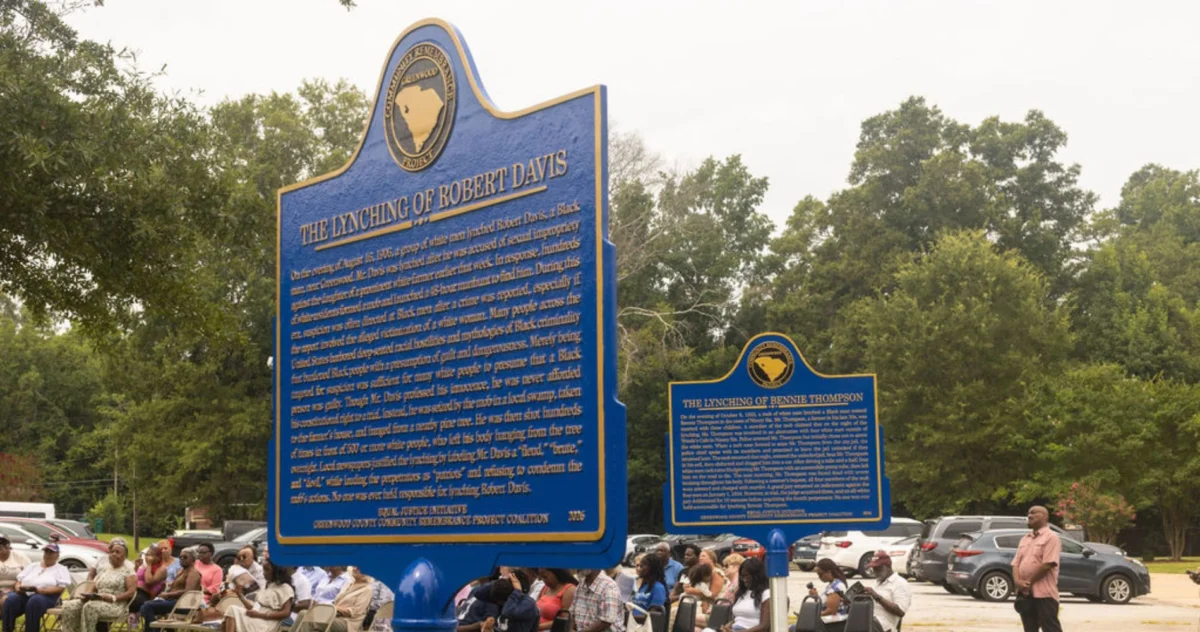
Also unveiled in 2018, the National Memorial for Peace and Justice stands as a solemn monument to the victims of racial terror lynchings in America. Situated on a six-acre site overlooking the city, the memorial is a profoundly moving experience. Its central feature is a collection of 800 corten steel monuments, each six feet tall, representing the counties across the United States where lynchings occurred. These monuments hang from the ceiling, evoking the image of bodies suspended, creating a visceral and haunting experience. As visitors walk through the memorial, the ground slopes gently downwards, and the columns gradually rise above them, symbolizing the ascendancy of racial terror and the overwhelming scale of the violence.
Below the hanging monuments, identical columns lie on the ground, awaiting their installation in the counties they represent, encouraging local communities to confront their own histories of racial violence. The memorial also features powerful sculptures, including a depiction of enslaved women in chains, and a memorial square where visitors can reflect on the names of lynching victims inscribed on stone markers. The EJI’s meticulous research documented over 4,400 racial terror lynchings of African Americans in the U.S. between 1877 and 1950. The National Memorial for Peace and Justice has garnered international acclaim for its innovative design and its unflinching confrontation of a suppressed chapter of American history, serving as a powerful catalyst for national dialogue on racial healing and reconciliation.
Freedom Monument Sculpture Park: Exploring the Institution of Slavery
The Freedom Monument Sculpture Park, a sprawling 17-acre site nestled along the banks of the Alabama River, offers a poignant and expansive exploration of the institution of slavery, the lives of enslaved people, and its enduring legacy. Opened more recently, the park is designed to immerse visitors in the physical and emotional landscapes of slavery. It features original 19th-century slave pens, remnants of cotton gins, and historical markers that detail the forced migration of millions of Black people across the South.
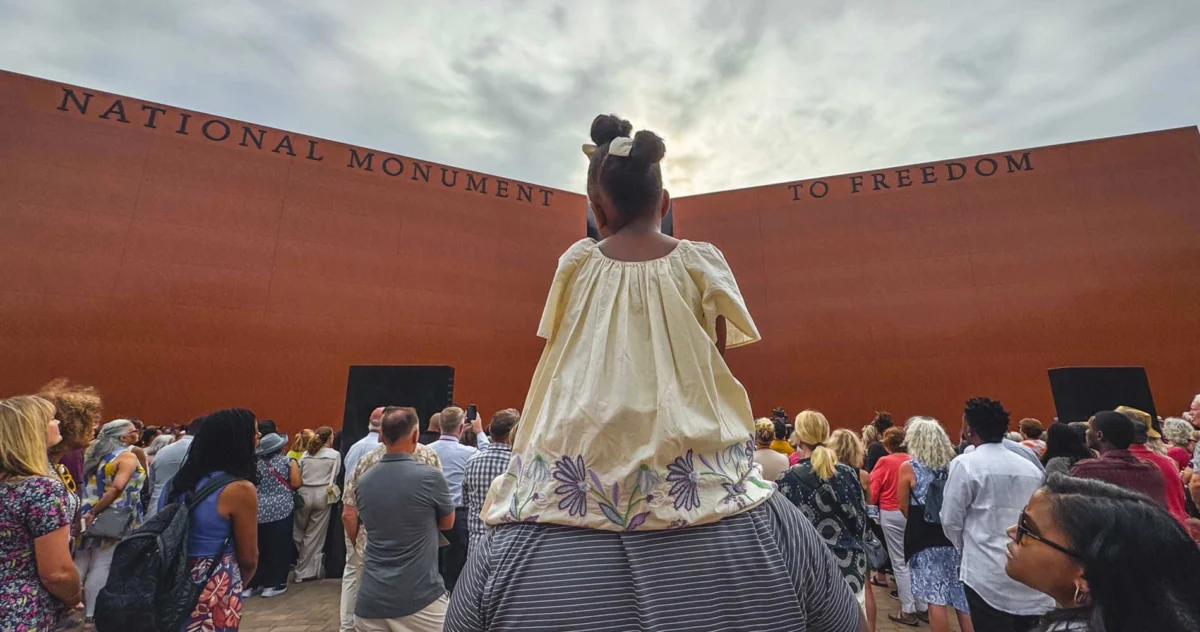
At the heart of the park is the soaring National Monument to Freedom, which was dedicated on Juneteenth, signifying its deep connection to the story of emancipation. This monumental structure is inscribed with 122,000 unique surnames, representing millions of Black families. These names, often truncated or altered through the horrors of slavery, were the only inheritance many enslaved people could pass down. For tens of millions of descendants who carry these names today, the monument forges a powerful, tangible connection to the courage, strength, and resilience of their formerly enslaved ancestors who carried these names across generations and into the 21st century. The park has been widely hailed as an "essential American experience," particularly relevant as the nation approaches its 250th birthday, offering a crucial lens through which to understand the foundational role of slavery in shaping the country.
Montgomery Square: The Birthplace of a Movement
The newest addition to the EJI Legacy Sites is Montgomery Square, a powerful tribute to the decade of activism that transformed America. This site is dedicated to the period from 1955 to 1965, a decade characterized by extraordinary courage and determination from Black residents in Montgomery who stood up against racial injustice and sparked a movement that ultimately transformed the country and the world. The Square specifically honors the spirit, the lives, the courage, and the tenacity of those who worked together to challenge segregation and secure fundamental civil rights.
Montgomery Square commemorates the unprecedented and victorious resistance of the Montgomery Bus Boycott, a 381-day protest that began after Rosa Parks’ arrest and demonstrated the power of collective nonviolent action. It culminates with the signing of the Voting Rights Act of 1965, a landmark piece of legislation that outlawed discriminatory voting practices. The site serves as a vital reminder that racial injustice and threats to voting rights are not new phenomena, but historical challenges that can be overcome through sustained activism and solidarity. It connects the historical fight for civil rights to contemporary struggles for justice, reinforcing the message that the journey towards equality is ongoing.
The Juneteenth Experience at the Legacy Sites
On Juneteenth, visitors to the Legacy Sites will embark on an unparalleled journey of historical reckoning and profound reflection. The free admission removes financial barriers, making this critical educational experience accessible to a broader audience. The extended hours allow for a more comprehensive exploration of each site, ensuring ample time for contemplation and engagement with the exhibits.
Visitors can expect an immersive and emotionally charged experience, moving from the detailed historical narratives of the Legacy Museum to the solemn contemplation of the National Memorial, then to the expansive and reflective landscape of the Freedom Monument Sculpture Park, and finally to the inspiring testament of activism at Montgomery Square. EJI has, in past years, incorporated elements of celebration and cultural expression into its Juneteenth observances, such as the musical performances held in Montgomery in 2025 (as referenced in EJI’s communications), indicating a tradition of blending solemn reflection with expressions of freedom and resilience. This approach allows for a holistic experience that acknowledges both the pain of the past and the triumph of the human spirit.
Broader Implications and the Path Forward
The EJI Legacy Sites, particularly through their Juneteenth observances, play a crucial role in shaping public understanding of American history and fostering dialogue about contemporary racial justice issues. By providing tangible, evidence-based accounts of slavery and racial terror, the sites counter historical revisionism and contribute to a more accurate and comprehensive national narrative. Their educational impact extends to countless students, educators, and general visitors, inspiring critical thinking and empathy.
The work of EJI and the existence of these sites have significant implications for social justice advocacy. They serve as a powerful reminder that historical injustices have direct lineages to present-day inequalities, from disparities in the criminal justice system to ongoing challenges to voting rights. Bryan Stevenson and EJI consistently articulate that confronting difficult history is a prerequisite for true reconciliation and progress. The sites are not merely museums; they are instruments for social change, encouraging visitors to become agents of justice in their own communities.
Furthermore, the Legacy Sites have contributed to Montgomery’s burgeoning cultural tourism, drawing visitors from across the globe. This economic and cultural impact underscores the value of investing in historical memory and confronting difficult truths. As the nation continues to grapple with its complex racial history, the EJI Legacy Sites offer a model for how communities can engage with their past to build a more just and equitable future.
This Juneteenth, the invitation to visit the Legacy Sites in Montgomery is more than an opportunity to explore historical exhibits; it is a call to reckon with the history of slavery, to honor the lives of generations of people who endured and persevered, who hoped and loved in the face of tremendous hardship and suffering. It is an invitation to experience the power of confronting injustice in this sacred place and to share in the strong conviction that, as a nation, "we’ve come too far to turn around now." The enduring legacy of Juneteenth, amplified by the work of EJI, reminds all Americans that the pursuit of freedom and justice is an ongoing journey that requires collective engagement and unwavering commitment.