The European Union’s landmark Pact on Migration and Asylum, a legislative package years in the making and born from a decade of recurring refugee crises at the bloc’s external borders, is set to take effect on June 12, 2026. This comprehensive set of measures aims to overhaul the EU’s common asylum system and establish a new framework for managing migration flows. The Pact’s stated objectives include limiting irregular entries, expediting asylum procedures, facilitating returns, and fostering a more equitable distribution of responsibilities among member states. At its core, it reflects a heightened political emphasis on deterring the arrival of displaced individuals seeking protection within the EU.
However, the assertion that many arrivals are not in genuine need of protection is increasingly challenged by verifiable statistics. Official data consistently indicates that the vast majority of asylum seekers are fleeing environments rife with persecution, violence, and instability. Globally, the number of forcibly displaced persons has reached unprecedented levels, with the UNHCR reporting over 117 million individuals displaced as of mid-2024. Crucially, the overwhelming majority of these individuals remain within their own countries or in lower-income neighboring regions, rather than undertaking arduous journeys to Europe. The limited availability of safe and legal routes to seek asylum significantly constrains options for those fleeing danger. Consequently, many are compelled to reach EU borders directly to formally request protection, a right firmly established under international law, including the 1951 Refugee Convention.
While a rights-based implementation of the Pact could theoretically lead to more predictable asylum procedures, standardized common standards across member states, and a more equitable distribution of asylum seekers, significant concerns remain. Critics warn that the Pact could inadvertently pave the way for the expanded use of detention and a more frequent resort to emergency measures, potentially undermining fundamental human rights protections.
Key Provisions of the EU Pact on Migration and Asylum
The newly enacted legislation introduces several significant changes to how individuals arriving at the EU’s external borders are processed. Upon arrival, individuals will undergo a screening process to assess security risks and identify vulnerability. Furthermore, a streamlined, fast-track asylum procedure will be applied to certain categories of asylum seekers, aiming for quicker decision-making. A pivotal aspect of the Pact empowers member states to deviate from existing EU legal standards in situations designated as "crisis situations," a provision that has drawn considerable scrutiny.
To address the long-standing issue of uneven responsibility, the Pact establishes a novel "solidarity mechanism." This mechanism is designed to encourage a more balanced sharing of the burden of hosting asylum seekers among EU member states. The Pact also updates existing standards concerning the living conditions for asylum seekers, expands the scope for data utilization related to asylum claims, and formalizes common standards for refugee resettlement procedures, aiming to create more predictable pathways for recognized refugees.
Anticipated Consequences and Critical Analyses
The implementation of the EU Pact on Migration and Asylum is expected to trigger a cascade of consequences, with several areas raising particular concern among human rights organizations and legal experts.
1. Diminished Safeguards in Expedited Asylum Procedures
A significant shift under the Pact involves the increased application of fast-tracked asylum and return procedures. These accelerated processes, often conducted at border facilities, are anticipated to offer fewer procedural safeguards for individuals. This could translate into limited time for asylum seekers to prepare for crucial interviews, reduced access to essential legal support, and less thorough assessments of their protection needs. Appeals against adverse decisions may also become more challenging.
A particularly contentious aspect involves the treatment of individuals who have transited through countries deemed "safe" by the EU, such as Tunisia, Egypt, or Turkey, before reaching European shores. Under the Pact, their asylum claims could be dismissed without a comprehensive assessment of the specific persecution they face. This raises the specter of individuals being returned to transit countries where they may encounter further human rights abuses or be deported to their home countries, where they could face grave harm.
2. A Potential Surge in Detention Across Europe
The Pact mandates large-scale screening and processing of asylum seekers at border facilities. Following this initial screening, many individuals may be placed in closed detention facilities at the borders for up to 12 weeks while their asylum claims are adjudicated. During this period, a legal fiction is created where asylum seekers are considered to be "legally not on EU soil," despite their physical presence, thereby potentially curtailing their access to fundamental rights and services.
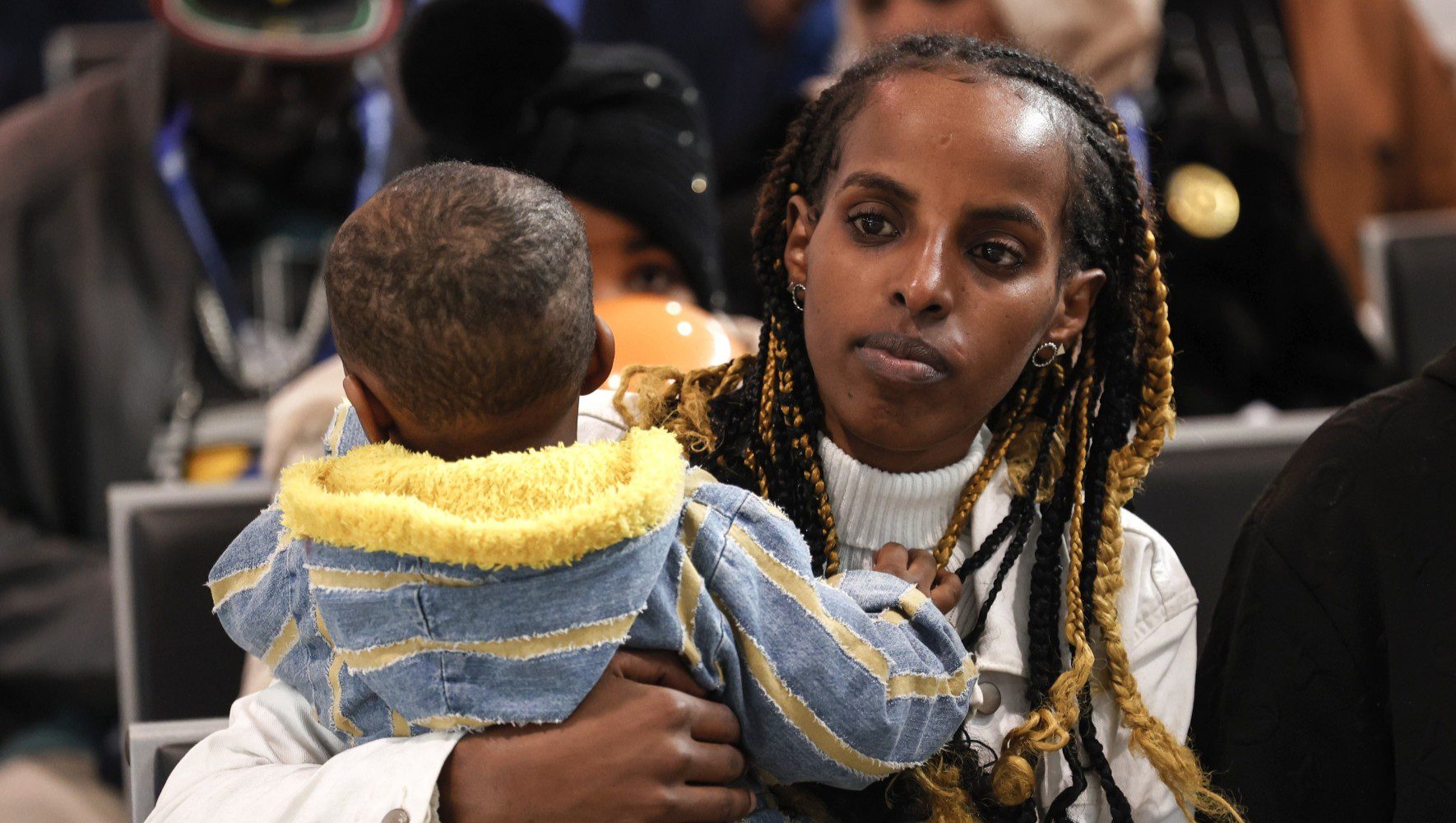
Further detention, extending for an additional 12 weeks, may be imposed if an asylum claim is rejected. In practice, the duration of detention is likely to be significantly longer, particularly in instances where countries of origin are uncooperative in the forced return of their nationals. This expansion of detention raises profound human rights concerns, potentially leading to prolonged periods of confinement for vulnerable individuals.
3. Persistent Pressure on Border States
Historically, the EU member state where an asylum seeker first arrives has borne the primary responsibility for hosting and processing their claim. This system has disproportionately burdened frontline states, sometimes incentivizing practices such as illegal pushbacks and the neglect of distressed vessels. In countries like Greece, organizations like HIAS have witnessed firsthand how the immense pressure on border states has been used to justify the denial of access to asylum and the detention of displaced individuals under inhumane conditions.
The new screening and detention measures at the borders could exacerbate this pressure. While the Pact introduces a "solidarity mechanism" to mitigate this imbalance, its effectiveness is questionable. Member states not facing direct migratory pressure can opt to provide financial contributions—either to border states or to countries outside the EU—or to relocate asylum applicants. However, given the political sensitivities surrounding relocation, it is unlikely that this mechanism will lead to a genuinely equitable distribution of asylum seekers across the EU. Furthermore, "solidarity funds" could be diverted towards building more prison-like reception centers at borders or financing external migration control initiatives, rather than genuinely improving living conditions or facilitating integration.
4. Emergency Measures Eroding Protections
In scenarios characterized by high arrival numbers, member states will gain the authority to delay the registration of asylum seekers, channel them through expedited procedures with diminished safeguards, and extend detention periods. Emergency measures can also be triggered under the guise of "instrumentalization," a broadly defined concept referring to situations where individuals seeking protection might be manipulated by "hostile actors." This vague definition renders the concept susceptible to political interpretation, potentially undermining the fundamental right to seek asylum.
A Glimmer of Hope? Positive Elements of the Pact
Despite the significant concerns surrounding the Pact’s potential to curtail protections, certain provisions offer a potential pathway towards improved refugee safeguarding, contingent on a rights-based implementation. The Pact introduces new monitoring mechanisms intended to ensure that asylum seekers’ rights are upheld during border procedures. The efficacy of these mechanisms will depend on whether member states commit to making them genuinely independent, transparent, and adequately resourced.
Should member states prioritize relocation as a form of "solidarity contribution," a more equitable distribution of asylum seekers across the EU could become a reality. However, the political preference of many governments for financial or operational contributions over hosting refugees suggests that this outcome is far from guaranteed. Additionally, a new resettlement framework could, in principle, create more safe routes to Europe. Yet, there are existing concerns that member states are already backtracking on their previous refugee resettlement commitments, casting a shadow over this potential avenue.
The Path Forward: Advocating for a Just Asylum System
The global displacement crisis is immense, with over 117 million individuals forcibly displaced worldwide. The EU currently hosts approximately 20 million displaced and stateless people. It is crucial to recognize that the majority of displaced individuals remain within their own regions, not undertaking journeys to Europe. Without the establishment of safe and legal routes for seeking asylum, and without concerted efforts to address the root causes of displacement, people will continue to seek safety at EU borders. A humane and effective management of these arrivals necessitates robust national asylum systems, preparedness for emergencies, and genuine European solidarity.
HIAS Europe is calling upon EU member states to:
- Prioritize the protection of fundamental human rights, including the right to seek asylum, in all border procedures and asylum processes.
- Ensure that all individuals have access to adequate legal assistance and fair and thorough assessments of their protection needs.
- Abstain from using detention as a default measure and explore alternatives that uphold the dignity and well-being of asylum seekers.
- Uphold the principle of non-refoulement, ensuring that no one is returned to a country where they face persecution or serious harm.
- Strengthen genuine solidarity mechanisms that promote the equitable sharing of responsibilities and ensure the dignity of asylum seekers.
- Invest in integration measures that support refugees and enable them to contribute to their host societies.
The EU’s reception of millions of Ukrainian refugees since 2022 serves as a compelling example of how a rights-based approach to migration can be implemented effectively and beneficially for both states and individuals. As the Pact on Migration and Asylum enters into force, European countries remain bound by their obligations under international and European human rights law. The critical challenge now lies in demonstrating leadership by implementing these new rules in a manner that unequivocally ensures the safety, dignity, and fundamental rights of all asylum seekers.
Originally published on February 13, 2024. Updated on June 4, 2026.