As the United Kingdom grapples with a discernible surge in anti-immigrant sentiment and a resurgence of antisemitic rhetoric, a dedicated cohort of Jewish university students is charting a course of proactive engagement, championing the rights and dignity of refugees and asylum seekers. This burgeoning movement is being significantly amplified by the innovative Student Refugee Ambassador Program (SRAP), a collaborative initiative spearheaded by HIAS+JCORE, a joint venture of the global Jewish refugee agency HIAS and the Jewish Council for Racial Equality, in partnership with the Union of Jewish Students (UJS). Launched to equip young advocates with the critical skills to counter misinformation and foster a more inclusive society, SRAP is demonstrating a profound impact on university campuses across the UK.
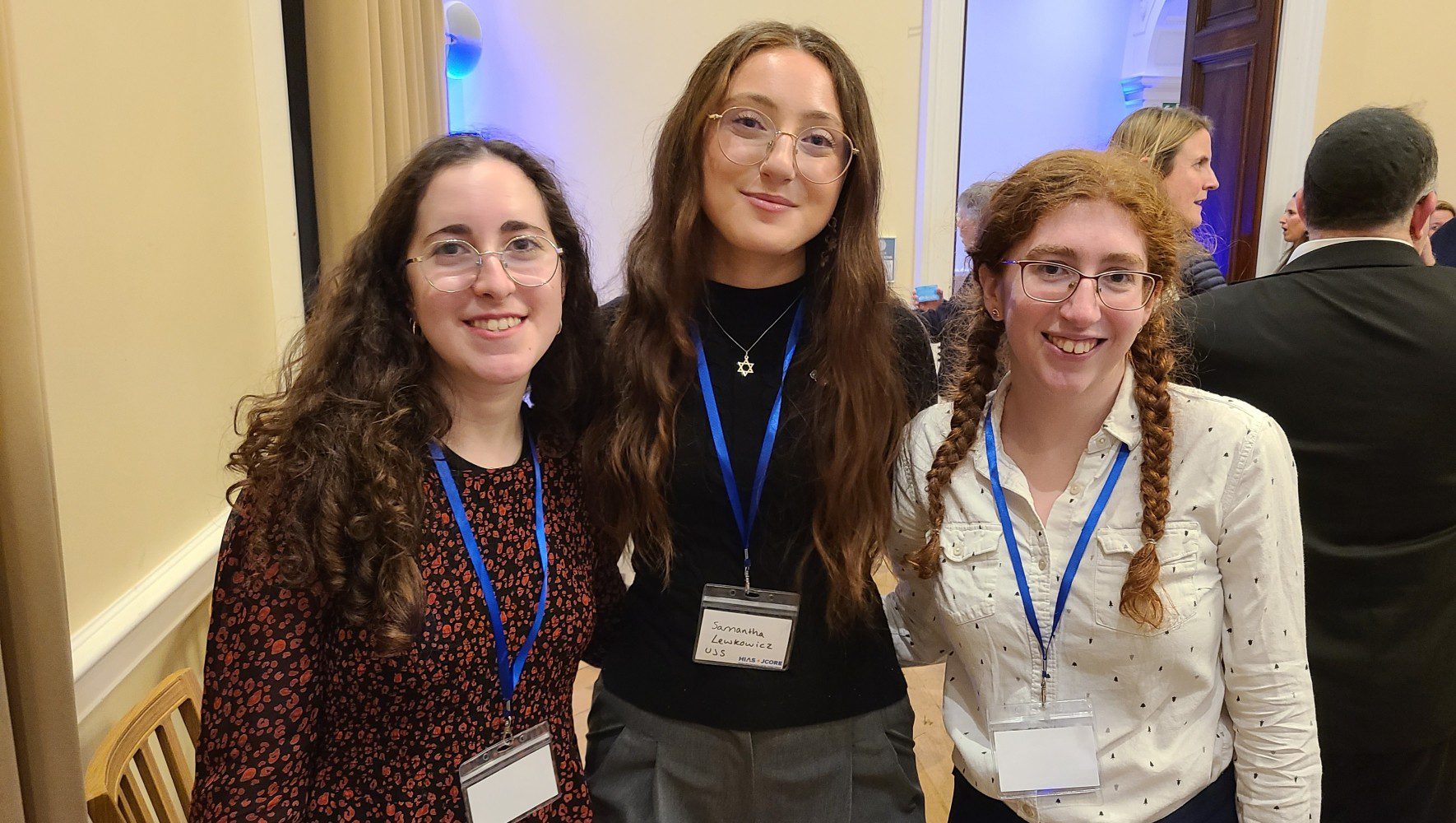
The genesis of SRAP can be traced to a pivotal HIAS+JCORE event last summer, where firsthand testimonies from young refugees and asylum seekers resonated deeply with Samantha Lewkowicz, a recent graduate from the University of East Anglia. Serving as the Sabbatical Officer for Social Action and Holocaust Education at UJS, Lewkowicz recognized the urgent need to channel this inspiration into a structured program. "We developed this program and weren’t sure there would be any interest, but then 50 students signed up," Lewkowicz recounted, highlighting the significant demand for such an initiative. "I know how busy students are. Trying to get them involved in anything is a challenge, let alone something where you’re devoting your free time to advocating for refugees and asylum seekers."
The SRAP, now concluding its inaugural year, has demonstrably succeeded in empowering its participants. The program artfully intertwines Jewish values and historical narratives with contemporary advocacy, motivating students to champion the cause of displaced individuals seeking refuge. Yael Peleg, HIAS+JCORE’s Community Engagement Director, emphasized the program’s dual focus: "With this program, we provide students with knowledge about refugees, but also we teach them to be proud of being Jewish. They understand our responsibility as Jews and our commitment to creating communities of welcome." This approach fosters a strong sense of identity and purpose, encouraging students to view their advocacy as an extension of their heritage.
Building a Foundation of Knowledge and Skills
Throughout the academic year, SRAP participants have engaged in a comprehensive curriculum designed to foster both understanding and action. The program’s structure includes direct engagement with refugees and asylum seekers, offering invaluable personal perspectives on the multifaceted challenges within the UK’s current asylum system. This direct interaction moves beyond statistics and policy documents, humanizing the refugee experience and fostering empathy among the student ambassadors.
Furthermore, SRAP has facilitated crucial dialogues with policymakers and subject matter experts. Ambassadors have had opportunities to meet with Members of Parliament and other influential figures, gaining insights into the intricacies of legislative processes and the levers of policy change. These engagements are vital for equipping students with the knowledge necessary to advocate effectively for fair and humane policies that protect individuals fleeing persecution and violence.
"Ambassadors are amazed at how much they’ve learned," Lewkowicz noted. "There is so much misinformation about refugees and asylum seekers. It can be daunting to advocate when the media is very negative towards refugees. But knowing there are people at high levels who are making progress gives students the courage to speak up." This sentiment underscores the program’s success in building confidence and resilience among young advocates, preparing them to navigate potentially challenging public discourse.
The Personal Journeys of Student Ambassadors
The impact of SRAP is vividly illustrated through the experiences of its participants. Phoebe, a master’s student at King’s College London and a native of Maryland, USA, found her involvement in SRAP to be a deeply personal and cyclical experience. Her father’s active volunteer work with his Jewish community in resettling Afghan refugee families in Maryland provided an early introduction to the refugee crisis. Seizing the opportunity to engage with this cause during her studies in the UK, Phoebe remarked, "It’s important to me that we as the Jewish community reach out because so many of us are descended from refugees ourselves."
She further elaborated on the pervasive influence of her heritage and community: "I grew up hearing about how my own great grandparents came to the U.S. to escape persecution under the Russian Empire, as well as stories from my friends and neighbors about their own experiences in more recent times because where I’m originally from is one of the most diverse areas in the country, with a high immigrant and refugee population." This personal connection fuels her commitment to advocacy, bridging her experiences in both the US and the UK.
Phoebe has observed firsthand the detrimental effects of anti-immigrant policies and rhetoric in both countries. She highlighted the struggles faced by refugees her father assists in the US, citing cutbacks in humanitarian aid and the imposition of bureaucratic hurdles by the U.S. government, which compound their anxieties about potential ICE raids and forced returns to Afghanistan. She also drew parallels to the current policy debates in the UK, which could lead to similarly damaging outcomes for refugees and asylum seekers.
"There’s a lot of overlap between the rise of xenophobia and antisemitism in the U.S. and the U.K. right now, and that’s why it’s important to me to have these conversations with people in both countries, so we can work towards combating it together," Phoebe stated, emphasizing the interconnectedness of these global challenges and the need for collaborative solutions.
SRAP’s Connection to Jewish Values and History
The program’s strength lies in its ability to connect contemporary advocacy with deeply ingrained Jewish principles. Yael Peleg articulated this connection: "They understand our responsibility as Jews and our commitment to creating communities of welcome." This philosophical underpinning provides a moral imperative for the students’ actions, reinforcing the idea that supporting refugees is not merely a political stance but a fundamental ethical obligation rooted in Jewish tradition and history.
The program’s curriculum often draws parallels between the historical experiences of Jewish people as refugees and the current plight of those seeking safety. This historical context serves as a powerful motivator, reminding students of their own community’s journey and fostering a sense of shared responsibility. The initiative also actively challenges the narrative that Jewish people are solely victims of persecution, positioning them instead as active agents of change and compassion.
Launching Refugee Shabbat: A Community Initiative
A significant event underscoring the program’s impact was the launch of Refugee Shabbat in London on March 12, 2026. This initiative, a collaboration between HIAS+JCORE and other partner organizations, aimed to raise awareness and encourage community engagement around the issue of refugees. The event saw student ambassadors, including Sam and Phoebe, participating alongside other refugee supporters. The accompanying imagery from this event, such as the photograph taken by Jennie van den Boogaard/HIAS, captures the spirit of solidarity and collective action.

The Refugee Shabbat initiative is part of a broader effort to integrate refugee advocacy into established community practices. By linking the observance of Shabbat with support for refugees, the program seeks to make the issue more accessible and relatable to a wider Jewish audience. This approach leverages existing communal structures to build broader support and understanding.
Addressing Misinformation and Fostering Dialogue
One of SRAP’s primary objectives is to equip students with the tools to effectively counter misinformation and hateful rhetoric surrounding refugees and asylum seekers. Lewkowicz highlighted this crucial aspect: "We’ve equipped ambassadors with the ability to challenge discrimination and hateful rhetoric around refugees and asylum seekers. When they are out with their friends and the topic comes up, they now have the tools to speak out with facts and evidence-based information." This focus on evidence-based communication is critical in combating the spread of harmful stereotypes and false narratives.
The program’s emphasis on skill-building extends to public speaking, critical thinking, and respectful dialogue. By fostering these abilities, SRAP aims to cultivate a generation of informed and articulate advocates who can engage constructively with differing viewpoints and effectively convey the humanitarian imperative of supporting refugees.
Future Outlook and Broader Implications
The success of SRAP in its first year has prompted HIAS+JCORE and UJS to commit to its continuation for at least the next two academic years. The organizations envision SRAP evolving into a sustained movement, inspiring students to contribute to refugee communities and emerge as future leaders in displacement issues.
"My hope is that the SRAP graduates will take their knowledge and share it with others," Yael Peleg stated. "Our voices aren’t loud enough at the moment. We need advocates for refugees, and my aspiration is that SRAP will grow in numbers from year to year, creating student grassroots advocacy on campuses." This vision underscores the program’s long-term goal of fostering a robust network of student activists dedicated to refugee rights.
The implications of SRAP extend beyond the immediate university environment. By empowering young people, the program contributes to a broader societal shift towards greater empathy and understanding for displaced individuals. In a political climate marked by increasing xenophobia and antisemitism in the UK, the US, and globally, the work of SRAP and its participants is more critical than ever.
Samantha Lewkowicz concluded with a poignant reflection on the core purpose of their advocacy: "There is still so much more advocacy work to be done for refugees and asylum seekers, and this program is only the beginning of achieving a society where refugees and asylum seekers feel welcomed in our communities. People fleeing war and persecution just want an opportunity to start over with their families. They are regular people just like us who want a normal life. They deserve the same respect as everyone else." This statement encapsulates the humanistic foundation of SRAP, emphasizing the shared humanity that underpins the call for justice and compassion for all those seeking safety and a new beginning.