On February 4, 2026, Professor Kate Pickett, the renowned epidemiologist and co-author of the seminal work The Spirit Level, officially launched her latest book, The Good Society, in a high-profile digital event that signaled a renewed push for systemic socio-economic change. Hosted in collaboration with the political advocacy group Compass, the online launch attracted an audience of over 500 policy experts, activists, and members of the public, underscoring a persistent and growing appetite for structural solutions to the UK’s deepening inequality crisis. The event featured a panel of prominent intellectual and political figures, including Baroness Ruth Lister, environmental journalist George Monbiot, and former Green Party leader Caroline Lucas, each of whom provided a unique lens through which to view Pickett’s latest thesis on social cohesion and equitable prosperity.
The publication of The Good Society marks a significant milestone in Professor Pickett’s career, which has been defined by her rigorous investigation into how income inequality erodes the fabric of modern civilizations. As a co-founder of The Equality Trust in 2009, Pickett has spent nearly two decades bridging the gap between academic research and public policy. This latest work is positioned not merely as a critique of current economic failures, but as a proactive blueprint for a future defined by well-being rather than narrow metrics of growth.
A Chronology of Advocacy and Academic Influence
The journey toward the release of The Good Society is rooted in a timeline that began with the global financial crisis of 2008. In 2009, Kate Pickett and Richard Wilkinson published The Spirit Level: Why More Equal Societies Almost Always Do Better, a book that fundamentally shifted the international discourse on wealth distribution. By demonstrating a clear correlation between high levels of inequality and a spectrum of social ills—ranging from lower life expectancy and higher infant mortality to increased rates of violence and lower social mobility—the authors provided the empirical backbone for a new generation of social activists.
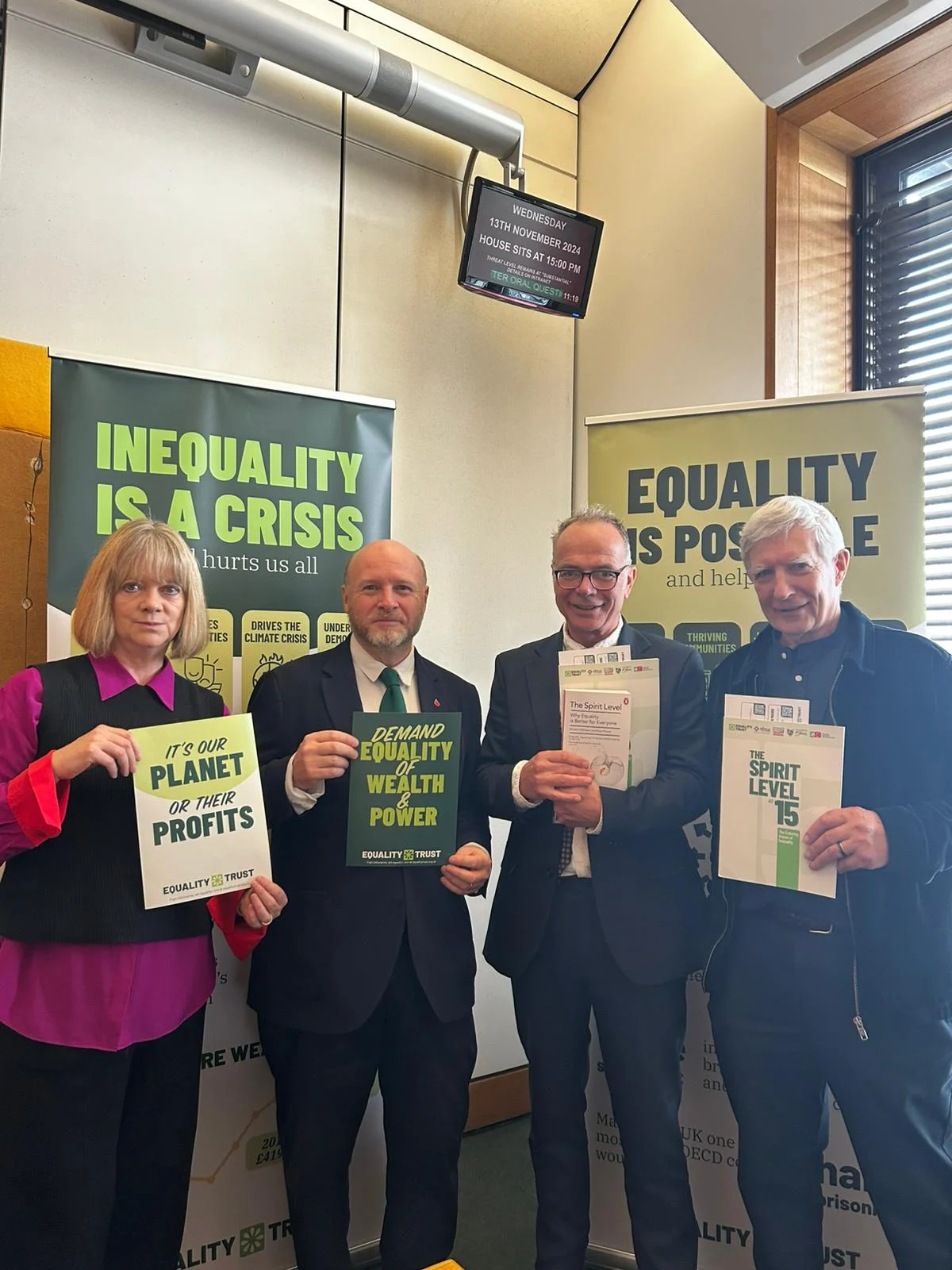
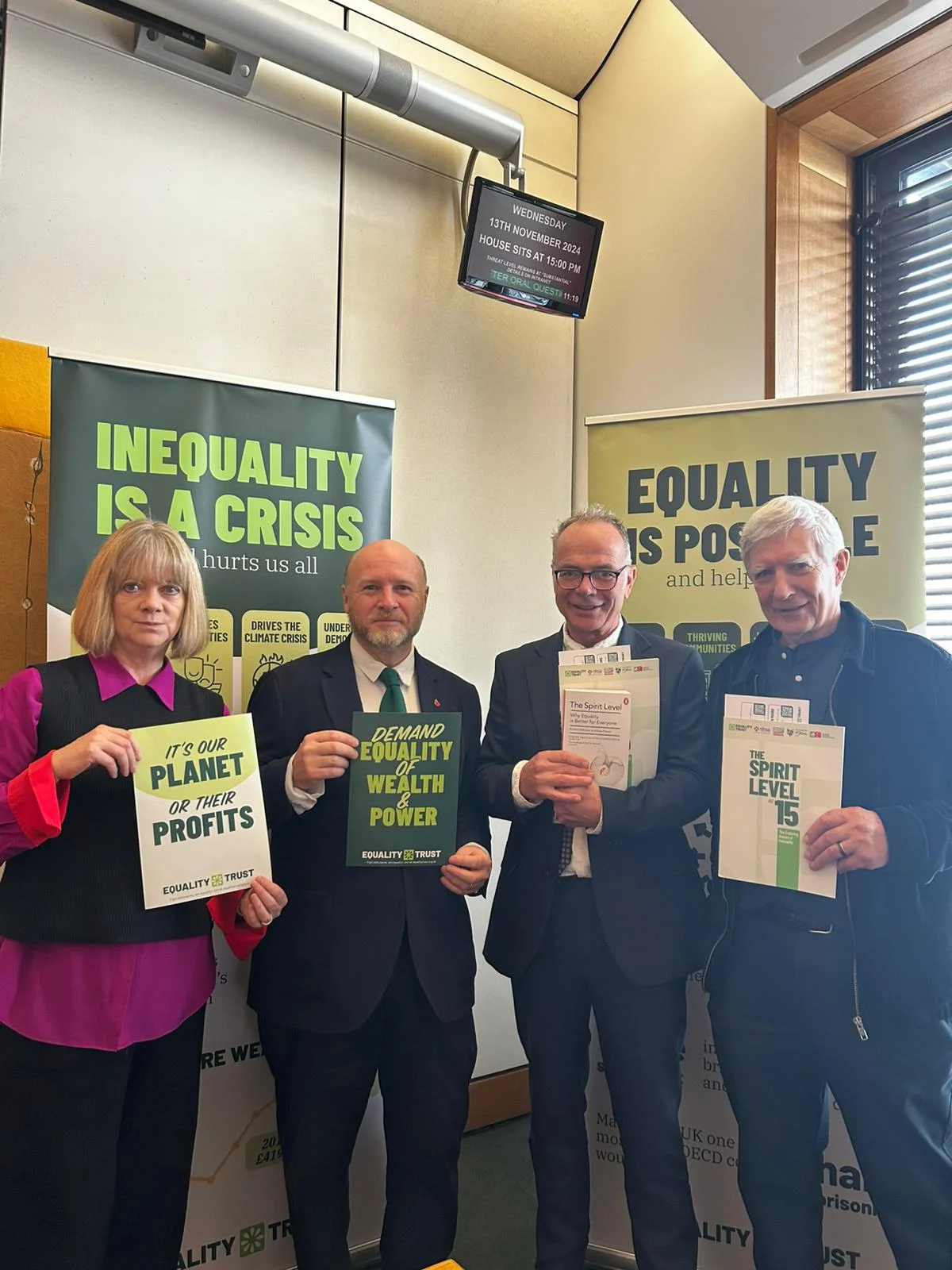
Following the success of The Spirit Level, Pickett helped establish The Equality Trust to translate these findings into tangible political pressure. Over the subsequent fifteen years, the organization has campaigned for narrowed pay ratios, progressive taxation, and a fundamental reimagining of the social contract. In 2018, Pickett and Wilkinson followed up with The Inner Level, which explored the psychological impact of inequality, specifically focusing on how status anxiety and social competition drive mental health crises.
The 2026 launch of The Good Society represents the third pillar of this intellectual evolution. While previous works focused on diagnosing the problem and its psychological symptoms, this latest volume focuses on the "how" of societal transformation. The February 4 launch event served as the public unveiling of these strategies, timed specifically to coincide with a period of significant economic transition and public debate regarding the future of the welfare state.
Strategic Dialogue: Insights from the Panel
The online launch event was characterized by a synthesis of various progressive movements, ranging from environmentalism to social security reform. Baroness Ruth Lister, a leading authority on poverty and social citizenship, emphasized the necessity of viewing equality not as an abstract economic goal but as a fundamental requirement for human dignity. She noted that Pickett’s work provides the necessary framework to move beyond "poverty management" toward a model of genuine social inclusion.
George Monbiot, known for his advocacy for radical environmental and systemic change, linked the themes of The Good Society to the broader ecological crisis. Monbiot argued that the pursuit of infinite economic growth is the primary driver of both environmental destruction and social inequality. He praised Pickett’s book for articulating a vision of a "steady-state economy" that prioritizes the health of the biosphere and the stability of the community over the accumulation of private capital.
Caroline Lucas, representing the political vanguard of the green movement, highlighted the legislative challenges and opportunities inherent in Pickett’s proposals. Lucas pointed out that the current political landscape requires a "narrative of hope" that can compete with populist rhetoric. She argued that The Good Society offers a credible, data-driven alternative to the status quo, one that integrates the "Green New Deal" philosophy with the social equity goals championed by The Equality Trust.
Supporting Data: The Current Landscape of Inequality
The urgency of the themes discussed during the launch is supported by a wealth of contemporary economic data. As of early 2026, the gap between the highest and lowest earners in the United Kingdom remains among the widest in the developed world. According to recent reports from the Office for National Statistics (ONS) and independent think tanks, the wealthiest 10% of households hold approximately 43% of the nation’s wealth, while the bottom 50% hold less than 5%.
Comparative data from the Gini coefficient—a standard measure of statistical dispersion intended to represent the income or wealth inequality within a nation—shows that the UK consistently scores higher (indicating more inequality) than its Nordic counterparts. Pickett’s research indicates that societies with lower Gini coefficients, such as Norway and Denmark, continue to outperform the UK in metrics of trust, educational attainment, and general life satisfaction.
Furthermore, the "cost-of-living" pressures that have persisted through the mid-2020s have disproportionately affected low-income households, who spend a larger percentage of their earnings on essential goods like energy and food. The Good Society addresses these disparities by advocating for "pre-distribution" strategies—policies that change how the market works to create more equal outcomes before taxes and benefits are applied—such as increased collective bargaining power and employee ownership models.
Official Responses and Public Reception
The launch has drawn attention from across the political spectrum, though reactions have been predictably divided. Proponents of the "Well-being Economy" have hailed the book as a landmark publication. A spokesperson for the Wellbeing Economy Alliance (WEAll) stated that Pickett’s work "provides the intellectual ammunition needed to move beyond GDP as the primary measure of national success."
Conversely, some market-oriented think tanks have expressed skepticism regarding the feasibility of the radical shifts Pickett proposes. Critics have argued that the "Good Society" model might risk stifling innovation and investment by imposing overly stringent regulations on wealth accumulation. However, the high attendance at the digital launch—exceeding 500 participants—suggests that the public appetite for these ideas has moved from the fringes of academic debate into the mainstream.
Compass, the organization that co-hosted the event, issued a statement following the launch, noting that the level of engagement was "unprecedented for a book launch of this nature." The organization emphasized that the event was only the beginning of a nationwide tour and series of workshops aimed at bringing the book’s concepts to local community leaders and grassroots organizers.
Broader Impact and Implications for Policy
The release of The Good Society is expected to influence the policy platforms of various political parties as they look toward the late 2020s. By providing a comprehensive data set and a clear moral argument, Pickett has created a resource that is likely to be cited in parliamentary debates and policy white papers for years to come.
The book’s focus on the "Triple Bottom Line"—social, environmental, and economic health—aligns with a global shift toward Sustainable Development Goals (SDGs). As nations grapple with the dual challenges of climate change and social fragmentation, Pickett’s thesis offers a unified theory of change. The implication is clear: a society cannot be "good" if it is fundamentally unequal, and it cannot be sustainable if it is built on the exploitation of either people or the planet.
For The Equality Trust, the success of the launch serves as a validation of the work they have done since 2009. The organization plans to use the book as a cornerstone for their upcoming "Fairer UK" campaign, which will focus on specific legislative targets such as mandatory pay ratio reporting and the implementation of a universal basic services model.
In the final analysis, Professor Kate Pickett’s The Good Society is more than a book; it is a call to action. The February 4 launch event demonstrated that there is a significant and mobilized constituency ready to engage with the difficult questions of how to restructure modern life. With the support of figures like Monbiot, Lucas, and Lister, and backed by the institutional weight of Compass and The Equality Trust, Pickett’s vision for an equal and sustainable future has moved firmly into the center of the national conversation. As the recording of the event continues to circulate online, its influence is poised to grow, challenging policymakers and citizens alike to reconsider what it truly means to live in a "good society."