The Equality Trust has officially unveiled the results of its pioneering Community Economist project, a multi-regional initiative designed to bridge the gap between complex macroeconomic theory and the lived experiences of citizens across the United Kingdom. Launched on January 29, 2026, the project marks a significant shift in how economic data is collected and interpreted, moving away from abstract statistical modeling toward a grassroots, human-centric approach. By training volunteers from diverse backgrounds—ranging from the urban centers of London to the rural reaches of Scotland—the organization seeks to demystify the "dismal science" and empower communities to advocate for systemic change. The release of the project’s comprehensive insight report and accompanying documentary film provides a granular look at how economic inequality manifests in housing, education, and interpersonal relationships, signaling the start of a three-phase social action strategy aimed at reshaping the British economic landscape.
The Genesis of the Community Economist Initiative
For decades, the field of economics has been perceived by the general public as an impenetrable domain governed by distant institutions and opaque algorithms. This perceived complexity often leads to a sense of fatalism among the populace, where the economy is viewed as a force of nature rather than a human-made system. The Equality Trust’s Community Economist project was conceived to challenge this paradigm. The initiative is built on the foundational premise that the economy should serve the people, rather than the people serving the economy.
The recruitment process for the project began in mid-2025, attracting a high volume of applicants from across the UK. The Equality Trust specifically sought individuals who had firsthand experience with economic inequality but lacked formal academic training in economics. This selection criteria ensured that the resulting data would be "unfiltered" and rooted in the realities of working-class and marginalized communities. After a rigorous selection process, 10 volunteers were chosen to lead the inaugural cohort. These participants represented a cross-section of the British public, including gig economy workers, retirees, and young people facing the brunt of the housing crisis.
Methodological Framework and the Twelve-Week Training Cycle
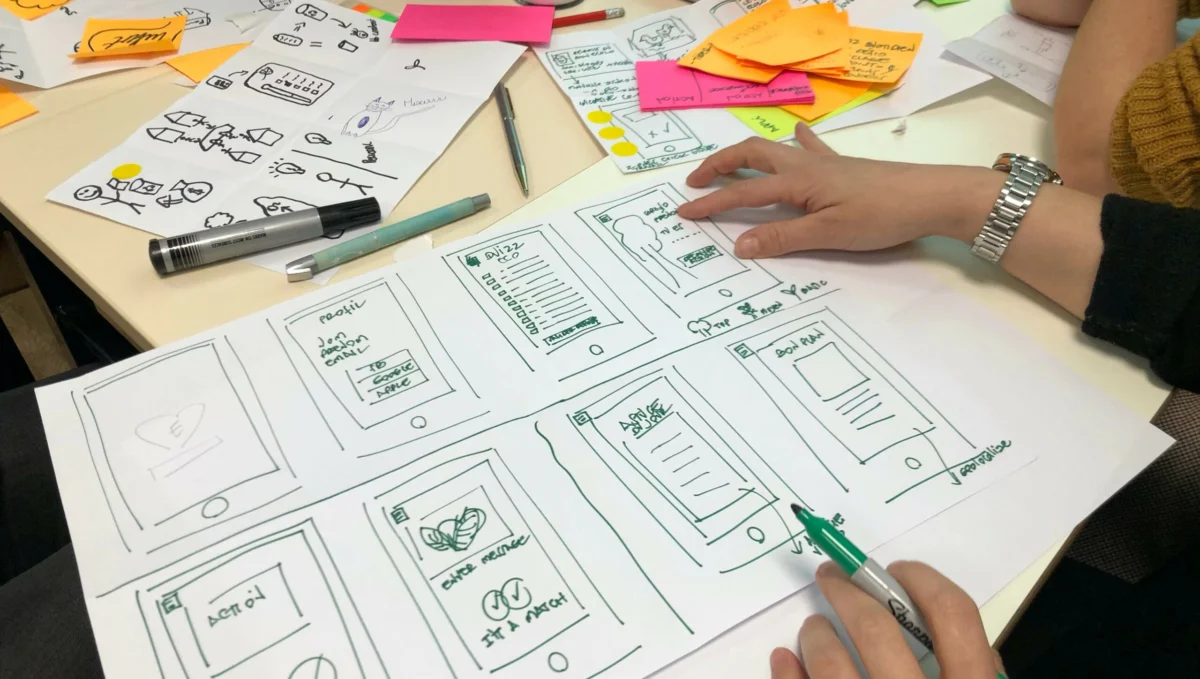
The project utilized a "community reporting" model, a form of participatory action research that equips non-professionals with the tools to conduct high-quality social inquiry. Over a 12-week period in late 2025, the 10 Community Economists underwent intensive training workshops. These sessions were designed not to teach neoclassical economic theory, but to provide practical skills in storytelling, qualitative interviewing, and thematic analysis.
The curriculum focused on several core competencies:
- Storytelling as Data: Understanding how individual narratives can illustrate broader systemic failures.
- Interview Ethics and Techniques: Learning how to facilitate "unfiltered" conversations that allow participants to speak freely about their financial anxieties and aspirations.
- Thematic Analysis: Identifying recurring patterns in the collected stories to form a cohesive narrative about the state of the UK economy.
A pivotal moment in the training occurred when the group collectively decided on the central research question: "What would it be like if everyone had what they needed to live a good life, and how would that be different from how things are now?" This question shifted the focus from mere survival to the concept of "the good life," a framework that includes leisure, dignity, and community stability.
Data Insights: The Reality of Economic Inequality in 2026
The resulting insight report is the culmination of over ten hours of raw interview footage and hundreds of pages of transcripts. The findings highlight a profound disconnect between national economic indicators—such as Gross Domestic Product (GDP) growth or employment rates—and the actual quality of life experienced by citizens.
The Housing and Education Nexus
One of the most prominent themes identified by the Community Economists was the pervasive impact of housing costs on all other life decisions. In London and the South East, participants described a "permanent state of transience," where high rents prevent the formation of stable community ties. In Scotland and the North of England, while housing costs were lower in some areas, the lack of quality employment opportunities created a different kind of economic stagnation.
The report also underscores how economic inequality stunts educational aspirations. Interviewees noted that the "poverty premium"—where those with less money pay more for basic services—extends into the realm of human capital. Families struggling with rising utility bills and food costs are often unable to support the extracurricular and supplemental needs of their children, leading to a generational cycle of restricted opportunity.
Supporting Economic Data
To provide context to these personal stories, The Equality Trust integrated several key data points into the final report. As of early 2026, the UK continues to grapple with one of the highest levels of income inequality among developed nations. According to recent figures from the Office for National Statistics (ONS), the top 10% of households hold nearly 43% of the nation’s wealth, while the bottom 50% hold less than 9%. Furthermore, the "Gini coefficient," a standard measure of inequality, has remained stubbornly high, reflecting a lack of progress in "leveling up" regional economies.
The report also points to the rising cost of the "Minimum Income Standard" (MIS). In 2026, the amount of money required for a single person to reach a socially acceptable standard of living has risen significantly, driven by inflation in essential goods that outpaces wage growth in the bottom two quartiles of the labor market.
Perspectives from the Field: Humanizing the Statistics
The power of the Community Economist project lies in its ability to put a face to these statistics. One participant from the Midlands, who worked as a volunteer reporter, noted that the process of interviewing neighbors revealed a "hidden epidemic of isolation" caused by financial stress. "People aren’t just worried about their bank accounts," the volunteer stated. "They are worried about their ability to be good parents, good neighbors, and active citizens when every waking hour is spent chasing a paycheck that doesn’t cover the basics."
Organizers at The Equality Trust emphasized that the project has already succeeded in its primary goal: fostering a sense of agency. The 10 volunteers, who initially felt alienated by economic discourse, have emerged as confident advocates. This shift from "passive observer" to "active investigator" is seen as a crucial step in building a movement for economic justice.
The Roadmap Ahead: Phases 2 and 3
The January 29 launch represents only the first phase of a long-term strategy. The Equality Trust has outlined a clear chronology for the remainder of 2026 and beyond:
Phase 2: Advocacy and Coalition Building (Spring – Summer 2026)
In the coming months, the project will move into an advocacy phase. This involves taking the insights from the report to policymakers, local councils, and national government representatives. The Community Economists will lead focused workshops and "message testing" sessions to determine which economic narratives most effectively resonate with the public and drive political will. The goal is to build a broad coalition of labor unions, community groups, and think tanks to push for specific policy changes, such as universal basic services and strengthened rent controls.
Phase 3: Social Action and Systemic Change (Autumn 2026 – 2027)
The final phase of the project will focus on direct social action. Using the evidence gathered during the research phase and the energy generated during the advocacy phase, the group plans to launch a series of campaigns aimed at tangible reforms. These may include community-led wealth-building initiatives or national-level lobbying for tax reform. The Equality Trust maintains that the ultimate objective is to turn "private worries into shared power."
Analysis of Implications: A New Model for Economic Literacy
The Community Economist project arrives at a time of significant global debate regarding the future of capitalism and the role of the state. By prioritizing "unfiltered" experience over traditional metrics, The Equality Trust is participating in a growing international movement toward "well-being economics."
The implications of this project are twofold. First, it challenges the monopoly that professional economists have over economic discourse. By demonstrating that ordinary citizens can analyze and articulate complex economic realities, the project democratizes the field. Second, it provides a blueprint for other NGOs and civil society organizations to conduct research that is both scientifically rigorous and deeply empathetic.
As the UK navigates the complexities of the mid-2020s—including the ongoing transition to a green economy and the integration of artificial intelligence into the workforce—the need for a more inclusive economic narrative has never been more urgent. The Community Economist project suggests that the solutions to the nation’s most pressing problems may not be found in the boardrooms of the City of London, but in the kitchens and community centers of the people who make the economy run.
The release of the insight report and film is a call to action for the public to reconsider their relationship with the financial systems that govern their lives. As the project enters its next phases, the focus will remain on the central claim that people make economies, and therefore, people have the power to change them. The Equality Trust’s work ensures that this change will be informed by the very voices that have for too long been left out of the conversation.