The past two years have marked a tumultuous and unprecedented period, transforming the global workforce in profound ways. The ongoing pandemic era has catalyzed a massive, rapid-paced experimentation with new paradigms of working, fundamentally reshaping our perceptions of employment and its future. While numerous questions remain open and data continues to evolve, a clear picture of significant shifts in the "People" dimension of work is emerging, characterized by altered power dynamics, a heightened focus on employee well-being, and critical challenges in talent attraction and retention. This analysis, part of a broader series examining trends across ‘Purpose,’ ‘Process & Policy,’ and ‘Polarisation & Activism,’ delves into the human element of this transformation, exploring the forces driving a new era for employees and employers alike.
The Genesis of Change: A Pre-Pandemic Undercurrent Meets a Global Shockwave
While the COVID-19 pandemic acted as a powerful accelerant, it is crucial to understand that the foundations for many of these shifts were already present. For years leading up to 2020, economic indicators in many developed nations hinted at a tightening labor market, with discussions around skills gaps and the increasing importance of employee experience gaining traction. However, the global health crisis served as an unparalleled disruptor, forcing immediate and widespread adoption of remote work, flexible schedules, and a re-evaluation of personal and professional priorities. This abrupt shift provided employees with a unique vantage point, allowing many to reconsider their relationship with their jobs, their employers, and the very concept of work-life balance.
The initial phase of the pandemic, marked by widespread lockdowns and economic uncertainty in early 2020, saw a surge in unemployment as businesses grappled with unprecedented closures. Government-mandated restrictions led to millions being furloughed or laid off, particularly in sectors like hospitality, travel, and retail. Yet, as economies began to cautiously reopen and adapt, a different phenomenon started to take hold. Essential workers found themselves under immense pressure, often without adequate support or compensation, while many office workers experienced the unexpected freedoms and challenges of working from home. This disparity, coupled with a collective period of introspection for many during a time of global crisis, laid the groundwork for what would soon be widely termed "The Great Resignation."
The Great Resignation: A Global Phenomenon of Employee Empowerment
The term "The Great Resignation" burst into public consciousness in early 2021, encapsulating a perceived wave of voluntary departures from the workforce. A seminal survey released by Microsoft in March 2021 underscored this sentiment, revealing that over 40% of employees globally were contemplating leaving their current employers within the year. While researchers have pointed out that an intent to resign does not always translate into actual resignations, and that a building resignation trend predated the pandemic, the sheer scale of the expressed desire for change signaled a significant talent concern that the pandemic had undeniably amplified.
Empirical data from key economies soon provided concrete evidence of this trend, moving beyond mere intent to actual workforce movement. In the United States, the Bureau of Labor Statistics (BLS) reported a staggering 4.3 million voluntary quits in August 2021 alone, a record high that shattered previous records. This exodus occurred concurrently with an equally remarkable 10.4 million open job vacancies during the same month, illustrating a severe mismatch between available talent and employer demand. The quit rate, a measure of voluntary separations from employment, soared to 2.9%, far exceeding pre-pandemic averages. Across the Atlantic, the United Kingdom experienced similar pressures, with the Office for National Statistics (ONS) reporting over 1 million open jobs in August 2021, another record for the nation. The UK’s unemployment rate, while fluctuating, remained low, indicating a tight labor market where employers struggled to fill roles. Germany, the European Union’s largest economy, also registered growing apprehension among company leaders regarding the scarcity of skilled employees; an Ifo survey in July 2021 showed an 11% jump in three months, with 34.6% of firms expressing concern over labor shortages, a critical indicator of economic vulnerability. These figures collectively painted a picture of a robust, albeit challenging, job market where employees, for the first time in decades, held significant leverage.
The implications of these trends extend beyond immediate hiring difficulties. A Willis Towers Watson survey in August 2021 indicated that 70% of U.S. employers anticipated this talent gap to persist into the following year, with 61% reporting ongoing struggles with employee retention. This suggested a systemic rather than transient issue, requiring strategic long-term solutions from organizations, rather than short-term tactical fixes. The cost of employee turnover, including recruitment, onboarding, and lost productivity, began to weigh heavily on corporate balance sheets, prompting a re-evaluation of investment in human capital.
Who is Leaving and Why? Unpacking the Drivers of Departure
Further analysis revealed specific demographics and sectors most affected by this wave of resignations. Research published in the Harvard Business Review indicated that resignation rates were particularly prevalent among mid-career professionals, showing an increase of 20% from pre-pandemic levels. This demographic, often burdened with increasing responsibilities both at work and at home, appeared to be re-evaluating their career trajectories and seeking roles that offered better alignment with their personal values and life circumstances, such as increased flexibility, better work-life balance, or a stronger sense of purpose. This group, typically aged 30-45, often possesses valuable experience but is also at a life stage where family demands or personal ambitions might prompt a significant career shift.
Sector-wise, the tech and healthcare industries experienced particularly high turnover. Both sectors were under immense pressure during the pandemic – tech due to the rapid acceleration of digital transformation, and healthcare due to the direct impact of the health crisis. The intense demand, coupled with long hours, high stress, and significant burnout, likely pushed many professionals to seek less demanding or more rewarding environments. In healthcare, the emotional toll and physical risks faced by frontline workers led to widespread exhaustion, prompting many to leave the profession or seek roles with less direct patient contact. In tech, the booming demand for digital services created a highly competitive talent market, allowing skilled workers to easily move to companies offering better compensation, benefits, or cultural fit.
Beyond these sectors, the service and hospitality industries, historically characterized by high turnover, continued to see significant movement. What shifted, however, was a heightened public awareness and empathy for the often-poor working conditions and low wages prevalent in these fields. The pandemic brought the plight of frontline workers into sharp focus, revealing the essential nature of their labor while simultaneously highlighting the lack of adequate compensation, benefits, and respect. This public awareness fueled calls for improved labor standards and a re-evaluation of the societal value placed on these roles.
Moreover, the phenomenon of "Rage Quitting" emerged, where employees, pushed to their limits by toxic work environments or perceived injustices, resigned abruptly and often publicly. This trend, highlighted by articles in outlets like the BBC, underscored a growing intolerance for negative workplace cultures and a newfound confidence among workers to vocalize their dissatisfaction and seek immediate alternatives. Social media platforms often amplified these instances, creating a ripple effect that further empowered individuals to challenge exploitative or disrespectful employer practices. The cumulative effect was a sharpening of attention on the imperative for employers to genuinely value their employees and cultivate inclusive workplaces underpinned by fair labor practices and policies.
The Shifting Psychology of Work: Uncertainty and Opportunity
The current era is defined by pervasive uncertainty, a state that elicits varied responses from individuals. For some, this ambiguity breeds stress and anxiety, leading to a desire for stability and a reluctance to change. For others, however, uncertainty has been a catalyst for introspection, prompting a critical re-evaluation of their current situations and an openness to exploring new opportunities. This psychological pivot has been a significant driver behind the shifts in the labor market. The collective experience of a global crisis led many to reprioritize personal well-being, family, and a sense of purpose over traditional career advancement or material gains.
Quitting, in this context, has become more than just a job change; it is an active declaration that "we can do better," as articulated in The Atlantic. Employees, empowered by the realization that alternative work options exist – be it in different companies, industries, or through self-employment – are no longer willing to tolerate subpar workplace cultures or experiences. This evolving mindset means that no organization can afford to ignore the profound impact of workplace culture and employee experience on its ability to attract and retain talent. Companies are increasingly realizing that a strong employer brand, built on authentic values and positive employee experiences, is as crucial as product branding. Ultimately, these factors directly influence an organization’s success and contribute to broader societal economic growth. A disenchanted workforce can stifle innovation, reduce productivity, and erode market competitiveness.
The imperative to foster people-centered work cultures has been recognized as a cornerstone of global recovery initiatives such as "The Great Reset" and various "build back better" programs championed by international bodies and governments. As the world emerges from the immediate crisis of the pandemic, there is a collective acknowledgment that sustainable recovery necessitates a fundamental redesign of work around human needs and well-being, moving beyond a purely profit-driven model to one that integrates social responsibility and employee welfare.
The Great Divergence: Ensuring an Inclusive Recovery
While "The Great Resignation" captured headlines, it is crucial to recognize that not all pandemic-era employment changes were voluntary. Alongside the wave of voluntary departures, there has been a stark "Great Divergence" – a widening gap in economic recovery that exacerbates existing inequalities. Millions of individuals faced unwanted job losses, further intensifying a global employment crisis that predated the pandemic. This divergence highlights that while some workers gained leverage, others were left behind, struggling with unemployment, underemployment, or reduced hours.
Data from international organizations paints a sobering picture of this divergence. In OECD countries, approximately 20 million fewer people were in work since the start of the pandemic, with over 110 million fewer jobs worldwide. The International Labour Organization (ILO) calculated that globally in 2021, hours worked were 4.3% below pre-pandemic levels, equating to a loss of 125 million full-time jobs. The OECD specifically highlighted that the reduction in working hours disproportionately affected low-paid jobs and marginalized groups, deepening economic insecurity for vulnerable populations, including women, young people, and those in informal sectors. While global unemployment rates showed a slight decrease as of May 2021, they remained stubbornly higher than pre-pandemic levels in many regions, indicating that the recovery has been uneven and incomplete. The disparities in vaccine access, economic stimulus, and social safety nets further exacerbated this divergence between countries and within societies.
This underscores the critical need for an inclusive approach to talent and employment. A truly equitable recovery demands that we embrace the full spectrum of pandemic-era work shifts and commit to resetting talent and employment systems to be fairer for all people, not just those with the leverage to resign voluntarily. This moment presents a unique opportunity for profound, systemic changes that address historical inequities and build a more resilient, inclusive workforce. Policy makers, international organizations, and employers must collaborate to implement targeted programs for job creation, skills training, and social protection to ensure that no one is left behind in the post-pandemic economic landscape.
Strategic Imperatives for Employers: Navigating the New Landscape
In light of these seismic shifts, employers face a series of strategic imperatives. The traditional employer-employee contract has been irrevocably altered, necessitating a proactive, empathetic, and data-driven response to attract, retain, and develop talent in the new environment.
- Re-evaluating Compensation and Benefits: Beyond competitive salaries, organizations must consider holistic benefits packages that address employee well-being, mental health, and financial security. This includes comprehensive health insurance, paid parental leave, flexible spending accounts, and access to mental health support services. The pandemic highlighted the fragility of existing support systems, making comprehensive benefits a key differentiator in a competitive talent market.
- Cultivating a People-Centered Culture: A positive and inclusive workplace culture is no longer a luxury but a necessity for survival. This involves fostering psychological safety, promoting transparent communication, recognizing employee contributions, and actively listening to feedback through regular surveys and open forums. Leaders must embody empathy and champion diversity, equity, and inclusion (DEI) not just as initiatives, but as core values integrated into every aspect of organizational life.
- Embracing Flexibility and Autonomy: The forced experimentation with remote and hybrid work models proved their viability for many roles. Employers must move beyond simply offering flexible arrangements to truly empowering employees with autonomy over how, when, and where they work, whenever feasible. This requires a shift from a "presenteeism" mindset to one focused on outcomes, trust, and accountability. Implementing robust technological infrastructure and clear communication guidelines are crucial for successful hybrid models.
- Investing in Skills Development and Mobility: To address talent gaps and prepare for future disruptions, organizations must invest heavily in upskilling and reskilling programs. Creating pathways for internal mobility not only retains valuable institutional knowledge but also signals a commitment to employee growth and career development, fostering loyalty and engagement. Learning and development initiatives should be tailored to future-proof skills, such as digital literacy, critical thinking, and adaptability.
- Prioritizing Diversity, Equity, and Inclusion (DEI): The pandemic disproportionately affected marginalized groups, making DEI efforts more critical than ever. An inclusive recovery means actively dismantling systemic barriers in hiring, promotion, and leadership, ensuring equitable access to opportunities, and creating environments where all employees feel a sense of belonging and can thrive. This involves critically examining recruitment processes, promotion pathways, and leadership representation, using data to identify and address biases.
- Addressing Burnout and Mental Health: The increased demands and anxieties of the pandemic era have taken a significant toll on employee mental health. Employers have a responsibility to provide resources, foster a culture that destigmatizes mental health discussions, and design work in a way that prevents chronic burnout. This can include promoting work-life boundaries, offering employee assistance programs, and training managers to recognize and support employees struggling with mental health challenges.
The Path Forward: A Moment for Profound Change
The current landscape, characterized by both "The Great Resignation" and "The Great Divergence," represents more than just a temporary disruption. It is a fundamental reordering of the relationship between individuals and their work, offering a rare opportunity for profound, positive change. For organizations, adapting to these shifts requires more than superficial adjustments; it demands a deep commitment to human-centric principles, inclusive leadership, and a willingness to reinvent long-held assumptions about work.
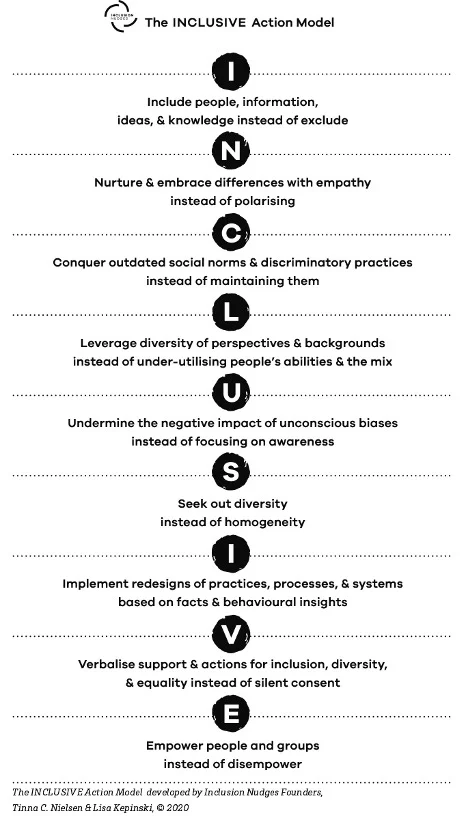
The insights discussed here, informed by discussions like those at Legal Island’s HR Master Class in September 2021 where Lisa presented some of these pandemic-era research trends, underscore the urgency for leaders to reflect on what these shifts mean for Diversity, Equity, and Inclusion (DEI) in their specific contexts. In this highly ambiguous and fast-changing time, the organizations that prioritize their people, embrace inclusivity, and proactively shape a more equitable future of work will be the ones that not only survive but thrive. The moment for profound change is now, and the responsibility to build a better, fairer working world rests with us all, collectively shaping a future where work serves humanity, rather than the other way around.