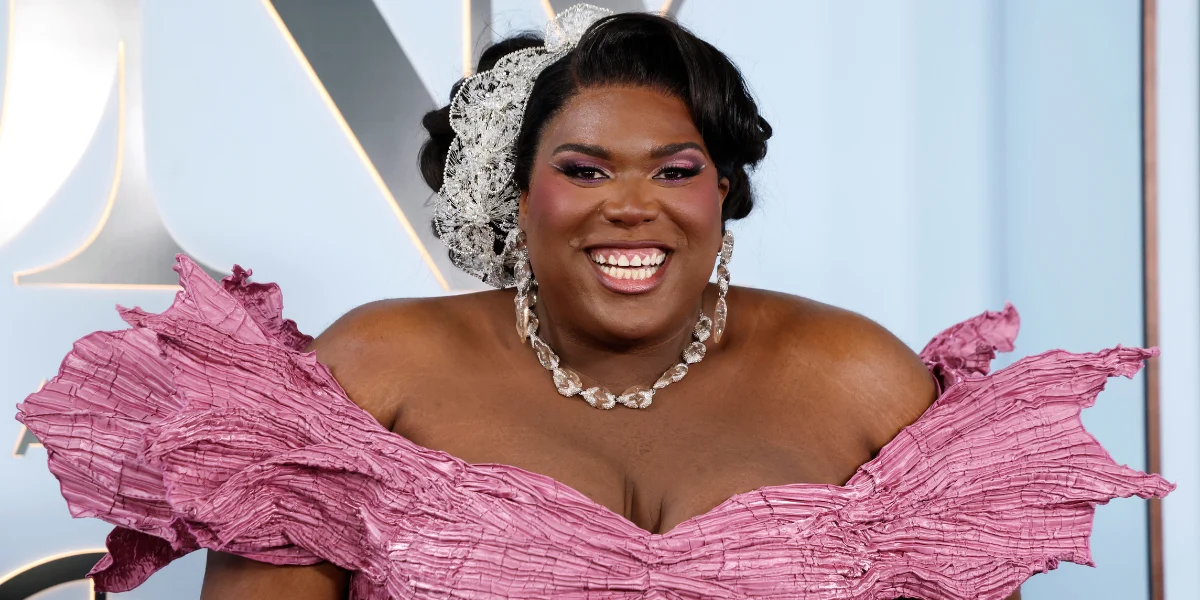
The 79th Annual Tony Awards, held at the David H. Koch Theater at Lincoln Center, marked a significant milestone in the history of American theater. Qween Jean, the acclaimed costume designer for the innovative revival Cats: The Jellicle Ball, secured the award for Best Costume Design of a Musical. This victory establishes Jean as the first openly transgender woman to receive a Tony Award, a distinction that highlights both the evolving landscape of Broadway and the specific contributions of trans-feminine artists to the theatrical arts.
The production for which Jean was honored, Cats: The Jellicle Ball, represents a radical reimagining of Andrew Lloyd Webber’s long-running musical. Staged at the Perelman Performing Arts Center (PAC NYC), the production shifts the setting from a traditional junkyard to the high-energy, competitive environment of contemporary ballroom culture. This creative choice is historically significant, as ballroom culture was pioneered and sustained by Black and Latine transgender women and queer youth in New York City. Jean’s work was central to this translation, utilizing fashion and garment design to bridge the gap between the feline motifs of the original source material and the specific aesthetic requirements of the ballroom runway.
Clarifying the Historical Record of Transgender and Non-Binary Winners
In the immediate aftermath of the ceremony, several mainstream media outlets reported Jean’s win as the first for any transgender person in the history of the Tony Awards. However, a closer examination of the awards’ recent history reveals a more nuanced trajectory of gender-diverse representation. While Jean is indeed the first openly transgender woman to win, she follows a succession of non-binary and gender-nonconforming artists who have broken similar barriers in recent years.
The distinction between "transgender woman" and the broader "transgender and non-binary" umbrella has become a point of discussion among theater historians and advocates. In 2023, the Tony Awards saw two historic wins in acting categories: J. Harrison Ghee won Best Leading Actor in a Musical for Some Like It Hot, and Alex Newell won Best Featured Actor in a Musical for Shucked. Both Ghee and Newell identify as non-binary and made history by winning in gendered categories that did not strictly align with a binary identity.
Prior to their wins, in 2022, Toby Marlow became the first openly non-binary composer-lyricist to win a Tony, sharing the award for Best Original Score with Lucy Moss for the musical Six. Most recently, in the 2024–2025 season, Cole Escola achieved critical and commercial success with Oh, Mary!, further cementing the presence of non-binary creators at the highest levels of the industry. Despite these precedents, publications such as Deadline and Playbill initially categorized Jean as the "first trans winner," a phrasing that some critics argue overlooks the contributions of non-binary individuals who also fall under the transgender spectrum. Accurate reporting acknowledges Jean’s specific achievement as a trans woman while maintaining the visibility of the non-binary peers who preceded her in the winner’s circle.
The Cultural Significance of Cats: The Jellicle Ball
The success of Cats: The Jellicle Ball extends beyond Jean’s individual accolade. The production serves as a tribute to the "house" system and the competitive categories of the ballroom scene, such as "Face," "Realness," and "Vogue Performance." By placing trans women of color at the center of the narrative, the production honors the demographic that has historically been the backbone of the ballroom community.
Jean’s costume designs were praised for their ability to convey character and status within this specific subculture. The costumes moved away from the literal fur and spandex of the 1981 original, opting instead for high-fashion silhouettes, streetwear influences, and evening wear that reflected the "Jellicle Choice" as a moment of communal transcendence. The inclusion of ballroom legends and professional walkers within the cast, such as Leiomy Maldonado, ensured that the production maintained an authentic connection to its inspirations.
Visibility and Advocacy in the 79th Annual Ceremony
The 79th Annual Tony Awards featured several moments of high-profile LGBTQ+ visibility beyond the competitive categories. The ceremony’s opening number, performed by pop icon P!nk, set a tone of inclusivity. The performance featured a rewritten version of the classic "Lady Marmalade," titled "Leading Lady Marmalade," which paid homage to the women of Broadway.
During the performance, transgender actresses Dylan Mulvaney—currently appearing in the Broadway production of Six—and Leiomy Maldonado shared the stage. They delivered a poignant lyrical addition: “Hey sisters, all sisters, protect the dolls, sisters.” The phrase "the dolls" is a colloquialism frequently used within the transgender community to refer to trans women. This inclusion in a nationally televised broadcast was noted by advocates as a significant gesture of solidarity during a period of increased legislative and social pressure on transgender individuals in the United States.
Broader Developments in Queer Media and Arts
The news of Qween Jean’s historic win coincides with a series of other significant developments across the landscape of queer media, sports, and literature. These events collectively illustrate a trend of increasing institutional recognition for LGBTQ+ figures.
Literary and Personal Milestones
Author Kristen Arnett, known for her bestselling novel Mostly Dead Things, recently published an essay for Oprah Daily detailing her wedding to journalist Kayla Kumari Upadhyaya. The piece explores the concept of "chosen family," a central theme in queer sociology. Arnett discusses the complexities of navigating family relationships post-coming out and the importance of building supportive networks within the LGBTQ+ community.
Legacy and Tributes
The entertainment community also observed a moment of reflection following the passing of veteran actor Anthony Stewart Head. While known globally for his role in Buffy the Vampire Slayer, Head’s legacy was bolstered this week by the resurfacing of stories regarding his advocacy. Specifically, fans shared accounts of Head’s consistent support for transgender followers, including personal efforts to ensure they felt seen and respected within the fan community.
Film and Music Industry Recognition
In the realm of film and music, several artists have linked their queer identities to their heritage and professional accolades:
- Hayley Kiyoko: The singer and filmmaker recently discussed the impact of her film Girls Like Girls, noting that the creative process helped her more fully embrace her Japanese heritage.
- Emma Corrin: Known for their role in The Crown, Corrin became the first non-binary recipient of Variety’s Power of Women Award. The ceremony also honored Cynthia Erivo, highlighting a dual focus on gender diversity and racial representation in the industry.
- Malia Pyles: The actress, currently appearing in Cape Fear, engaged in public discussions regarding the importance of queer representation in genre fiction and the formative influence of fictional queer characters on her own identity.
Sports and Reality Television
The intersection of athletics and documentary filmmaking was highlighted by the release of Gamechangers: The Ashlyn Harris Story on the Roku platform. The documentary provides a retrospective of Harris’s career as a champion goalkeeper for the United States Women’s National Team (USWNT) and her life as an out athlete.
In reality television, Ariana Madix, the current host of Love Island, has publicly advocated for the inclusion of more "queer bombshells" on the program. This follows a broader trend of reality dating shows grappling with how to integrate non-heteronormative contestants into traditionally binary formats. Conversely, the personal lives of reality stars continue to draw public interest, as seen in the announced separation of Jessica Shannon and Shyann McCant from Mama June: From Not to Hot, shortly after their televised wedding.
Impact and Future Implications
The recognition of Qween Jean at the Tony Awards is viewed by industry analysts as a bellwether for future casting and hiring practices on Broadway. As the theatrical community continues to recover from the economic impacts of the COVID-19 pandemic, there has been a concerted effort to diversify the creative teams "above the line" and behind the scenes.
Jean’s win demonstrates that productions centered on specific marginalized subcultures—when led by members of those communities—can achieve both critical acclaim and commercial viability. The success of Cats: The Jellicle Ball and the historical nature of Jean’s Tony Award suggest that the industry is moving toward a model where "firsts" are not merely symbolic but are backed by substantive artistic achievement.
Furthermore, the correction of the media narrative regarding Jean’s win serves as an educational moment for the public and the press. It highlights the necessity of precise terminology when discussing gender identity and ensures that the history of the Tony Awards accurately reflects the diversity of its winners. As Broadway looks toward the 80th anniversary of the Tonys, the precedent set by Jean, Ghee, Newell, and Marlow provides a foundation for continued progress in the American theater.