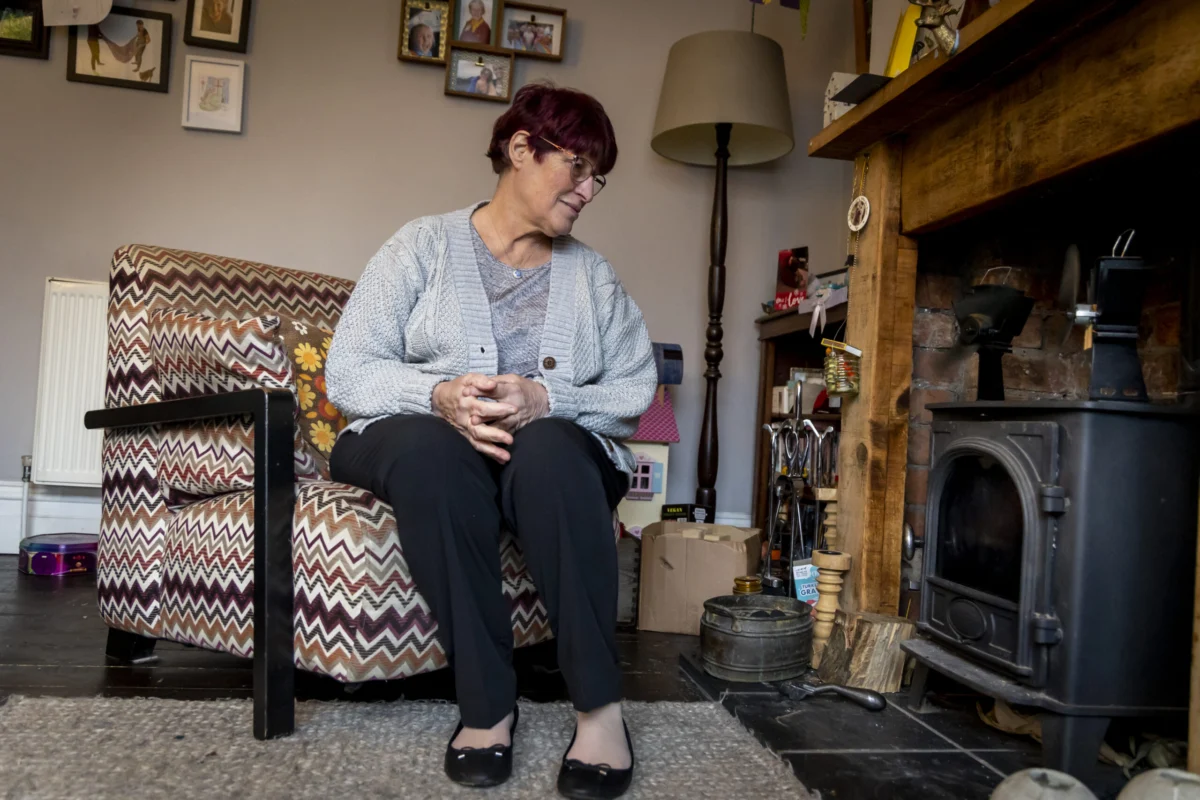
Ireland is standing at a demographic crossroads that will fundamentally reshape its social, economic, and political landscape over the next two decades, yet the nation’s political leadership remains largely unprepared for this transition. According to a stark warning issued by Age Action, the leading advocacy organization for older people in Ireland, the country is facing a "demographic transition" that requires immediate and radical policy shifts. Dr. Nat O’Connor, Senior Policy Adviser at Age Action, has highlighted that while the population of those aged 60 and older is set to swell by hundreds of thousands in the coming years, political manifestos for the 2025–2029 government term lack the comprehensive planning necessary to meet the burgeoning needs of an ageing society.
The scale of the shift is significant. Currently, there are over 1.1 million people in Ireland aged 60 or older. Projections indicate that during the lifetime of the next government (2025–2029), this demographic will increase by an additional 135,000 people. Within that group, the number of individuals aged 80 and older—who often require more intensive health and social care supports—will grow by 47,000. Looking further ahead to 2044, the statistics become even more daunting: Ireland will have 757,000 more people aged 60 and older than it does today, including an additional 252,000 people aged 80 and older.
The Demographic Reality and Political Inertia
The Central Statistics Office (CSO) has long signaled this trend, noting that Ireland is transitioning from a historically "young" European nation to one with a profile more consistent with its continental neighbors. Despite these long-term projections, Age Action argues that the political system is failing to react with the necessary urgency. Building hospitals, training specialized geriatricians, and developing integrated community care systems are projects that require decades of planning and consistent investment. However, current political cycles often prioritize short-term gains over the long-term infrastructure required for an ageing population.
Dr. O’Connor noted that while ageing is mentioned in the manifestos of various political parties, these mentions are often superficial and lack a cohesive, "all-of-government" approach. The absence of a centralized strategy means that different departments—such as Health, Housing, Social Protection, and Transport—often operate in silos, leading to fragmented services that fail to support older persons holistically.
The Call for an Independent Commissioner
One of the central demands from Age Action is the establishment of a Commissioner for Ageing and Older Persons. This office would be modeled after successful precedents in Northern Ireland and Wales. The proposed Commissioner would be an independent body with its own budget and legal framework, tasked with ensuring that the rights of older people are protected and that government policy remains focused on the demographic transition.
Advocates argue that older people often feel "left out and ignored" in the current political process. An independent Commissioner would serve as a high-level watchdog, scrutinizing legislation through an age-friendly lens and providing a dedicated voice for a demographic that is frequently marginalized in policy discussions. This office would bridge the current gap in the state apparatus, where no single entity is responsible for the overarching welfare and strategic planning for older citizens.
Economic Security and Pension Reform
The economic vulnerability of older persons has been exacerbated by the recent cost-of-living crisis. Inflation has significantly eroded the purchasing power of the State Pension, leaving many older people living near or below the poverty line. Unlike the working-age population, many retirees have no means of increasing their income to offset rising costs for essentials like heating and groceries.
To combat this, Age Action is calling for the State Pension to be legally benchmarked and indexed. Specifically, they propose that the pension rate should be set at a minimum of 34% of total average earnings. This mechanism, already common in several other European social democracies, would provide certainty and dignity to retirees, ensuring that their standard of living does not decline relative to the rest of society. The current system of "discretionary" increases in the annual budget leaves older people in a state of perpetual financial uncertainty, a situation Age Action describes as a failure of the state’s social contract.
Rethinking Employment and Retirement
As life expectancy increases and health outcomes improve, the traditional concept of retirement at 65 is becoming increasingly obsolete. Age Action has identified mandatory retirement as a "prevalent ageist practice" that should be abolished. Currently, many employment contracts in Ireland force workers to retire at 65, even if they are willing and able to continue working.
Abolishing mandatory retirement would not only support the financial independence of older persons but also retain valuable experience within the workforce. This move is seen as a vital step toward eliminating legally permitted age discrimination. By allowing individuals to remain in or re-enter the workforce on their own terms, the state can foster a more inclusive economy that values contributions regardless of age.
Healthcare, Housing, and the Digital Divide
The "ten asks" presented by Age Action for the upcoming general election cover a broad spectrum of social issues, ranging from healthcare to digital inclusion.
- Universal Healthcare: The organization is calling for a fully universal, tax-funded healthcare system that is free at the point of use. This aligns with the goals of Sláintecare, Ireland’s long-term health reform plan, which has faced delays in implementation.
- Ageing in Place: There is a significant push for policies that allow people to age in their own homes and communities. This requires the enforcement of "universal design" principles for all new housing builds and specific protections for older renters, who are increasingly vulnerable in Ireland’s volatile housing market.
- The Digital Divide: As more public and private services move to "digital only" platforms, a significant portion of the older population is being excluded. Age Action demands a prohibition on "digital only" essential services, ensuring that traditional telephone and desk services remain adequately resourced.
- Energy Justice: Older people living in poorly insulated homes are at high risk of energy poverty. The proposed "Energy Guarantee for Older Persons" would provide targeted financial support to ensure that no older person has to choose between heating and eating, particularly as the state transitions toward a greener economy.
International Context and Human Rights
Ireland’s domestic challenges are mirrored by a global movement to recognize the specific rights of older persons. Age Action is urging the Irish government to support the introduction of a United Nations Convention on the Rights of Older Persons. Currently, there is no dedicated international human rights instrument for older people, leaving gaps in how states are held accountable for age-based discrimination and neglect.
By championing such a convention, Ireland could take a leadership role on the global stage, advocating for a rights-based approach to ageing. This would move the conversation away from viewing older people as "burdens" on the healthcare system and instead recognize them as active, rights-bearing members of society.
Conclusion: A Call for Political Courage
The data presented by Dr. Nat O’Connor and Age Action serves as a roadmap for the next administration. With a multi-party government likely to emerge from the 2025 election, the organization is calling for a cross-party commitment to a new, all-of-government ageing strategy.
The demographic transition is not a distant threat but a current reality. The choices made by the next government will determine whether Ireland becomes a world leader in age-friendly policy or whether it faces a protracted crisis of care and poverty among its most senior citizens. As the election campaign intensifies, the pressure is on political leaders to move beyond rhetoric and commit to the structural reforms—such as pension indexing and the appointment of a Commissioner—that will ensure every citizen can age with dignity, security, and respect.
The window for proactive planning is narrowing. With 135,000 more people over 60 expected by 2029, the time for "business as usual" in Irish social policy has passed. The "Silver Tsunami," as it is often colloquially termed, does not have to be a disaster; with the right legislative framework, it can be a period of profound social enrichment. However, as Age Action warns, that enrichment depends entirely on the political will to act now.