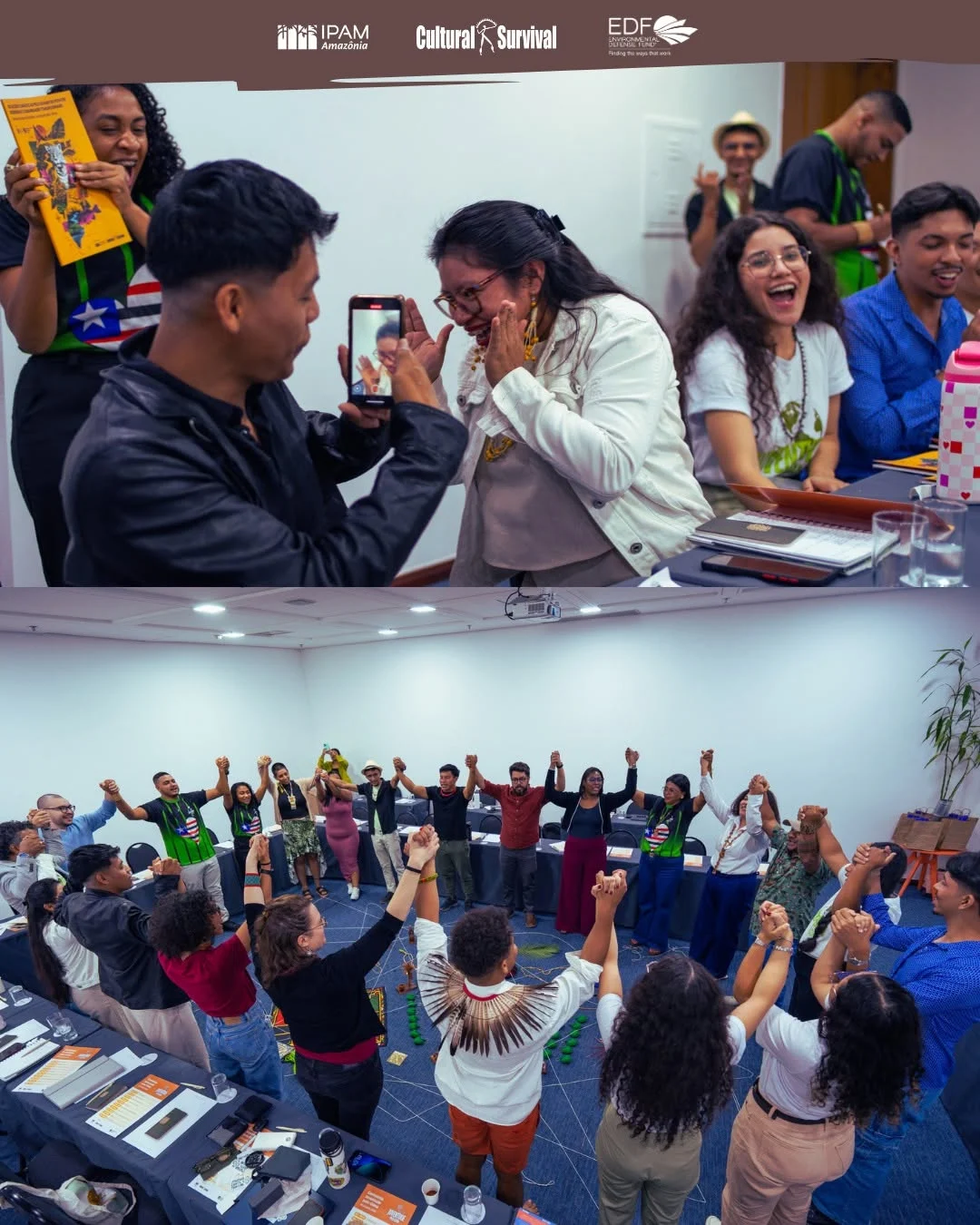
The urgent need for comprehensive knowledge to confront the escalating climate crisis extends beyond scientific measurements of environmental degradation. A fundamental shift in understanding is required, one that actively integrates the profound Indigenous, Quilombola, and traditional wisdom accumulated over centuries by peoples who have served as stewards of our planet. This ancestral knowledge is not merely a supplementary resource to Western climate science; it represents living systems for generating solutions, interpreting Earth’s intricate signals, safeguarding vital ecosystems, and forging collective pathways toward a sustainable future. The "Youth for Climate" program, a pioneering initiative, has powerfully demonstrated the transformative potential of this ancient wisdom when amplified by collective action, cross-territorial communication, and empowered youth leadership.
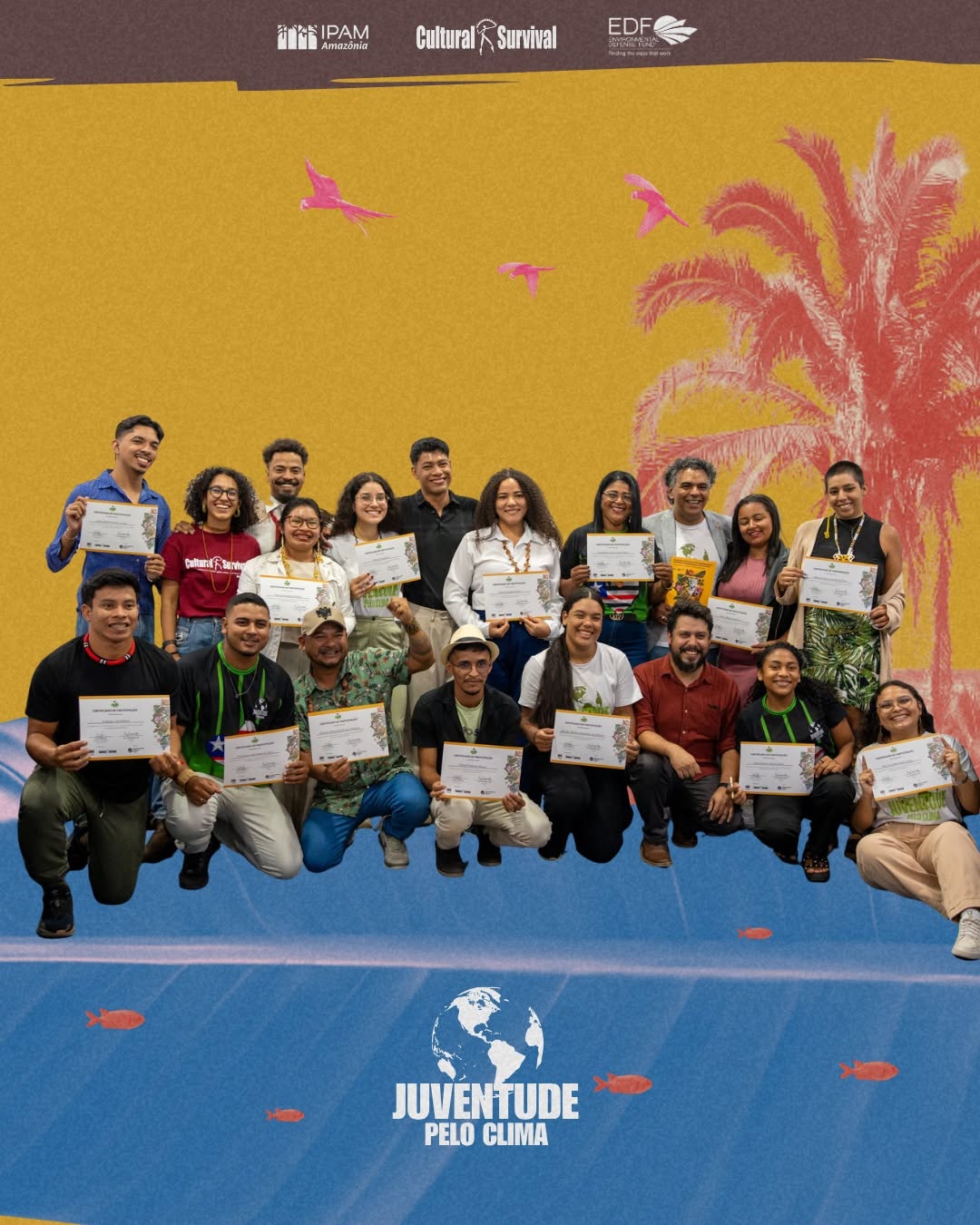
This groundbreaking capacity-building program, a testament to a strategic partnership between Cultural Survival and the Amazon Environmental Research Institute (IPAM), engaged 18 young leaders from diverse Indigenous, Quilombola, and traditional communities across the vast Amazon region. Over an intensive eighteen-month period, these dynamic participants delved deeply into the multifaceted impacts of climate change on their ancestral territories. Crucially, they explored how their communities’ time-honored technologies, deeply ingrained knowledge systems, and sustainable practices could offer effective strategies for mitigating the climate crisis and adapting to its unavoidable consequences. This initiative underscores a growing global recognition that effective climate action must be rooted in a diverse tapestry of knowledge, valuing both scientific rigor and the invaluable insights of frontline communities.
The Genesis and Structure of the Youth for Climate Program
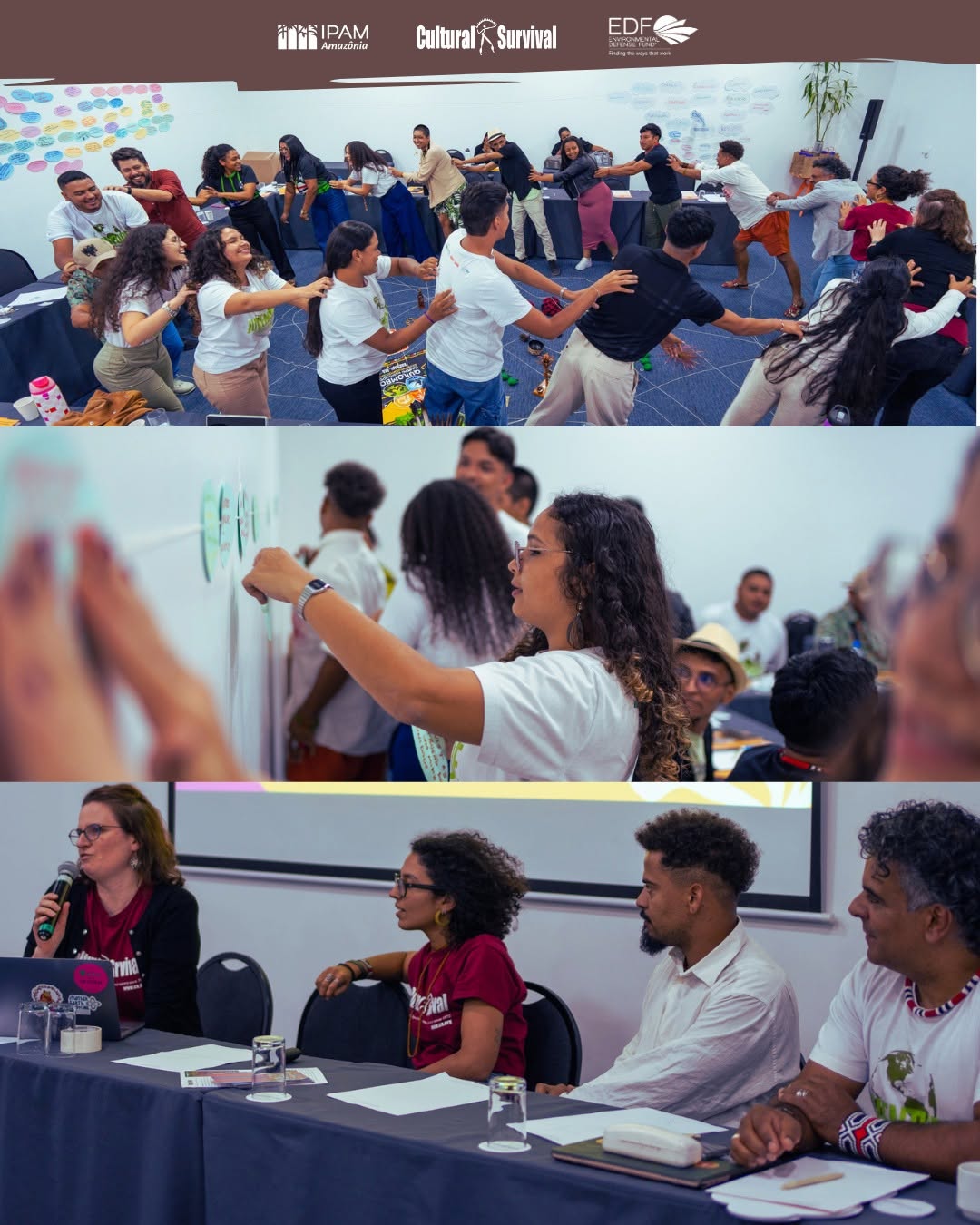
The "Youth for Climate" initiative was meticulously designed to foster a new generation of climate advocates equipped with both traditional ecological knowledge and modern communication and project management skills. The program’s initial phase encompassed over thirty intensive weekly online sessions, complemented by a pivotal in-person gathering. This comprehensive approach facilitated the development of a robust training curriculum that artfully blended scientific understanding with the practical wisdom of Indigenous peoples, Quilombola communities, and traditional forest dwellers. The curriculum was designed to be participatory, encouraging participants to share their unique experiences and knowledge.
A core component of this phase involved each of the 18 participants developing a detailed Climate Adaptation Plan tailored to the specific needs and vulnerabilities of their respective territories. This hands-on exercise provided invaluable practical experience in identifying climate risks, proposing community-based solutions, and outlining implementation strategies. Furthermore, to amplify the reach and impact of their work, participants were guided through the process of producing short documentary films, visually capturing their planning processes, the challenges they faced, and their innovative solutions. These films serve as powerful narratives, bringing the realities of climate change in the Amazon to a wider audience and showcasing the ingenuity of its inhabitants.
Empowering Youth for Action and Advocacy
Beyond theoretical knowledge and practical planning, the "Youth for Climate" program was strategically focused on equipping these young leaders with tangible skills for sustained action and advocacy. Participants received comprehensive training in resource mobilization, covering the entire spectrum from conceptualizing innovative ideas and drafting compelling concept notes to designing detailed project proposals, managing budgets, and developing effective communication materials for outreach and public engagement. This holistic approach ensures that the participants are not only knowledgeable but also capable of transforming their visions into actionable projects.
The success of this empowerment strategy is already evident. Several participants have successfully secured funding for their initiatives, enabling them to implement crucial climate adaptation and mitigation projects within their local communities. These projects range from sustainable agriculture and reforestation efforts to initiatives focused on water resource management and the protection of biodiversity, all guided by traditional knowledge and adapted to contemporary challenges. This direct impact demonstrates the program’s efficacy in translating learning into tangible positive change on the ground.
Amplifying Voices: The Youth for Climate Webinar Series
To further disseminate the knowledge and experiences gained through the program, and to foster broader dialogue and solidarity, the 18 young leaders from Indigenous, Quilombola, and traditional communities took center stage in a series of webinars held between March and April 2026. Hosted on Cultural Survival’s communication channels, this webinar series was conceived as a platform to celebrate, promote, and draw international attention to the impactful initiatives and forward-thinking visions of these young individuals and their communities. The series comprised three dynamic, interactive sessions, each featuring esteemed international guests and incorporating compelling testimonials from diverse peoples both within Brazil and from other nations.
The structure of these webinars reflected a holistic approach to climate issues, deeply aligned with traditional worldviews. They were organized around three fundamental themes: fire, water, and biodiversity. This thematic organization allowed for in-depth exploration of interconnected environmental challenges and the traditional knowledge systems that address them. The exchanges and connections fostered during these enriching gatherings served to reinforce a critical understanding: that struggles for territorial rights are globally interconnected, and that young people are increasingly recognized as active agents of change, rightfully occupying spaces of decision-making and communication.
The Interconnectedness of Territorial Rights and Global Futures
A central message that resonated throughout the webinar series was the undeniable link between the preservation of forests, water, and biodiversity, and the imperative protection of traditional territories and their inhabitants. The speakers consistently emphasized that safeguarding these ancestral lands is not merely an environmental issue; it is a fundamental prerequisite for ensuring the continuity of life itself. The concept of "living territories" – lands that are intrinsically linked to the cultural, spiritual, and physical well-being of their people – emerged as a cornerstone of the discussions. These living territories are not just historical remnants but are essential for constructing viable and resilient futures. Consequently, defending them is framed as an urgent and collective responsibility, transcending geographical boundaries.
The implications of this perspective are profound. It challenges the often-fragmented approach to environmental policy by highlighting how the dispossession and degradation of Indigenous and traditional lands have direct and cascading consequences for global climate stability. The webinars underscored that by protecting these territories, humanity simultaneously protects invaluable carbon sinks, vital biodiversity hotspots, and crucial freshwater sources. This interconnectedness demands a paradigm shift in how we approach conservation and climate action, moving away from top-down mandates towards a recognition of the rights and knowledge of those who have historically managed these vital ecosystems most effectively.
A Culmination of Collaboration and Vision
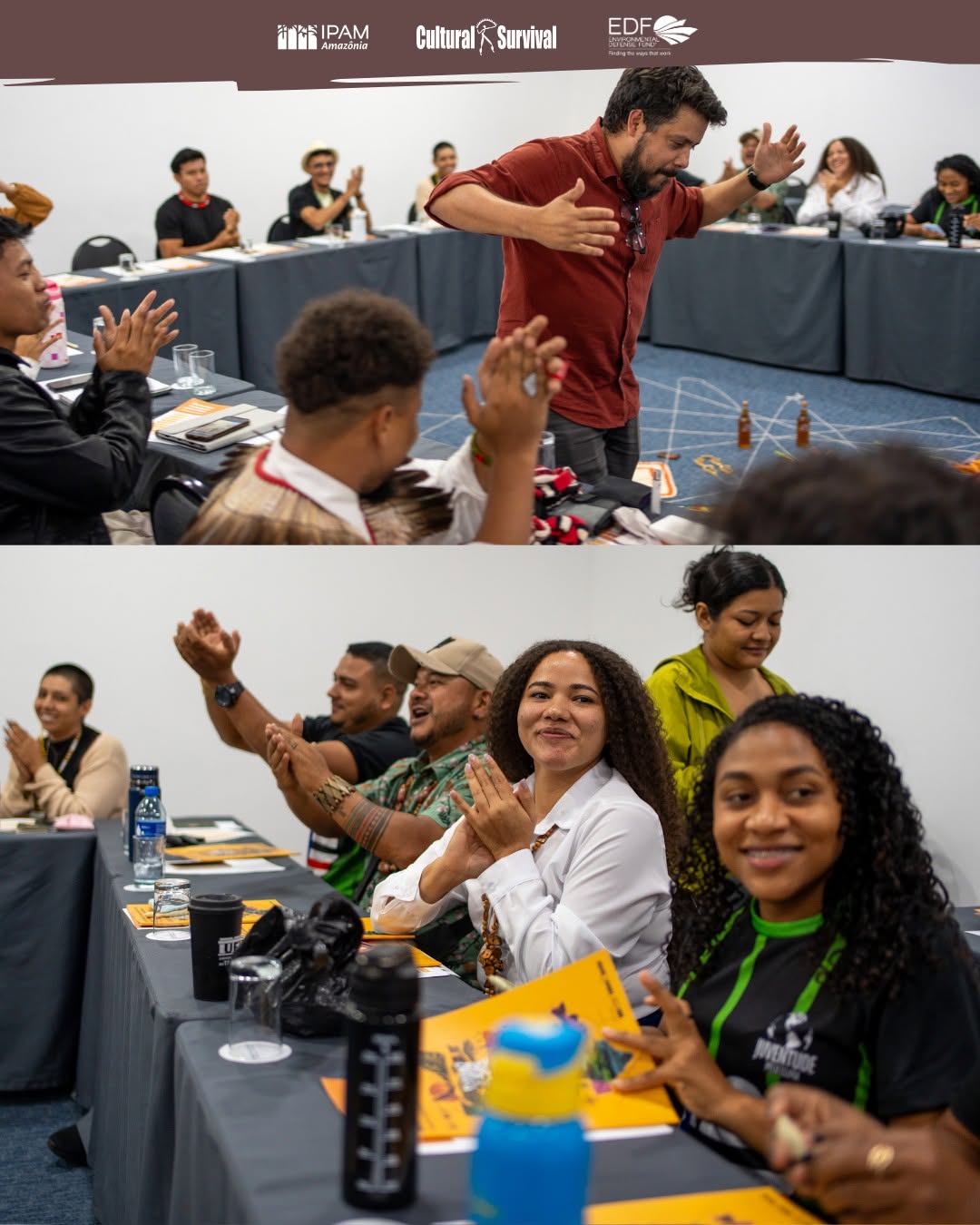
The "Youth for Climate" program culminated in a significant in-person event held in Brasília on June 5, 2026. This gathering brought together the 18 young leaders, who had collaborated closely for over a year, alongside representatives from Cultural Survival and IPAM, as well as esteemed partners from other organizations and a delegation from a United Nations agency. This convergence of stakeholders further solidified the burgeoning network of young people, their territories, and the shared vision for possible futures. The event served as a powerful affirmation of the program’s success and a platform for planning future collaborations.
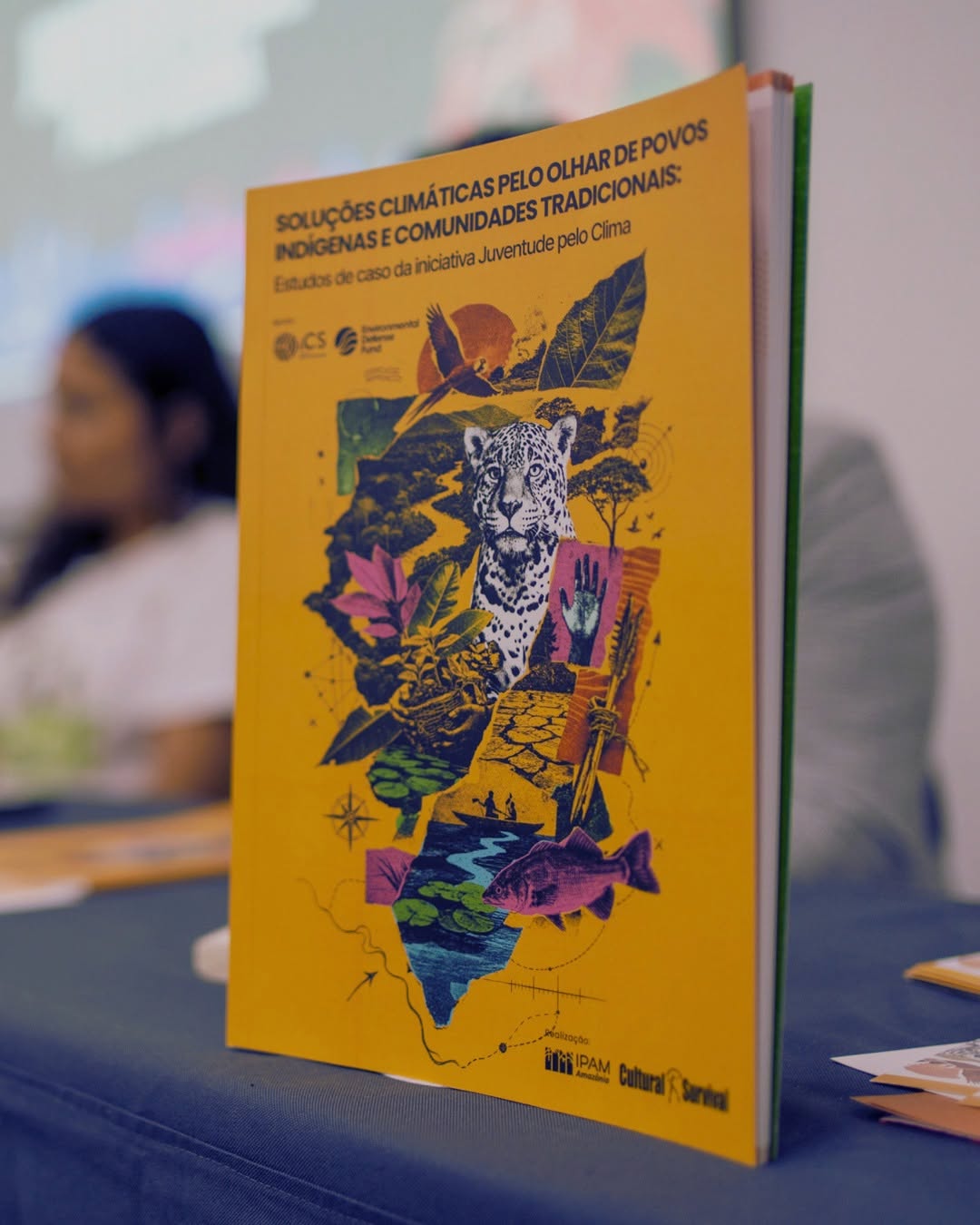
A significant highlight of the closing event was the official launch of the book, "Climate Solutions Through the Eyes of Indigenous Peoples and Traditional Communities: Case Studies from the Youth for Climate Initiative." Produced with crucial support from the Climate and Society Institute (iCS) and the Environmental Defense Fund (EDF), this publication serves as a comprehensive summary and lasting testament to the program’s achievements. It represents a profound collaboration between the IPAM and Cultural Survival teams, working in close partnership with the 18 youth participants, whose insights and experiences form the heart of the book. The book offers a rich repository of case studies, detailing innovative climate solutions rooted in ancestral wisdom and community action.
The closing remarks and the book launch echoed sentiments expressed by prominent Indigenous thinkers and leaders. The words of Ailton Krenak, who posits that "the Future is Ancestral," resonate deeply, suggesting a cyclical understanding of time and existence where the past continuously informs and shapes what is to come. This perspective aligns with the philosophy of Nego Bispo, a respected Quilombola leader, who eloquently states, "There is a beginning, an end, and then a new beginning." This cyclical view instills a sense of continuity and enduring relevance in the face of challenges. With this hopeful and enthusiastic outlook, the organizers are actively seeking new partners to replicate the successful "Youth for Climate" model in other regions of Brazil and on a global scale, recognizing that endings are intrinsically linked to new beginnings.
The enduring legacy of figures like Chico Mendes, a champion of the Amazonian rainforest, was also invoked. His powerful reminder that "At first, I thought I was fighting to save rubber trees… Now, I realize I am fighting for humanity" encapsulates the expanded vision that emerges from engaging with the climate crisis. The "Youth for Climate" initiative, by fostering solidarity and shared purpose, inspires a similar realization: that local actions, rooted in the defense of specific territories and cultures, have far-reaching implications for the well-being of all humanity. With hearts full of inspiration and a renewed sense of purpose, the program’s participants and organizers are committed to planting seeds of dreams, nurturing memory, and cultivating the future. They celebrate the present moment while honoring the past, weaving intricate networks of solidarity, affection, and resistance that are essential for navigating the complex challenges of the 21st century.
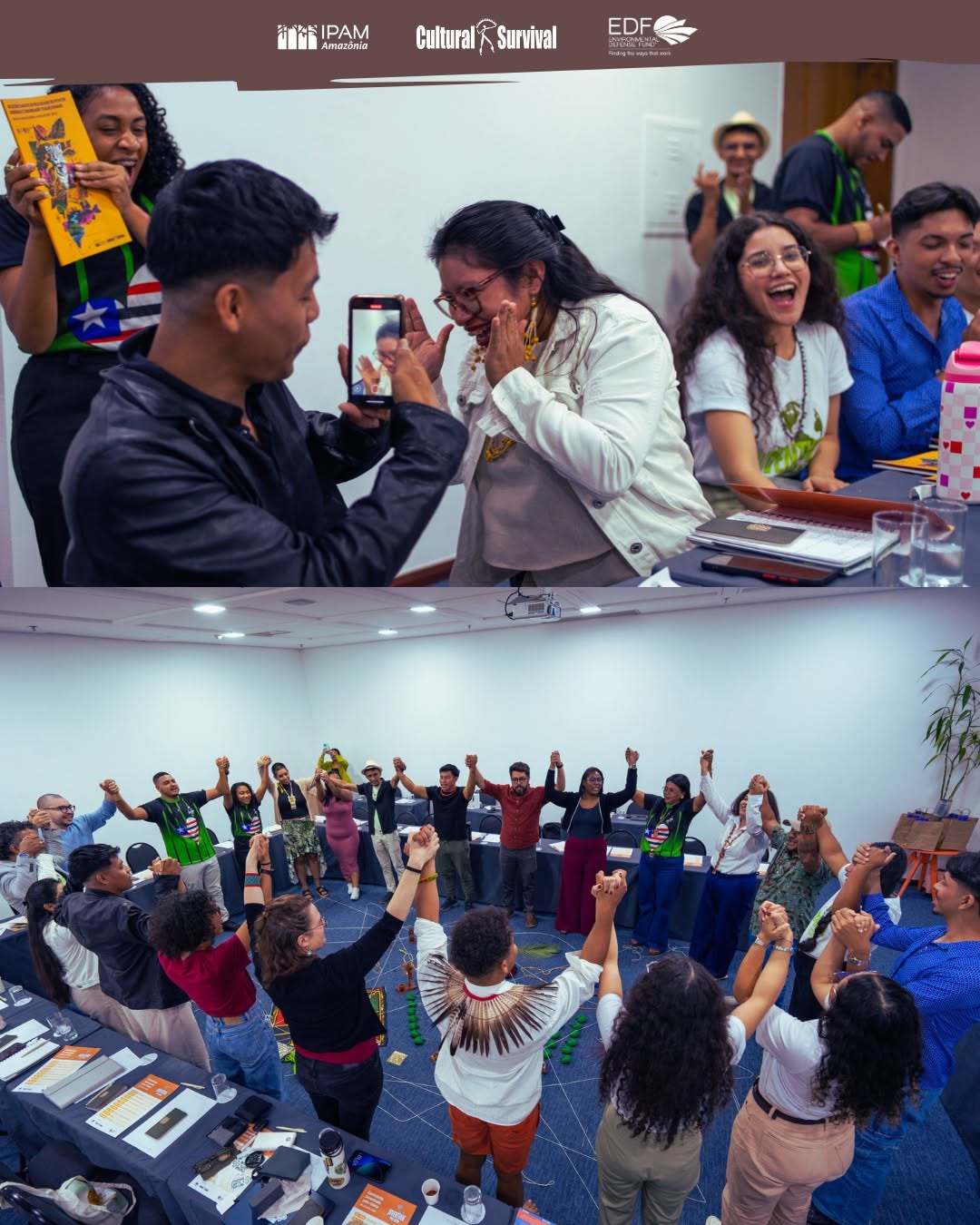
The program’s success is attributed to the collective efforts of numerous individuals and organizations, including the 18 "Youth for Climate" participants: Ana Julia Machado, Angagu Lua Kuikuro, Brenda de Alencar, Breno Amajunepâ, Cinelândia Souza, Daiane Felipe, Fernando Neves, Keila Câmera, Luano Guerreiro, Lucas Cunha, Maicon Nicacio Rocha, Newiwe Topâ Tiro, Railson Kokama Pereira, Rilary Borari, Safira Ribeiro, Vera Yeâpa Mahsâ, Rafael Pedroso Moura, and Rotokwyi Airomkenti. Their dedication and insights were pivotal. Significant contributions were also made by Ray Pinheiro from IPAM, and Carmem Cazaubon, Edson Krenak, and Djalma Ramalho Araûna Caboclo from Cultural Survival. Further support during the initial phase was provided by Martha Fellows and Paula Carolina of IPAM, underscoring the collaborative spirit that defined this impactful initiative. The program’s expansion and replication efforts are expected to build upon this strong foundation of partnership and shared commitment to a sustainable future.