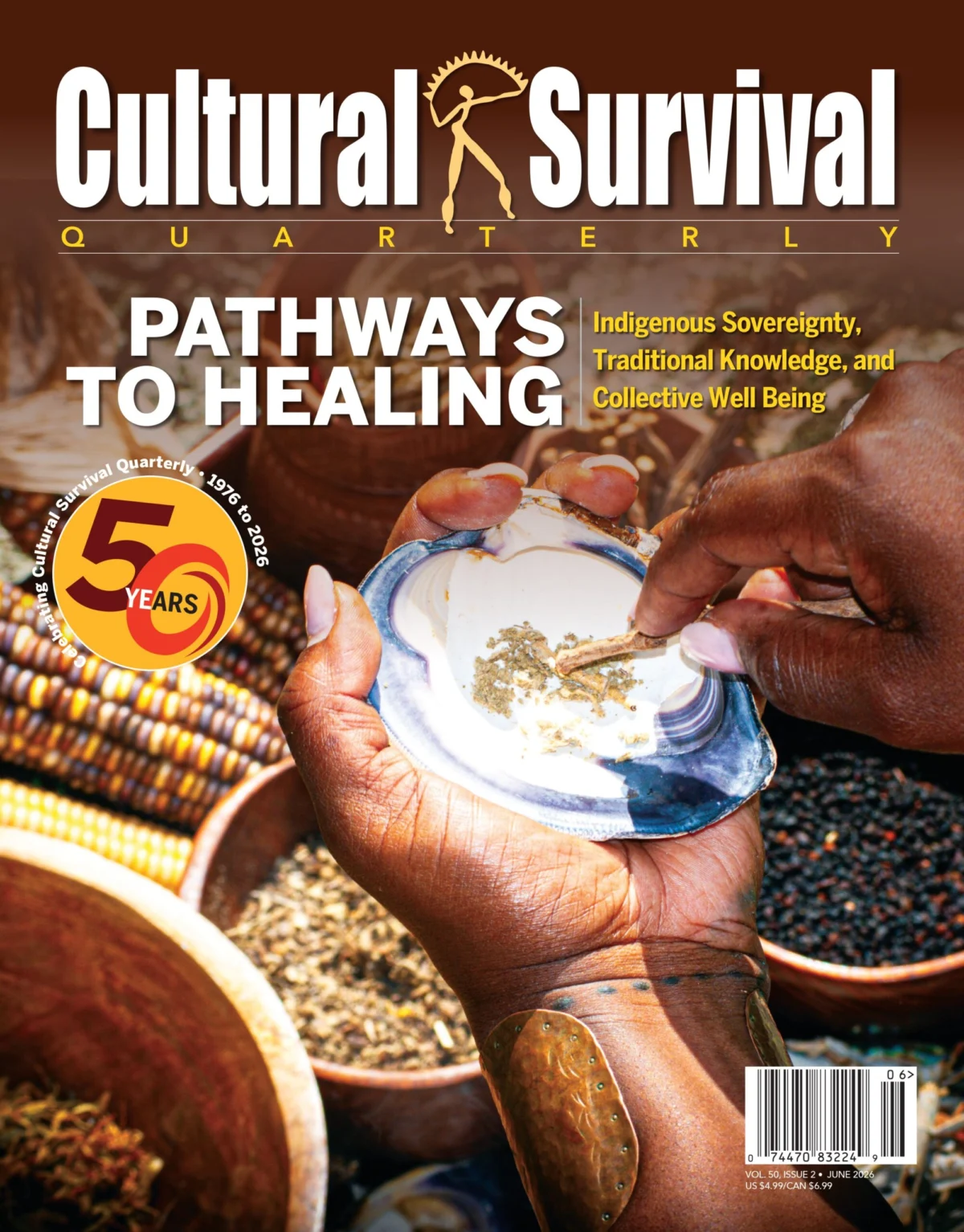
In a landmark evolution of global health discourse, a transformative approach known as the Indigenous Determinants of Health (IDH) Framework is reshaping how international bodies, governments, and institutions understand and address the well-being of Indigenous Peoples. Emerging from a growing recognition of Indigenous Peoples’ central role in biodiversity conservation, climate resilience, and overall planetary health, the IDH Framework offers a culturally grounded, rights-based paradigm that moves beyond conventional health indicators to embrace a holistic vision of wellness intrinsically linked to land, culture, governance, and self-determination.
Genesis of a New Framework
The impetus for the IDH Framework stems from a persistent and recognized gap between the acknowledged importance of Indigenous Peoples in global sustainability efforts and the conceptual tools available to policy-makers and practitioners. For years, international health and environmental organizations have lauded Indigenous leadership in preserving biodiversity and fostering climate resilience. However, the prevailing frameworks often failed to adequately capture the unique worldviews and comprehensive understandings of health held by Indigenous communities. These traditional perspectives often encompass not just individual physical and mental health, but also the spiritual, environmental, and social fabric of their existence, deeply intertwined with ancestral lands and cultural continuity.
The United Nations Permanent Forum on Indigenous Issues (UNPFII) has been instrumental in championing this paradigm shift. The 2023 unveiling of the IDH Framework, accompanied by the seminal report "Indigenous Determinants of Health in the 2030 Agenda for Sustainable Development," marked a pivotal moment. This report boldly asserted "Indigeneity" as an overarching determinant of health, encompassing 33 distinct risk and protective factors specifically impacting Indigenous Peoples. This assertion fundamentally challenged the prevailing notion that health is solely defined by access to healthcare services. Instead, it established that the integrity of relationships among Indigenous Peoples, their lands, their governance systems, and their knowledge systems are paramount to their well-being. Crucially, the report positioned self-determination as a primary determinant of health, signaling a critical shift from a narrative of vulnerability to one centered on inherent rights.
Expanding the Vision: Operationalizing Indigenous Health
The momentum generated in 2023 continued to build with the release of the 2024 study, "Improving the Health and Wellness of Indigenous Peoples Globally: Operationalization of Indigenous Determinants of Health." This comprehensive study significantly expanded upon the foundational principles, reinforcing the interconnectedness of Indigenous worldviews with all aspects of life and Mother Earth. It moved beyond theoretical articulation to offer concrete, structural, and operational guidance. This guidance is explicitly designed to equip UN entities, member states, and other institutions with the practical tools needed to implement the IDH Framework in policy and practice.
The 2024 report outlines the necessary institutional transformations. This includes a fundamental recognition of Indigenous Peoples as rights-holders, the embedding of Free, Prior, and Informed Consent (FPIC) in decision-making processes, ensuring meaningful representation of Indigenous voices in all relevant forums, and the development of organizational policies and procedures that actively support Indigenous-led approaches. This emphasis on operationalization signifies a commitment to translating recognition into tangible action and systemic change.
Towards Accountability: Measurement and Evaluation
Building on the operational guidance, the 2025 study, "Evaluating Institutional Structures to Improve the Health and Wellness of Indigenous Peoples Globally: The Indigenous Determinants of Health Measurement Instrument," introduced a critical evaluative component. This study unveiled the IDH Evaluation Instrument, a sophisticated tool designed to assess how effectively institutions are addressing Indigenous health risks and protective factors. Crucially, it also evaluates an institution’s capacity to uphold Indigenous rights in practice. The instrument expands the scope of evaluation to encompass governance, environmental stewardship, and community well-being, offering a scorecard to support culturally safe, rights-based approaches and foster institutional accountability.
This multi-year progression of studies sponsored by the UN Permanent Forum on Indigenous Issues highlights a strategic and sustained effort to embed the IDH Framework into the global health architecture. In 2023, 2024, and 2025, the UNPFII put forth targeted recommendations urging member states and UN agencies to adopt the concept of Indigeneity, the IDH Framework, and its evaluation instrument. These recommendations explicitly aim to advance Indigenous rights, promote peace, and support Indigenous-led environmental governance and global justice initiatives.
Global Endorsement and Systemic Integration
The significance of the IDH Framework has not gone unnoticed by major global health organizations. Following a 2023 World Health Organization (WHO) Executive Board recommendation to recognize Indigeneity as a determinant of health, the WHO Report on the Social Determinants of Health Equity, released in 2025, officially acknowledged Indigeneity and the specific determinants of health impacting Indigenous Peoples. This landmark recognition aligns with the IDH Framework’s core principle that Indigenous health is holistic, extending beyond clinical settings to encompass the environment and the health of Mother Earth. This broadens the understanding of health to include spiritual, environmental, physical, and mental dimensions, often viewed as a collective right rather than solely an individual one.
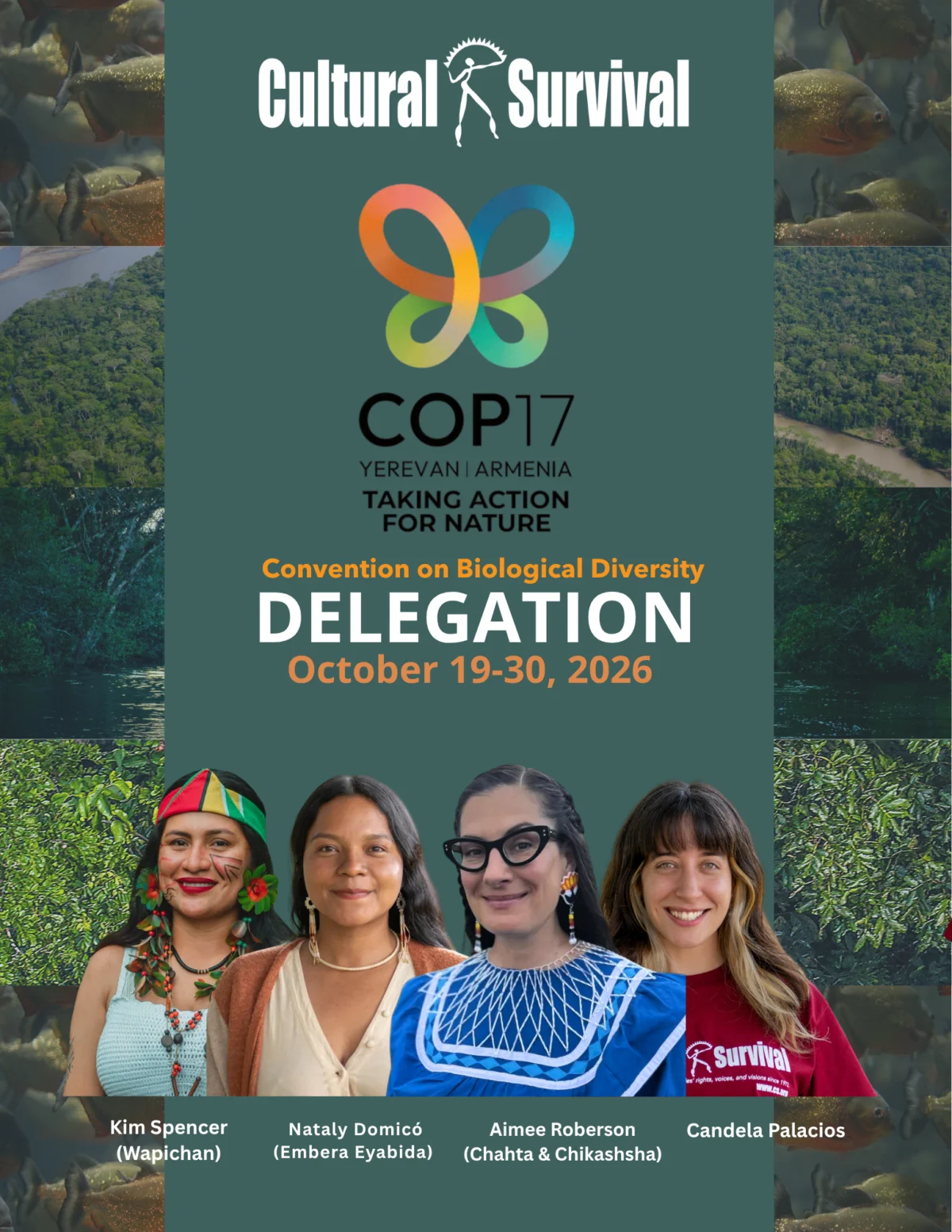
The impact of the IDH Framework extends to critical areas of global biodiversity conservation. In 2024, the UN Convention on Biological Diversity (CBD) issued Decision 16/19, which officially references the IDH Framework as part of its Global Plan of Action on Biodiversity and Health. This integration signifies a crucial acknowledgment that the health of ecosystems and the health of Indigenous Peoples are inextricably linked. The implementation of the IDH Framework across UN agencies provides a comprehensive platform for Indigenous Peoples to articulate and advance their local needs through a framework that respects, fosters, and protects their rights in all spheres of life.
Indigenous Midwifery: A Case Study in Holistic Health
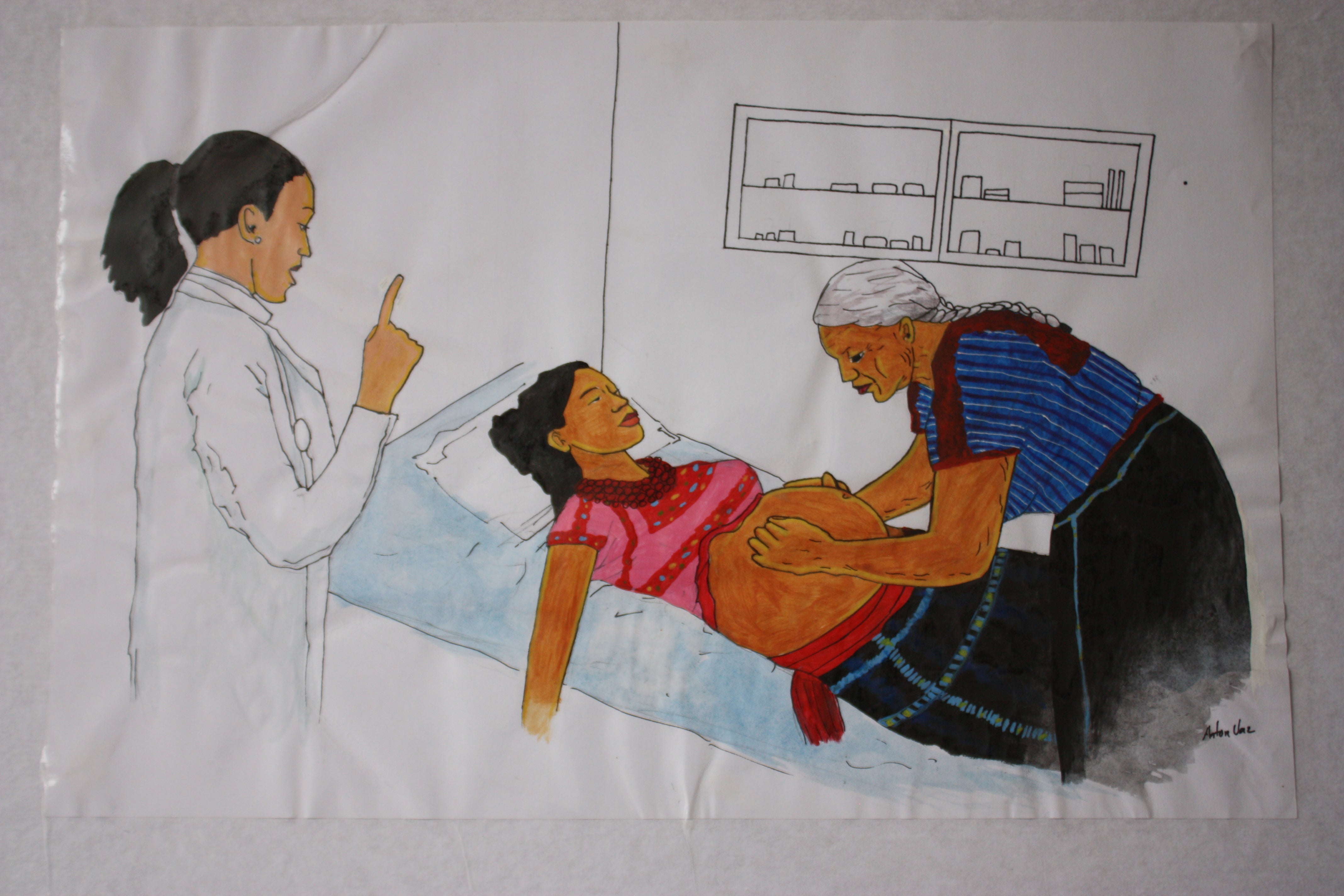
The practical relevance and transformative potential of the IDH Framework are vividly illustrated through the lens of Indigenous midwifery. Unlike a purely biomedical understanding of childbirth as a clinical event, Indigenous midwifery is recognized as a profound system of health. It is deeply rooted in the interconnectedness of people, land, knowledge, and spirituality. Indigenous midwives serve not only as caregivers but as vital knowledge holders and community leaders, guiding not only the birthing process but also the seamless integration of new life into cultural, territorial, and spiritual systems. This embodies a core tenet of the IDH Framework: that health is relational, intergenerational, and fundamentally grounded in Indigenous governance and knowledge systems.
The practices of Indigenous midwifery are intrinsically tied to specific territories and local ecosystems. Births are supported through culturally specific practices that draw upon local medicinal plants, traditional foods, and environmental conditions unique to each region. This demonstrates an unassailable truth highlighted by the IDH Framework: that human health is inseparable from the health of the land, biodiversity, and the enduring strength of traditional knowledge systems. The IDH Framework’s emphasis on intergenerational wisdom, traditional healing practices, and community resilience further underscores the enduring value of these practices.
Addressing Systemic Barriers and Fostering Resilience
Despite the profound value and proven efficacy of Indigenous midwifery, practitioners often face significant systemic barriers. These challenges reflect broader structural inequities, including the persistent lack of recognition for Indigenous governance systems, traditional knowledge, and inherent rights. Ancestral knowledge is frequently subordinated and devalued by policies that relegate Indigenous midwifery to an auxiliary role within biomedical frameworks, thereby denying its autonomous and holistic character. Processes of professionalization and certification, often presented under the guise of ensuring safety or promoting "inter-culturality," can inadvertently regulate and reshape Indigenous midwifery to conform to external, Western-centric standards. In some distressing instances, these vital ancestral practices have even faced criminalization.
However, Indigenous midwifery has consistently demonstrated remarkable resilience. During public health crises and in remote regions with limited access to biomedical services, Indigenous midwives frequently serve as primary providers of care, sustaining community health through culturally grounded practices. Their work serves as irrefutable evidence that Indigenous health systems are not peripheral or supplementary, but rather fully functioning, autonomous systems of care that extend far beyond clinical settings.
The IDH Framework plays a crucial role in making these realities visible and advocating for systemic change. It unequivocally asserts that strengthening Indigenous health requires more than simply improving access to conventional services. It necessitates the recognition, protection, and active support of Indigenous systems of care, including midwifery, as autonomous, rights-based systems that are fundamental to the well-being of their communities. The framework affirms that safeguarding Indigenous Knowledge, governance structures, and the profound relationships to land is not merely a matter of cultural preservation, but an essential strategy for sustaining health across generations.
Implications for Global Governance and Justice
The overarching implication of the IDH Framework is a fundamental redefinition of the system of analysis required for global health and development initiatives. It moves beyond mere output-based metrics to demand accountability for rights, governance, and relational integrity. The 2026 IDH study, "Restoring Indigenous Health by Connecting Systems Through the Indigenous Determinants of Health: Local to Global Evidence," further emphasizes this by demonstrating how Indigenous health serves as a crucial "systems integrator" and a diagnostic indicator of outcomes across diverse sectors. In essence, Indigenous health becomes a barometer for the integrity of policies affecting land, environment, governance, culture, and knowledge systems, directly reflecting how decisions in these areas shape Indigenous well-being.
The ongoing development and adoption of the IDH Framework represent a significant step toward achieving global justice and genuine sustainability. By centering Indigenous perspectives and rights, the framework offers a pathway to more equitable, effective, and culturally appropriate solutions to the complex health and environmental challenges of our time. It underscores that the health of Indigenous Peoples is intrinsically linked to the health of the planet, and that their traditional knowledge and leadership are indispensable assets in forging a more sustainable and just future for all.
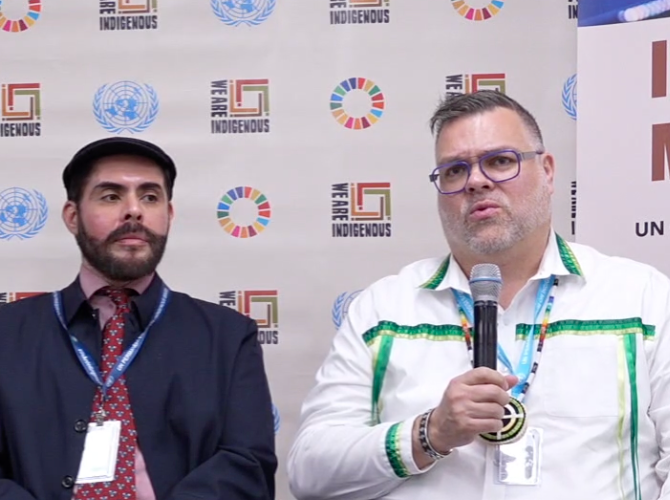
The Indigenous Determinants of Health Alliance, led by figures like Geoffrey Roth, Dora-Lucia Mendez-Alfonzo, and Alejandro Bermudez-del-Villar, continues to be a driving force in advocating for the widespread adoption and implementation of this transformative framework. Their collective efforts, alongside the crucial endorsements from UN bodies and the WHO, signal a growing global consensus that true progress in health and sustainability must be built upon the foundation of Indigenous wisdom, rights, and self-determination.
Key Aspects of the WHO-Recognized Indigenous Determinants of Health Framework:
- Core Pillars: Indigeneity as an overarching determinant of health; profound connection to traditional lands, territories, and resources; cultural continuity; language revitalization; and the fundamental right to self-determination.
- Structural Factors: Acknowledgment of the enduring impacts of colonization and systemic racism, and the imperative for Indigenous-led governance within health systems.
- Holistic Wellness: A comprehensive understanding of well-being encompassing spiritual, environmental, physical, and mental dimensions, often conceptualized as a collective rather than purely individual right.
- Environmental Connection: The vital, reciprocal relationship with Mother Earth and the integral role of Indigenous stewardship in the preservation of biodiversity.
- Key Drivers of Health: The indispensable role of intergenerational wisdom, time-tested traditional healing practices, and the inherent resilience of Indigenous communities.