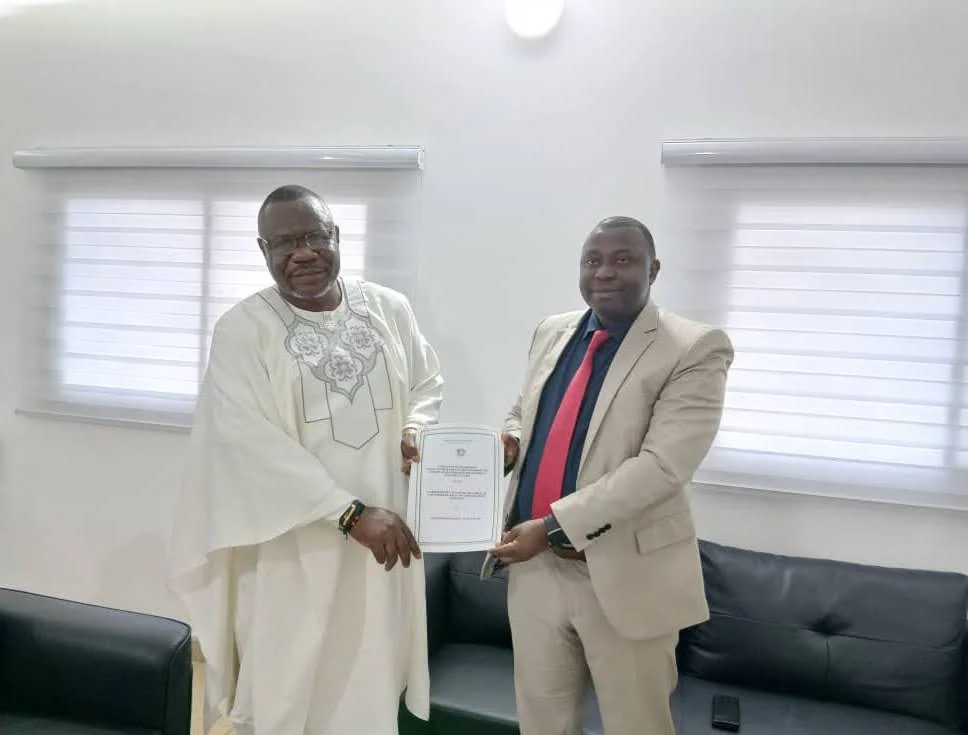
The Government of Mozambique’s National Youth Institute (Instituto Nacional da Juventude – INJ) has officially designated World Education, an initiative of JSI Research & Training Institute, Inc., as the lead technical partner for the Eu Sou Capaz (I Am Capable) Technical Assistance and Training Activity. This significant multi-year award, supported by the World Bank, represents a cornerstone of the broader Empowering Adolescent Girls to Earn and Read (EAGER) strategic vision, which spans Mozambique, Zimbabwe, and Madagascar. The initiative is designed to fortify government-led interventions that confront the complex web of social, economic, and behavioral factors contributing to high school dropout rates among adolescent girls in the region. By providing high-level technical expertise, World Education aims to scale sustainable models that ensure girls not only enroll in school but remain there until completion, equipped with the skills necessary for economic independence.
Strategic Objectives and the EAGER Framework
The Eu Sou Capaz activity is integrated into a larger regional effort by the World Bank to address gender disparities in education and economic participation across East and Southern Africa. The EAGER project acknowledges that the challenges facing girls are multifaceted and cannot be solved through infrastructure alone. Consequently, World Education’s mandate focuses on two primary pillars: enhancing the capacity of the National Youth Institute to manage and implement large-scale social programs and redesigning the delivery of services to be more responsive to the lived realities of young women.
The strategic vision of EAGER is rooted in the understanding that when a girl stays in school, the trajectory of her entire community changes. According to World Bank data, each additional year of secondary education can increase a girl’s future earning potential by up to 20 percent. However, in Mozambique, the transition from primary to secondary school remains a critical juncture where many girls are lost to the system due to early marriage, unintended pregnancy, and the domestic labor burden. The Eu Sou Capaz initiative seeks to disrupt this cycle by creating a supportive ecosystem that values female education.
Addressing the Root Causes of School Attrition
The methodology employed by World Education goes beyond traditional educational support. It utilizes a Social and Behavior Change (SBC) framework combined with Human-Centered Design (HCD) to identify and mitigate the "invisible barriers" to education. These barriers often include deeply entrenched socio-cultural norms that prioritize male education or view early marriage as a financial safety net for impoverished families.
Obert Darara, JSI’s World Education Country Lead in Mozambique, emphasized the necessity of this approach during the project’s launch. "Eu Sou Capaz is about more than access—it is about removing the invisible barriers that stop girls from thriving," Darara stated. "By integrating social and behavior change with human-centered design, we are supporting the National Youth Institute to redesign systems around girls’ realities, ensuring enrollment leads to achievement."
The program addresses gender-based violence (GBV) and the lack of life-skills education, which are often cited as primary reasons for female students leaving the classroom. By fostering community mobilization, the project encourages local leaders, parents, and male peers to become advocates for girls’ rights. Furthermore, the activity provides material support, such as school kits and uniforms, to alleviate the direct costs of education that often prevent the poorest households from sending their daughters to school.
Pilot Implementation and the Community Leader Mapping Tool
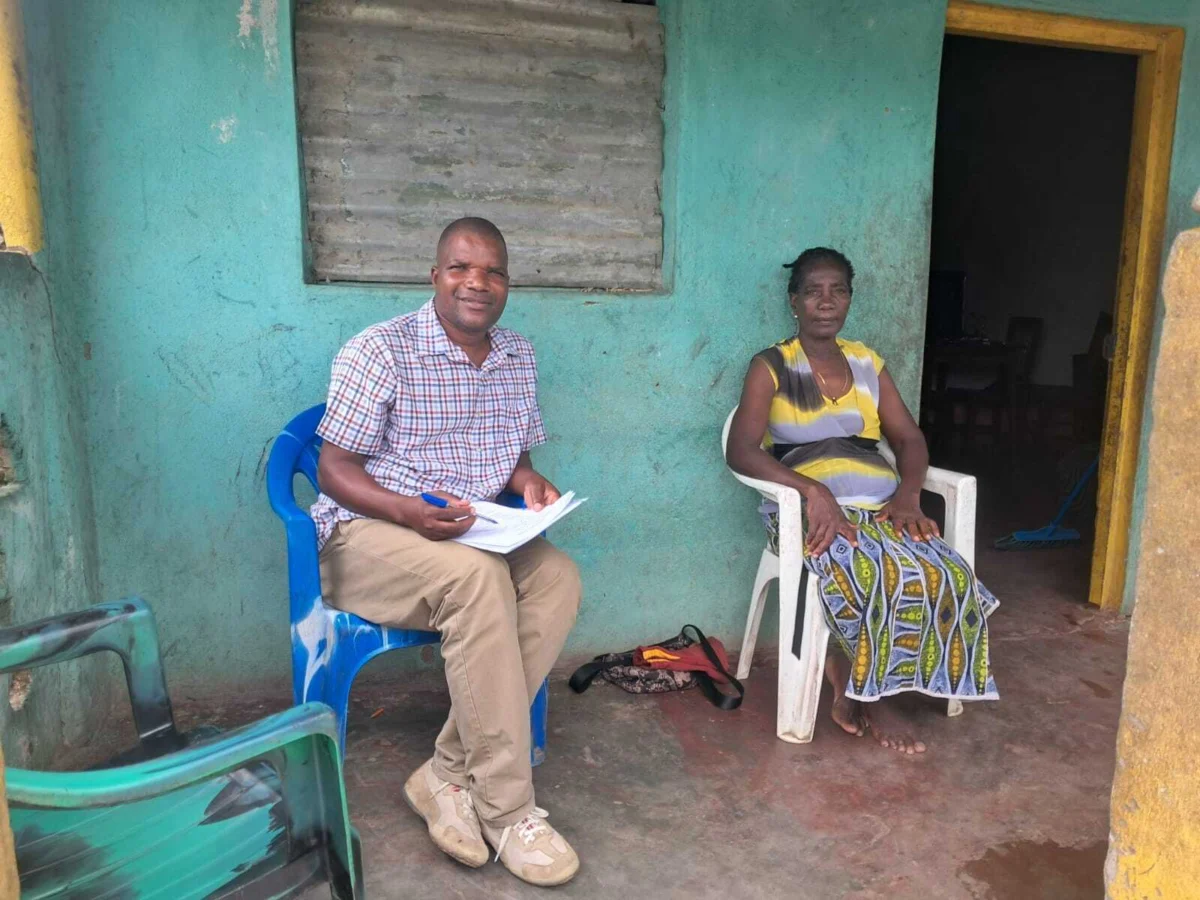
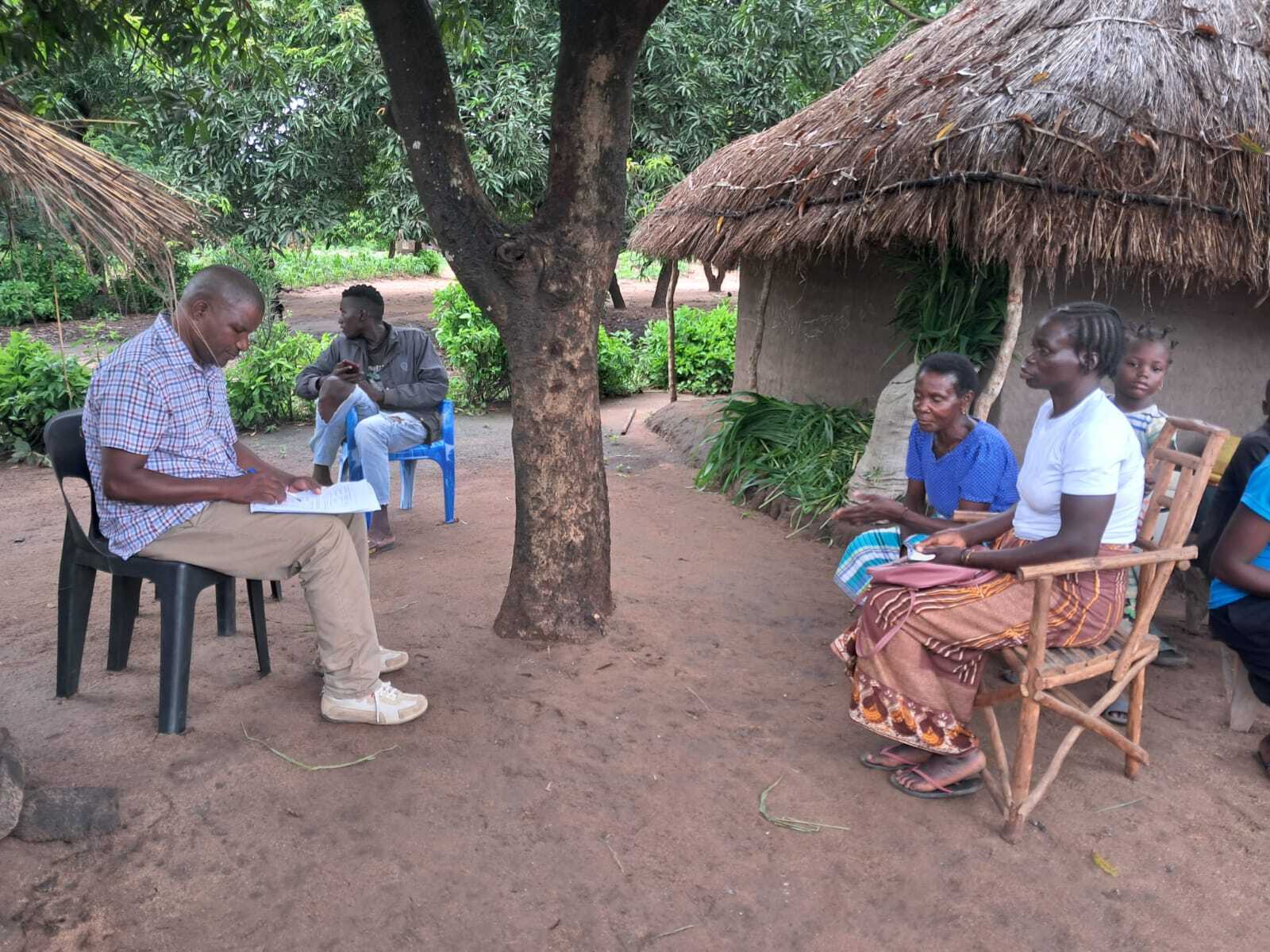
A critical component of the early implementation phase is the pilot of the Community Leader Mapping Tool in the Sofala Province. This tool is designed to identify and engage influential figures within rural and urban communities who can serve as catalysts for social change. Alberto Domingos, a key facilitator for World Education, has been conducting intensive one-on-one interviews with community leaders to understand local power dynamics and the specific challenges girls face in different districts.
The Sofala pilot serves as a laboratory for the national rollout. By mapping the influence of traditional leaders, religious figures, and local administrative heads, World Education can tailor its communication strategies to resonate with specific community values. This localized approach ensures that the "Eu Sou Capaz" message is not seen as an external imposition but as a community-driven movement for progress. The data gathered during these interviews will inform the training modules provided to the National Youth Institute, ensuring the government’s approach is grounded in real-world evidence.
A Data-Driven History of Regional Impact
World Education brings over 15 years of regional experience to the Eu Sou Capaz activity. The organization’s track record in Southern Africa provides a robust foundation for scaling these interventions. Historically, World Education has focused on evidence-based programming that yields measurable results in literacy, numeracy, and health outcomes.
In previous iterations of similar programs across the region, World Education has successfully reached hundreds of thousands of learners. Their interventions have consistently shown that when life-skills training is integrated with academic curriculum, retention rates improve significantly. For instance, in neighboring countries, similar technical assistance models led to a 15% increase in secondary school completion among marginalized girls within a three-year period. By applying this data-driven expertise to the Mozambican context, World Education ensures that the Eu Sou Capaz program remains both nationally scalable and sensitive to the unique demographic needs of the country.
The Socio-Economic Context of Mozambique
The urgency of the Eu Sou Capaz activity is underscored by current statistics regarding the status of women and girls in Mozambique. Despite significant economic growth in urban centers, rural areas continue to struggle with high rates of poverty. Mozambique has one of the highest rates of child marriage in the world, with nearly 48% of girls married before the age of 18, according to UNICEF. This phenomenon is inextricably linked to school dropout rates; once a girl is married, her formal education almost invariably ends.
Furthermore, the prevalence of teenage pregnancy remains a significant hurdle. Education experts note that without comprehensive support systems, a single pregnancy can end a girl’s economic prospects. The Eu Sou Capaz initiative’s focus on transformative life-skills education is intended to provide girls with the agency to make informed decisions about their reproductive health and their futures. By strengthening the capacity of the National Youth Institute, the Mozambican government is taking a proactive stance in reclaiming the potential of its youth population.
Institutional Strengthening and Sustainability
A core objective of the technical assistance provided by World Education is to ensure that the interventions are not merely temporary projects but are embedded within the Mozambican government’s institutional framework. The National Youth Institute is being positioned as the primary custodian of the program, with World Education providing the "scaffolding" necessary to build internal expertise in program management, data collection, and impact evaluation.
This focus on systems strengthening is vital for long-term sustainability. The World Bank’s involvement ensures that there is a financial pipeline for these activities, but the ultimate success depends on the government’s ability to execute these programs independently in the future. The training provided covers a wide range of competencies, from high-level policy development to the granular details of field-level monitoring.
Broader Implications for Regional Development
The success of Eu Sou Capaz in Mozambique is expected to have ripple effects across the EAGER network in Zimbabwe and Madagascar. As these three nations face similar challenges regarding gender equity and education, the lessons learned in the Sofala province and beyond will be shared through regional learning forums. This cross-pollination of ideas is a key feature of the World Bank’s strategic vision for Africa, aiming to create a "knowledge hub" for adolescent girls’ empowerment.
From a macroeconomic perspective, the implications are profound. The African Development Bank has frequently noted that closing the gender gap in education is one of the most effective ways to stimulate GDP growth. By moving away from a model of passive aid toward one of technical empowerment and system redesign, the Eu Sou Capaz activity aligns with international goals, including the United Nations Sustainable Development Goal 4 (Quality Education) and Goal 5 (Gender Equality).
Conclusion and Future Outlook
As World Education and the National Youth Institute move forward with the national scaling of Eu Sou Capaz, the focus remains on the individual girl and the community that surrounds her. The program represents a shift in development philosophy—one that recognizes that education is not just about classrooms and books, but about the social structures that either allow a child to enter those classrooms or keep them out.
Through the combination of material support, community mapping, and governmental capacity building, the Eu Sou Capaz Technical Assistance and Training Activity is poised to create a more equitable educational landscape in Mozambique. The ongoing work in Sofala and the subsequent national expansion will be closely monitored by international stakeholders as a potential blueprint for addressing the global challenge of girls’ education in post-conflict and developing economies. With the expertise of World Education and the commitment of the Mozambican government, the vision of a generation of girls who are "capable" (capaz) of leading their country toward a more prosperous future is becoming an attainable reality.