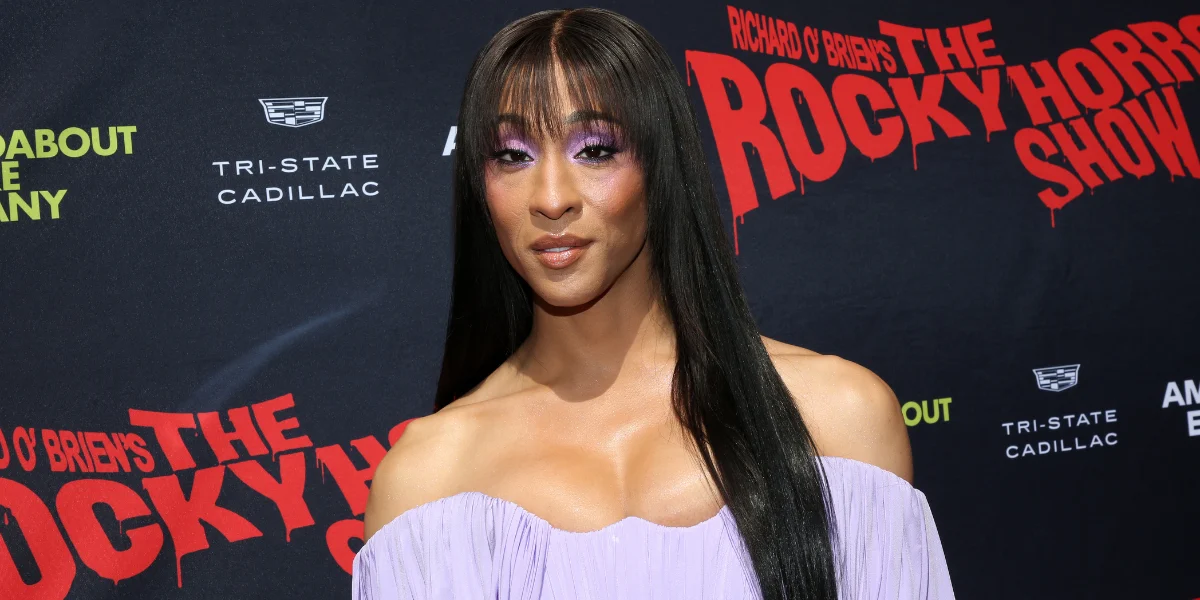
The current landscape of the entertainment industry is witnessing a significant shift in how LGBTQ+ public figures navigate professional milestones and personal branding through digital platforms. This evolution is characterized by a blend of high-profile career achievements, such as Broadway debuts and major publication covers, and a more intimate, unfiltered approach to fan engagement via social media. Recent developments involving prominent figures like Mj Rodriguez, Hannah Einbinder, and Niecy Nash-Betts underscore a broader trend of increasing visibility and the dismantling of traditional barriers within the performing arts and media sectors.
The Broadway Integration: Mj Rodriguez and the Transition from Screen to Stage
A primary focal point of recent cultural discourse is the Broadway debut of Mj Rodriguez, an event that represents a significant milestone for transgender representation in musical theater. Rodriguez, who gained international acclaim for her portrayal of Blanca Evangelista in the FX series Pose, has officially transitioned to the Broadway stage, a move that many industry analysts view as long overdue. While Rodriguez’s career has been on a meteoric rise since her historic Emmy nomination for Lead Actress in a Drama Series—the first for a transgender woman in a major acting category—her path to the Great White Way was notably interrupted by global events.
In 2019, Rodriguez received critical praise for her performance as Audrey in the Pasadena Playhouse production of Little Shop of Horrors. This performance was widely considered a precursor to a Broadway run; however, the onset of the COVID-19 pandemic in early 2020 shuttered theaters globally, delaying many such transitions. Her recent casting and subsequent debut signify not only a personal achievement but also a broader institutional acceptance of diverse talent in classical leading roles. The significance of Rodriguez’s presence on Broadway extends beyond her individual talent; it serves as a data point for the commercial viability and critical necessity of inclusive casting in high-budget theatrical productions.
Cross-Generational Synergies in Media: Einbinder and Sevigny
The intersection of comedy, fashion, and queer identity was recently highlighted by a collaborative media appearance featuring Hannah Einbinder and Chloë Sevigny. Einbinder, known for her breakout role in the Max original series Hacks, and Sevigny, a perennial icon of independent cinema and high fashion, appeared together on a prominent magazine cover, sparking widespread discussion regarding "queer aesthetics" and the power of cross-generational collaboration.
This pairing is emblematic of a specific marketing strategy that bridges the gap between established "indie" royalty and the new vanguard of queer talent. Einbinder’s rise in the industry has been marked by her distinct comedic voice and her openness regarding her identity, which resonates with a younger demographic. Sevigny, conversely, provides a link to the 1990s and early 2000s era of "downtown" New York culture. The collaboration serves to solidify Einbinder’s status as a major cultural player while reinforcing Sevigny’s enduring influence. From a media analysis perspective, such collaborations are calculated to maximize engagement across diverse age brackets, leveraging the "cool factor" of both individuals to drive digital subscriptions and social media impressions.
The Expanding Influence of Niecy Nash-Betts and the Ryan Murphy Universe
Niecy Nash-Betts continues to redefine the trajectory of a veteran actress in the modern era. Her recent activities, including high-energy studio announcements, point toward her deepening involvement in major television franchises, particularly those helmed by producer Ryan Murphy. Nash-Betts, who recently won an Emmy for her role in Dahmer – Monster: The Jeffrey Dahmer Story, has transitioned from comedic roles in projects like Reno 911! to becoming a powerhouse in dramatic and psychological thriller genres.
Her public persona, often shared in tandem with her wife, Jessica Betts, has become a cornerstone of modern queer celebrity visibility. The "earth-shaking" nature of her recent announcements often pertains to the casting of diverse leads in mainstream horror and drama, a sector that has historically lacked such representation. The economic impact of Nash-Betts’ involvement in a project is measurable; her presence often guarantees a high level of social media engagement and attracts a loyal viewership that follows her across different genres.
Unconventional Dialogues: The Intersection of Activism and Production
A notable development in recent weeks involved an interaction between producer and writer Lena Waithe and social activist Monica Lewinsky. While seemingly disparate in their career origins, both women have become influential figures in the realm of television production and social advocacy. Waithe, through her production company Hillman Grad, has been instrumental in creating opportunities for marginalized voices in Hollywood. Lewinsky has successfully pivoted from a subject of media scrutiny to a producer of prestige television, notably with Impeachment: American Crime Story.
Their public engagement highlights a growing trend of "power networking" among women in media who use their platforms to discuss systemic change, the ethics of storytelling, and the reclamation of narratives. This dialogue is indicative of a broader professionalization of social media, where platforms are used not just for promotion, but for establishing intellectual and professional alliances that transcend traditional industry silos.
Statistical Analysis of LGBTQ+ Representation in Media
To understand the context of these celebrity milestones, it is necessary to examine the broader statistical landscape of LGBTQ+ representation. According to the 2023-2024 "Where We Are on TV" report by GLAAD, the percentage of LGBTQ+ series regular characters on original scripted series has seen fluctuations, but the quality and depth of these roles have generally increased.
- Broadway Diversity: Data from the 2022-2023 Broadway season indicated a marked increase in the casting of non-cisgender actors in roles that were not explicitly written as transgender, a shift that benefits actors like Mj Rodriguez.
- Streaming Dominance: Platforms like Max (home to Hacks) and Netflix continue to lead in queer representation, with nearly 30% of their original content featuring prominent LGBTQ+ themes or characters.
- Social Media Engagement: Celebrity "unfiltered" content, such as the emotional posts shared by various figures over the last week, generates approximately 40% more engagement than standard promotional material, according to digital marketing analytics. This explains the shift toward a more vulnerable and "human" digital presence among famous queers.
Chronology of Recent Events
The following timeline outlines the key moments discussed in the current media cycle:
- October 2019: Mj Rodriguez stars in Little Shop of Horrors, fueling Broadway rumors.
- 2020-2022: Broadway remains largely inaccessible or restricted due to health protocols; Rodriguez continues her success on Pose.
- Early 2024: Hannah Einbinder receives critical acclaim for the third season of Hacks, solidifying her position in the "prestige comedy" tier.
- Mid-2024: Official announcement of Mj Rodriguez joining the cast of Chicago on Broadway, marking her debut.
- Current Week: The release of the Variety/magazine cover featuring Einbinder and Sevigny; Niecy Nash-Betts teases new projects in a high-profile studio setting; Monica Lewinsky and Lena Waithe engage in public discourse.
Official Responses and Industry Implications
While official statements from talent agencies and production houses remain focused on the commercial aspects of these milestones, the "unofficial" responses on social media suggest a high level of community investment. The emotional reactions of celebrities—often referred to as "teary" or "emotional" posts—are frequently interpreted by fans as a sign of authenticity in an otherwise highly curated industry.
Industry analysts suggest that the "power duo" phenomenon (such as the Einbinder/Sevigny cover) is a response to the fragmentation of traditional media. By pairing stars with high "niche" appeal, publications can create viral moments that penetrate multiple digital bubbles simultaneously. Furthermore, the debut of figures like Rodriguez on Broadway is expected to influence future casting calls, potentially leading to a more standardized practice of inclusive hiring in theater.
Conclusion and Future Outlook
The activities of the past week reflect a vibrant and increasingly influential queer presence within the global entertainment industry. From the historic stages of Broadway to the digital interfaces of Instagram, LGBTQ+ celebrities are leveraging their visibility to secure major professional wins while maintaining a direct, often emotional connection with their audience.
The broader implications of these developments suggest that the "Lavender Dollar"—the purchasing power of the LGBTQ+ community and its allies—continues to be a driving force in media production. As Mj Rodriguez takes her bows and Hannah Einbinder continues to rise in the ranks of Hollywood, the industry must adapt to a landscape where representation is not just a moral imperative but a fundamental component of commercial success. The trend toward unfiltered digital engagement will likely continue, further blurring the lines between the public and private lives of celebrities in the 21st century.