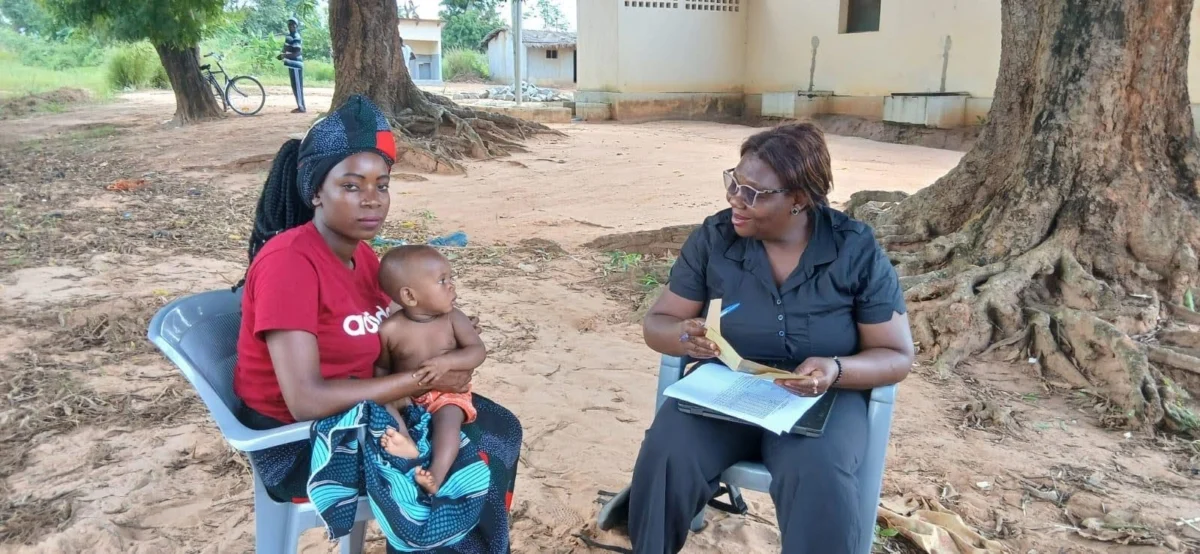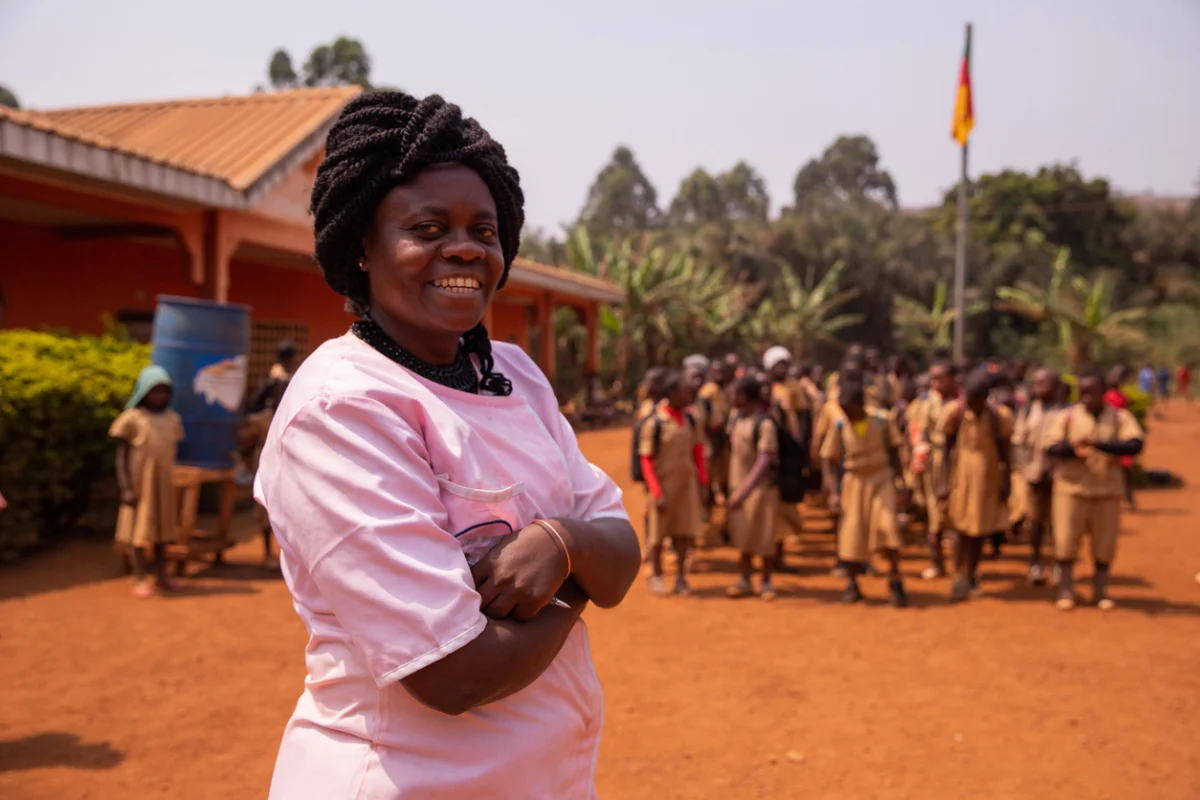
In the Devbhumi Dwarka District of Gujarat, India, a transformative initiative is redefining how critical health information is delivered to last-mile communities. World Education, an initiative of JSI, has partnered with John Snow India Private Limited (JSIPL) to integrate generative artificial intelligence (GenAI) into the workflows of frontline health workers. By utilizing Adobe Express and its embedded AI capabilities, the partnership has successfully enabled local educators and health communicators to bypass traditional design bottlenecks, creating culturally relevant and linguistically appropriate health materials in real-time. This project addresses a long-standing challenge in global health: bridging the communication gap between complex medical guidance and families living in remote areas with varying levels of literacy and inconsistent digital connectivity.
The Critical Role of Anganwadi Workers in India’s Health Infrastructure
To understand the impact of this digital intervention, one must first look at the backbone of India’s rural health system: the Anganwadi Workers (AWWs). Part of the Integrated Child Development Services (ICDS) program—one of the world’s largest programs for early childhood care and development—there are approximately 1.4 million Anganwadi centers across India. These community-based social workers are the primary point of contact for millions of families, providing essential services including supplemental nutrition, immunization, and health education for pregnant women and young children.
In the Devbhumi Dwarka District, AWWs are tasked with guiding families through the complexities of newborn care, nutrition, and early childhood milestones. However, these workers often operate in environments where formal literacy is not universal, and visual storytelling is the most effective means of education. Historically, the materials provided to these workers were centrally produced, often relying on dense text or generic imagery that did not reflect the local Gujarati culture or the specific lived realities of the families in the district. The traditional process of designing, printing, and distributing these materials was not only slow and expensive but also lacked the flexibility required to respond to emerging health trends or specific community feedback.
Identifying the Communication Gap and the Shift to Digital Creation
The collaboration between World Education and JSIPL began by identifying a specific "communication gap" at the frontline. While the AWWs possessed the trust of the community and the necessary health knowledge, they lacked the tools to translate that knowledge into engaging media. Previous outreach relied on outsourced graphic design services. This meant that any change to a poster or a brochure required weeks of back-and-forth communication with designers who were often located in urban centers, far removed from the rural context of Gujarat.
Furthermore, the rise of affordable mobile data in India has shifted how information is consumed. According to the Internet and Mobile Association of India (IAMAI), rural India has seen a massive surge in active internet users, with a significant majority accessing the web primarily through smartphones. WhatsApp has become the de facto platform for community coordination and information sharing. Recognizing this, the project sought to move away from static, printed materials toward dynamic, digital content—such as GIFs, short videos, and visual job aids—that could be shared instantly via mobile messaging apps.
Chronology of Implementation: The Gradual Release Model
The implementation of the GenAI project followed a structured timeline designed to ensure sustainability and local ownership. Rather than simply handing over a new technology, World Education employed a "gradual release" pedagogical approach.
Phase 1: Assessment and Tool Selection
The project began with an assessment of the existing digital literacy among district-level staff and frontline workers. Adobe Express was selected as the primary platform due to its user-friendly interface and the integration of Firefly, Adobe’s generative AI engine. The goal was to find a tool that allowed for professional-grade output without requiring years of training in graphic design.
Phase 2: Modeling and Co-Design
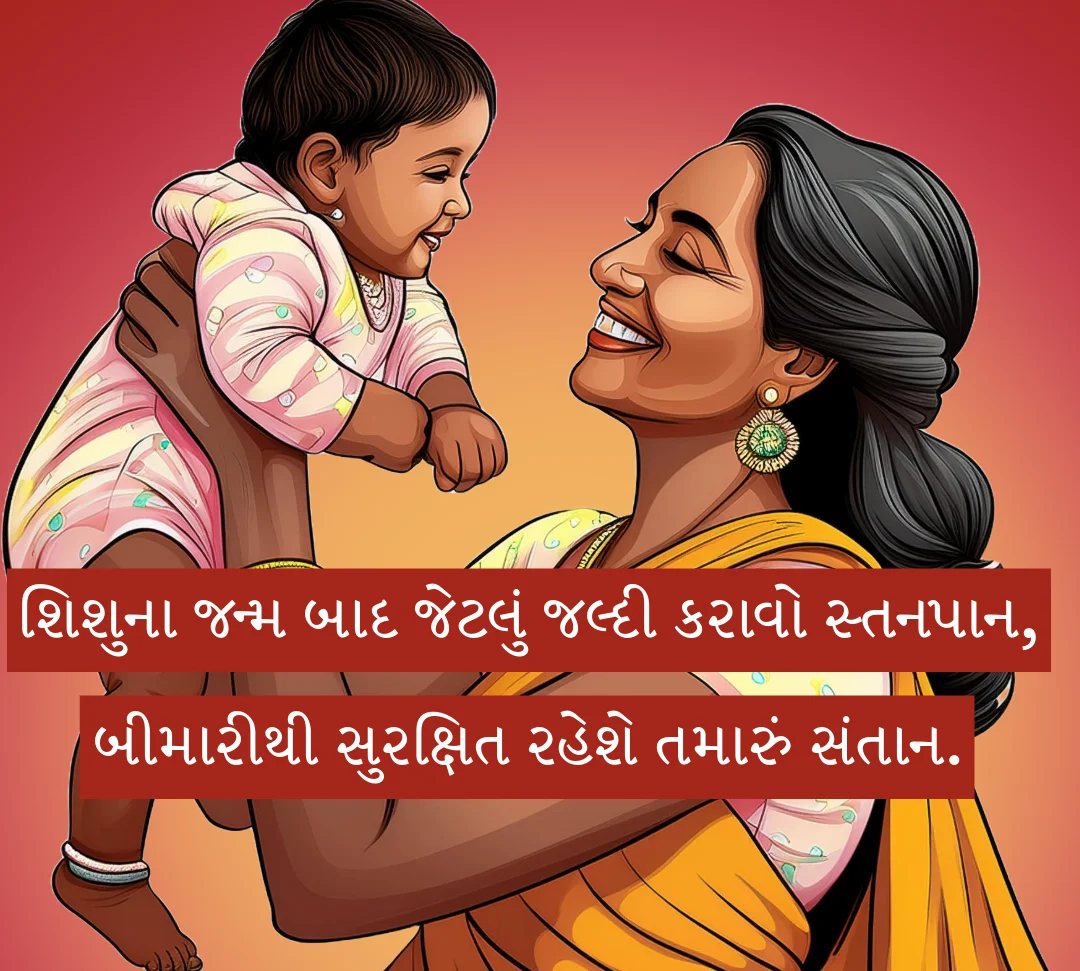
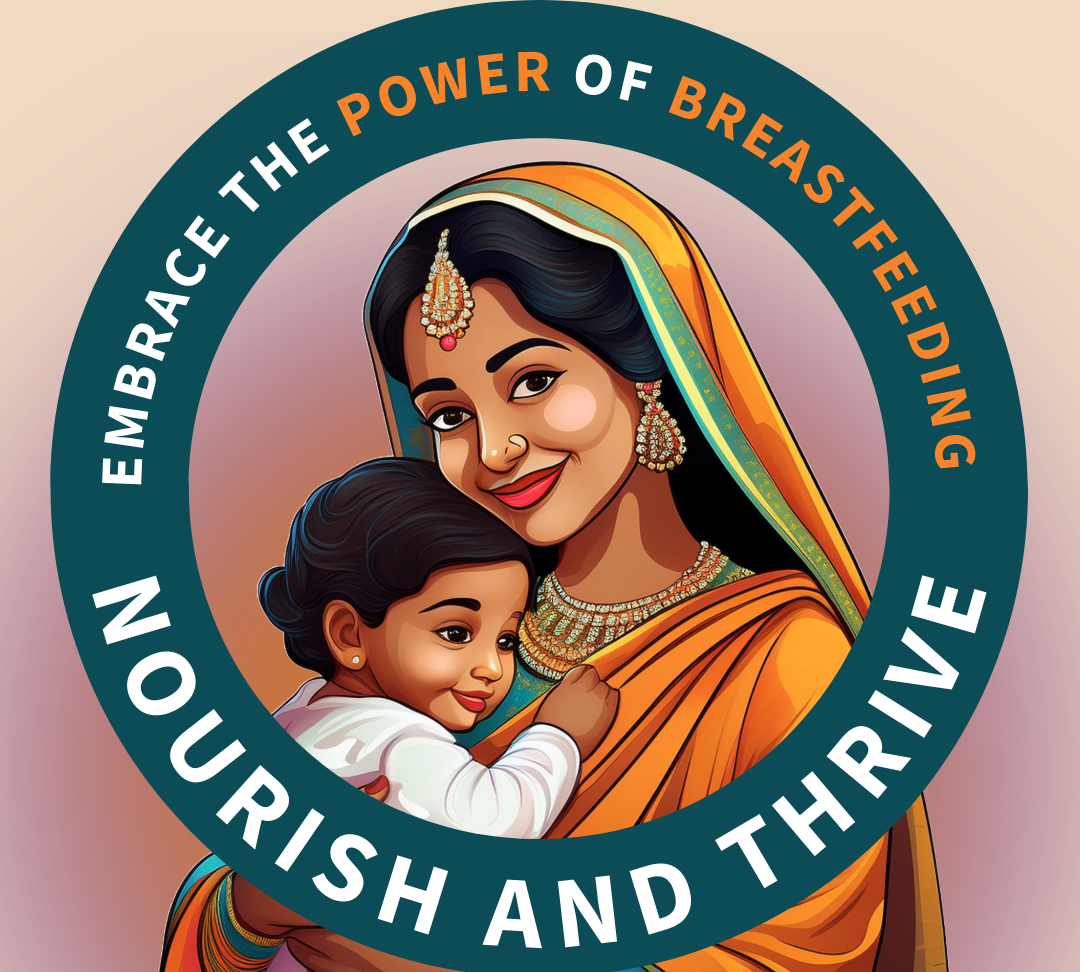
During the initial training sessions, World Education staff modeled the creation process. They demonstrated how a simple text prompt could generate an image of a local mother in traditional Gujarati attire, or how a template could be adjusted to include local dietary staples in nutrition posters. In the co-design phase, district staff worked alongside the trainers to build materials for current health campaigns, such as breastfeeding awareness and prenatal vitamin adherence.
Phase 3: Independent Production and Peer Training
As the local teams gained confidence, they moved into independent production. A significant milestone occurred when a district staff member, after mastering the AI tools, began independently training her colleagues. This peer-to-peer knowledge transfer ensured that the skills would remain within the community long after the initial intervention ended.
Phase 4: Field Testing and Iteration
The final phase involved testing the AI-generated materials with families in the Devbhumi Dwarka District. This stage was critical for refining the AI outputs. For example, if an AI-generated image of a kitchen did not look like a typical rural Gujarati kitchen, staff used GenAI features to "generative fill" or replace specific elements, ensuring the visuals felt authentic and relatable to the target audience.
Augmentation Over Automation: How GenAI Enhances Human Expertise
A common critique of generative AI is that it may replace human workers or strip away the human touch in sensitive fields like healthcare. However, the Gujarat initiative demonstrates a model of "augmentation" rather than "automation." In this context, AI did not decide which health messages were important; instead, it served as a creative partner that reduced the "blank page" syndrome and technical barriers to entry.
The AI features within Adobe Express allowed staff to experiment with different visual styles and languages. When early drafts of posters were found to be too text-heavy, the teams used AI to brainstorm pictorial representations of complex medical advice. For instance, instead of writing a paragraph about the benefits of skin-to-skin contact for newborns, the team used GenAI to create a series of warm, culturally specific illustrations that conveyed the message instantly across all literacy levels.
This responsiveness is a key advantage of GenAI. In one instance, when families reported difficulty understanding a specific health concept, the staff was able to generate a new, clearer visual alternative in minutes. This level of agility was previously impossible under the old model of outsourced design and bulk printing.
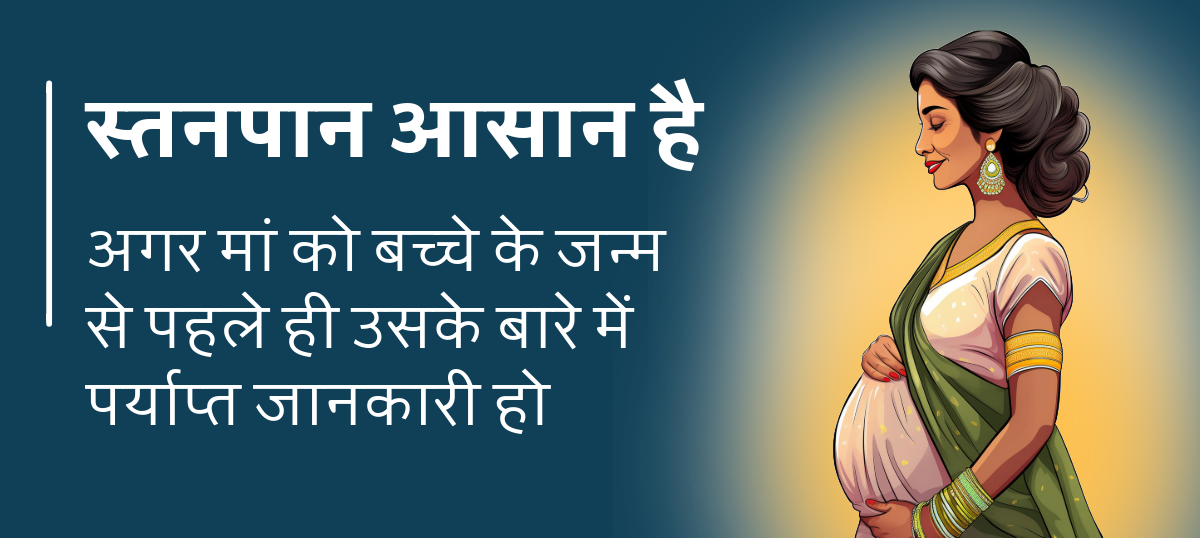
Data-Driven Insights and Stakeholder Responses
The impact of the project is reflected in both qualitative feedback and the potential for large-scale systemic improvement. Dr. Sanjay Kapur, Managing Director of JSIPL, emphasized the scalability of the approach, noting that the innovation could theoretically be expanded to reach millions of Anganwadi Workers across the country. "This innovation can be scaled easily to millions of such Anganwadi Workers, thus reaching millions of mothers and children in a short period of time," Kapur stated.
Data from the field testing suggested that families were significantly more engaged with the video-based and visual content delivered via WhatsApp than they were with traditional brochures. The ability of AWWs to pull up a high-quality, relevant video on their phone during a home visit served to validate their advice and make the interaction more interactive.
Furthermore, the cost-efficiency of this model is notable. By moving production in-house and using AI to accelerate the design process, the district health office can produce a higher volume of more effective materials at a fraction of the previous cost. This democratization of design tools allows for a "bottom-up" approach to health communication, where the people closest to the community are the ones creating the messages.
Broader Implications for Global Development and Digital Transformation
The success of the Gujarat pilot offers a broader lesson for the global development sector. Digital transformation is frequently viewed as a top-down process where technology is "delivered" to marginalized communities. The work of World Education and JSIPL suggests a different paradigm: digital transformation that is built with and by the communities themselves.
By providing local staff with the tools to be creators rather than just consumers of content, the project fosters a sense of agency and professional pride. It also ensures that the "localization" of content is not just a buzzword but a practical reality. In a country as linguistically and culturally diverse as India, the ability to rapidly adapt content for different districts, dialects, and traditions is invaluable.
As GenAI continues to evolve, its greatest contribution to global health may not be in high-level diagnostic algorithms, but in these types of practical, grassroots applications. Reducing the barriers to communication allows for more equitable access to life-saving information. The Gujarat initiative serves as a blueprint for how international NGOs, private sector technology partners, and local government agencies can collaborate to harness the power of AI for the public good.
In conclusion, the integration of Adobe Express and GenAI into the health landscape of Gujarat is more than just a technical upgrade; it is a shift toward a more responsive, inclusive, and community-centered health education model. By empowering the frontline, the partnership has ensured that even the most remote families are not left behind in the digital age, proving that when human expertise is augmented by intelligent tools, the potential for social impact is limitless.