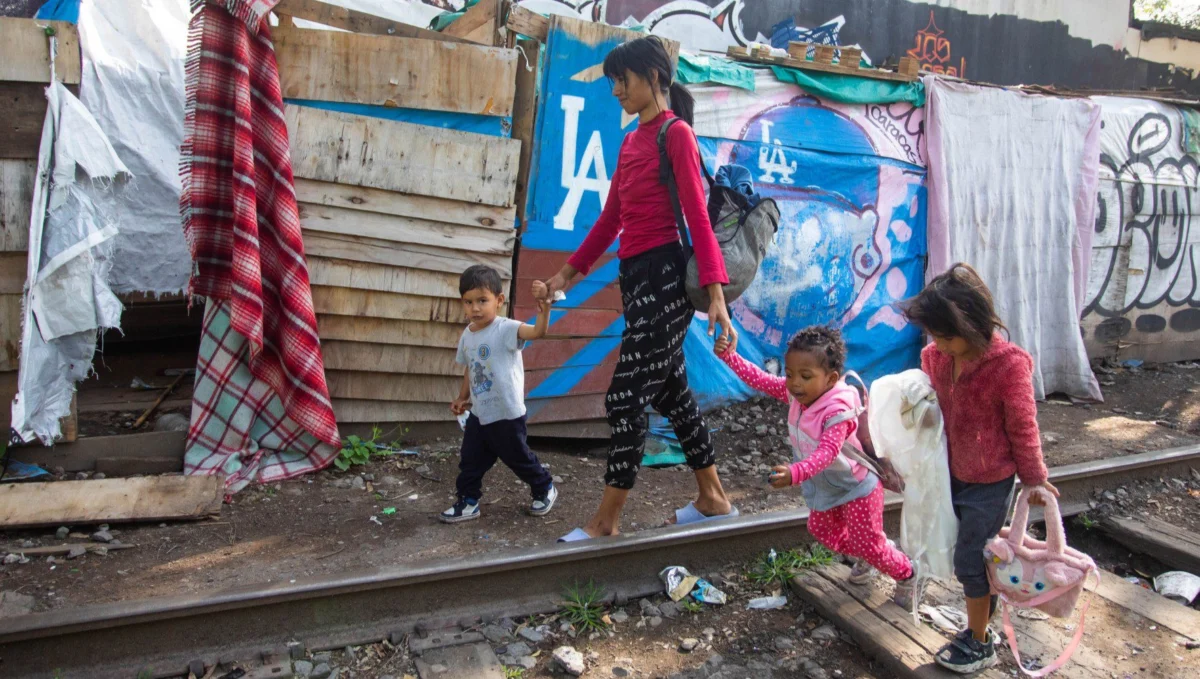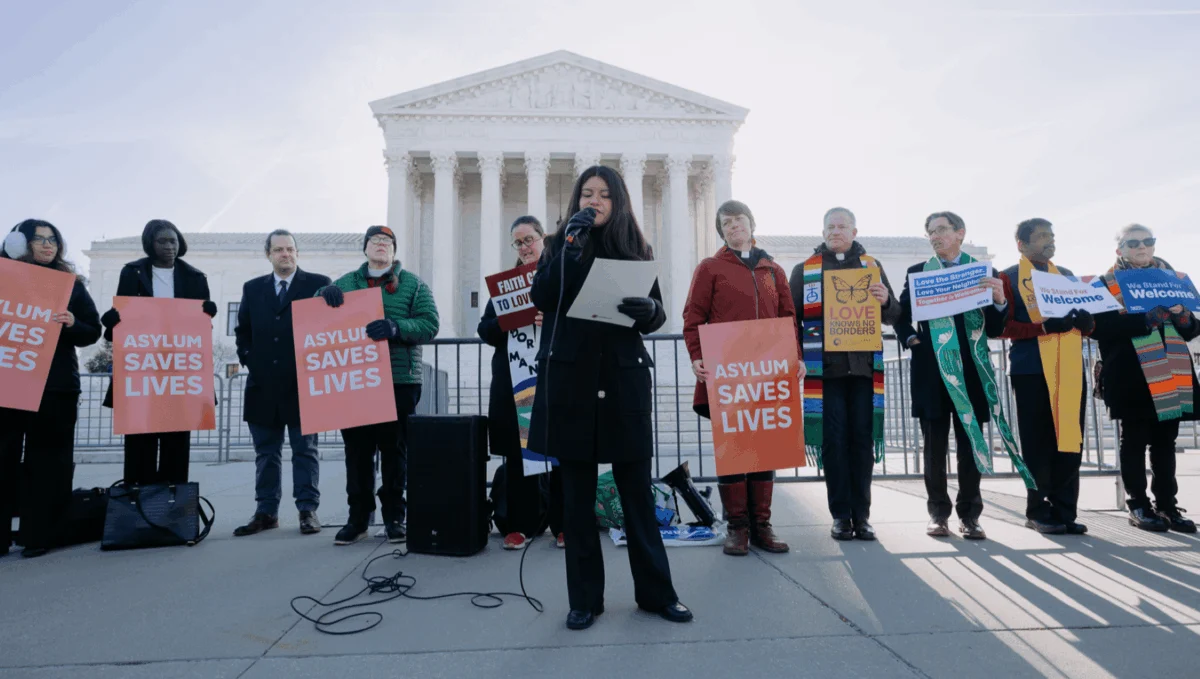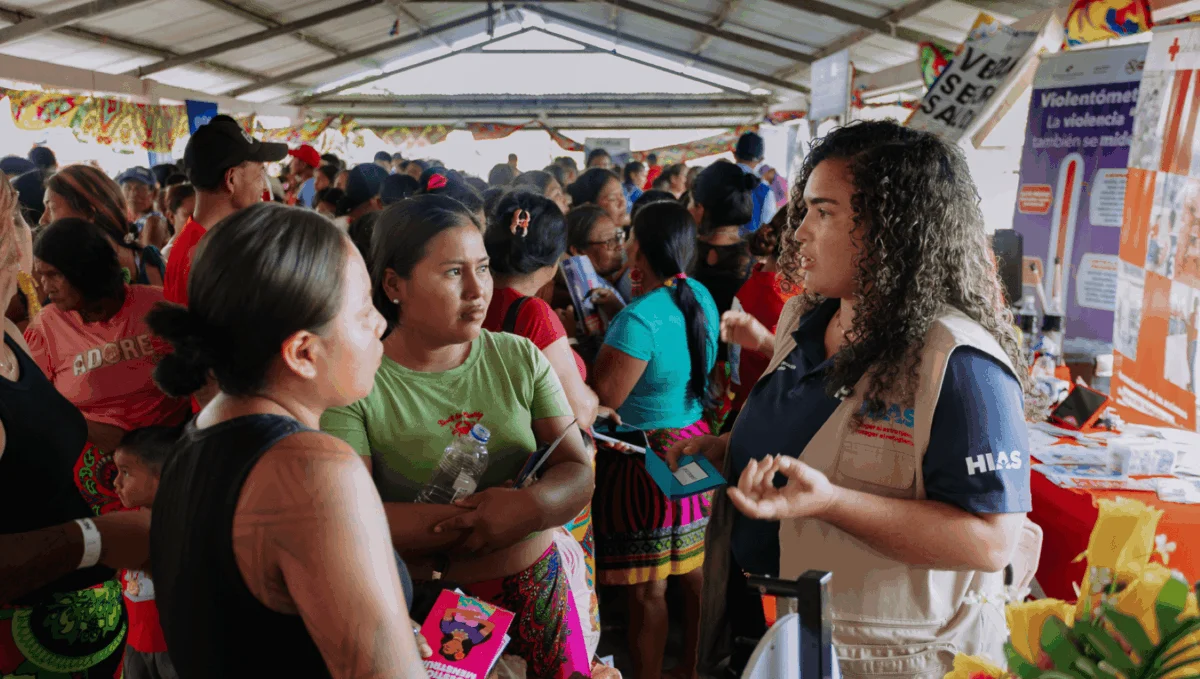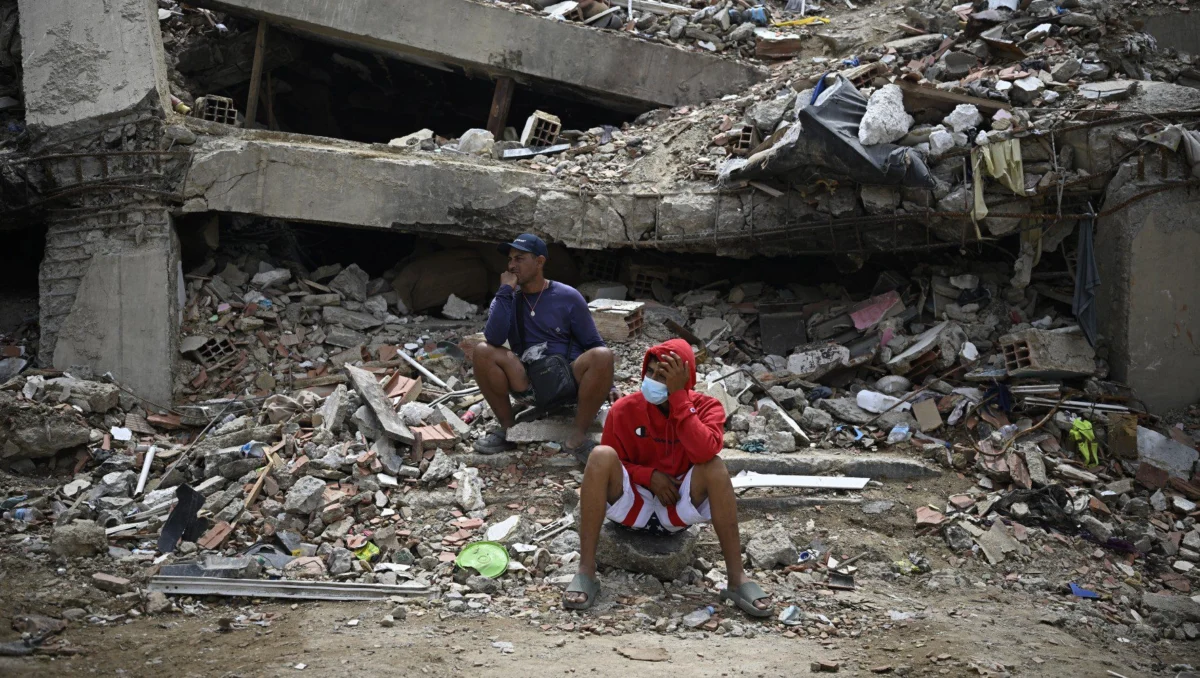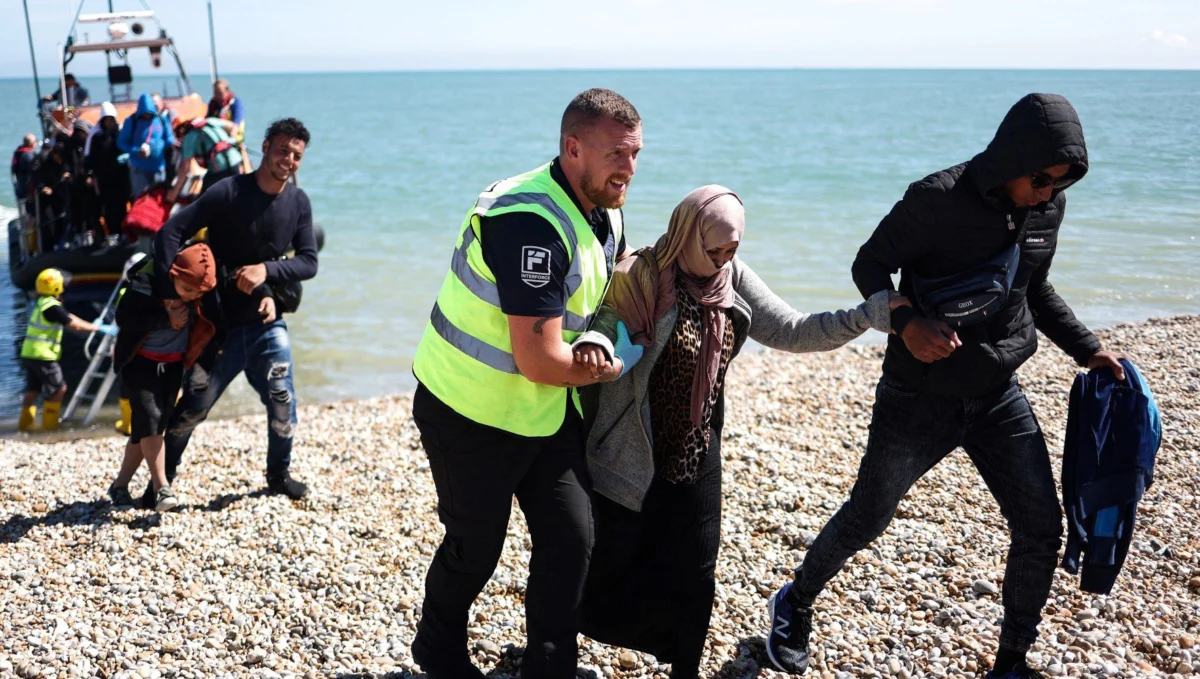
As anti-immigrant sentiment and antisemitic incidents surge across the United Kingdom and globally, a dedicated cohort of Jewish university students is charting a course of proactive engagement, choosing to champion the cause of refugees and asylum seekers. This burgeoning movement is being galvanized by a pioneering initiative, the Student Refugee Ambassador Program (SRAP), a collaborative effort between HIAS+JCORE and the Union of Jewish Students (UJS). The program is equipping young individuals with the critical skills to deconstruct misinformation, counter hateful rhetoric, and cultivate robust support networks for those seeking safety and refuge.
The genesis of SRAP can be traced back to a pivotal HIAS+JCORE event in the summer of 2025, where firsthand accounts from young refugees and asylum seekers profoundly impacted Samantha Lewkowicz, a recent graduate of the University of East Anglia. Lewkowicz, who held the position of Sabbatical Officer for Social Action and Holocaust Education at UJS, recognized the urgent need to translate this inspiration into tangible action. Her advocacy led to the establishment of the SRAP program, designed to engage Jewish university students across the U.K.
“We developed this program and weren’t sure there would be any interest, but then 50 students signed up,” Sam recalled. “I know how busy students are. Trying to get them involved in anything is a challenge, let alone something where you’re devoting your free time to advocating for refugees and asylum seekers.”
The inaugural year of the Student Refugee Ambassador Program has been instrumental in empowering participants with the knowledge and tools necessary to effectively advocate for refugees. By drawing parallels between Jewish values, history, and the contemporary imperative to support displaced individuals, SRAP cultivates a powerful sense of responsibility and a commitment to fostering communities of welcome.
Yael Peleg, HIAS+JCORE’s Community Engagement Director, elaborated on the program’s dual focus: “With this program, we provide students with knowledge about refugees, but also we teach them to be proud of being Jewish. They understand our responsibility as Jews and our commitment to creating communities of welcome.” This integration of identity and advocacy is a cornerstone of SRAP’s success, reinforcing the historical imperative for Jewish communities to stand with those facing persecution.
Empowering Advocates with Knowledge and Skills
The SRAP curriculum is designed to provide a comprehensive understanding of the complex challenges faced by refugees and asylum seekers. Over the past academic year, student ambassadors have gained invaluable insights through direct engagement with individuals who have experienced displacement. These interactions have illuminated the intricacies of the U.K.’s current asylum system, often characterized by significant bureaucratic hurdles and societal challenges.
“Ambassadors are amazed at how much they’ve learned. There is so much misinformation about refugees and asylum seekers,” noted Sam. “It can be daunting to advocate when the media is very negative towards refugees. But knowing there are people at high levels who are making progress gives students the courage to speak up.”
The program’s educational modules extend beyond personal testimonies. Ambassadors have also participated in meetings with Members of Parliament and other policy experts. These engagements aim to demystify the legislative process and provide students with actionable strategies for advocating for humane and equitable policies that safeguard individuals fleeing violence and persecution. The program’s approach emphasizes equipping ambassadors with factual information and evidence-based arguments to effectively counter discriminatory narratives.
“We’ve equipped ambassadors with the ability to challenge discrimination and hateful rhetoric around refugees and asylum seekers. When they are out with their friends and the topic comes up, they now have the tools to speak out with facts and evidence-based information,” Sam added, highlighting the tangible impact of the training.
A Deepening Connection to Shared Histories
For many participants, the SRAP experience has served as a powerful affirmation of their Jewish heritage and its inherent connection to the principles of welcoming the stranger. Phoebe, a master’s student at King’s College London, originally from Maryland in the United States, found the program to be a deeply personal and cyclical experience. Her father’s volunteer work with his Jewish community to resettle Afghan refugee families in Maryland had already instilled in her a profound understanding of the refugee experience. Her studies in the U.K. presented a timely opportunity to deepen her involvement.
“It’s important to me that we as the Jewish community reach out because so many of us are descended from refugees ourselves,” Phoebe shared. “I grew up hearing about how my own great grandparents came to the U.S. to escape persecution under the Russian Empire, as well as stories from my friends and neighbors about their own experiences in more recent times because where I’m originally from is one of the most diverse areas in the country, with a high immigrant and refugee population.”
Phoebe’s observations underscore a critical historical parallel: the ongoing struggle against xenophobia and antisemitism. She has witnessed firsthand the detrimental impact of anti-immigrant policies and rhetoric in both the U.S. and the U.K. In the United States, refugees her father assists are grappling with basic necessities amidst reduced humanitarian aid and increased bureaucratic obstacles from the U.S. government. These individuals also live under the constant threat of ICE raids and forced return to dangerous conditions in Afghanistan. Simultaneously, the U.K. is engaged in intense debates surrounding the implementation of similarly restrictive policies affecting refugees and asylum seekers.
“There’s a lot of overlap between the rise of xenophobia and antisemitism in the U.S. and the U.K. right now, and that’s why it’s important to me to have these conversations with people in both countries, so we can work towards combating it together,” Phoebe stated, emphasizing the transnational nature of these challenges and the imperative for collaborative solutions.
The Impact of Refugee Shabbat
The Student Refugee Ambassador Program’s impact extends beyond direct advocacy training. A significant element of the initiative involves connecting students with community-based events that foster solidarity and understanding. One such event, Refugee Shabbat, held in London on March 12, 2026, brought together refugee supporters, HIAS+JCORE, and the Union of Jewish Students. This event, which also saw parallel activities in Los Angeles, served as a powerful platform to highlight the shared humanity and resilience of refugees.
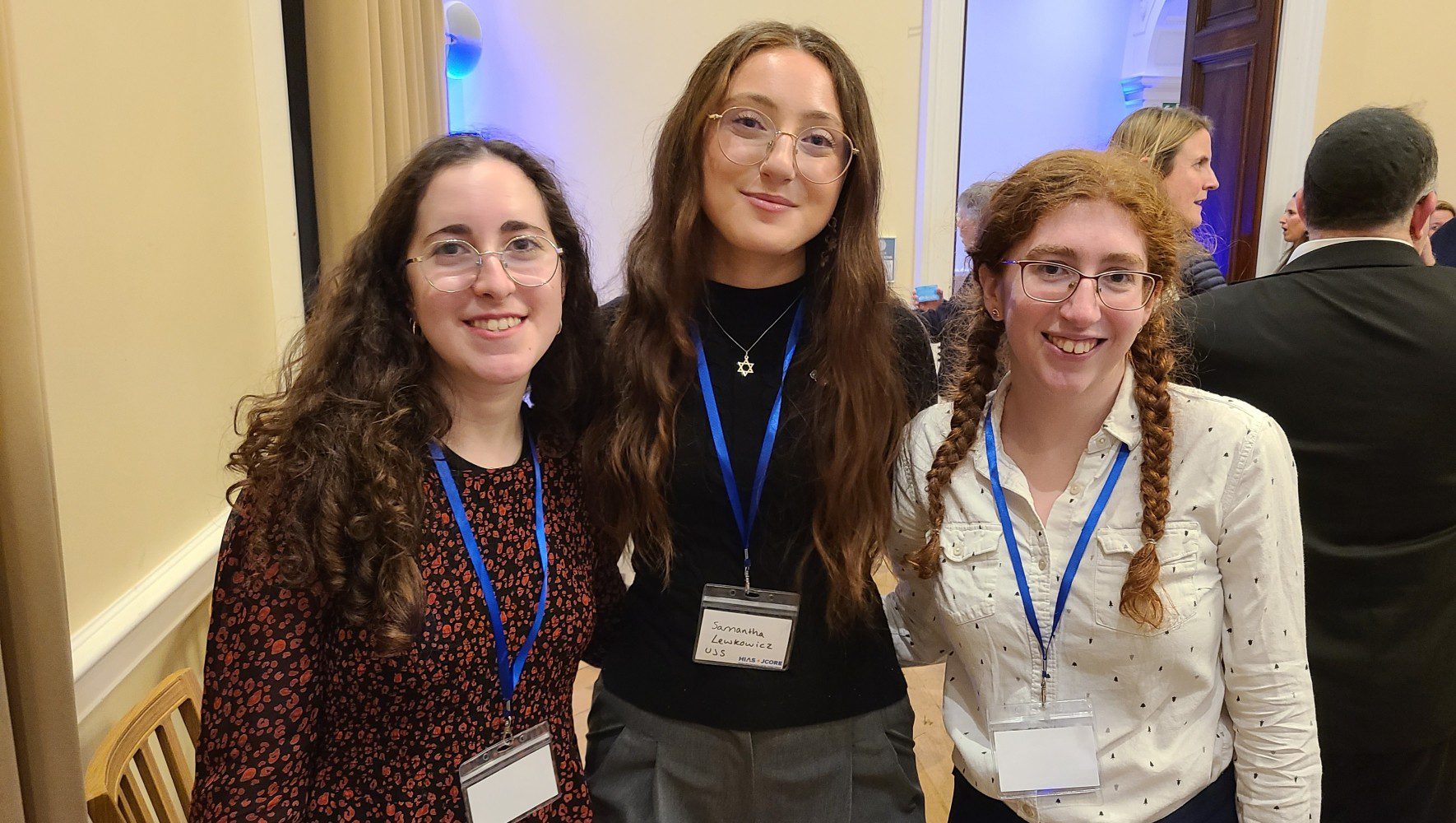
The image of Sam and Phoebe, central figures in the HIAS+JCORE Student Refugee Ambassador Program, alongside fellow supporters at the London launch of Refugee Shabbat, encapsulates the spirit of this initiative. It signifies a tangible manifestation of Jewish commitment to supporting vulnerable populations. Such events not only raise awareness but also provide a space for community building and shared reflection, reinforcing the message that refugees are not abstract statistics but individuals deserving of dignity and support.

Another related event, a cooking demonstration organized by HIAS+JCORE and partner OLAM in London on March 11, 2026, further exemplified the inclusive approach of Refugee Shabbat. These activities underscore the belief that shared meals and cultural exchange can serve as powerful catalysts for empathy and understanding, breaking down barriers and fostering genuine connections between diverse communities.
Addressing the Growing Need for Advocacy
The current global landscape, marked by unprecedented levels of displacement, underscores the urgent and escalating need for effective advocacy. According to the United Nations High Commissioner for Refugees (UNHCR), by the end of 2025, a record 117.3 million people worldwide were forcibly displaced due to conflict, violence, persecution, and human rights violations. This stark reality amplifies the importance of initiatives like SRAP, which aim to mobilize the next generation of leaders to address this humanitarian crisis.
HIAS+JCORE and UJS are committed to the long-term success of the SRAP, with plans to continue and expand the program over the next two school years. Their aspiration is to nurture a growing network of student advocates who will champion the cause of displaced people and contribute to shaping a more just and compassionate world.
“My hope is that the SRAP graduates will take their knowledge and share it with others,” Yael shared. “Our voices aren’t loud enough at the moment. We need advocates for refugees, and my aspiration is that SRAP will grow in numbers from year to year, creating student grassroots advocacy on campuses.”
The program’s emphasis on grassroots advocacy is particularly crucial in the current political climate, where the discourse surrounding refugees and asylum seekers is often fraught with hostility and misinformation. By empowering students with the confidence and competence to engage in these difficult conversations, SRAP is fostering a more informed and empathetic public sphere.
“There is still so much more advocacy work to be done for refugees and asylum seekers, and this program is only the beginning of achieving a society where refugees and asylum seekers feel welcomed in our communities,” Sam reflected. “People fleeing war and persecution just want an opportunity to start over with their families. They are regular people just like us who want a normal life. They deserve the same respect as everyone else.”
The Student Refugee Ambassador Program represents a significant step forward in leveraging the power of education and shared values to address one of the most pressing humanitarian challenges of our time. By empowering young Jewish individuals to become informed and vocal advocates, SRAP is not only supporting refugees and asylum seekers but also strengthening the fabric of inclusive communities and reinforcing the enduring Jewish commitment to justice and compassion. The program’s continued growth and impact will be crucial in navigating the complex ethical and political landscapes surrounding displacement in the years to come.