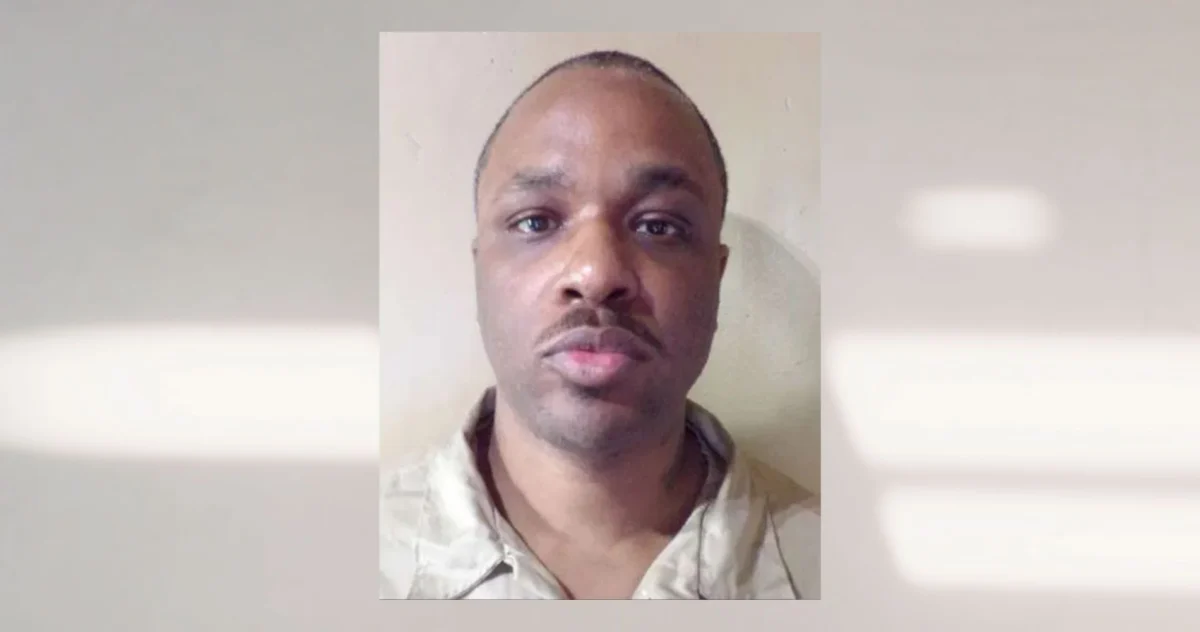
A scheduled execution in Tennessee last week devolved into a harrowing ordeal as state officials attempted for over an hour to administer a lethal injection to death row inmate Tony Carruthers, 57, resulting in multiple painful and bloody punctures before the process was ultimately abandoned. The dramatic failure at Riverbend Maximum Security Institution in Nashville on May 21 has reignited intense debate surrounding capital punishment in the state, particularly given longstanding doubts about Carruthers’ conviction and the integrity of Tennessee’s execution protocols.
A Gruesome Ordeal on Death Row
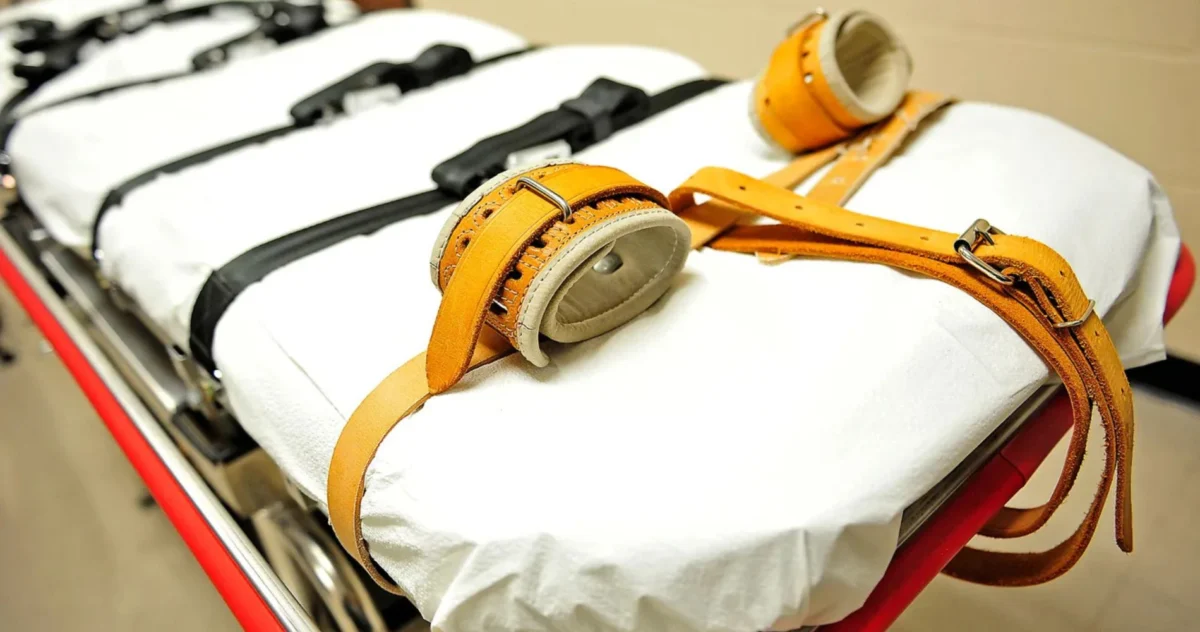
The events of May 21 unfolded under a veil of grim anticipation, as Tony Carruthers, convicted of a 1994 triple murder, was prepared for lethal injection. Strapped to a gurney, he endured what his attorney described as an agonizing and protracted attempt by the execution team to establish the necessary intravenous lines. According to the Tennessee Department of Corrections, while a "primary IV line" was successfully established, the team "could not find another suitable vein" for a backup line, a critical component required under state lethal injection protocol. This failure triggered a cascade of attempts that transformed the procedure into a scene of distress.
Maria DeLiberato, Mr. Carruthers’ lawyer, was present in the execution chamber and bore witness to the horrific scene. She reported seeing Mr. Carruthers "wincing and groaning" as prison staff repeatedly tried to insert needles into his left arm, left hand, and left foot. The team then attempted to establish a central line, a more invasive procedure typically reserved for difficult cases, which also proved unsuccessful. DeLiberato described the experience as "horrible" to watch, noting, "There was a lot of blood." Reporters, positioned outside the room where blinds were kept closed, could reportedly hear Mr. Carruthers groaning, confirming the audible distress emanating from the chamber. After more than an hour of these failed attempts, the warden ultimately called off the execution.
Serious Questions Haunt Carruthers’ Conviction
The botched execution attempt has thrust Tony Carruthers’ case, already fraught with serious questions regarding the reliability of his conviction, back into the national spotlight. Mr. Carruthers has steadfastly maintained his innocence for decades since his 1994 conviction for the kidnapping and killing of three people in Memphis. Prosecutors had argued that one of the victims was a drug dealer whose territory Carruthers sought to control. However, the evidence supporting this claim has been widely challenged.
Crucially, no physical evidence has ever linked Mr. Carruthers directly to the crime scene. The Death Penalty Information Center (DPIC) reported that five fingerprints recovered from the scene do not match Mr. Carruthers and remain unidentified. Even more concerning, the State of Tennessee has consistently refused requests to compare DNA collected from the crime scene to an alternate suspect identified in the case, a move that defense attorneys and advocates argue is a fundamental denial of due process.
The prosecution’s case at trial relied almost exclusively on the testimony of a jailhouse informant. The credibility of this testimony has since been severely undermined by the revelation, in 2024, that the informant was paid for his cooperation – a fact prosecutors had refused to disclose for years despite repeated requests from defense counsel. The reliance on such incentivized testimony, particularly without proper disclosure, raises significant ethical and legal questions about the fairness of the original trial.
Further casting a shadow on the conviction, an appellate court previously found that Mr. Carruthers’ original trial "was so filled with errors due to [Mr. Carruthers’s] forced self-representation" that it mandated a new trial for his co-defendant. This co-defendant subsequently affirmed Mr. Carruthers’ non-involvement in the crime and identified an alternate suspect, whose fingerprints and DNA Mr. Carruthers’ legal team has long argued should be compared to the evidence from the crime scene. This judicial acknowledgment of significant trial errors underscores the persistent concerns about the foundational integrity of the case against Carruthers.
A Wave of Advocacy and Official Resistance
In the lead-up to the scheduled execution, a broad coalition of advocates had rallied in support of Mr. Carruthers. Faith leaders, civil rights organizations, community members, and over 130,000 individuals who signed petitions implored Governor Bill Lee to grant clemency or at least issue a stay of execution to allow for critical DNA testing. These pleas emphasized the profound doubts surrounding the conviction and the state’s refusal to pursue potentially exculpatory evidence.
Despite the widespread calls for intervention, Governor Lee refused to halt the execution, and the Tennessee Supreme Court similarly denied Mr. Carruthers’ request to compare the DNA evidence to the alternate suspect. This stance by state authorities intensified criticisms from legal and human rights organizations, who argued that proceeding with an execution under such circumstances amounted to a profound injustice.
Following the botched attempt, Ms. DeLiberato stated, "Permitting Tony Carruthers’s execution to move forward without ordering DNA testing was already a profound injustice. Today, that injustice became outright barbaric after Mr. Carruthers was subject to a botched execution attempt." His attorneys have vowed to continue their fight for DNA testing, believing it could ultimately exonerate him. This commitment highlights the enduring legal battle that persists even after the state’s failed attempt to carry out the death sentence.
Tennessee’s Troubling Record on Capital Punishment
The events surrounding Tony Carruthers’ execution attempt are not isolated incidents but rather fit into a troubling pattern within Tennessee’s capital punishment system. The state has a demonstrably high rate of error in its death penalty cases; DPIC reports that one person has been exonerated for every five people executed in Tennessee. This alarming statistic far exceeds the national average and underscores the profound fallibility of the system.
This is not the first time Tennessee has faced scrutiny over its execution procedures. In April 2022, Governor Lee was compelled to pause the execution of Oscar Smith due to an undisclosed "technical oversight." A subsequent third-party investigation into the incident revealed "troubling" and "shocking" failures to comply with the state’s lethal injection protocol. The findings led to the firing of several officials and a temporary halt to executions while the state reviewed its procedures.
Following the failed attempt on Mr. Carruthers, Governor Lee announced a one-year reprieve, stating the state would not attempt to execute him again during this period. While Mr. Carruthers’ attorneys expressed relief at the reprieve, they argued it should be made permanent and extended to other death row inmates. "We will fight to ensure that the state never again attempts to put Mr. Carruthers and his family through this torture," Ms. DeLiberato affirmed. "We will also continue to push the governor to use this moment to allow the forensic testing that should have happened long ago. Tennessee cannot continue torturing a man while refusing to answer serious questions about his innocence.”
In light of these persistent issues, Mr. Carruthers’ lawyers formally requested Governor Lee to again pause all executions until legal challenges to the state’s 2025 execution protocol are fully resolved. This call for a broader moratorium reflects deep concerns about systemic flaws, not merely isolated incidents, within Tennessee’s death penalty apparatus. DPIC, in a statement, encapsulated these concerns: "Tony Carruthers’ case raised serious concerns about mental illness, representation, innocence, and access to DNA testing. The state’s failed attempt today to execute him presents an additional issue surrounding the qualifications of the people tasked with executing prisoners.”
A National Trend of Botched Executions
Tony Carruthers’ experience adds his name to a growing list of individuals who have survived botched execution attempts in the United States. According to Amherst College professor Austin Sarat, who co-authored a 2025 article documenting failed executions, Mr. Carruthers is the ninth person to survive such an attempt in the last 80 years. The vast majority of these failures have occurred since 2009, indicating a disturbing trend in recent capital punishment practices.
Notable examples of botched lethal injection attempts include:
- Romell Broom (Ohio, 2009): Survived an excruciating two-hour attempt where technicians tried 18 times to find a suitable vein. He died in prison of other causes in 2020 before a second execution attempt could be carried out.
- Alva Campbell (Ohio, 2017): Execution called off after medical staff failed to find a usable vein in his arm for over an hour. He later died in prison of natural causes.
- Doyle Lee Hamm (Alabama, 2018): Execution halted after nearly three hours due to repeated failures to set an IV line, leaving him with puncture wounds and bloodied limbs. He later died of cancer in prison.
- Alan Eugene Miller (Alabama, 2022): Execution stayed after officials were unable to establish an IV line.
- Kenneth Eugene Smith (Alabama, 2022): Execution called off after officials were unable to establish an IV line.
- Thomas Creech (Idaho, 2024): Execution called off after medical team failed to establish an IV line after eight attempts. Creech is still alive.
The grim reality is that while some of these individuals, like Romell Broom and Doyle Lee Hamm, ultimately died in prison from other causes, the experience of a failed execution attempt leaves an indelible mark of trauma and raises profound constitutional questions about cruel and unusual punishment.
The desperation to carry out executions, even after initial failures, has led to controversial and internationally condemned practices. Alabama, for instance, controversially proceeded with second execution attempts for Kenneth Eugene Smith and Alan Eugene Miller in 2024, employing nitrogen suffocation, an experimental method condemned as torture by international experts and human rights organizations. This pursuit of alternative methods following botched lethal injection attempts underscores the persistent challenges states face in carrying out what they deem lawful executions while adhering to constitutional prohibitions against cruel and unusual punishment.
Implications for the Future of Capital Punishment
The botched execution of Tony Carruthers, set against the backdrop of profound doubts about his guilt and Tennessee’s documented history of execution failures and high exoneration rates, carries significant implications for the future of capital punishment. It intensifies the ethical, legal, and moral debates surrounding the death penalty in the United States.
The continued refusal to conduct DNA testing that could potentially exonerate Mr. Carruthers, coupled with the reliance on unreliable informant testimony and documented trial errors, highlights systemic issues within the justice system that critics argue prioritize finality over factual accuracy. The harrowing details of the botched execution itself further fuel arguments that capital punishment, particularly through lethal injection, is inherently prone to error and risks inflicting torturous experiences.
The repeated failures in execution protocols, not just in Tennessee but across multiple states, raise serious questions about the competence and training of execution teams. Furthermore, these incidents erode public trust in the state’s ability to administer justice humanely and reliably. The calls for a permanent reprieve for Carruthers and a statewide moratorium on all executions reflect a growing demand for accountability and a re-evaluation of the death penalty’s place in modern society.
As Mr. Carruthers’ attorneys continue their legal battle for DNA testing and a permanent end to his death sentence, the case serves as a stark reminder of the irreversible nature of capital punishment and the profound importance of ensuring absolute certainty of guilt and humane procedures. The events of May 21 in Nashville will undoubtedly resonate in legal challenges and public discourse for years to come, further shaping the national conversation about justice, humanity, and the ultimate penalty.