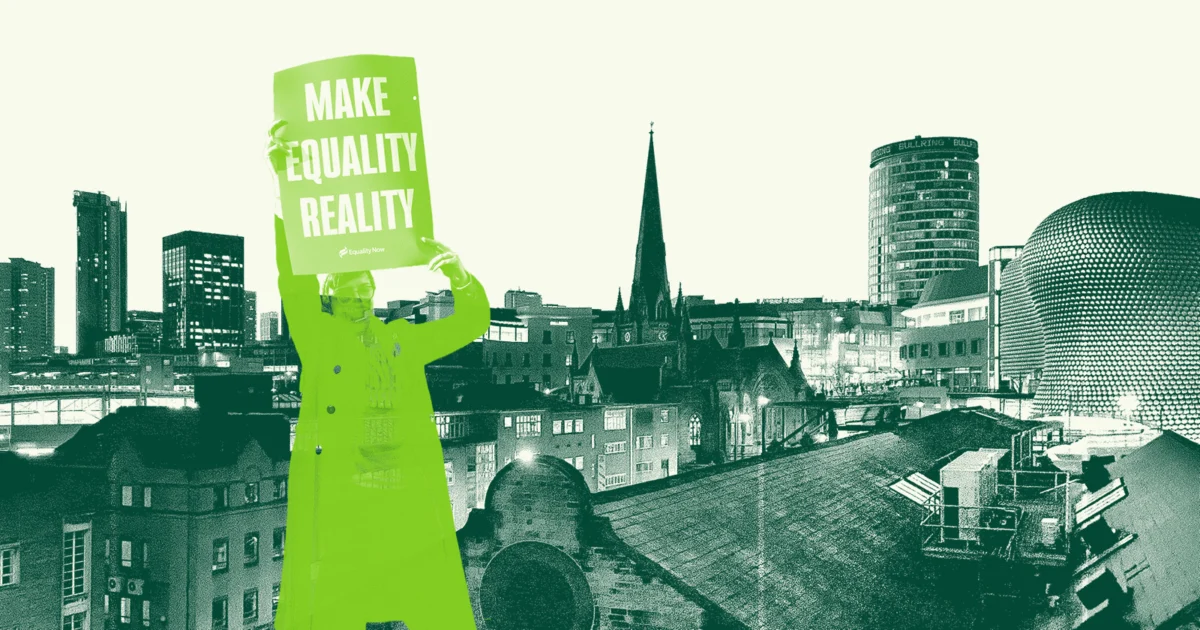
On January 29, 2026, the Midlands Arts Centre (MAC) in Birmingham served as the backdrop for a pivotal gathering of community advocates, academics, and residents dedicated to addressing the widening gap in cultural accessibility. Organized by the Equality Trust, the "Re-imagine a Better Brum" workshop and film screening brought together a diverse coalition to examine how systemic socio-economic inequality has stifled the city’s vibrant cultural landscape. Led by Charlie McNeill, Senior Project Officer for the Equality Trust’s Socio-Economic Duty (SED) program, the event underscored a growing urgency to protect community assets in the face of unprecedented local government austerity and a national cost-of-living crisis.
The proceedings were centered on the premiere of "Conversations of Change: Access to Arts, Culture, Entertainment, and Recreation in Birmingham," a documentary produced by local Community Reporters. The film serves as a primary source of evidence regarding the lived experiences of Birmingham residents who find themselves increasingly priced out of the city’s heritage and leisure offerings. By focusing on the intersection of economic justice and cultural participation, the event aimed to move beyond mere diagnosis of the problem toward a collaborative vision for a more equitable "Brum."

A City at a Crossroads: Addressing the Funding Crisis
The timing of the workshop is significant, occurring against a backdrop of severe financial strain for Birmingham. Following the city council’s issuance of a Section 114 notice in late 2023—effectively declaring the local authority bankrupt—the region has seen a cascade of budget cuts targeting non-statutory services. Arts venues, youth centers, and community hubs, which form the bedrock of Birmingham’s social fabric, have been disproportionately affected.
Data from the Creative Industries Policy and Evidence Centre suggests that local authority spending on culture in England has declined by nearly 40% in real terms over the last decade. In Birmingham, this trend has been exacerbated by the immediate need to bridge a massive budget deficit, leading to the proposed closure of several community libraries and the withdrawal of grants for major cultural institutions. The workshop participants noted that these cuts do not merely represent a loss of entertainment but a dismantling of the "social infrastructure" that fosters community cohesion and mental well-being.
The Community Reporter Initiative: Narratives from the Ground
A cornerstone of the Equality Trust’s strategy in Birmingham is the Community Reporter program. This initiative empowers residents to act as grassroots journalists, documenting the realities of inequality within their own neighborhoods. Reporters Alev, Arash, and Jennifer spent months conducting interviews with a broad cross-section of the city’s population, focusing on how socio-economic status dictates one’s ability to engage with the arts.
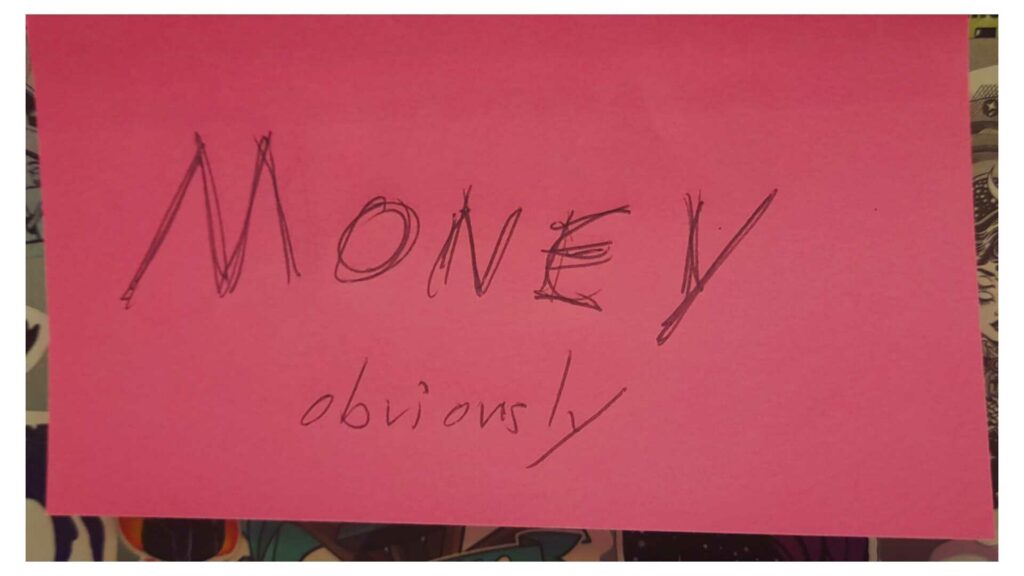
The reporters’ work highlighted a stark reality: while Birmingham remains a hub for international festivals and world-class theater, these experiences are becoming "islands of exclusivity." For many residents in the city’s more deprived wards, the cost of a single theater ticket or a music lesson is now equivalent to a week’s grocery budget. The program aims to ensure that these stories reach policymakers, providing a human face to the abstract statistics of economic inequality.
Conversations of Change: A Cinematic Lens on Inequality
The screening of "Conversations of Change," edited by Keiran Fuller, provided a poignant focal point for the afternoon’s discussions. The film featured a series of "storytellers"—everyday Brummies who shared their personal histories with the city’s cultural scene and their fears for its future.
The documentary explored several key themes:
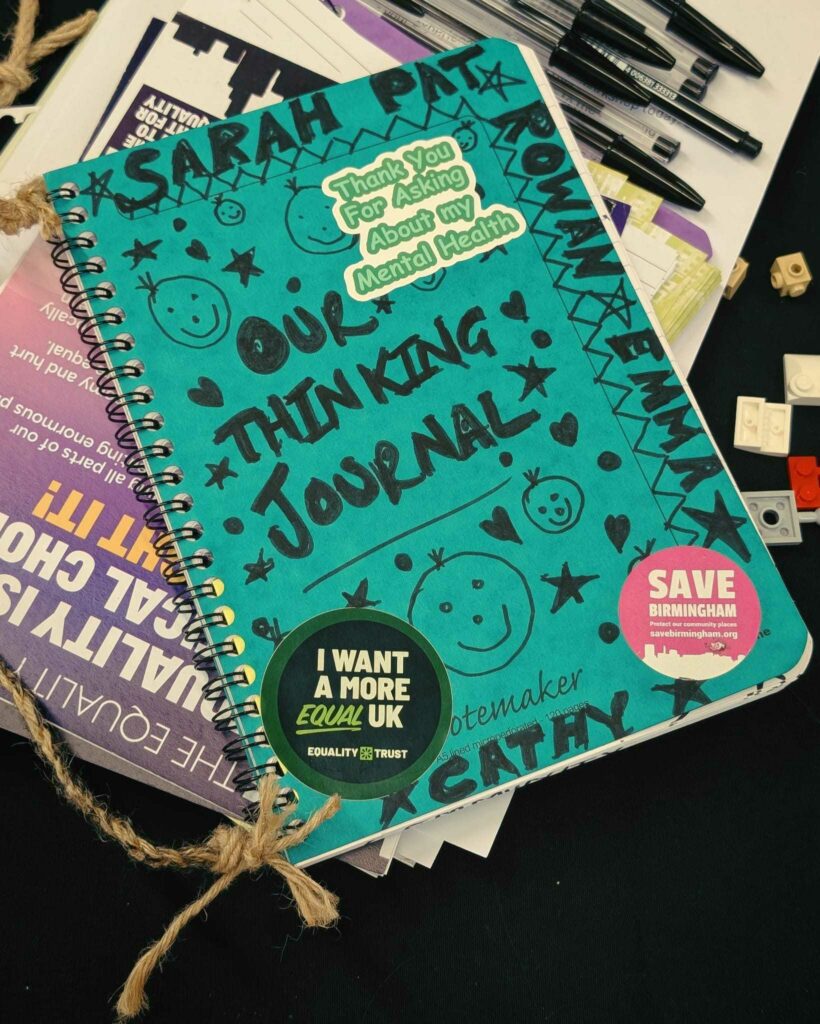
- The Erosion of Free Spaces: Interviewees lamented the loss of "third spaces"—locations other than home or work where people can gather without the pressure to spend money.
- The Transport Barrier: Many noted that even when free events are available, the rising cost and unreliability of public transport across the West Midlands act as a significant deterrent for those living outside the city center.
- The Psychological Toll: The film captured the sense of "not belonging" that many low-income residents feel when entering high-profile cultural venues, suggesting that the barriers are as much cultural and psychological as they are financial.
Expert Insights: The Academic and Grassroots Perspective
To provide context to the reporters’ findings, the event featured a panel of experts who bridge the gap between theory and practice. Kathy Hopkin from "Save Birmingham" spoke on the vital importance of protecting community assets. Her organization has been at the forefront of the fight to prevent the sell-off of public buildings, arguing that once these spaces are privatized, they are rarely reclaimed for public good.
Dr. Pat Rozbicka, an Associate Professor from Aston University, brought an academic perspective to the table. Her research into the Birmingham live music industry has highlighted the fragility of the city’s "cultural ecosystem." Dr. Rozbicka emphasized that the closure of small, grassroots venues has a "trickle-up" effect, eventually stifling the talent pipeline that feeds the city’s larger institutions.
Ian Francis of the Flatpack Festival discussed the challenges of maintaining an inclusive arts festival in a climate of dwindling subsidies. He highlighted the need for creative organizations to innovate in their outreach efforts while acknowledging that innovation cannot entirely replace the need for stable, long-term funding.
Identifying Systemic Barriers to Cultural Participation
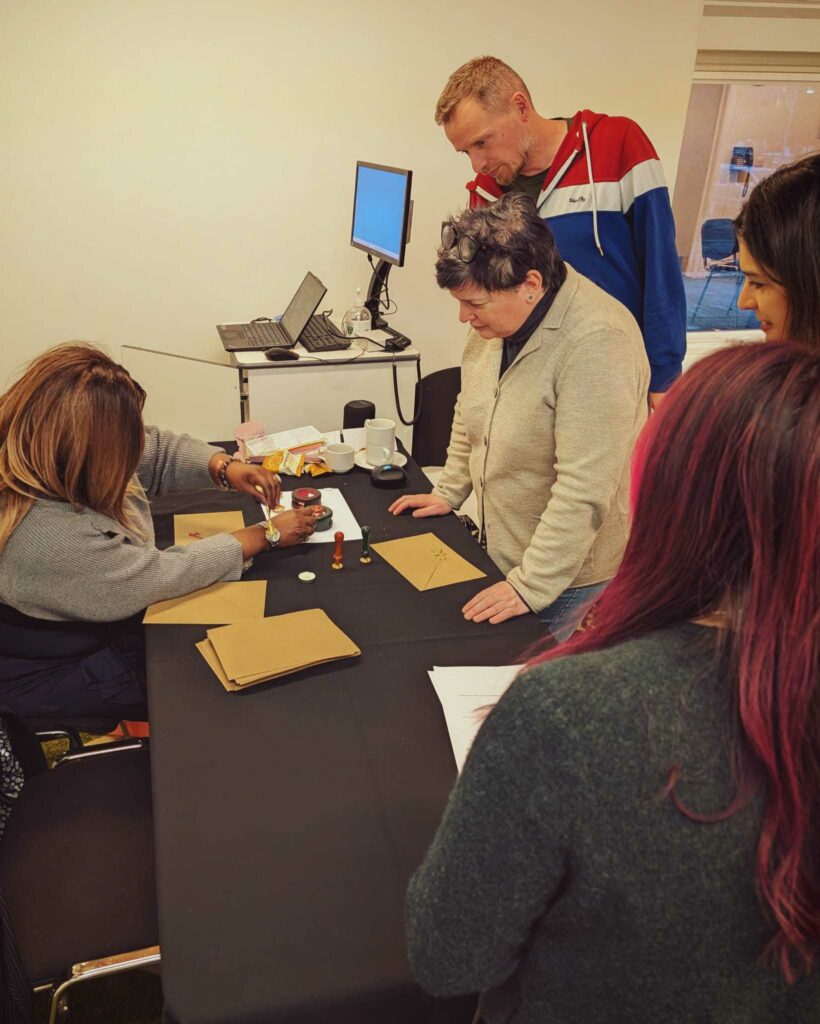
Following the film and panel, the workshop transitioned into a series of breakout sessions where attendees were encouraged to map out the specific barriers they face. The discussions revealed that the "cost-of-living crisis" is a multifaceted phenomenon.
Supporting data presented during the workshop indicated that Birmingham has some of the highest rates of child poverty in the United Kingdom, with some wards seeing over 50% of children living in low-income households. For these families, cultural participation is often viewed as a luxury rather than a right. Attendees identified that the "poverty premium"—where those with less money end up paying more for services—also applies to culture, as they are unable to afford memberships, season tickets, or early-bird discounts that make arts more affordable for the middle class.
The Workshop: Visioning an Equitable Birmingham
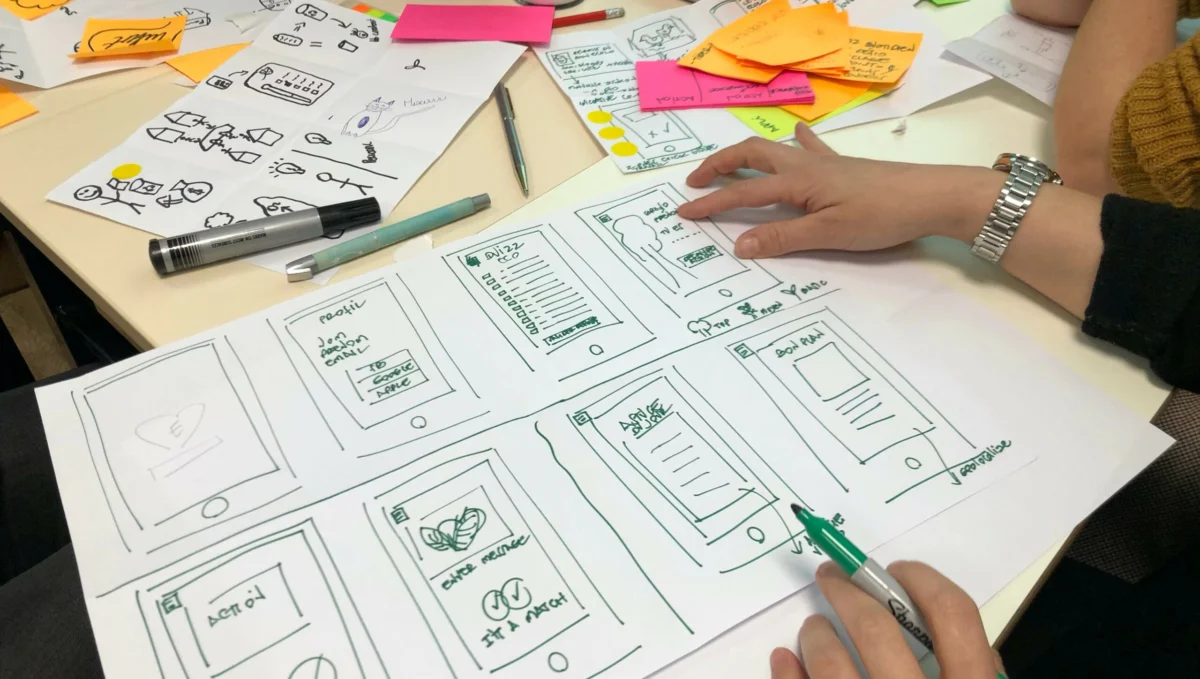
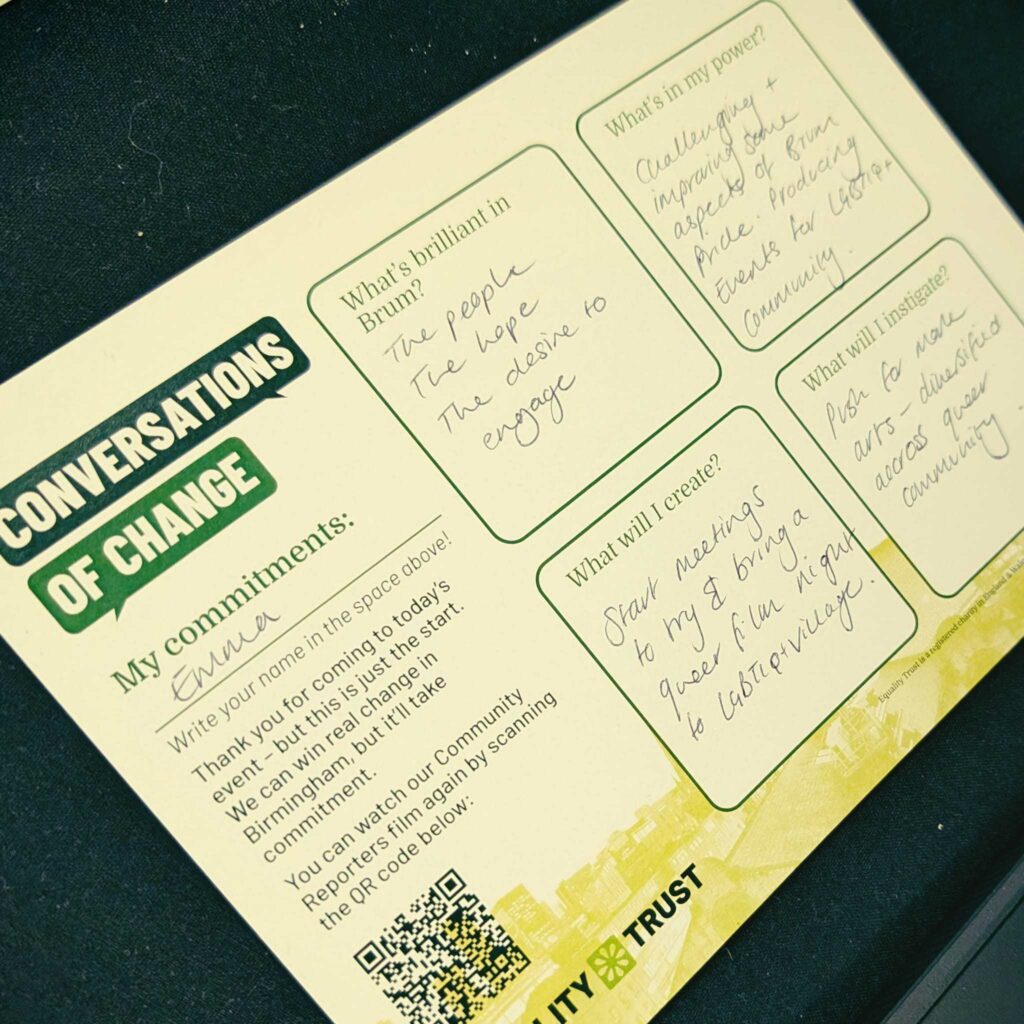
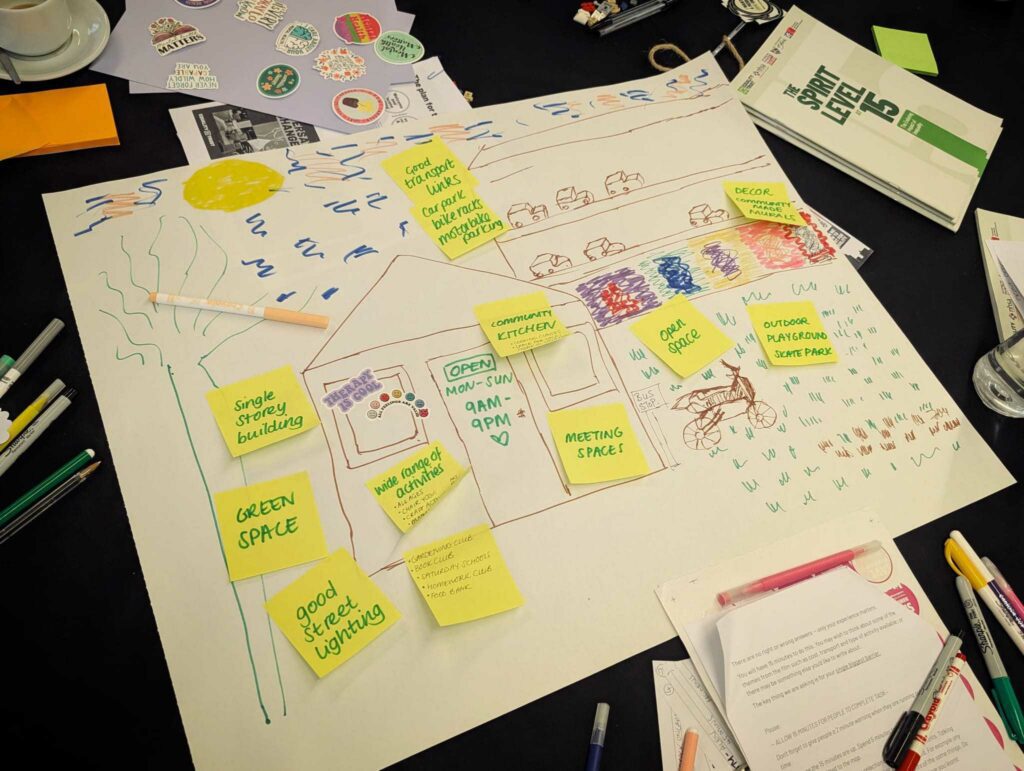
The final segment of the event, "Re-imagine a Better Brum," asked participants to engage in a "radical reimagining" of the city. Freed from the constraints of current budgetary limitations, attendees proposed a variety of transformative ideas:
- A Universal Cultural Basic Services Model: Similar to the concept of Universal Basic Income, where every resident is entitled to a certain level of cultural access as a matter of right.
- Localized Cultural Hubs: De-centralizing the arts away from the city center and into the 69 wards of Birmingham, utilizing existing school and library buildings.
- Community-Led Governance: Giving residents a direct say in how local arts funding is allocated, ensuring that the programming reflects the diversity of the city’s population.
The workshop produced a series of "action plans" that the Equality Trust intends to use as the basis for future advocacy work. These plans focus on lobbying local government to adopt the Socio-Economic Duty, a section of the Equality Act 2010 that requires public bodies to consider how their decisions can reduce the inequalities of outcome which result from socio-economic disadvantage.
Economic Justice and the Path Forward
The "Re-imagine a Better Brum" event was more than a local gathering; it was a microcosm of a national debate regarding the role of culture in a fair society. The project, funded by the Barrow Cadbury Trust as part of its Economic Justice place-based program, highlights the growing movement to treat economic inequality as a fundamental human rights issue.
The Equality Trust has signaled that the work in Birmingham is far from over. The findings from the Community Reporters and the outcomes of the workshop will be compiled into a comprehensive report aimed at both the Birmingham City Council and the West Midlands Combined Authority. The goal is to ensure that as the city navigates its financial recovery, the "cultural soul" of Birmingham is not sacrificed for short-term fiscal stability.
In his closing remarks, Charlie McNeill thanked the storytellers and reporters for their bravery in sharing their experiences. "We are told that in times of crisis, the arts are a ‘nice to have’ that we can no longer afford," McNeill stated. "But what we’ve seen today is that culture is the glue that holds this city together. To lose it is to lose our ability to imagine a better future."
As Birmingham moves toward 2027 and beyond, the "Conversations of Change" project stands as a testament to the resilience of its citizens and a reminder that true equality requires a seat at the table—and a ticket to the show—for everyone, regardless of their postcode or bank balance.