Montgomery, Alabama – The Equal Justice Initiative’s (EJI) Freedom Monument Sculpture Park, a powerful new landmark in downtown Montgomery, Alabama, has been designated an "essential American experience" by the prestigious global travel magazine Travel + Leisure. This significant recognition places the 17-acre park among 50 standout spaces across the United States, each chosen to represent an indispensable facet of the nation’s diverse heritage as it approaches its 250th birthday in 2026. Travel + Leisure selected one pivotal experience in each state, recommending these sites to visitors eager to explore the world’s third-largest country and its complex history leading up to this milestone anniversary.
A Beacon in Alabama: EJI’s Monument to Freedom
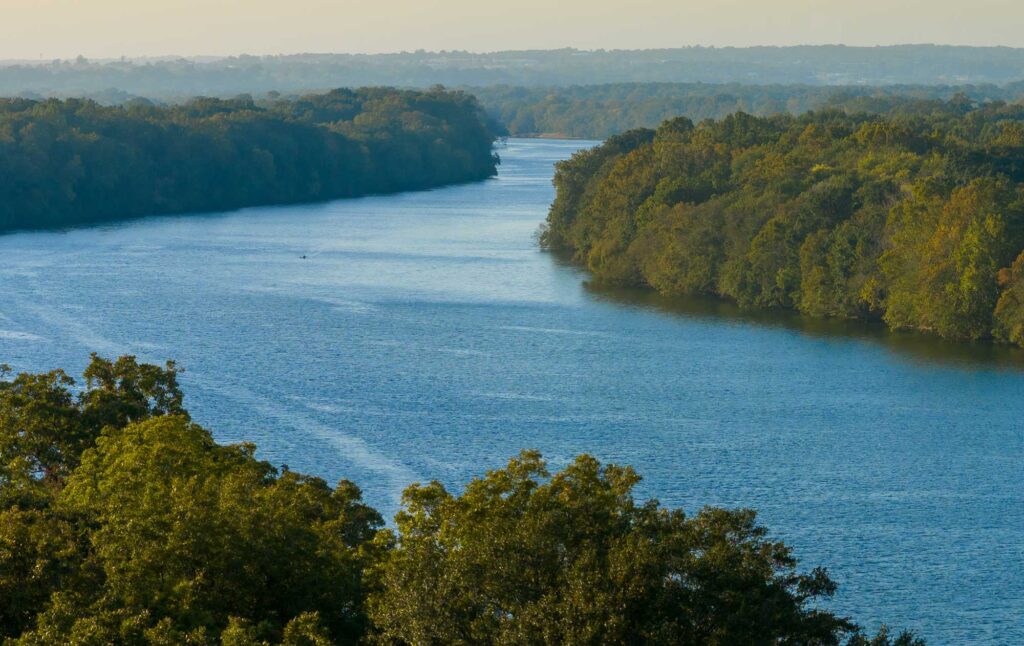
The magazine’s discerning choice for Alabama is EJI’s Freedom Monument Sculpture Park, situated on the historic banks of the Alabama River. While the park officially opened to the public in 2024, Travel + Leisure had already provided an exclusive preview, hailing it as "a tribute to America’s enslaved people." This early commendation underscored the park’s profound mission and anticipated impact. In its latest edition, the publication elaborated on its selection, noting, "Throughout the park, powerful artworks, artifacts, and narratives confront the legacy of slavery while honoring those who endured it. The site also recognizes deeper Indigenous history, including Muscogee connections to the land." This dual focus on both the African American experience of enslavement and the pre-colonial Indigenous presence highlights EJI’s commitment to a comprehensive and unflinching historical narrative.
The Freedom Monument Sculpture Park is not merely a collection of sculptures; it is an immersive historical journey meticulously crafted to evoke reflection, understanding, and reconciliation. Its strategic location in Montgomery, a city deeply intertwined with both the domestic slave trade and the Civil Rights Movement, amplifies its significance. The Alabama River itself served as a major artery for the forced migration of enslaved people, making the park’s riverside setting a poignant reminder of this brutal history.
The Heart of Remembrance: The National Monument to Freedom
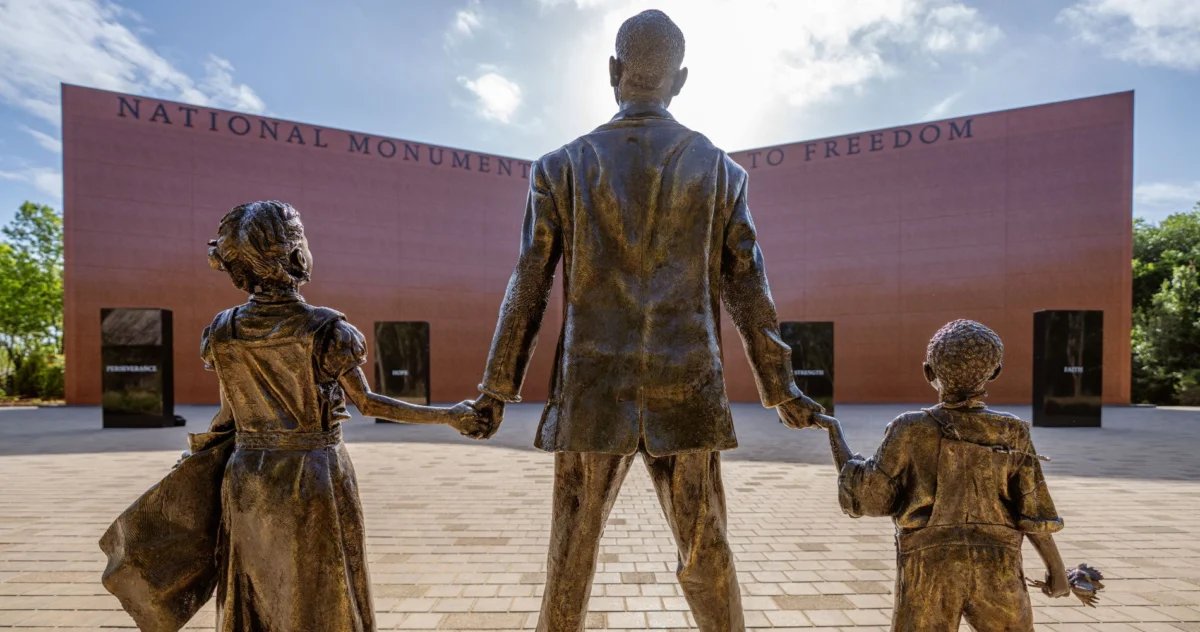
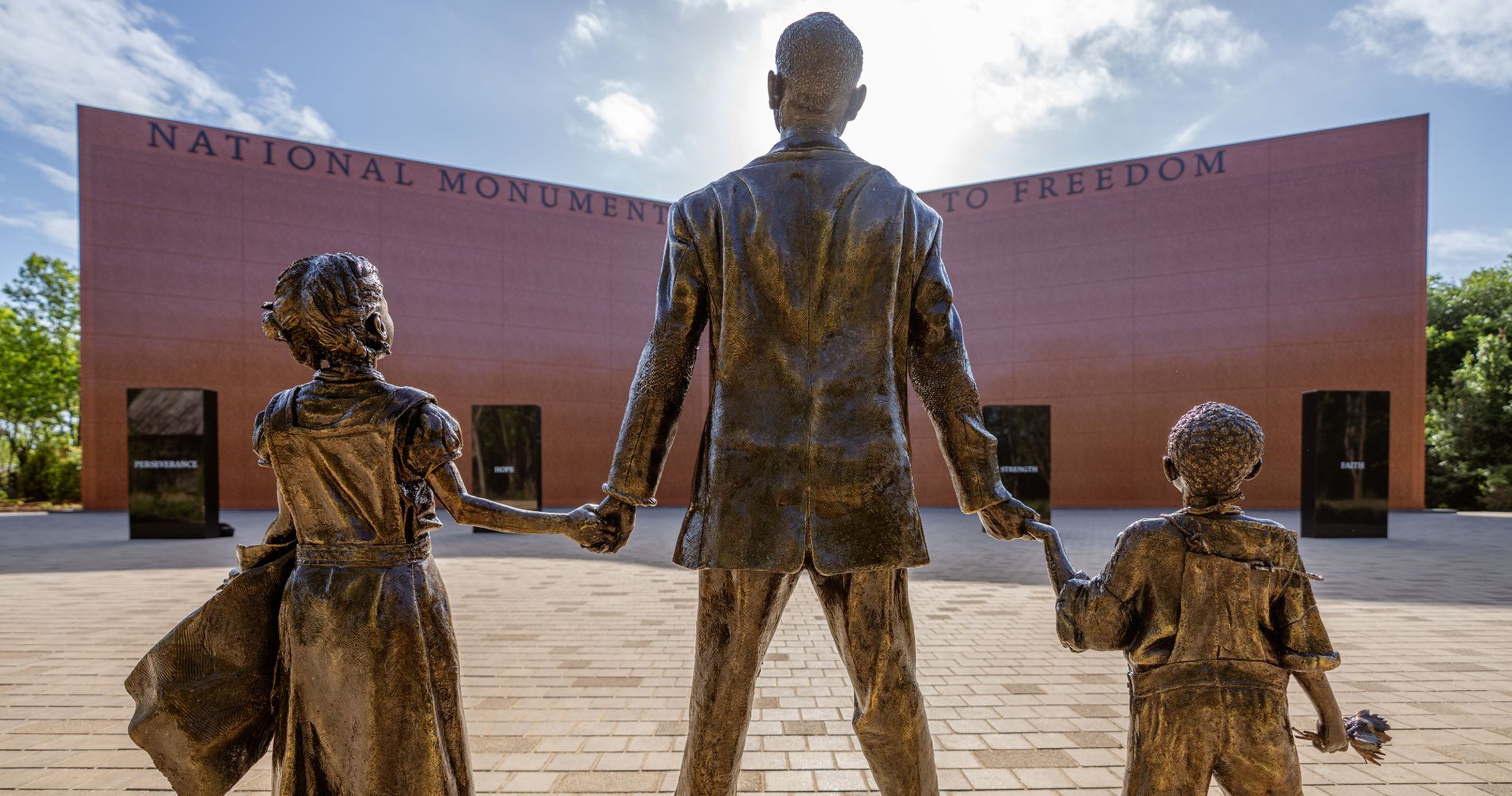
Central to the park’s experience is the National Monument to Freedom, a monumental structure that Travel + Leisure specifically highlighted. This awe-inspiring edifice is dedicated to honoring the four million formerly enslaved people who endured unimaginable hardship. Engraved upon its walls are nearly 120,000 surnames derived from the 1870 census. This particular census holds immense historical weight; it was the first census conducted after the abolition of slavery and the ratification of the 14th Amendment, providing formerly enslaved individuals their first official opportunity to register chosen family names. This act was a profound exercise of newfound liberty and an expression of deeply rooted hope for the future, a reclamation of identity after generations of dehumanization.
For millions of Black families today, these engraved names represent their ancestral heritage, a direct link to the extraordinary perseverance of their forebears. The interactive design of the monument allows visitors to engage personally with this history. Using their smartphones or provided tablets, individuals can search for family names on the monument, physically reaching out to touch the engraved surfaces—a powerful, tangible connection to the past. This tactile interaction transforms a historical record into a deeply personal encounter, fostering a sense of belonging and shared heritage.

Beyond the monument itself, the park’s visitor center extends this genealogical exploration. Kiosks provide access to EJI’s comprehensive census database, allowing visitors to delve further into family histories and potentially uncover their own connections to the names and stories presented throughout the park. This blend of monumental art, historical data, and interactive technology creates an educational experience that is both intellectually stimulating and emotionally resonant.
Art as a Vehicle for Truth and Empathy
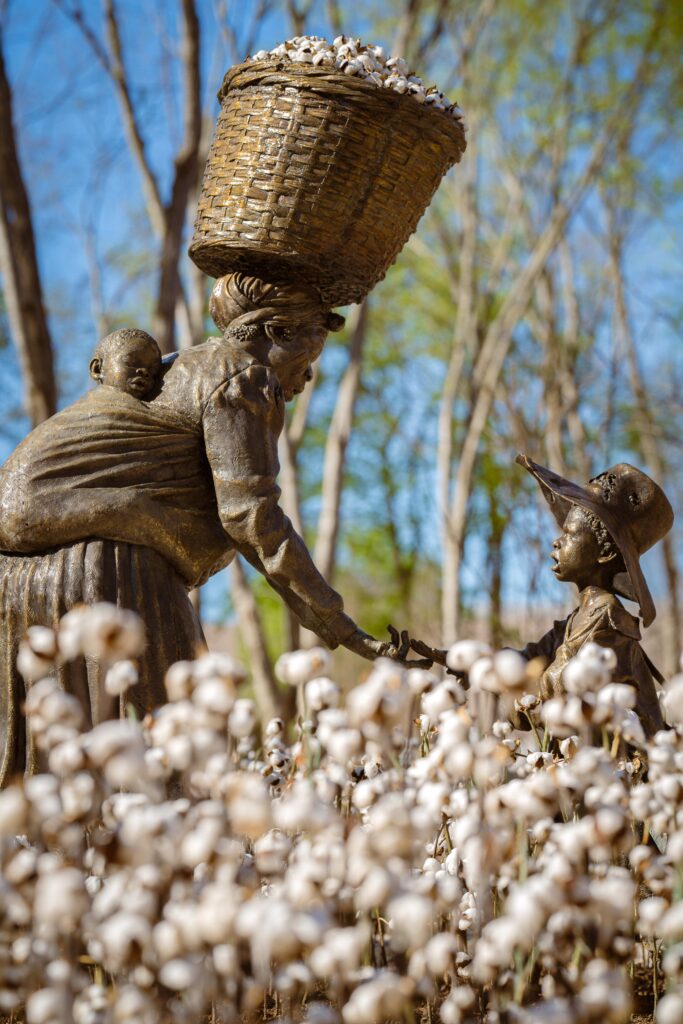
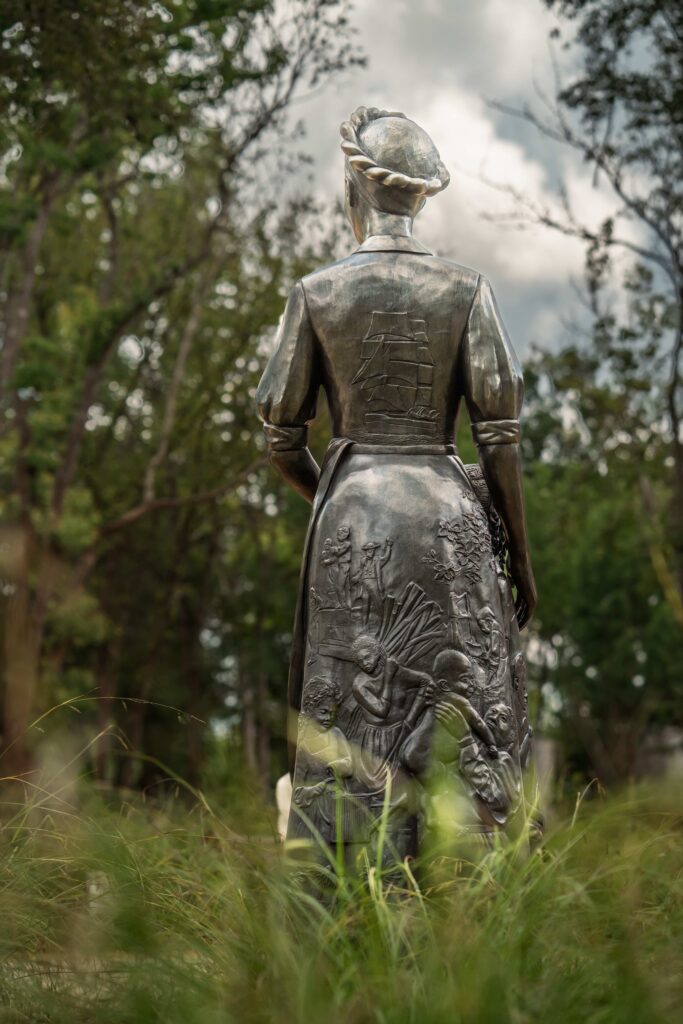
The Freedom Monument Sculpture Park is also a testament to the power of art in conveying complex historical narratives. The park features world-class art installations that animate the journey through American history, inviting visitors to engage with the stories of slavery and resistance on a deeper, more visceral level. Pieces such as Mama, I Hurt My Hand by Kwame Akoto-Bamfo and Waiting for Auction by Vinnie Bagwell are not merely decorative; they are integral to the park’s mission, serving as powerful visual metaphors for the pain, resilience, and humanity of enslaved people.
Kwame Akoto-Bamfo, a Ghanaian artist, is renowned for his Ancestor Project, which creates realistic sculptures of enslaved Africans, giving faces and forms to those often rendered anonymous by history. His work at the park brings a tangible, human dimension to the experience of slavery. Vinnie Bagwell, an American sculptor, similarly uses her art to depict historical figures and events with profound emotional depth, ensuring that the narratives of the past resonate with contemporary audiences. These artworks, strategically placed throughout the 17-acre landscape, guide visitors through a narrative arc that moves from the brutality of enslavement to the enduring hope for freedom and justice.
The deliberate integration of these sculptures within the natural landscape, alongside historical markers and interpretive panels, creates a multi-sensory experience. Visitors can reflect on the horrors of the past while walking amidst nature, fostering a contemplative environment that encourages both personal introspection and collective reckoning. The option of a free boat ride on the Alabama River to reach the park further immerses visitors in the historical context of the site, mirroring the journeys, albeit under vastly different circumstances, that once traversed these same waters.
EJI’s Broader Vision: The Legacy Sites
The Freedom Monument Sculpture Park is one of four "Legacy Sites" developed by the Equal Justice Initiative, an organization founded by civil rights attorney and advocate Bryan Stevenson. EJI’s overarching mission is to end mass incarceration and excessive punishment in the United States, challenge racial and economic injustice, and protect basic human rights for the most vulnerable people in American society. The Legacy Sites are a crucial component of this mission, designed to deepen visitors’ understanding of American history, particularly the history of racial injustice.
The other Legacy Sites include:
- The National Memorial for Peace and Justice: Opened in 2018, this memorial is the nation’s first memorial dedicated to the legacy of enslaved Black people, people terrorized by lynching, and African Americans humiliated by racial segregation and Jim Crow. It features over 800 corten steel monuments, each representing a county in the United States where a racial terror lynching took place, with the names of victims engraved on them.
- The Legacy Museum: From Enslavement to Mass Incarceration: Also opened in 2018, this museum is located on the site of a former warehouse where enslaved people were imprisoned in Montgomery. It utilizes interactive media, sculpture, and film to immerse visitors in the experience of racial terror and the journey from slavery to the modern era of mass incarceration.
- The forthcoming permanent home of the Legacy Museum: EJI is currently developing an expanded, permanent home for the Legacy Museum, which will further enhance its capacity to educate and engage the public.
Collectively, these sites use first-person narratives, innovative technology, and world-class art to create powerfully immersive experiences in the very places where history happened. By situating these educational and commemorative spaces in Montgomery, EJI leverages the city’s profound historical resonance, turning sites of past injustice into venues for education, reflection, and healing.
Historical Context and the Nation’s 250th Anniversary
The recognition of the Freedom Monument Sculpture Park as an "essential American experience" by Travel + Leisure comes at a pivotal moment for the United States. As the nation prepares to commemorate its 250th anniversary in 2026, there is a growing national conversation about how America defines itself, how it confronts its past, and what narratives it chooses to elevate. The inclusion of a site dedicated to reckoning with the legacy of slavery underscores a broadening understanding of American history that acknowledges both its triumphs and its profound moral failures.
The 1870 census, a key element of the park, represents a turning point in American history—a moment when the promises of emancipation began, however imperfectly, to translate into official recognition of personhood and family. Before this, enslaved individuals were often listed as property or by first names only, devoid of a surname that denoted lineage or identity. The act of choosing and registering a family name was an assertion of humanity and a foundation for building generational wealth, identity, and community, despite the ongoing challenges of Reconstruction and the subsequent era of Jim Crow. The monument thus serves as a powerful symbol of this arduous journey from bondage to freedom, a journey that continues to shape the American experience.
Statements, Impact, and Future Outlook
Bryan Stevenson, the visionary director of EJI, articulated the profound significance of the park: “Freedom Monument Sculpture Park is a special place for millions of people who want to reckon with the history of slavery and honor the lives of people who endured tremendous hardship but still found ways to love in the midst of sorrow. Many of us are the heirs to that extraordinary perseverance and hope. There is a lot to learn at this site, and we want everyone to experience it.” Stevenson’s words encapsulate EJI’s philosophy: that understanding the past, even its most painful chapters, is essential for achieving justice and building a more equitable future.
The park’s recognition by a publication like Travel + Leisure carries significant implications beyond mere tourism. It signals a growing national and international acknowledgment of the importance of sites that grapple with difficult histories. For Montgomery, this recognition can translate into increased tourism, bringing economic benefits to the city while also positioning it as a leading destination for historical and cultural heritage tourism. More importantly, it helps to ensure that the stories of enslaved people and their descendants are woven into the fabric of the national narrative, rather than relegated to the margins.
In an era where historical accuracy and inclusive storytelling are increasingly vital, the Freedom Monument Sculpture Park stands as a powerful testament to the resilience of the human spirit and the ongoing quest for justice. Its inclusion in Travel + Leisure‘s "America’s Best 50" list not only celebrates a remarkable achievement in public history but also serves as an urgent invitation for all Americans to engage with a past that continues to shape the present and inform the future. As the United States looks toward its 250th anniversary, the park serves as a profound reminder that a true celebration of liberty must first involve an honest reckoning with its denial.