The streaming landscape has seen a significant influx of intellectual property revivals, but few have carried the cultural weight of the Legally Blonde franchise. Prime Video has officially launched its highly anticipated prequel series, titled Elle, which serves as an origin story for the character made famous by Reese Witherspoon in the 2001 film. Produced by Hello Sunshine and Amazon MGM Studios, the series aims to bridge the gap between the character’s adolescence and her eventual journey to Harvard Law School. The first season introduces a younger version of the protagonist navigating a drastic change in environment, shifting from the affluent neighborhoods of Los Angeles to the more somber, rain-heavy climate of Seattle. Critics and industry analysts have noted the show’s adherence to the core "essence" of the character—optimism, fashion-forwardness, and a relentless pursuit of justice—while introducing new narrative complexities that challenge the established lore of the original films.
Development and Production Background
The development of Elle was first announced as part of Amazon’s broader strategy to revitalize established MGM properties following its acquisition of the studio. Reese Witherspoon, who serves as an executive producer through her Hello Sunshine banner, has been vocal about the importance of maintaining the integrity of the character while modernizing the storytelling for a new generation. The series was created to explore the formative years of Elle Woods, providing context for her unwavering confidence and her unique approach to problem-solving.
Casting for the series was a central focus of production, as finding a performer capable of channeling Witherspoon’s iconic portrayal was deemed essential for the project’s success. Lexi Minetree was eventually cast as the teenage Elle Woods, bringing a blend of charm and grace that mirrors the character’s established persona. The production also secured a diverse ensemble cast, including Chandler Kinney, Gabrielle Policano, and the late James Van Der Beek, whose involvement marks one of his final television performances.
Narrative Arc: Transitioning from Los Angeles to Seattle
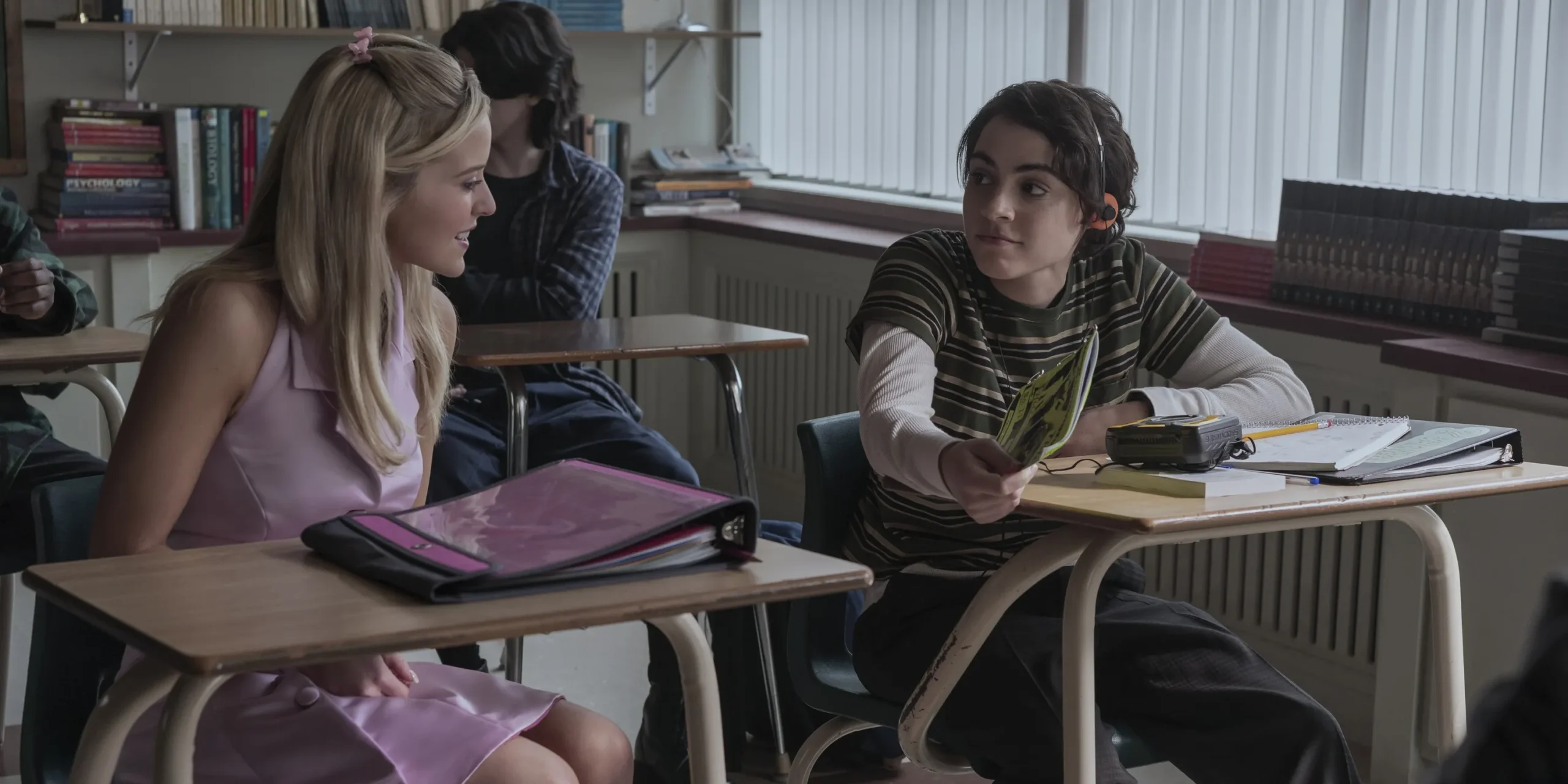
The first season of Elle pivots on a major life event: the Woods family is forced to relocate from their "warm, cozy life" in Los Angeles to Seattle. This geographical shift serves as the primary catalyst for the series’ conflict. In Seattle, Elle is presented as a "pink beacon in a sea of grey plaid," a visual and thematic metaphor for her status as an outsider.
Unlike the 2001 film, which suggests that Elle’s first major encounter with social rejection occurs at Harvard, the prequel series posits that she faced similar hurdles during her junior year of high school. This narrative choice has been a point of discussion among franchise purists. However, the showrunners have framed this as a cycle of growth, suggesting that Elle’s resilience is a trait she had to develop early on. The Seattle setting allows the show to explore 1990s subcultures, contrasting Elle’s high-fashion sensibilities with the grunge and activist movements prevalent in the Pacific Northwest during that era.
Character Analysis and Ensemble Dynamics
Lexi Minetree’s portrayal of Elle Woods emphasizes the character’s "relentless optimism." The series maintains the fundamental subversion of the "ditzy blonde" trope that defined the original movie. While this version of Elle is fashion-obsessed and occasionally naive due to her privileged upbringing, she is consistently depicted as intelligent and, most importantly, kind. Her actions, even when misguided, are driven by a genuine desire to help others, a trait that the series uses to foreshadow her future career in law.
The supporting cast introduces several key figures in Elle’s life:
- Dustin (Zac Looker): A British skater and activist who represents the counter-culture of Seattle.
- Miles (Jacob Moskovitz): A track runner who serves as a romantic interest, grounding the high school drama.
- Shannon (Danielle Chand): The head of the school’s social committee and the first peer to offer Elle genuine friendship.
- Kimberly (Chandler Kinney): A "grunge girl" and resident popular figure who serves as a foil to Elle. Unlike the typical "mean girl" tropes of the 1990s, Kimberly’s antagonism is rooted in a distaste for perceived inauthenticity rather than simple social hierarchy.
- Liz (Gabrielle Policano): A lesbian rocker and zine-maker who becomes one of Elle’s closest allies.
Representation and the Role of Liz
One of the most significant additions to the Legally Blonde canon is the character of Liz, portrayed by queer actor Gabrielle Policano. Liz, who self-identifies with the nickname "Lizbian," provides the series with a grounded representation of LGBTQ+ identity in the 1990s. Industry commentators have praised the show for integrating Liz’s sexuality into her character without making it the sole focus of her narrative.
The relationship between Elle and Liz begins with skepticism, as Liz initially suspects Elle’s cheerfulness is a prank. However, the bond that develops between them is a central pillar of the first season. The show avoids common tropes of the era, such as overt homophobic bullying, instead presenting Liz as a character whose primary struggles involve family abandonment and financial stability. This nuanced approach to representation has been highlighted as a "refreshing" departure from the more tragic queer narratives often found in period-specific teen dramas.
Reconciling the Prequel with Franchise Lore
A notable challenge for the series is reconciling its plot with the established backstory of the 2001 film. In the original movie, the premise relies on the idea that Elle Woods has lived a charmed life where everything came easily to her until she reached Harvard. The series Elle introduces significant hardship during her high school years, which technically creates a continuity discrepancy.
To address this, analysts suggest that the series operates on a "thematic" rather than a "strict chronological" alignment. The show demonstrates that Elle’s "three-point plans" and her ability to argue points effectively were skills she possessed long before her legal education began. By showing her early quest for justice and her ability to navigate complex social structures in Seattle, the series provides a logical foundation for her eventual decision to pursue a law degree.
Production Design and Cultural References
Set in the 1990s, Elle leans heavily into the aesthetics and cultural touchstones of the decade. The production design emphasizes the contrast between Elle’s vibrant, pink-coded wardrobe and the muted, flannel-heavy fashion of Seattle. The soundtrack and episodic themes also draw from the era, including a dedicated Breakfast Club-themed episode.
Fans of the original franchise will find numerous "Easter eggs" throughout the first season. These include:
- The origin story of Bruiser, Elle’s iconic Chihuahua.
- The introduction of the "pink fuzzy pen," which becomes a signature tool for the character.
- Dialogue references and episode titles that quote famous lines from the 2001 film.
- A subtle "Gay or European" reference, nodding to the famous musical number from the stage adaptation.
James Van Der Beek’s Final Role
The series carries an emotional weight due to the appearance of James Van Der Beek. Playing a supporting role, Van Der Beek’s performance has been described as a poignant contribution to the series. His involvement in the project was one of his last major roles before his passing earlier this year, adding a layer of nostalgia and tribute to the show’s release. His character interacts with the Woods family, providing a bridge between the LA lifestyle they left behind and their new reality.
Industry Impact and Streaming Strategy
The release of Elle is a strategic move for Amazon Prime Video as it seeks to maximize the value of the MGM library. By targeting both nostalgic fans of the original film and a newer demographic of teen viewers, the platform is following a successful industry trend seen with shows like Wednesday and Cobra Kai. The series has already demonstrated strong viewership metrics, leading to an early renewal for a second season.
The decision to renew the series before the full conclusion of the first season’s marketing cycle indicates high internal confidence in the project. The second season is expected to continue the "one school year per season" format, likely following Elle through her senior year of high school.
Future Outlook and Season Two Expectations
With Season 2 officially confirmed, the narrative is expected to further explore the tension between Elle’s Los Angeles roots and her Seattle environment. As the character nears graduation, the series will likely begin to lay the groundwork for her return to California and her enrollment at UCLA, which was her alma mater in the original film.
The success of Elle suggests that there is still significant appetite for the Legally Blonde brand. Discussions regarding a potential third film starring Reese Witherspoon continue to circulate, and the prequel series serves as a vital tool for keeping the intellectual property relevant in the interim. By focusing on the "inner lawyer" that Elle always possessed, the series successfully enriches the character’s history while providing a wholesome, sweet, and humorous addition to the Prime Video catalog.
Thematically, the show remains a "perfect fit" for the franchise, emphasizing that while the setting and the challenges may change, the core values of Elle Woods—kindness, justice, and the power of being oneself—remain immutable. As the series moves into its second year of production, it stands as a testament to the enduring appeal of one of cinema’s most beloved protagonists.