
The landscape of reproductive medicine is undergoing a significant transformation as more transgender and non-binary individuals seek fertility preservation services prior to undergoing medical transition. This shift is highlighted by the recent experience of Kylo Freeman, a 36-year-old trans man whose journey through oocyte cryopreservation—commonly known as egg freezing—at the NYU Langone Fertility Center sheds light on the clinical, psychological, and logistical complexities faced by transgender patients. As gender-affirming care becomes more integrated into mainstream medicine, the intersection of reproductive health and gender identity has emerged as a critical area of focus for healthcare providers and patients alike.
The Context of Transgender Fertility Preservation
For many transgender men, the decision to begin testosterone replacement therapy (TRT) marks a definitive step in their transition. However, TRT can significantly impact or even cease ovulation, making future biological conception uncertain. While some individuals may regain fertility after pausing testosterone, the medical community generally recommends fertility preservation prior to starting hormone therapy to ensure the highest probability of success.

Kylo Freeman’s decision to freeze his eggs at age 36 was driven by a combination of personal evolution and a committed partnership with his fiancée, Em. Freeman’s history with the concept of parenthood was initially characterized by a lack of representation and a disconnect from traditional maternal roles. Growing up queer and trans without visible role models, Freeman initially viewed parenthood through a lens of trauma and dysphoria, exacerbated by a strained relationship with his own father. However, his relationship with Em, who expressed a strong desire for children, prompted a re-evaluation of his future.
The couple’s reproductive plan involves a collaborative approach: they intend to have two children, one using Freeman’s eggs and another using Em’s. Crucially, Em will carry both pregnancies, a decision made to mitigate the severe gender dysphoria Freeman associates with pregnancy and childbirth. This arrangement necessitated the extraction of Freeman’s eggs before he commenced his testosterone regimen.
Clinical Protocol and Diagnostic Testing
The process of egg freezing is a multi-stage medical endeavor that begins with rigorous diagnostic testing. At the NYU Langone Fertility Center, Freeman underwent a series of blood tests to assess his ovarian reserve and hormonal baseline. Key metrics included Anti-Müllerian Hormone (AMH) and Estradiol (E2) levels.

AMH is a protein produced by the granulosa cells in ovarian follicles; its concentration in the blood is a primary indicator of a patient’s remaining egg supply. Freeman’s AMH level was recorded at 3.24 ng/mL, and his baseline Estradiol was 25 pg/mL. These figures, particularly for a patient in his mid-30s, indicated a robust ovarian reserve. In clinical terms, Freeman was approaching what is often referred to as "advanced maternal age" or "geriatric" status in pregnancy contexts (typically age 35 and older), making the timing of the procedure vital.
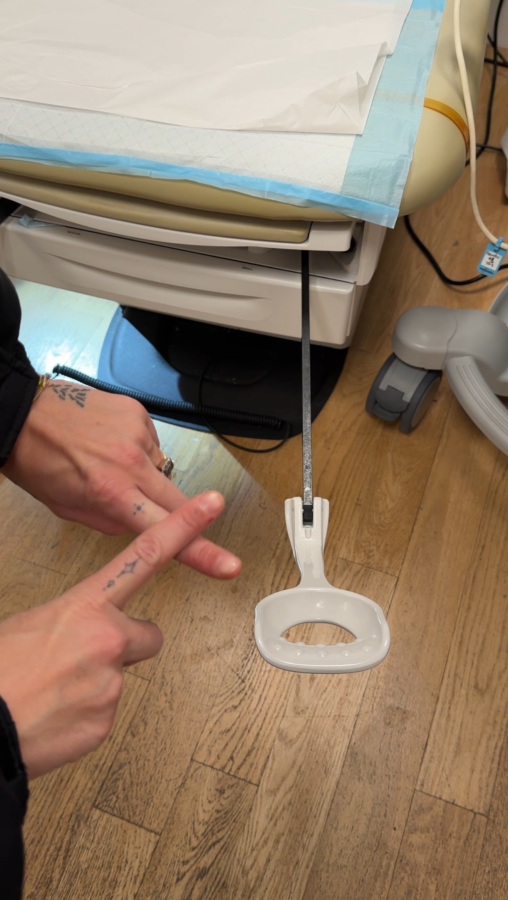
One of the primary challenges in treating transgender patients for fertility is the management of gender dysphoria during invasive procedures. Standard protocols often require transvaginal ultrasounds to monitor follicle growth. However, due to Freeman’s significant bottom dysphoria, the clinical team at NYU Langone adapted their approach, performing scans externally. While external scans provide less precision than internal ones, the combination of Freeman’s blood work and his history of a prior pregnancy provided the clinical team with sufficient confidence to proceed.
The Chronology of Ovarian Stimulation
Ovarian stimulation involves a precise regimen of injectable medications designed to prompt the ovaries to produce multiple mature eggs in a single cycle, rather than the solitary egg typically released during natural ovulation. Freeman’s protocol followed a disciplined 11-day schedule:
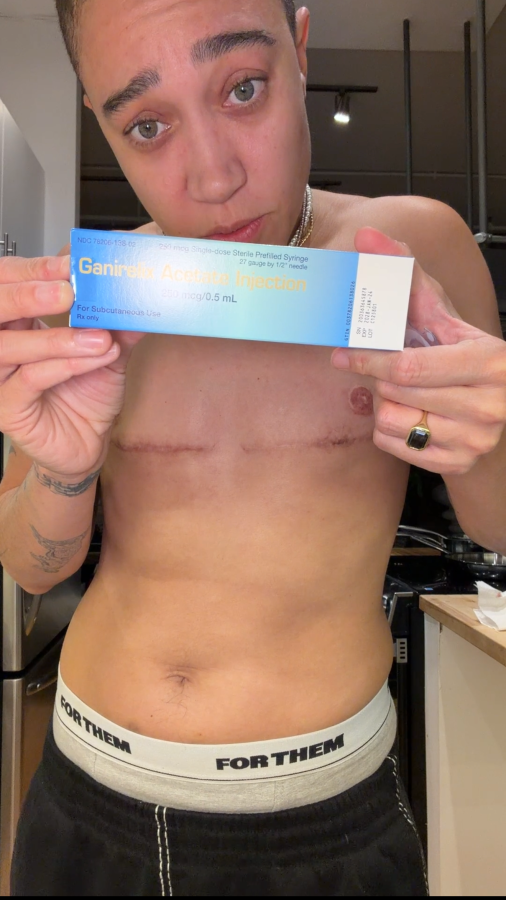
- Days 1–5: Administration of oral medications and two injections per day.
- Days 5–7: Continued regimen of two injections per day.
- Days 8–10: Escalation to three injections per day (one in the morning and two in the evening).
- Day 11: A single evening injection.
- Trigger Day: The final stage, involving four injections (two syringes each) to trigger the final maturation of the eggs.
Throughout this period, Freeman was required to visit the clinic every three days for laboratory draws and ultrasounds. These visits highlighted the sociological environment of fertility clinics, which are traditionally geared toward cisgender women. Freeman noted the "dystopian" atmosphere of the waiting rooms, filled with professional women managing their careers alongside their reproductive health. Interestingly, Freeman observed that because he was perceived as a man, his presence was often interpreted by others as that of a supportive partner rather than the patient, a phenomenon that provided an unexpected form of gender affirmation during a physically feminizing process.
On the "trigger day," Freeman’s Estradiol levels peaked at 4,251 pg/mL—nearly 170 times his baseline. This massive hormonal surge often results in heightened emotional sensitivity and physical bloating. Due to his high follicle count and elevated estrogen, the medical team opted for a Lupron trigger instead of the standard Human Chorionic Gonadotropin (HCG) trigger. This clinical choice is often made to reduce the risk of Ovarian Hyperstimulation Syndrome (OHSS), a potentially dangerous condition where the ovaries become swollen and painful.
The Retrieval Procedure and Results
The egg retrieval is a minor surgical procedure performed under sedation. For Freeman, the experience was complicated by the logistical realities of the American healthcare system. He reported feelings of isolation during the pre-operative phase, where hospital policies often separate patients from their partners. Furthermore, the necessity of using legal names for medical identification led to instances of "dead-naming," which, combined with the physical positioning required for the procedure (feet in stirrups), created a high-stress environment for a transgender patient.

Despite these hurdles, the clinical outcome was highly successful. The surgical team retrieved 32 eggs, of which 23 were found to be mature and suitable for cryopreservation. For a 36-year-old patient, where the average yield is often between 5 and 10 mature eggs, these results were exceptional. The high yield was particularly significant for Freeman, as it eliminated the need for subsequent rounds of stimulation, allowing him to move forward with his gender-affirming hormone therapy immediately.
Post-Operative Recovery and Hormonal Rebalancing
The recovery phase following egg retrieval is often underestimated. As the elevated estrogen levels crash, patients can experience significant physical and psychological symptoms. Freeman reported severe bloating and a "pregnant-feeling" abdomen, which triggered renewed bouts of dysphoria.
Medical guidelines prohibit strenuous exercise for approximately two weeks before and after the surgery to prevent ovarian torsion—a condition where the enlarged ovary twists on its ligament, cutting off blood supply. For Freeman, who relies on exercise for mental health and body image management, this forced inactivity led to a period of exhaustion and depressive symptoms.

The recovery process typically concludes with the onset of a menstrual period, which signals that the body’s hormonal levels have returned to their baseline. Freeman noted that it took several weeks following his period to feel fully recovered and prepared to begin the next phase of his transition.
Broader Implications and Analysis
The case of Kylo Freeman underscores several critical points regarding the future of transgender healthcare and reproductive rights.
1. Financial and Insurance Barriers
One notable aspect of Freeman’s experience was the insurance coverage. Because he was classified as undergoing a medical transition, his provider was able to code the procedure under "infertility," resulting in 90% coverage. This is a significant development, as fertility preservation is often prohibitively expensive—frequently costing between $10,000 and $15,000 per cycle out-of-pocket. The inclusion of fertility preservation as a component of gender-affirming care is a growing trend, supported by organizations like the World Professional Association for Transgender Health (WPATH).
2. Redefining Fatherhood
Freeman’s journey reflects a broader cultural shift in how transgender men view their roles as parents. By choosing to preserve his eggs, Freeman is asserting his right to biological fatherhood on his own terms. He describes this as a way to "right the wrong" of his own childhood, aiming to be a supportive, safe space for his future children, regardless of their gender.
3. The Need for Trans-Competent Care
The challenges Freeman faced—ranging from "dead-naming" in the surgical suite to the lack of gender-neutral facilities—highlight the ongoing need for trans-competent training within the medical field. While the clinical results at NYU Langone were successful, the patient experience suggests that medical institutions must work toward more inclusive protocols that respect the identity and comfort of transgender patients during sensitive reproductive procedures.
4. Psychological Resilience
The process of egg freezing is physically and emotionally taxing for any patient, but for a transgender man, it involves navigating a landscape of hormonal triggers and invasive procedures that directly contradict his gender identity. Freeman’s ability to "self-regulate" and focus on the long-term goal of building a family serves as a testament to the resilience required of transgender individuals navigating the healthcare system.

Conclusion
Kylo Freeman’s journey from a place of disconnect regarding parenthood to the successful preservation of 23 mature eggs represents a milestone in both his personal life and the broader narrative of transgender reproductive autonomy. By completing this process at age 36, Freeman has secured his biological future while clearing the path for his medical transition through testosterone therapy.
As he looks forward to a future with his fiancée and their eventual children, Freeman’s experience provides a roadmap for other transgender individuals considering fertility preservation. It highlights the importance of finding supportive clinical partners, the necessity of advocating for one’s own comfort in medical settings, and the profound emotional rewards that can come from breaking cycles of intergenerational trauma to build a new kind of family. The "little eggs in the freezer" represent not just potential life, but the successful integration of biological reality with a lived gender identity.